
Glazed Display Dresser
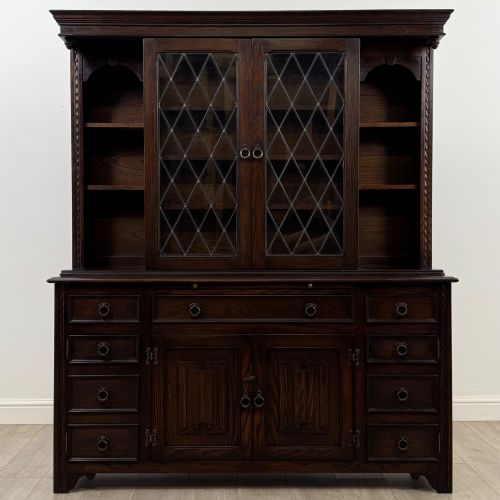
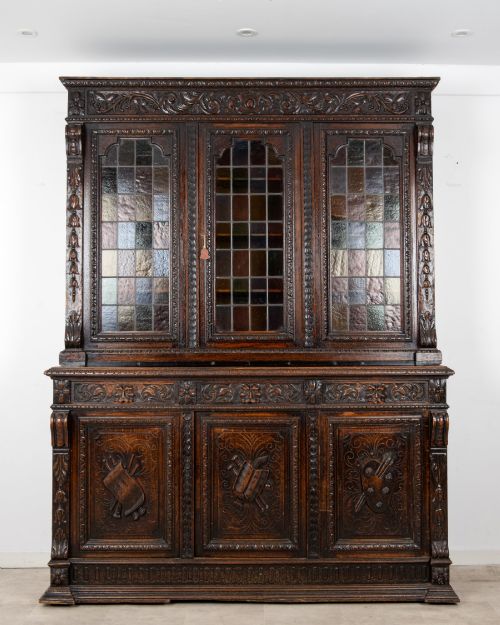
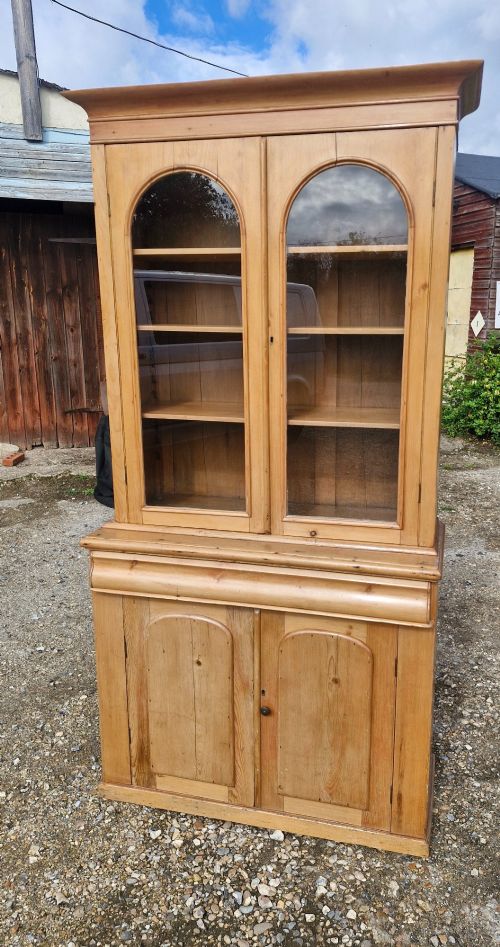
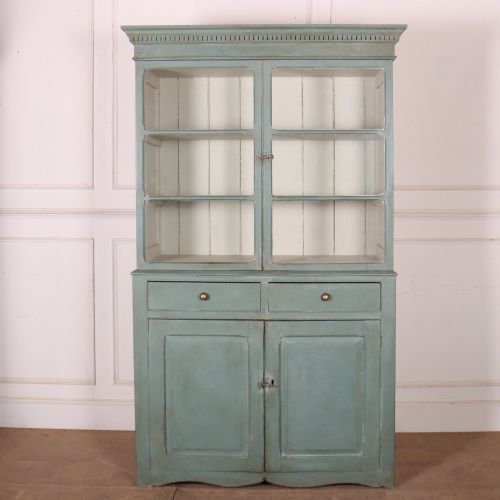
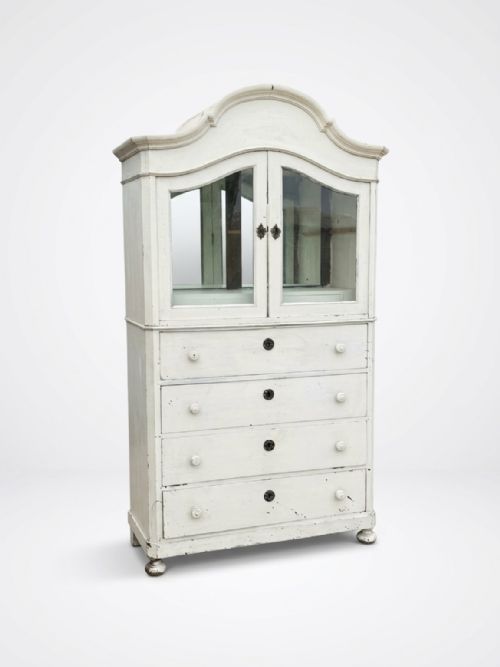
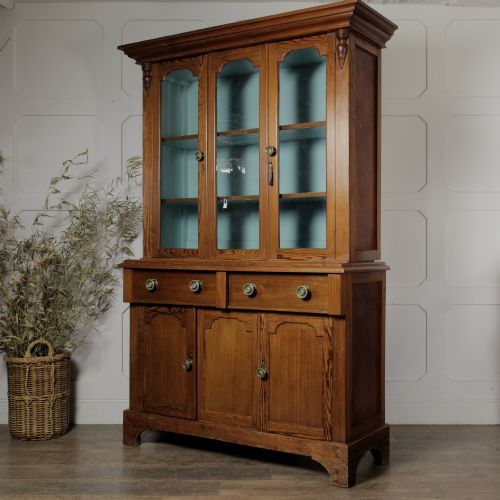
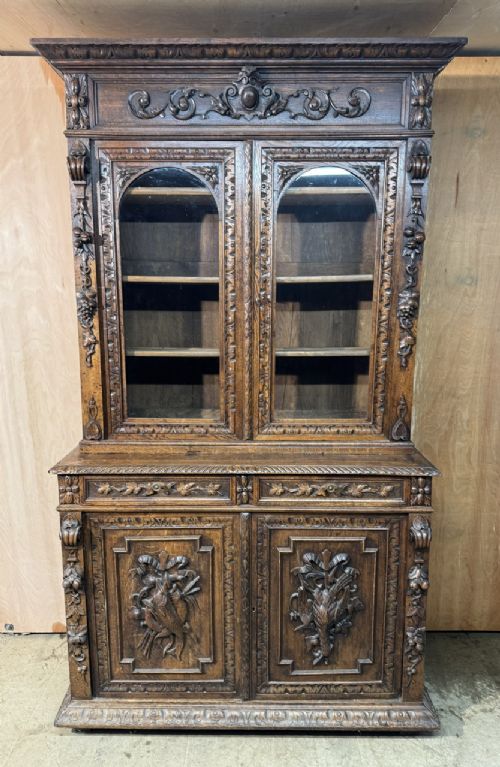
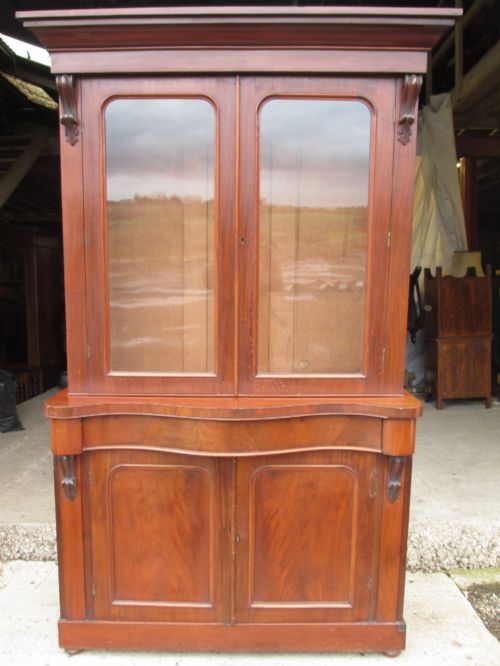
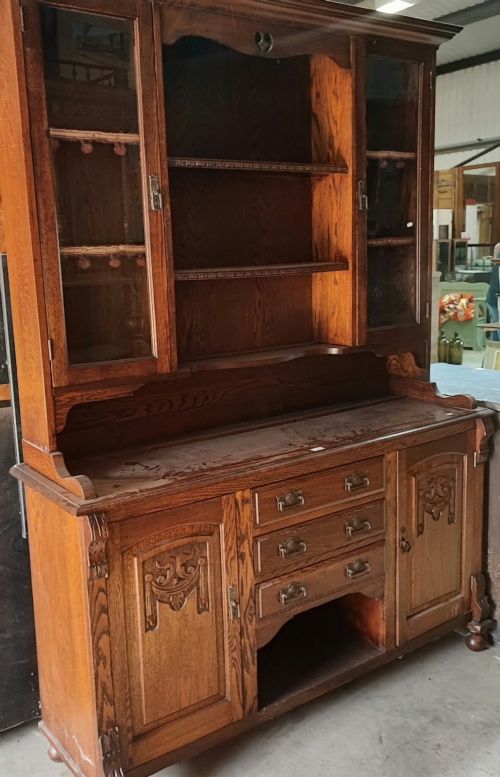
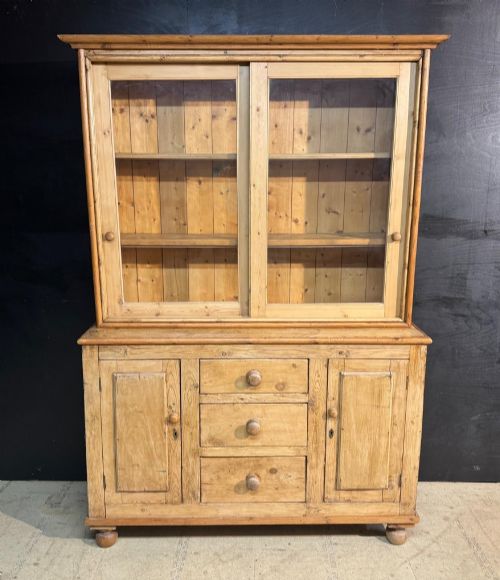
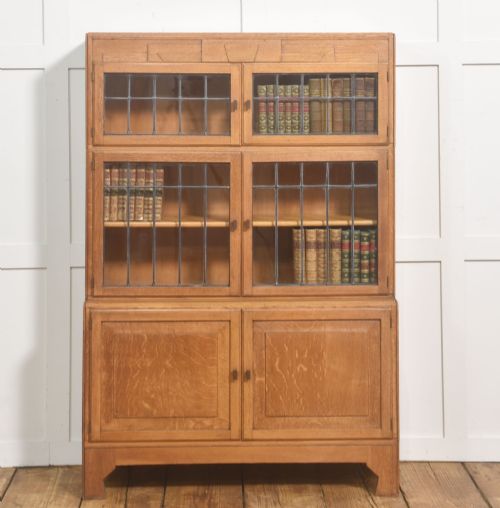
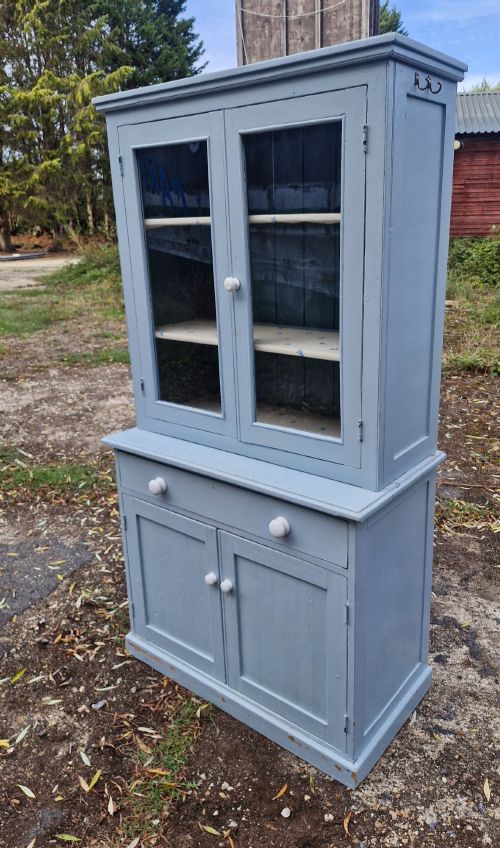
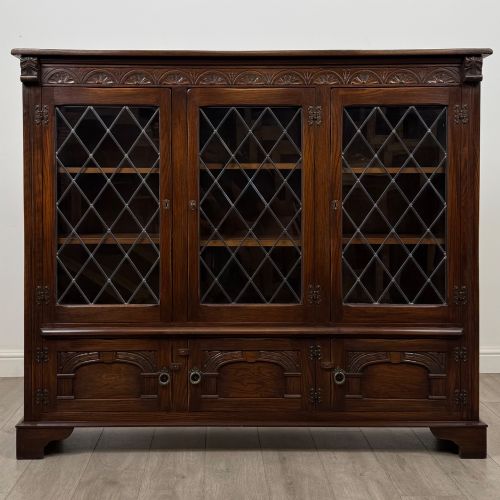
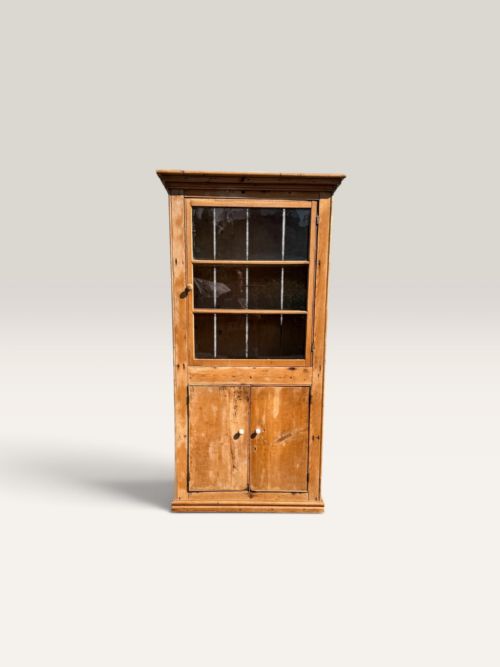
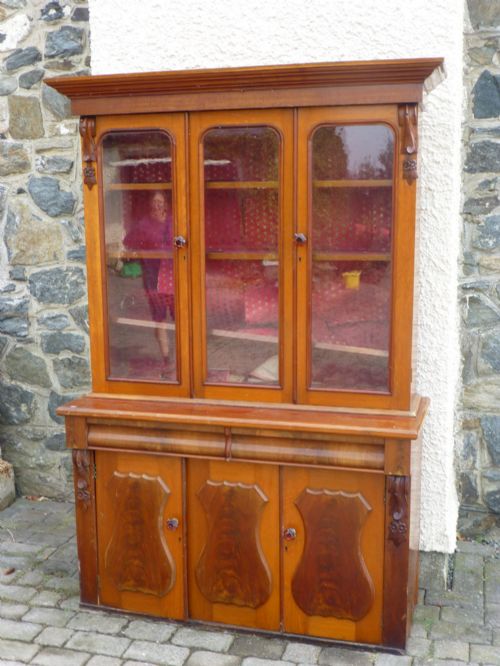
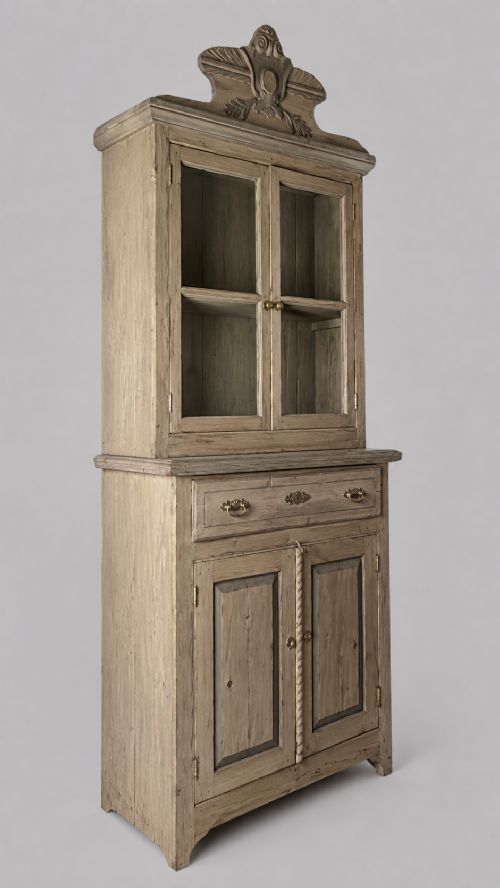
These glazed display dresser pieces combine timber storage cabinets with glass doors, offering storage and display space for china and books.
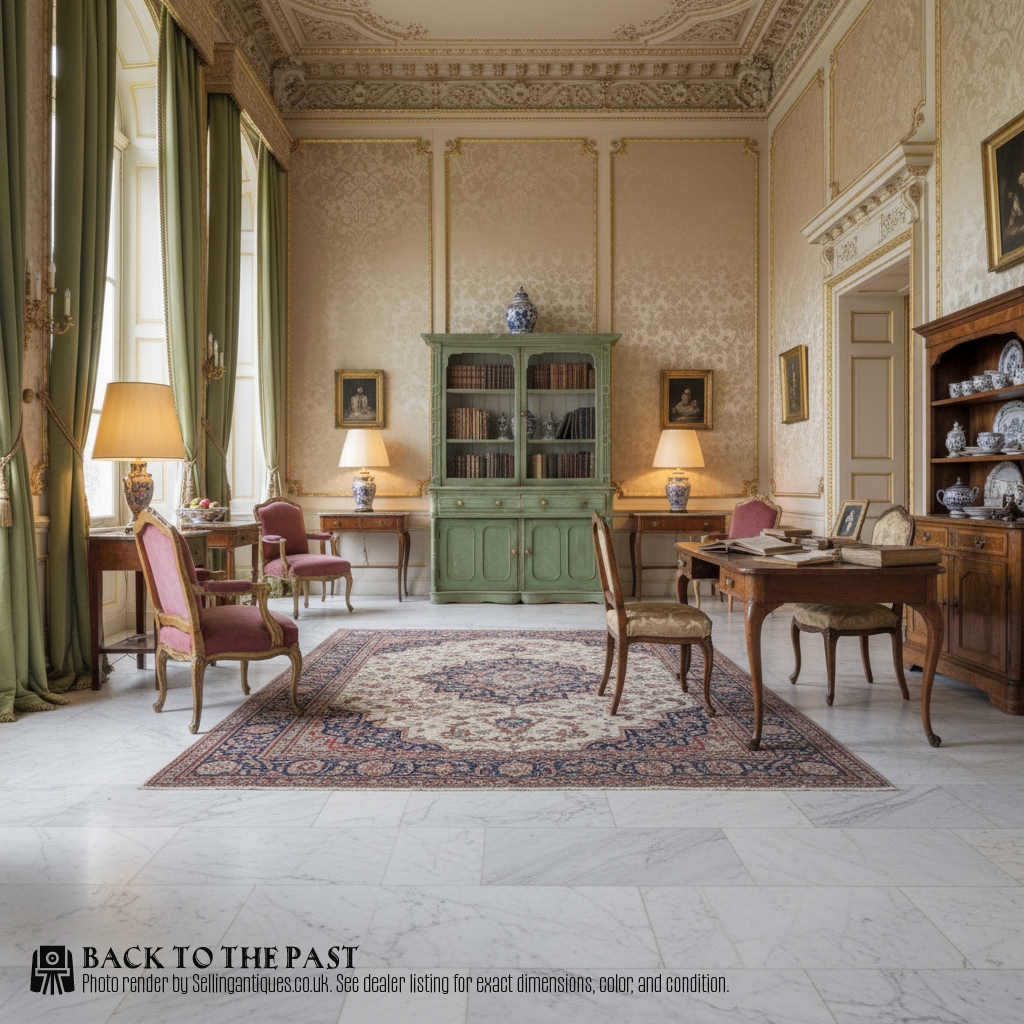
Glazed Display Dresser
A glazed display dresser unites base storage units with upper glass-fronted cabinets for tableware and books. Buyers encounter many pine, oak, and mahogany examples originating from Victorian and Edwardian periods.
The selection ranges from two-part kitchen dressers to corner cupboards, French provincial buffets, and Scottish or Welsh regional pieces. Many feature glazed upper doors combined with wooden lower cupboards or drawers.
These items serve practical utility in domestic settings while showcasing curated objects behind glass. Oak and pine dominate the vernacular and formal iterations alike.
Materials and construction
Carpenters utilised solid timbers such as pine, oak, mahogany, walnut, and pitch pine for the structural carcasses and shelving. Glass panels were secured within wooden frames using lead or putty.
Hardware elements incorporate brass handles, hinges, and iron fittings. Surfaces received finishes including wax, paint, or natural stripping depending on regional workshop traditions.
Listings feature pine, oak, mahogany, walnut, and pitch pine across Victorian, Edwardian, and eighteenth-century periods.
Judging quality and proportion
Standard varies through timber selection, such as tiger oak or figured mahogany compared to basic pine. Carved ornamentation, proportion, and original glass panes elevate certain examples above standard utilitarian pieces.
The integrity of two-part construction and the condition of original glazed doors distinguish superior cabinetmaking. Regional vernacular variations also influence the character of each piece.
August Ungethüm
The Glazed Display Dresser Glossary
- Glazed display dresser
- A piece of furniture featuring upper glass doors for exhibition and lower storage cupboards or drawers. These items house ceramics, books, and household goods.
- Pitch pine
- A resinous softwood utilised in nineteenth-century cabinetry for durability and distinct grain patterns. It often appears in stripped kitchen cupboards.
- Welsh dresser
- A traditional kitchen storage unit combining open or glazed upper shelving with lower base cabinets. Oak and pine are common regional woods for this form.
- Buffet deux corps
- A two-body French cabinet structure comprising an upper display section resting upon a lower sideboard base. Walnut and oak woods feature heavily in these designs.
Glazed Display Dresser: Frequently Asked Questions
What is a glazed display dresser?
A glazed display dresser is a combination storage unit featuring wooden base cupboards and glass-fronted upper shelves. It provides visible display space alongside enclosed storage.
These pieces originate predominantly from nineteenth and early twentieth-century workshops in pine, oak, and mahogany.
How were these dressers used?
Kitchens and dining rooms utilised these dressers for storing and exhibiting tableware, glassware, and books. The upper glass doors protected contents from dust while keeping them visible.
Lower cupboards and drawers held heavier kitchen utensils, linens, and provisions.
How do I date a dresser?
Dating relies on timber types, construction methods, and stylistic indicators such as Victorian, Edwardian, or Arts and Crafts details. Pine and oak variants often display regional characteristics typical of their era.
Hardware, glass types, and joinery techniques further help establish the period of manufacture.
How do I care for antique pine?
Antique pine furniture requires stable room temperatures and protection from direct sunlight to prevent timber movement. Wax finishes need periodic renewal to maintain the surface.
Cleaning should involve dry cloths or slightly damp application without harsh chemical detergents.