




Traditional Glazed Hutch
A traditional glazed hutch brings earthy utility and timber character into a room, offering glass-fronted storage for everyday pottery.
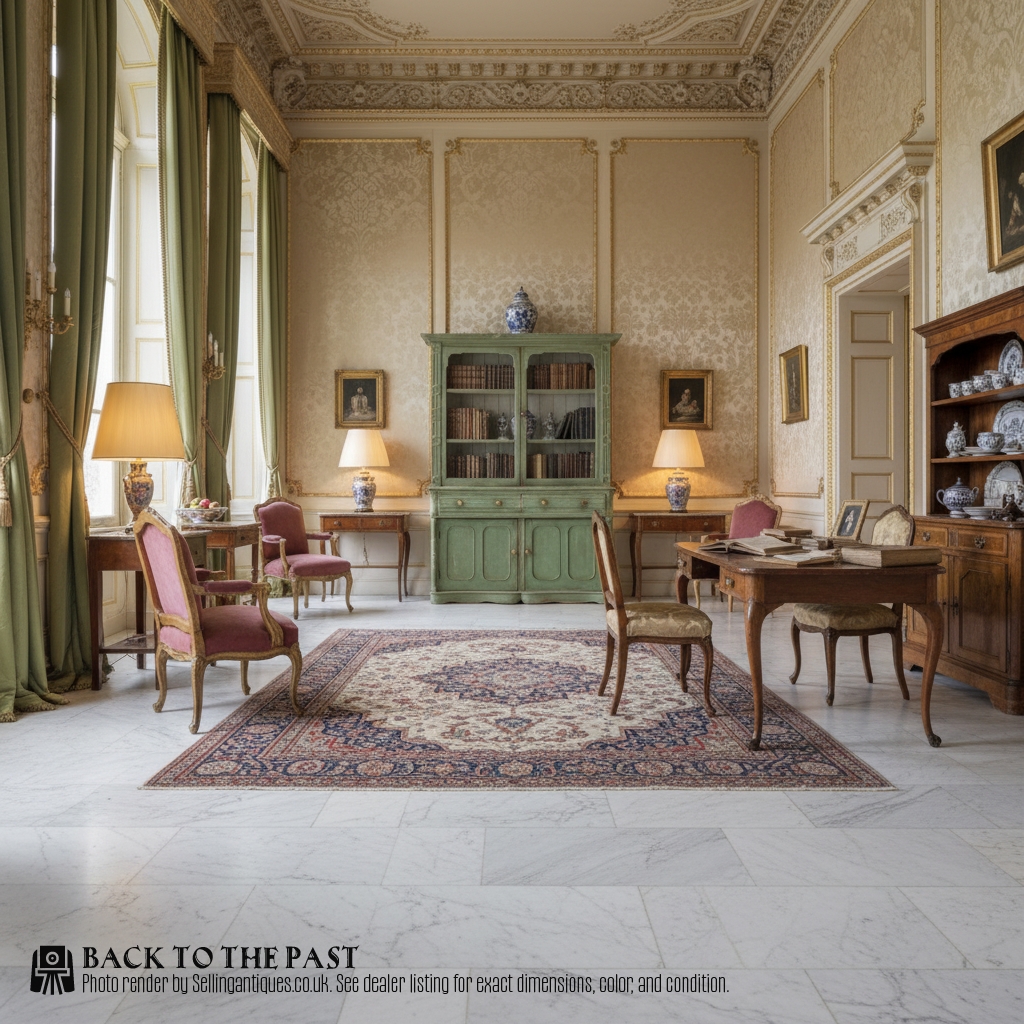
Traditional Glazed Hutch
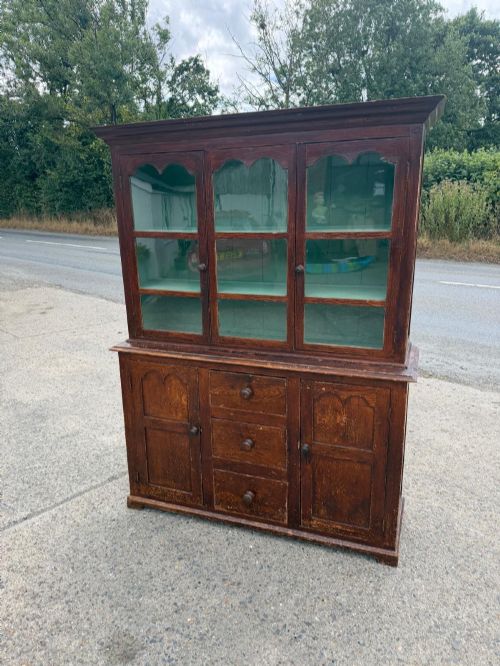
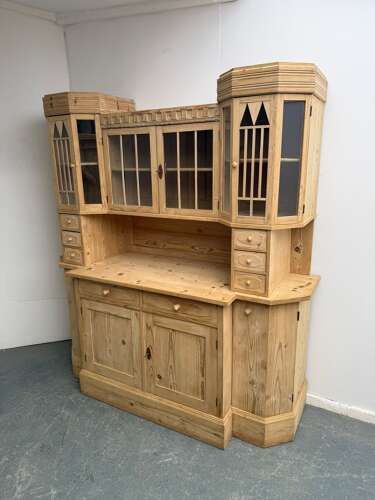
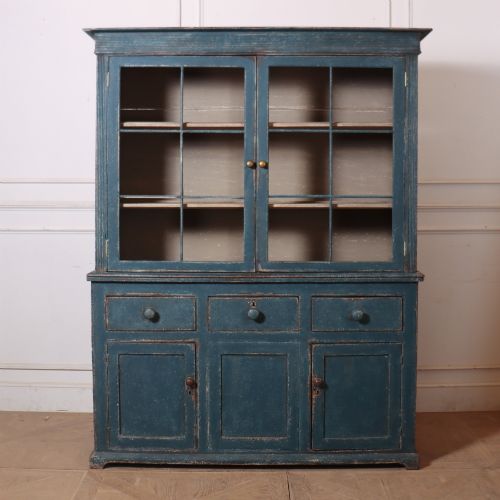
When you search for a traditional glazed hutch, you are looking at substantial storage furniture designed to display ceramics behind glass doors while keeping dining goods organised below. These pieces appear in forms such as kitchen dressers, breakfront cabinets, and two-piece display units originating from nineteenth and twentieth-century workshops.
The versions you are most likely to meet on this page lean heavily towards English country and provincial traditions. They combine open display or glass panels with cupboard doors and drawers, showing regional traits from the West Country alongside Victorian and Edwardian iterations.
Makers built these pieces for daily domestic use in farmhouse kitchens and cottage dining rooms rather than grand formal reception spaces. Their structural honesty stems from this utilitarian purpose, making them practical additions to modern rural and period interiors alike.
How they were made
Carpenters relied on sturdy domestic timbers like pine, oak, and tiger oak to build the primary carcass and shelving. These woods were either left to show their natural grain through wax finishes or coated in original paint.
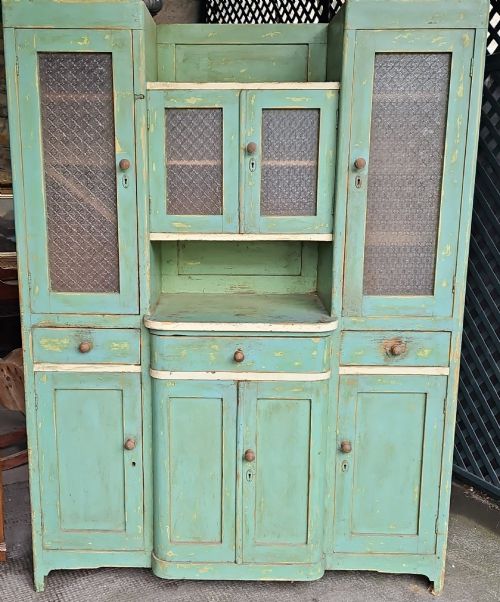
Glazing involved fitting glass panes into wooden doors, sometimes supported by lead or wire mesh to secure the display sections. Brass hardware such as hinges and handles completed the doors and drawers, adding functional metal detailing to the timber construction.
Traditional Glazed Hutch Retail Price Guide 2026
Typical asking prices for traditional glazed hutch among the pieces listed under this phrase on Sellingantiques today, from the lower quarter to the upper quarter. They describe what is for sale here now, not the wider market.
Wire mesh makes a surprise appearance behind glass, standing ready to protect country crockery from clumsy farmhouse elbows.
What varies in quality
The distinction between standard utility items and finer examples lies in timber selection and regional cabinetmaking skill. Dense tiger oak and well-figured pine show superior choice of material compared to plain utility boards.
Proportion and surface treatment also divide the range, with original painted finishes and balanced breakfront proportions commanding greater visual interest. Structural integrity in the glazed doors and drawer joints separates everyday workshop production from more considered local craftsmanship.
The Traditional Glazed Hutch Glossary
- Breakfront
- A cabinet design where the central section projects forward from the flanking outer wings. This architectural layout creates depth and shadow across the front elevation.
- Tiger oak
- Quartersawn oak timber featuring distinctive flecking and medullary rays that resemble tiger stripes. Cabinetmakers utilised this cut to highlight the natural figure of the wood.
- Glazed top
- The upper section of a dresser or cabinet fitted with glass panels to display crockery. It protects delicate ceramics from dust while keeping them visible.
- West Country
- A regional style originating from the south-west of England, associated with robust vernacular furniture. These pieces often display distinct local proportions and traditional construction methods.
Traditional Glazed Hutch: Frequently Asked Questions
What is a traditional glazed hutch used for?
These pieces function primarily as storage and display units for tableware, glassware, and kitchen provisions. The upper glass-fronted section holds decorative ceramics, while the lower cupboards and drawers store bulkier dining items.
They serve as focal points in kitchens and dining rooms, bridging the gap between practical utility furniture and decorative display cabinets.
How do I date a pine hutch?
Dating relies on examining construction marks, timber preparation, and hardware styles. Nineteenth-century examples often display hand-sawn boards and older jointing techniques.
Twentieth-century pieces tend to show more standardised machining and lighter timber framing. Comparing the handles and glass type helps narrow the manufacturing period.
Are these pieces made of solid wood?
Constructed principally from solid timbers like pine and oak, these items reflect traditional carpentry methods. Workshops utilised native woods for both structural frames and visible panels.
Secondary woods might appear in internal drawer linings or backboards, but the primary exterior surfaces remain solid timber.
How do I care for waxed pine furniture?
Maintenance involves applying a quality beeswax periodically to nourish the timber and maintain a soft sheen. Avoid placing wooden hutches near direct heat sources or damp areas.
Regular dusting with a dry cloth prevents dirt buildup on the wax finish, preserving the natural appearance of the grain.