

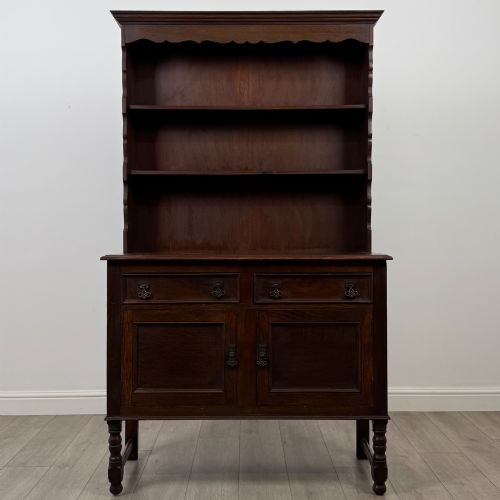
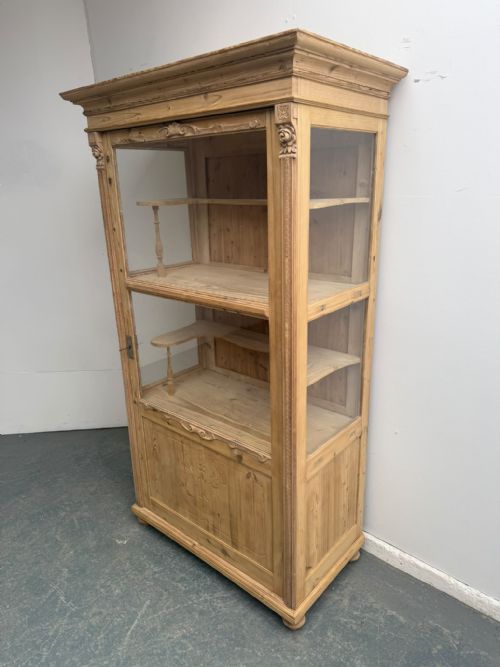
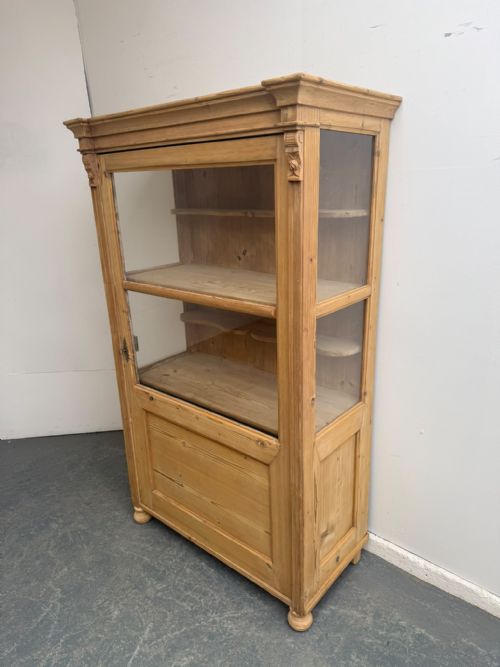


Rustic China Cabinet
These rustic china cabinet pieces bring honest country utility and glass-fronted display into a room, offering both storage and charm.
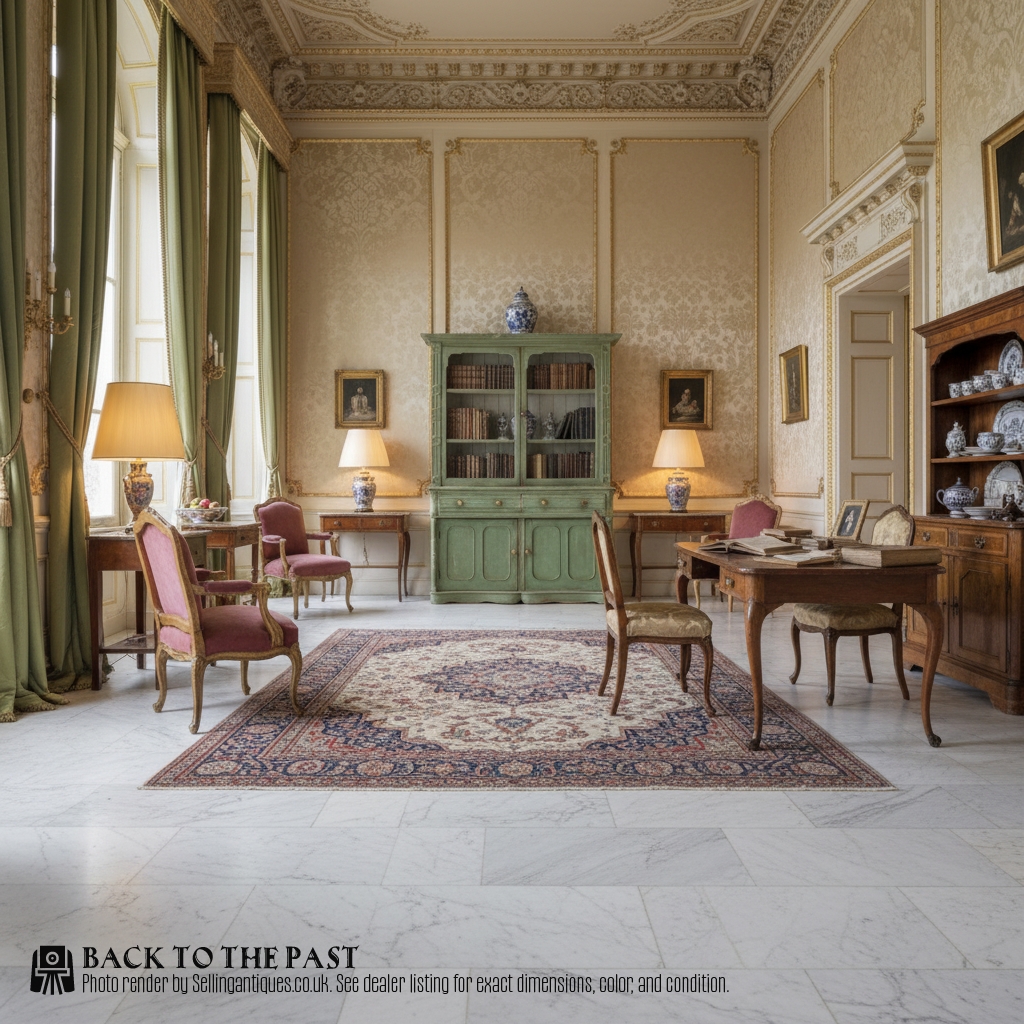
Rustic China Cabinet
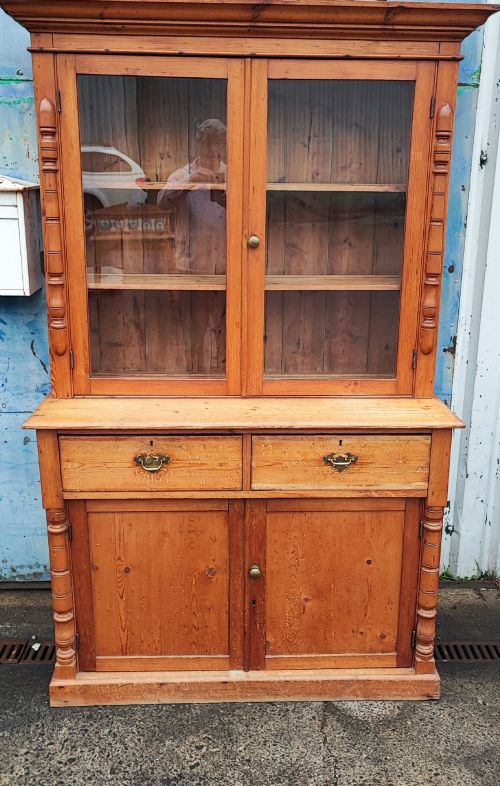
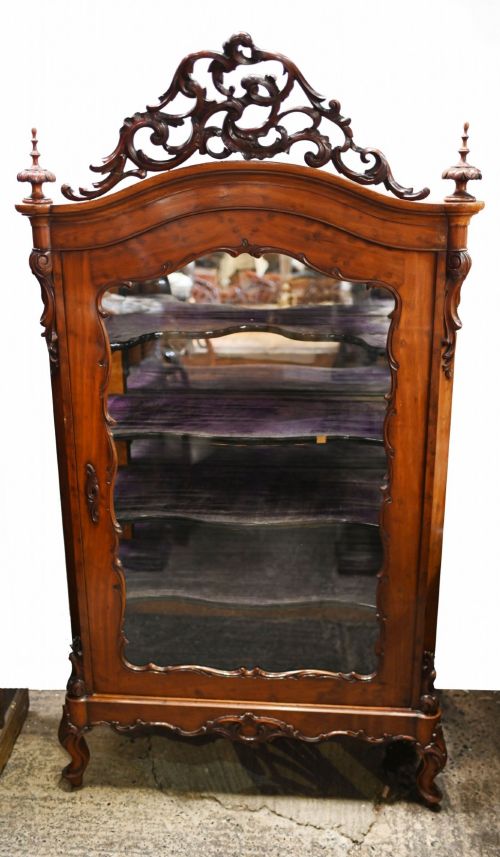
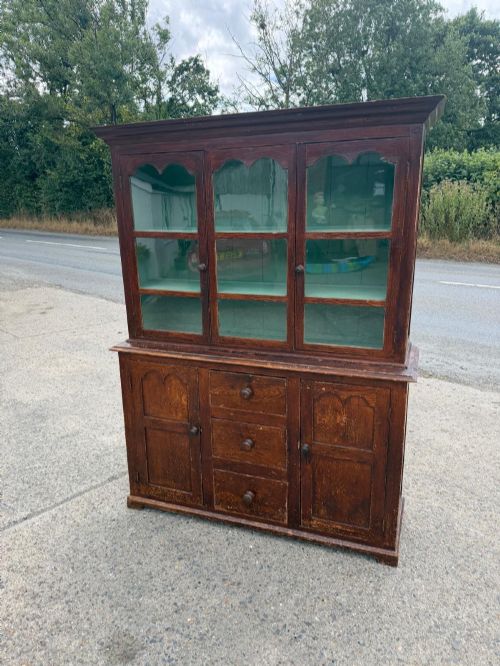
A rustic china cabinet combines the practical storage of a dresser or cupboard with the glazed display of a vitrine. When searching for a rustic china cabinet, buyers encounter forms spanning kitchen dressers, glazed bookcases, and two-piece commodes from various periods.
The pieces on this page lean heavily towards country workshops rather than metropolitan cabinet-makers. Examples range from 18th century English and French origins through Victorian pine and Edwardian oak interpretations.
Forms include both open-topped kitchen dressers with glazed upper sections and dedicated display cabinets with glass doors. The construction prioritises domestic utility, straightforward joinery, and visible timber grain over ornate veneer work.
How they were made
Makers relied primarily on native timbers such as pine, pitch pine, oak, and mahogany for the main carcasses and shelving. These woods were often left waxed, stripped to the bare grain, or finished in painted timber schemes appropriate to provincial domestic settings.
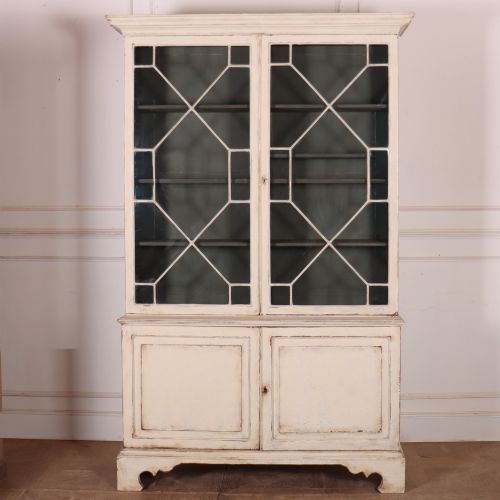
Glazing bars hold the glass panes securely within the cabinet doors, allowing china and earthenware to remain visible while protected from dust. Brass or iron hardware, including hinges and latches, provides functional fastening across the doors and drawers.
Rustic China Cabinet Retail Price Guide 2026
Typical asking prices for rustic china cabinet among the pieces listed under this phrase on Sellingantiques today, from the lower quarter to the upper quarter. They describe what is for sale here now, not the wider market.
Several pieces arrive ready to wax or paint, offering an open invitation for a domestic makeover.
What varies in quality
Quality rests in the architectural proportions of the piece and the integrity of the original timber. Cabinets that retain their untouched surface patination or honest period paint layers hold greater visual cohesion than those altered heavily over time.
The crispness of the glazing bar arrangement and the weight of the timber used for the base structure dictate the overall robustness. Finer provincial examples demonstrate careful attention to the fit of the doors and the balance between the glazed upper display and the enclosed lower storage.
The Rustic China Cabinet Glossary
- Glazed
- Fitted with glass panels to enclose shelving while keeping contents visible. This term appears frequently in descriptions of display cabinets and bookcase tops.
- Dresser
- A domestic piece combining lower cupboards or drawers with upper shelving or a glazed cabinet. Welsh dressers and kitchen dressers fall into this traditional category.
- Vitrine
- A glass-fronted cabinet designed specifically for displaying fine objects or china. French examples often pair this form with a lower commode base.
- Pitch pine
- A resinous, durable softwood utilised widely in nineteenth-century cabinet-making. It yields a pronounced grain pattern when waxed or stripped.
- Commode
- A low-standing set of drawers or a cabinet piece. In two-piece regional furniture, it often serves as the supportive base beneath an upper vitrine.
Rustic China Cabinet: Frequently Asked Questions
How were these cabinets used?
Families utilised them in kitchens and dining rooms to store everyday earthenware alongside prized china and glassware.
The glazed upper sections kept dust away from tableware while letting the household display their best plates and vessels.
How do I date a cabinet?
Dating relies on observing construction methods, timber types, and stylistic cues recorded across the eighteenth and nineteenth centuries.
Early pieces often display hand-planed surfaces and regional joinery traits distinct from later Victorian and Edwardian examples.
How should I live with one?
Position the cabinet against a stable wall in a dining space or kitchen where its depth and height fit the room.
Keep the timber nourished with appropriate wax finishes and avoid placing the piece in direct, harsh sunlight.