


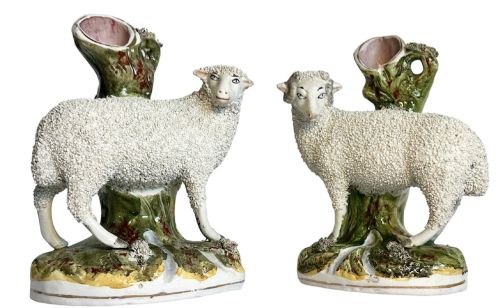

Glazed Ceramic Ornament
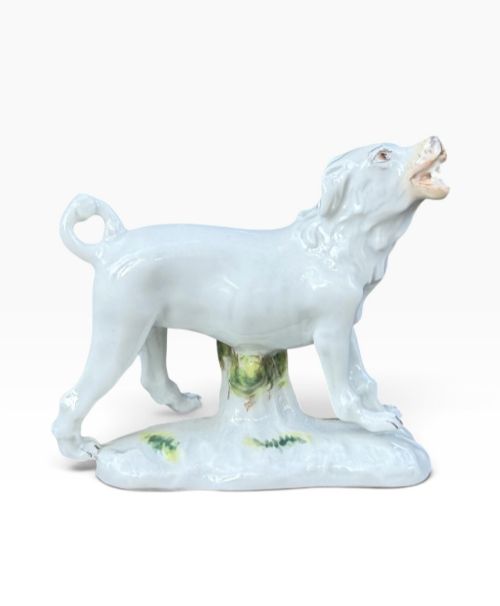
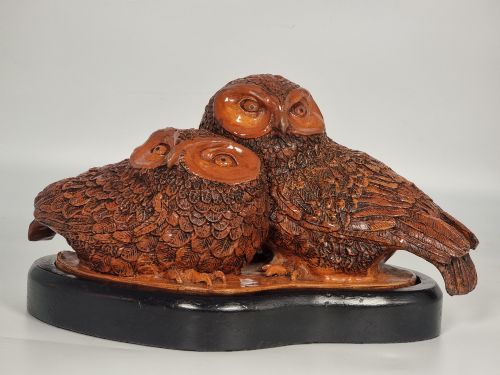
A glazed ceramic ornament brings character to a room through modelled animal and human forms finished in lustrous surface coats.
Glazed Ceramic Ornament
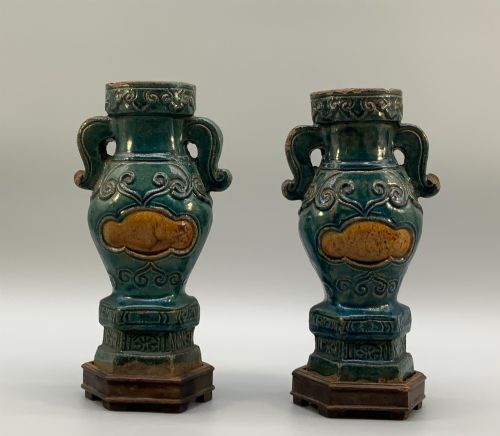
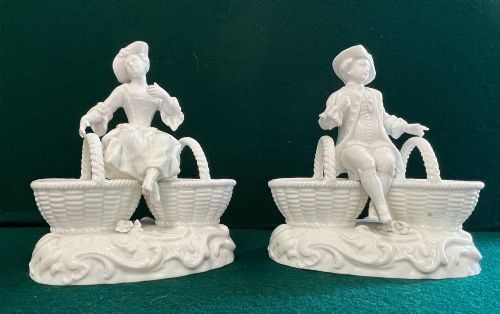
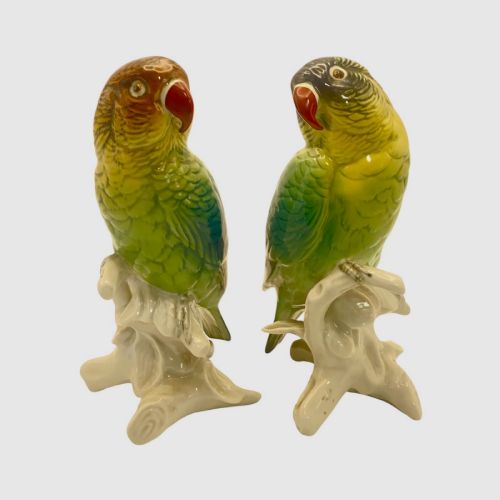
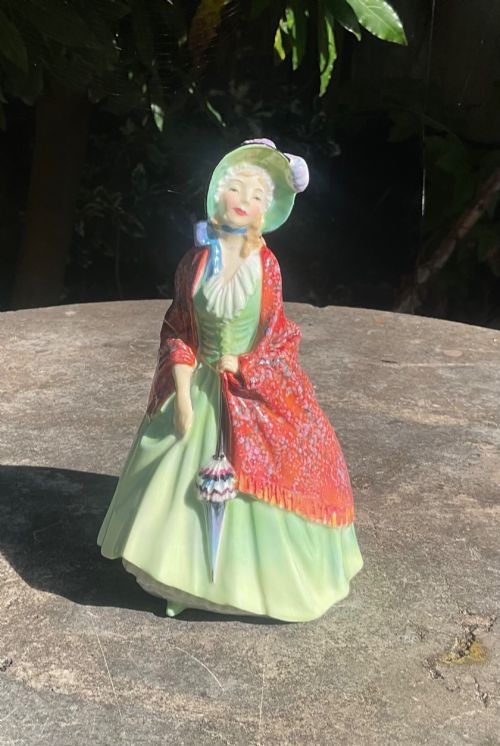
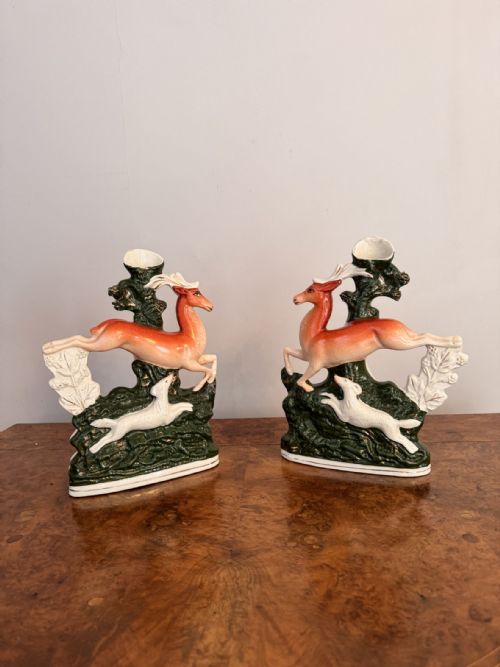
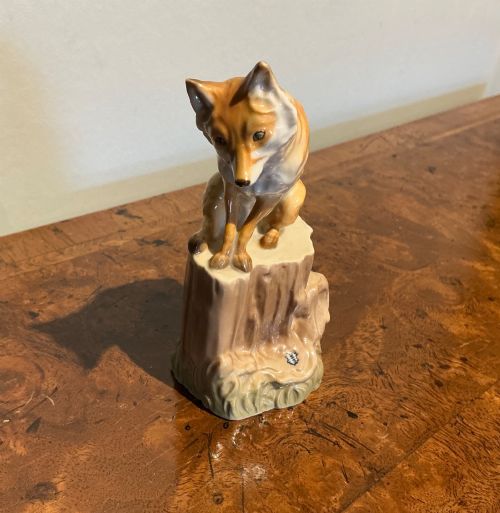
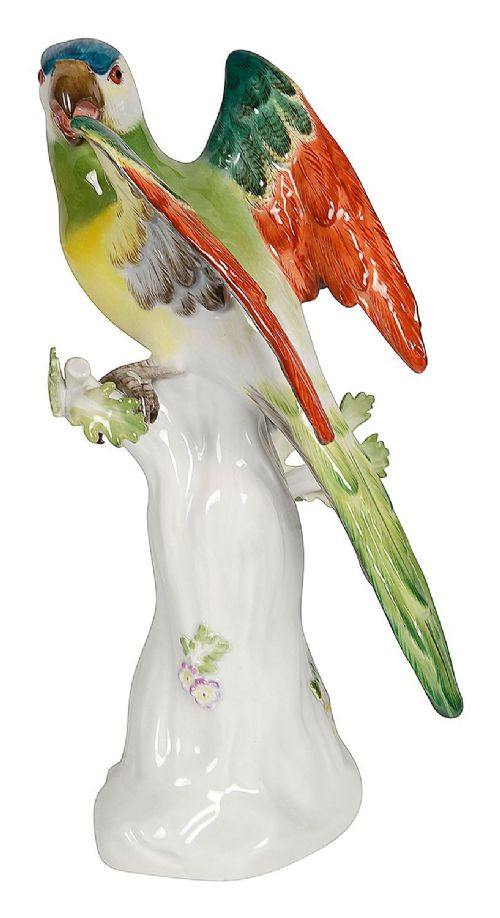
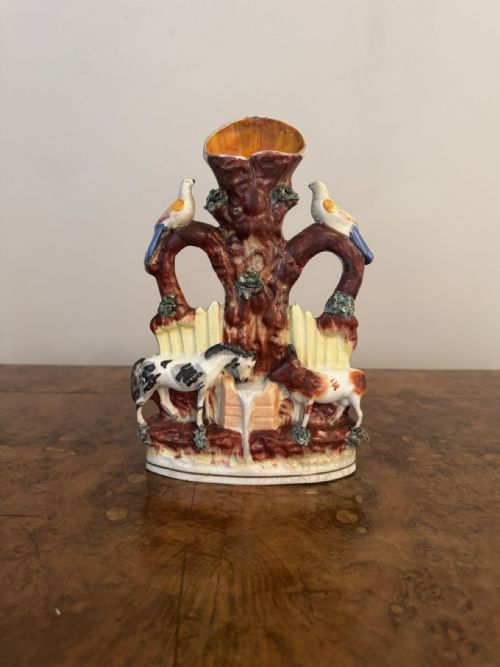
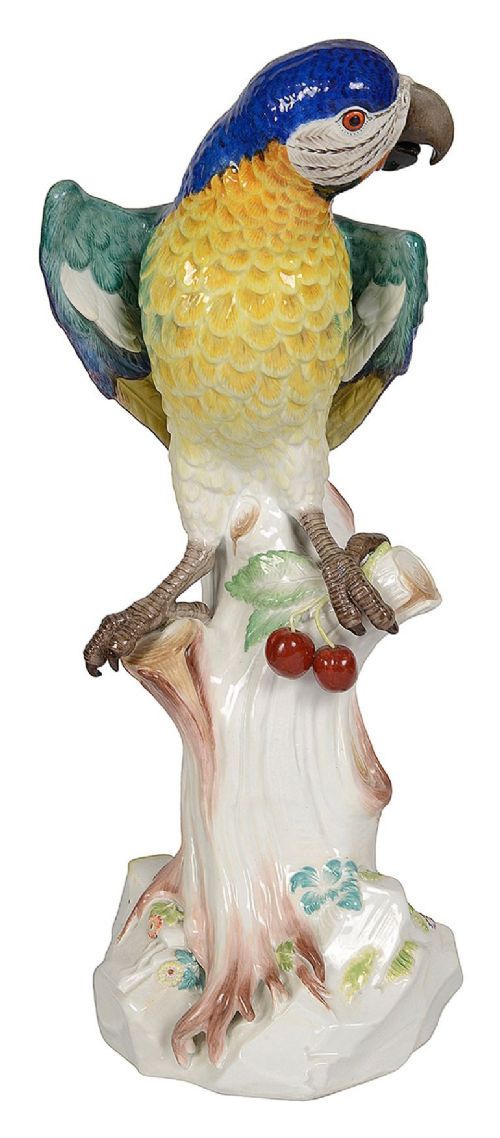
A glazed ceramic ornament encompasses moulded and hand-modelled figures, spill vases, and decorative objects designed to catch the eye. When searching for a glazed ceramic ornament, collectors encounter numerous Staffordshire earthenwares, Meissen porcelains, and Royal Doulton figures spanning the nineteenth and twentieth centuries.
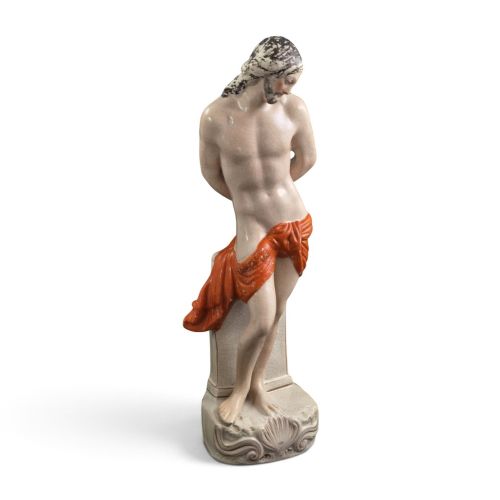
The selection ranges from Victorian portrait figures and Staffordshire dogs to Japanese Arita figures and French earthenware figurines. Animal pairs, literary characters, and historical portraits dominate the forms seen across these periods.
Makers from various European and Asian traditions utilised distinct clays and glazes to shape these decorative ornaments. Buyers frequently discover earthenware and porcelain pieces featuring hand-painted enamel details alongside monochrome lead glazes.
How they were made
Potters shaped these figures using earthenware, stoneware, hard paste porcelain, and pearlware bodies, often pressing clay into moulds or sculpting it by hand. Artisans then applied lead glazes, enamel colours, and cobalt blue pigments before firing the pieces in kilns.
What varies in quality
The precision of the modelling and the crispness of the mould stamping distinguish finer works from standard production pieces. Skilled painters achieved greater subtlety in flesh tones, facial expressions, and enamel application on superior figures.
Preservation of the original glaze and enamel surface heavily influences the desirability of an ornament. Pieces retaining their vibrant colours without excessive rubbing or crazing represent the upper tier of what is available.
Karl Ens·Royal Doulton·Meissen·Charles Vyse·Berthe Savigny
The Glazed Ceramic Ornament Glossary
- Earthenware
- A porous pottery body fired at lower temperatures, typically requiring a glaze to achieve impermeability. Most nineteenth-century Staffordshire figures utilise this material.
- Spill vase
- A hollow ceramic tube attached to a figure, designed to hold wooden spills for lighting candles or fires. These practical ornaments frequently depict animals or rural scenes.
- Pearlware
- A refined earthenware developed in the late eighteenth century featuring a bluish glaze that pooled in recesses. It bridges the gap between creamware and later white earthenwares.
- Hard paste porcelain
- A dense, vitrified ceramic composed of kaolin and petuntse, fired at very high temperatures. European factories such as Meissen and Derby utilised this durable composition.
- Flatback
- A Staffordshire figure modelled primarily for display against a wall, with an unadorned, flat reverse side. These pieces became common during the Victorian period for mantelpiece placement.
Glazed Ceramic Ornament: Frequently Asked Questions
What is a spill vase?
A spill vase combines a decorative figure with an attached hollow cylinder meant for holding wooden taper sticks. These items sat on mantelpieces to provide a handy flame for pipes and candles.
Victorian homes used them widely before matches became common household items. They often depict dogs, sheep, or human figures standing beside the vertical tube.
How do I identify Staffordshire figures?
Staffordshire figures usually present as earthenware or pearlware pieces featuring hand-painted enamel colours over a glossy glaze. Many nineteenth-century examples depict portrait subjects, literary heroes, or domestic animals.
Examining the base often reveals flat unglazed areas or ventilation holes typical of early Staffordshire production methods. The modelling tends to be robust rather than refined.
What does hard paste porcelain mean?
Hard paste porcelain is a true porcelain made from natural clay and rock, fired at extremely high kiln temperatures. This process creates a vitrified, non-porous body that resists scratching.
European factories like Meissen adopted this material to produce durable figurines with crisp details. The resulting glaze bonds permanently with the ceramic body during firing.
Where were flatback figures displayed?
Flatback figures were designed to stand directly against a wall or shelf edge rather than in the round. Potters left the reverse side unmodelled and unpainted to save time and material.
Victorian households placed these ornaments on mantelpieces and high ledges where viewers only saw the front. This style became standard for many nineteenth-century Staffordshire portrait pieces.