



Giltwood Wall Art
These pieces of giltwood wall art bring period character and warm, reflective light to a room through centuries-old frames and glazed works.
Giltwood Wall Art
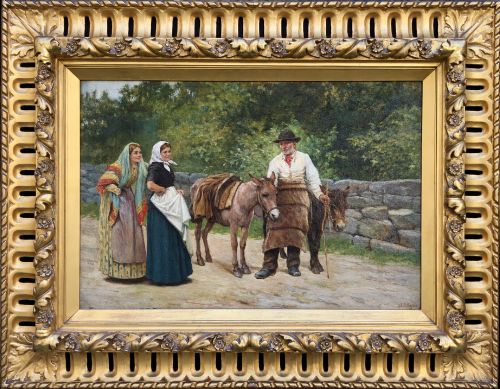
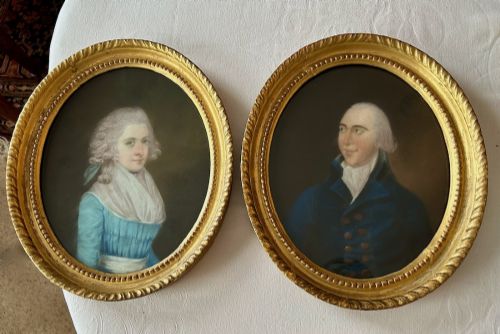
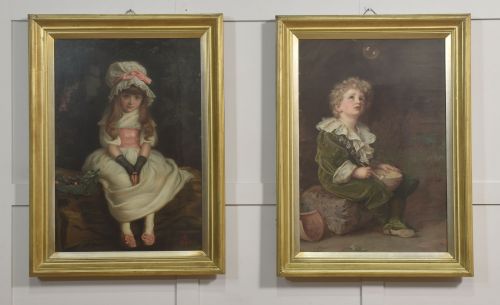
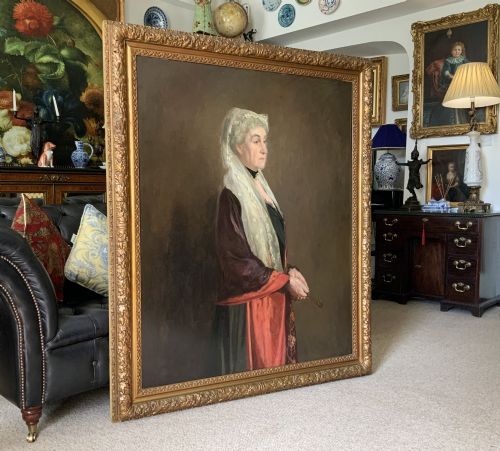
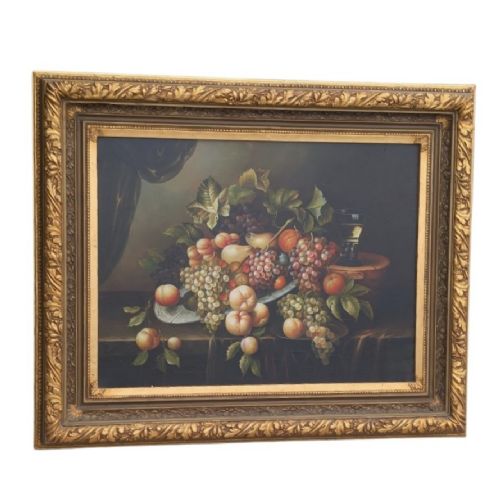
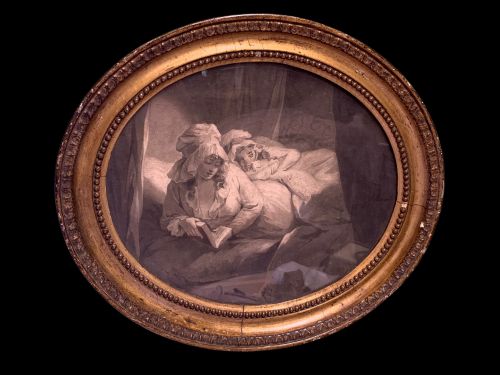
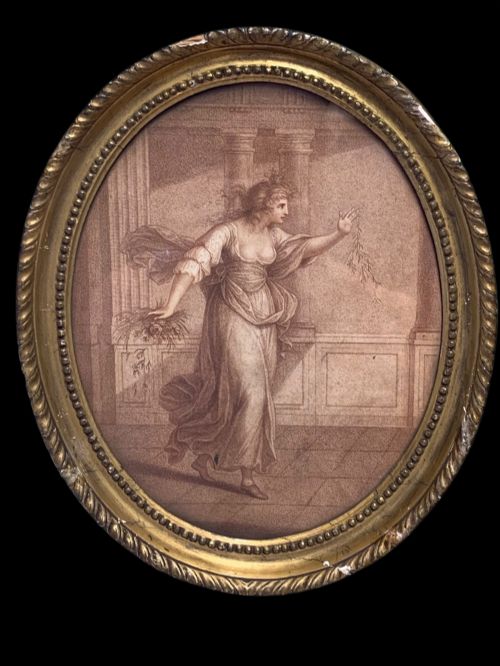
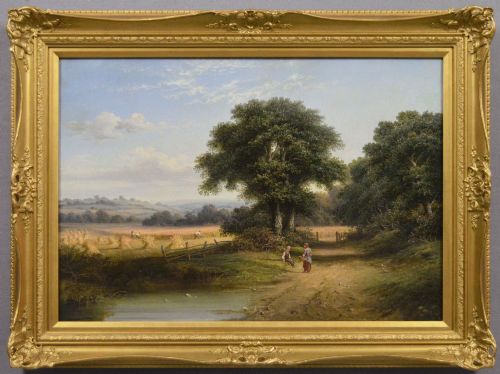
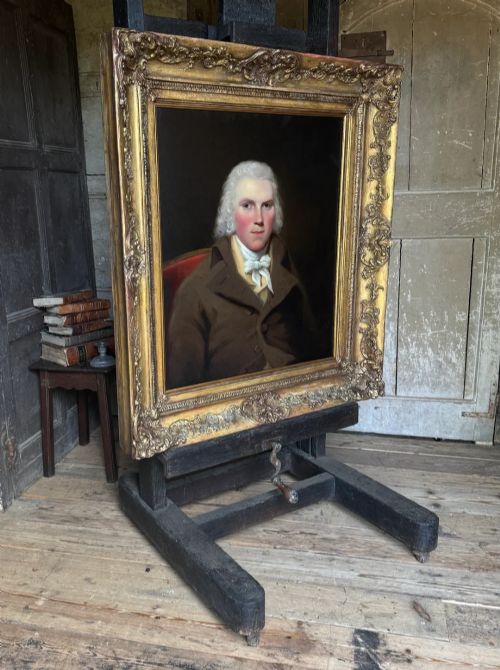
When searching for giltwood wall art, a buyer encounters a diverse selection of framed works, including oil paintings, pastels, engravings, and mirrors originating from the seventeenth to the early twentieth century. The most common versions met on this page are nineteenth-century and eighteenth-century portraits and landscapes housed in ornate wooden frames.
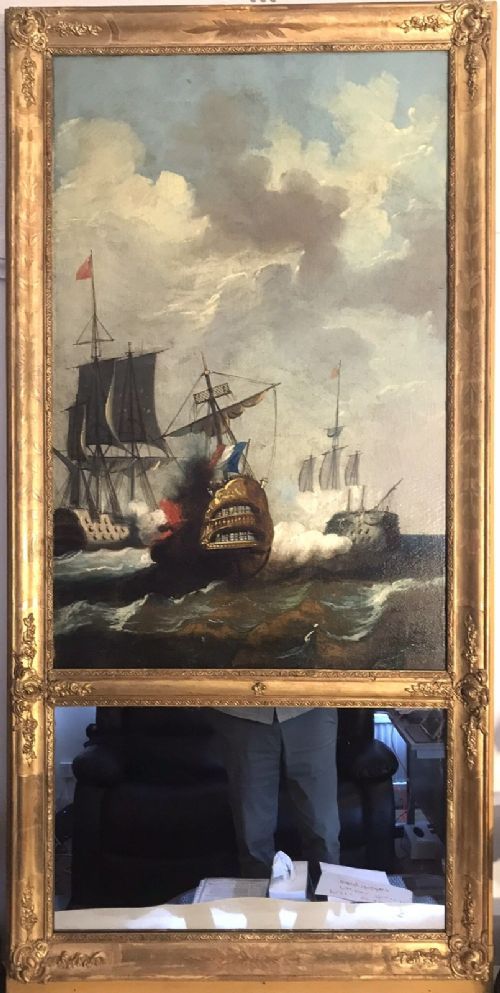
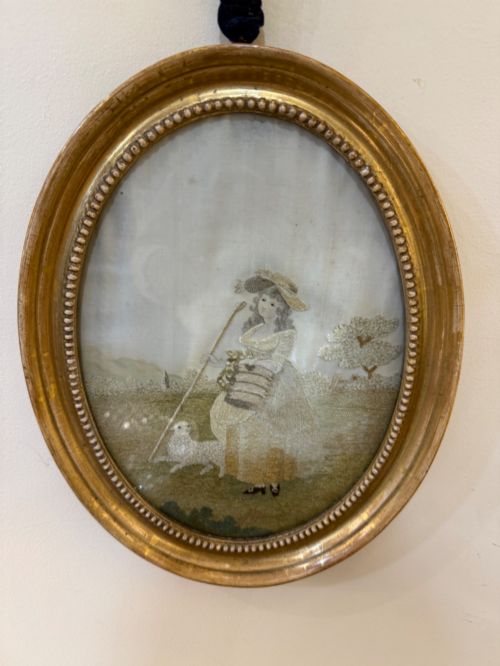
The objects bridge the gap between decorative furnishing and historical fine art, spanning Georgian, Victorian, Edwardian, and Regency periods. Pieces range from grand maritime scenes and classical Italian school subjects to delicate reverse glass prints and silk works.
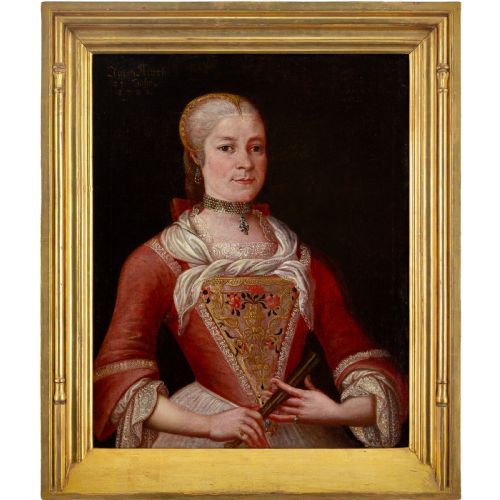
The selection encompasses both English and continental European craftsmanship, featuring Italian mirrors, Spanish Baroque portraits, and Scottish school paintings. Each item functions primarily as a focal point for interior display, combining pictorial subject matter with decorative framing.
How They Were Made
Makers constructed the primary supports using timber, canvas, glass, and paper, applying traditional joinery and stretching methods suited to each specific era. Oil on canvas, pastel on paper, and reverse glass painting represent the primary media recorded in the evidence.
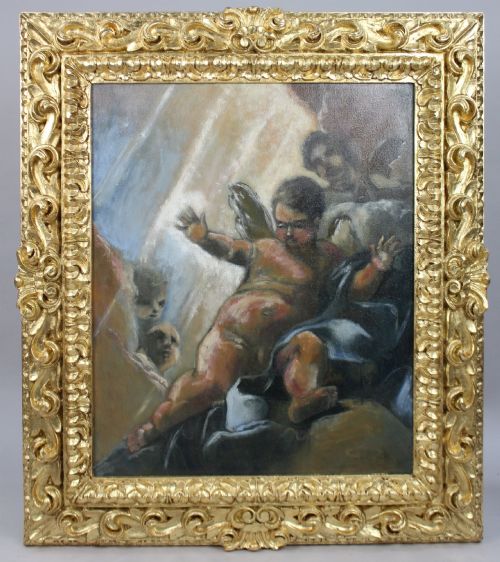
Carved wooden frames received coats of gesso to smooth the surface before the application of gold leaf or gilt finishes. This gilding technique created the characteristic metallic sheen that defines the category across centuries of production.
Several pieces preserve the likenesses of historical figures, ranging from seventeenth-century royalist officers in armour to eighteenth-century abbés.
What Varies in Quality
The calibre of a piece rests heavily upon the skill evident in the hand-carved detail of the wooden frame and the artistic mastery of the central artwork. Fine Italian cartouche mirrors and detailed seventeenth-century portraits demonstrate superior sculptural depth and draughtsmanship compared to later mass-produced items.
The preservation of the original gold leaf and gesso surface dictates the visual integrity of the frame over time. Pieces retaining their untouched period surfaces command greater appreciation than those with heavy modern regilding or extensive restoration.
Maurice Quentin de la Tour·Edouard Pingret·Benjamin Barker of Bath·Walter Heath Williams·Sir Anthony van Dyck·Edgar Hunt·Thomas Gainsborough·Robert Cleminson·Renato Moretti·Emily Eyres·T C Hofland·Jean-Baptiste van Loo·Thomas Kent Pelham·Charles Edward Wilson
The Giltwood Wall Art Glossary
- Giltwood
- Wood that has been coated with gold leaf or a gold-coloured metallic finish. This material forms the decorative border or structural frame for many historic mirrors and artworks.
- Gesso
- A plaster-like mixture applied to wooden frames as a prepared base before gilding. It allows craftsmen to carve intricate relief details onto the surface.
- Cartouche
- An ornamental frame or tablet resembling a scroll or unfurled roll of parchment. These shapes often feature in decorative eighteenth-century and nineteenth-century mirror designs.
- Reverse Glass Print
- An image applied directly to the back of a glass panel for viewing from the front. This technique produced glossy, protected prints popular during the Georgian and Regency eras.
- Intaglio
- A gem or other material with a design cut into the flat surface so that the impression depresses below the plane. Collectors prize these carved classical motifs for their miniature detail.
Giltwood Wall Art: Frequently Asked Questions
What periods do these pieces span?
The collection spans multiple centuries, with items originating from the seventeenth century through to the early twentieth century. Key periods represented include the Georgian, Regency, Victorian, and Edwardian eras.
Buyers will also find specific stylistic influences such as the Baroque period, Italian schools, and nineteenth-century classical designs.
How are giltwood frames cleaned?
Historic gilt surfaces require extremely gentle maintenance to protect the fragile gold leaf and underlying gesso layers. Dusting should be done lightly with a soft, dry brush without applying moisture or commercial cleaners.
Harsh chemical agents or excessive rubbing can strip the metallic leaf entirely, so professional conservation advice is recommended for deeper cleaning.
Are the paintings and frames original to each other?
Many listings feature period frames that have housed their respective artworks for centuries, preserving the intended aesthetic of the maker. Some pieces specifically note their original period framing in the description.
Due to the long history of these items, certain artworks have been paired with complementary antique frames from the same era to match their stylistic origins.
What subjects are commonly depicted?
Portraits form a significant portion of the artworks, ranging from nobility and military officers to children and historical figures. Landscapes, maritime scenes, and botanical vase studies also feature prominently among the paintings and prints.
Decorative mirror frames often incorporate architectural motifs, floral carvings, or sunburst designs intended to catch and reflect light.