
Gilt Porcelain Urn Vase
These gilt porcelain urn vases combine gleaming metallic decoration with ceramic forms, bringing decorative elegance to any interior.
Gilt Porcelain Urn Vase
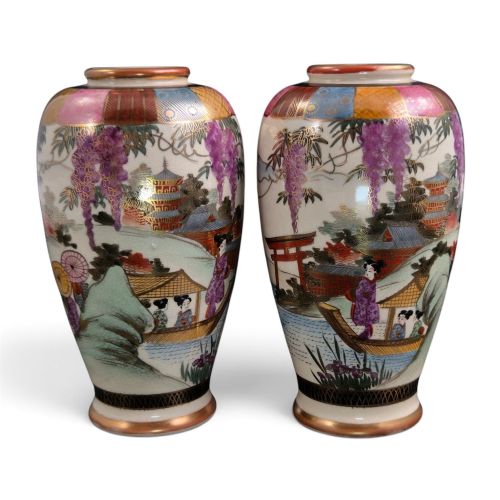
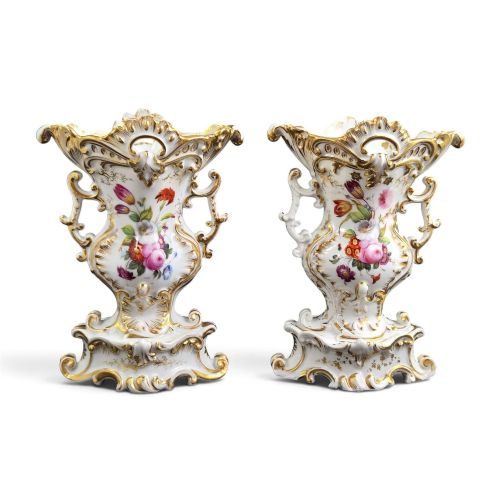
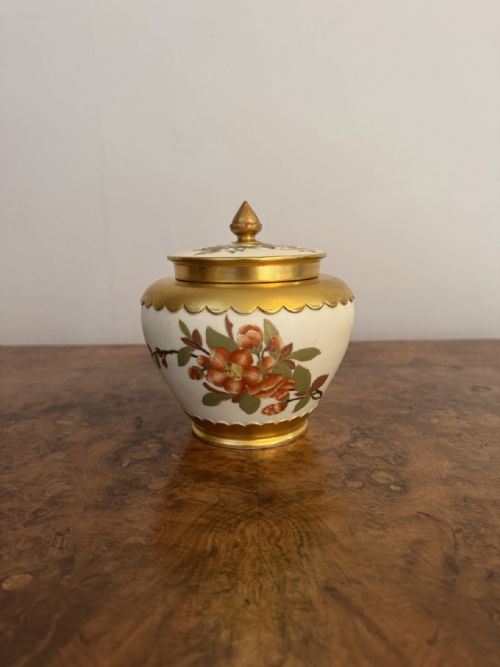
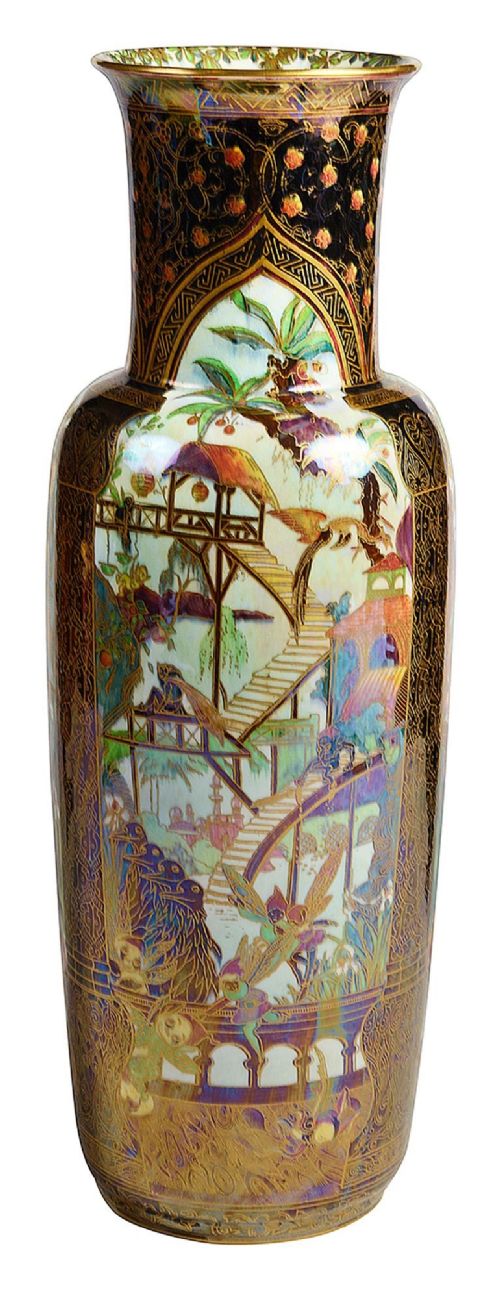
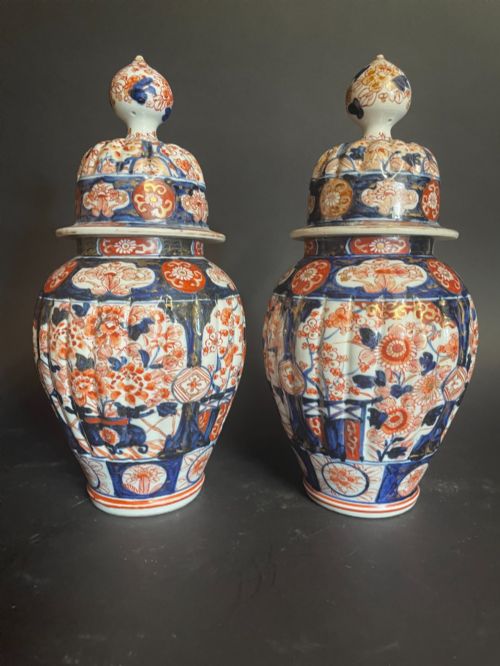
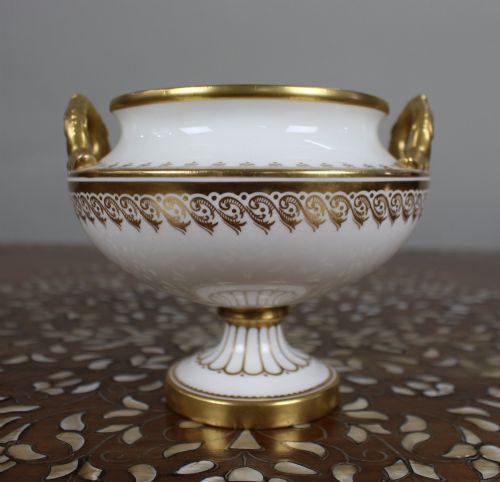
A gilt porcelain urn vase merges ceramic bodies with metallic embellishments, creating an ornamental vessel designed to command attention on a mantelpiece or side table. When exploring this selection, buyers most frequently encounter nineteenth-century English and French examples, alongside Japanese porcelain and earthenware pieces from the Meiji period. Forms range from twin-handled campana shapes to lidded potpourri pots and converted table lamps.
The objects span Georgian, Regency, Victorian, and Edwardian eras, incorporating styles such as French Rococo Revival, Neoclassical, and Art Deco. British factories like Worcester, Spode, and Derby sit alongside continental makers like Sèvres and Samson Paris, plus Japanese Satsuma and Imari workshops. These pieces served primarily as display items in formal reception rooms rather than functional vessels.
Materials and technique
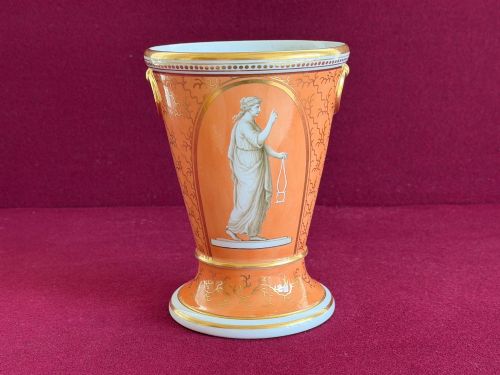
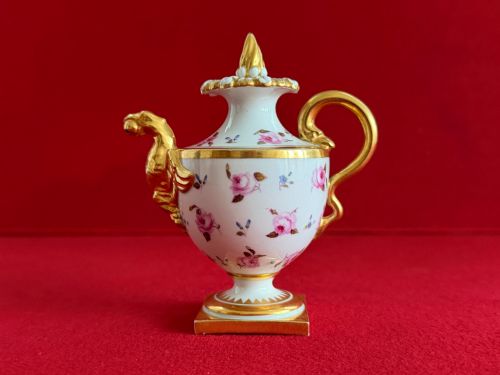
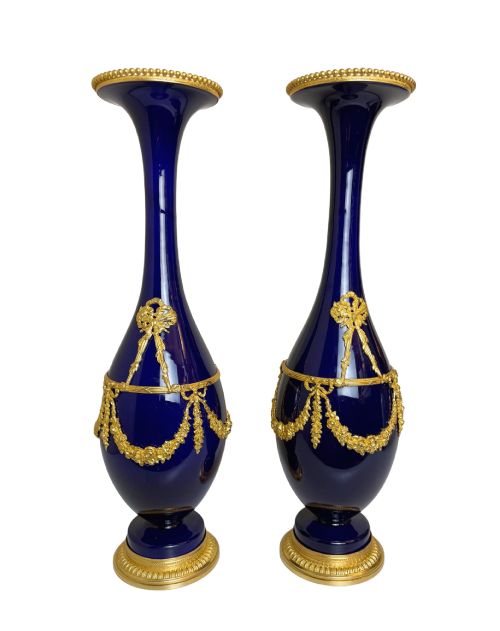
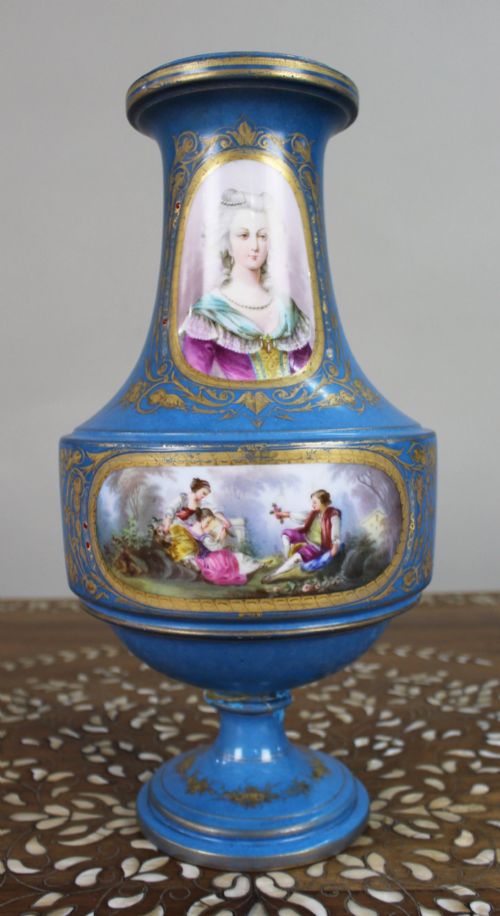
Makers shaped ceramic bodies from porcelain, ironstone, or earthenware, often applying rich cobalt blue, blush ivory, or turquoise ground colours before hand-painting floral, landscape, or figural scenes. Gilding was applied using gold leaf or liquid gold preparations, which workers then burnished to achieve a brilliant shine against the matt or glossy ceramic surface.
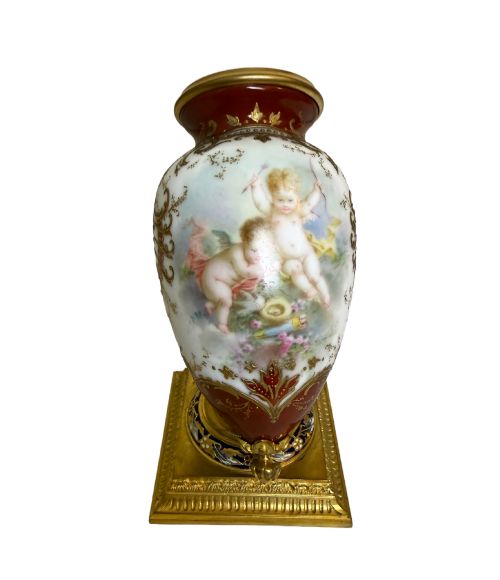
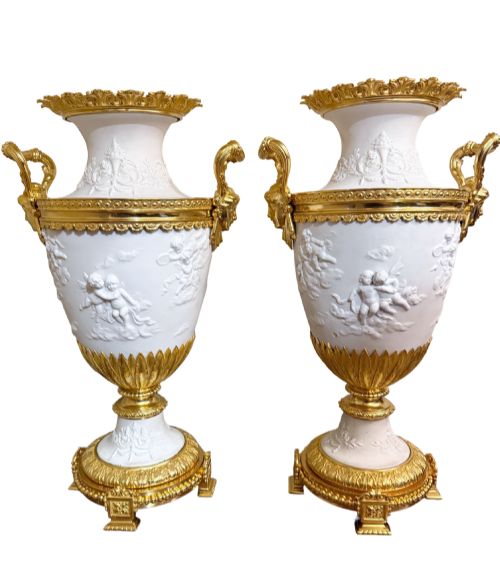
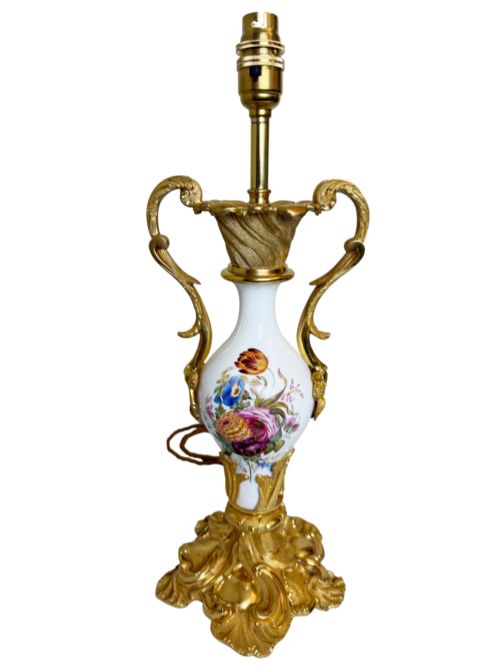
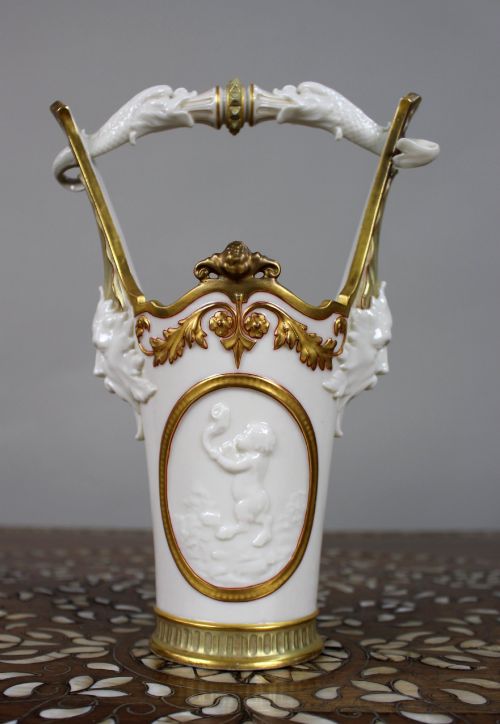
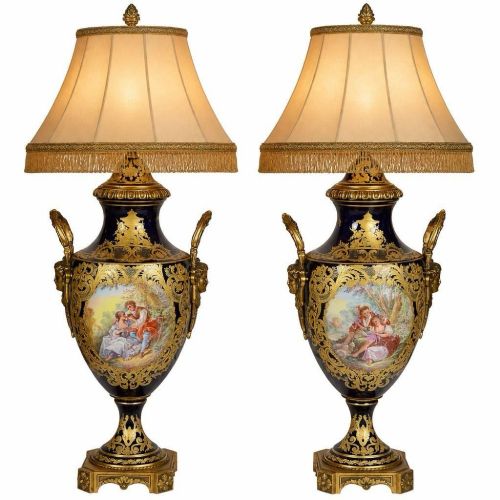
Many French and English ceramic bodies incorporate cast gilt bronze or ormolu mounts, trims, and handles that frame the porcelain panels. These metal elements required skilled casting, chasing, and assembly to fit securely around the ceramic contours without causing damage during firing or handling.
Several Victorian and Edwardian decorators eagerly converted grand porcelain urns into glowing table lamps to brighten dim sitting rooms.
Factors of quality
Quality rests upon the crispness of the hand-painted details and the purity of the ceramic body, where finer porcelain allows for thinner walls and more delicate handling of handles and rims. Superior pieces display precise brushwork in floral panels or Watteau scenes, whereas lesser examples rely on transfer printing or thicker, simpler ground colours.
The integration of metal mounts also dictates standard, with finely chased ormolu or gilt bronze fittings sitting flush against the ceramic vessel. Heavier, more substantial potting combined with securely anchored handles and crisp gilding distinguishes exhibition-grade pieces from standard production items.
Flight and Barr·Jacob Petit·Royal Worcester·Wedgwood·Helena Wolfsohn·Chelsea Porcelain
The Gilt Porcelain Urn Vase Glossary
- Ormolu
- Gilded bronze mounts and decorative trimmings applied to ceramic vessels. This technique was widely utilised by French and English makers to add architectural structure and metallic contrast.
- Campana
- A bell-shaped vase form popular during the Georgian and Regency periods. These vessels typically feature flared rims and twin handles rising from the lower body.
- Imari
- A style of Japanese export ceramics featuring dense patterns in iron red, cobalt blue, and gold. European factories frequently copied these distinct colourways during the nineteenth century.
- Bleu Céleste
- A bright turquoise blue glaze developed at the Sèvres porcelain factory. This colour serves as a rich background for gilt decoration and hand-painted reserves.
- Potpourri
- A lidded vessel perforated to release the scent of dried flowers and spices kept inside. These decorative pots often feature elaborate handles and painted panels.
Gilt Porcelain Urn Vase: Frequently Asked Questions
How were these urn vases used historically?
These vessels functioned primarily as ornamental centrepieces in drawing rooms and parlours, displayed on mantelpieces, pedestals, or pier tables to demonstrate household refinement. Lidded versions occasionally held potpourri to scent the air of formal reception spaces.
Over time, many of these ceramic urns were adapted into functional lighting by converting them into table lamps, allowing them to remain useful in modern domestic interiors.
How do I identify a Georgian piece?
Georgian examples, spanning the late eighteenth and early nineteenth centuries, typically display refined neoclassical proportions, hand-painted botanical or landscape panels, and restrained gilding. Factories like Worcester and Derby produced these pieces with distinct paste characteristics and specific baseline marks.
Examining the footrim, glaze pooling, and interior construction helps distinguish these early ceramic bodies from later Victorian reproductions and continental copies.
What is the difference between Satsuma and Imari?
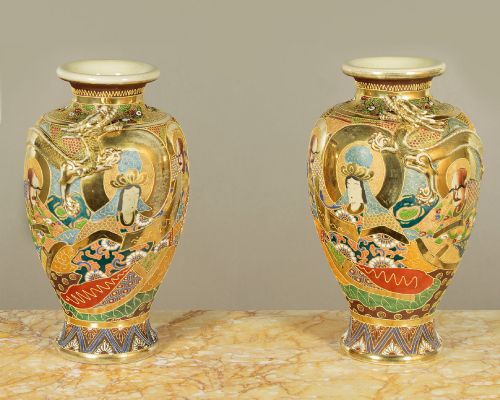
Satsuma wares feature a distinctive ivory-crackled earthenware body decorated with fine polychrome enamel and heavy gold leaf, frequently depicting figures, landscapes, or wisteria. These pieces originate from Japanese workshops primarily active during the Meiji period.
Imari ceramics utilise a hard porcelain or ironstone body painted in a strict palette of underglaze cobalt blue, iron red, and gilt highlights, following traditional Japanese export designs.
Can I use these vases for fresh flowers?
Most of these antique vessels are designed strictly for dry display or decorative impact rather than holding water. Placing moisture inside antique earthenware or early porcelain risks damaging the internal glaze, the ceramic body, or historic metallic mounts.
If a piece has a fitted metal liner or was originally made as a jardinière, careful use with a protective inner container is occasionally possible, though dry styling remains the safest approach.