
Antique Porcelain Urn Vase
When hunting an antique porcelain urn vase, discerning collectors seek decorative vessels bridging functional form and classical design across European and Asian traditions.
Antique Porcelain Urn Vase
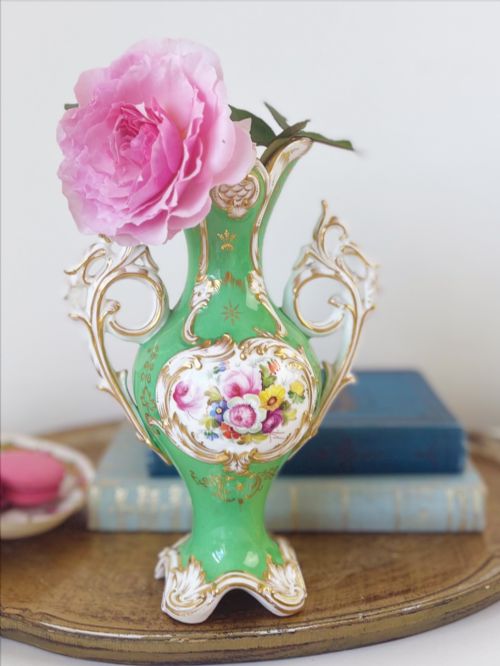
The antique porcelain urn vase category encompasses decorative ceramic vessels, lidded jars, potpourri pots, and table lamps produced across the nineteenth and early twentieth centuries. These objects reflect diverse aesthetic movements, including French Neoclassical, Rococo Revival, Victorian, and Japanese Meiji period styles.
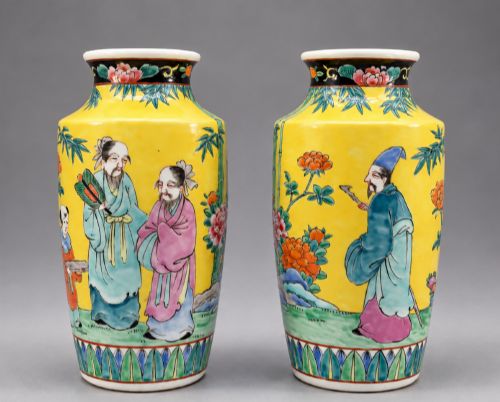
Buyers will encounter various forms on this page, ranging from petite cabinet vases and ginger jars to large floor-standing vessels and twin-handled urns. English, French, Austrian, and Asian manufactories dominate the selection, showing both classical European porcelain traditions and intricate Eastern hand-painted designs.
How they were made
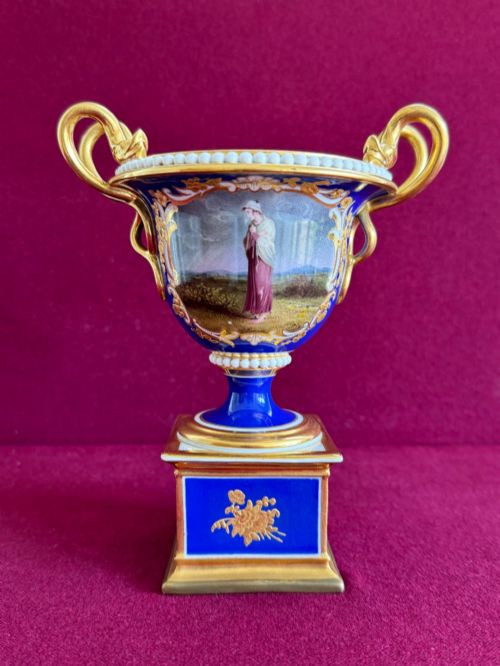
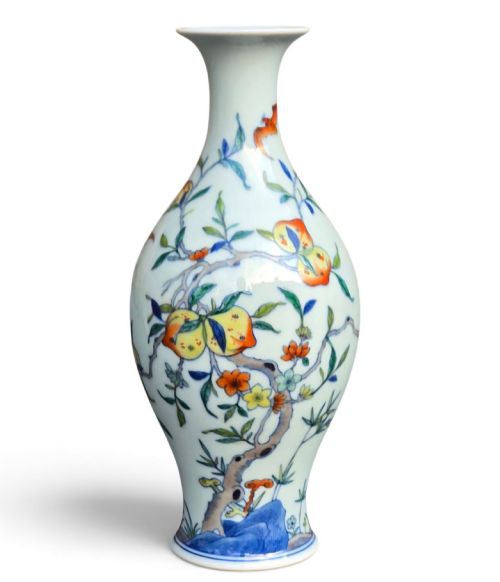
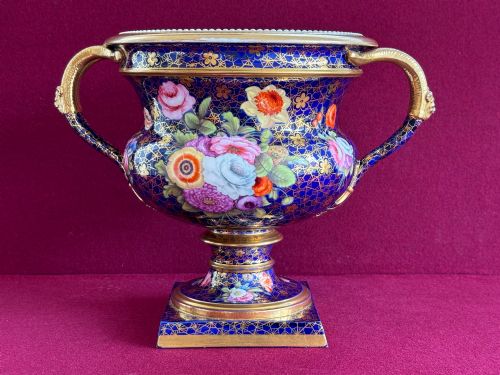
The creation of these vessels involved throwing or casting fine ceramic clay and porcelain bodies, which were then painted with enamel colours and fired to set the glaze. Artisans applied gold leaf, gilding, and gilt bronze mounts to accentuate handles, rims, and bases.
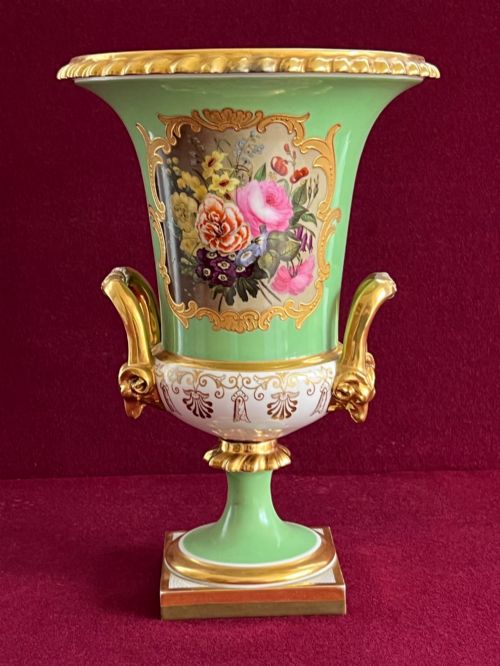
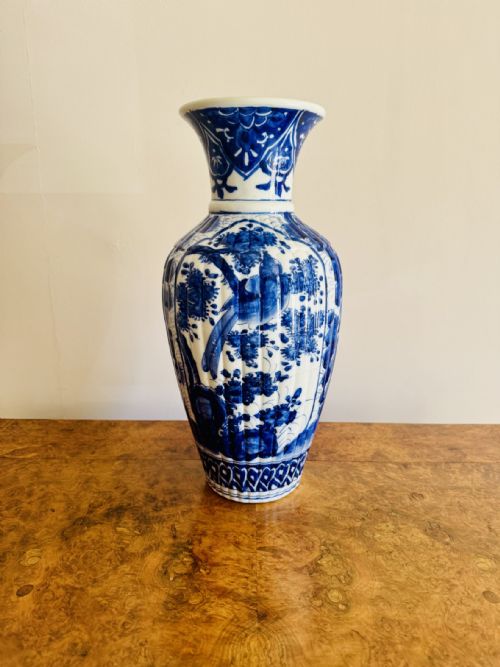
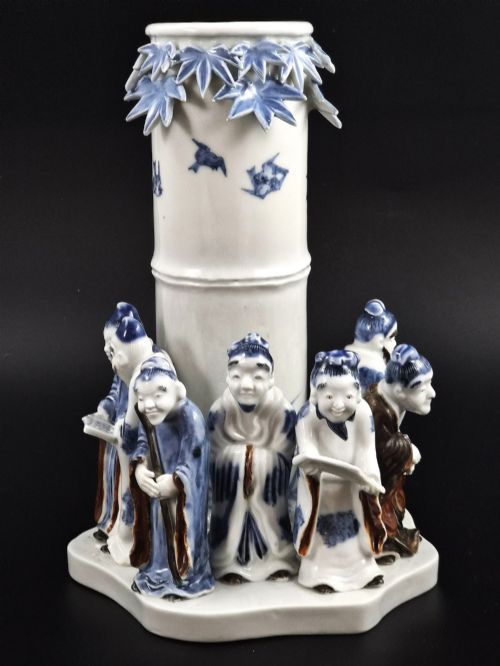
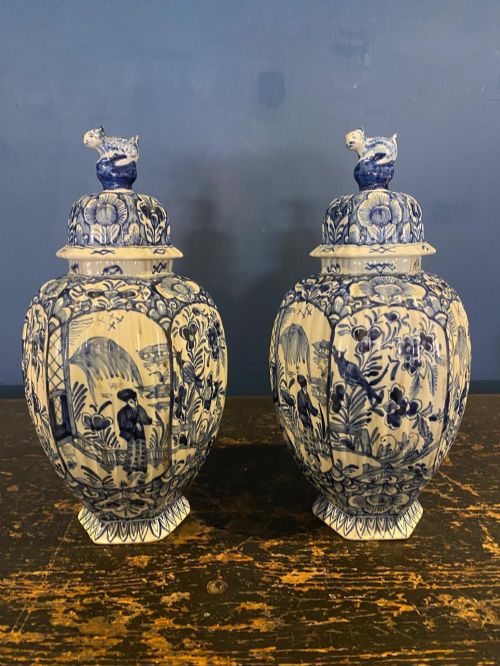
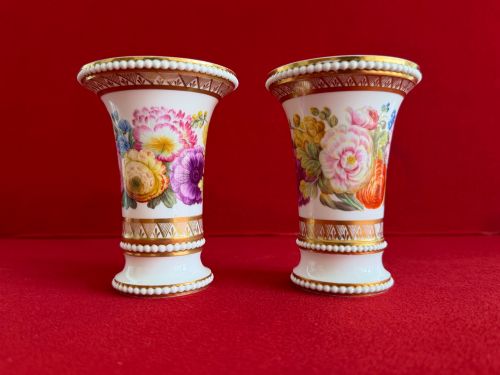
Many items incorporate intricate hand-painted floral motifs, figural scenes, or transfer-printed patterns. Workshops utilised specialised techniques such as raised enamel work, lustre glazes, and intricate blue-and-white underglaze painting.
Some mischievous nineteenth-century makers fashioned ceramic vases with amphibious handles and gaping sea monster masks to startle unwary guests.
What varies in quality
Quality in these pieces is dictated by the precision of the hand-painting, the crispness of the porcelain moulding, and the sophistication of the enamel palette. Superior examples display delicate brushwork and deliberate integration of gilt bronze mounts or covers.
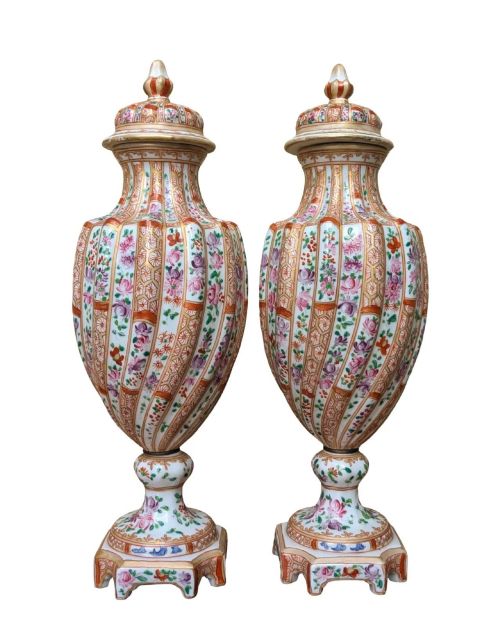
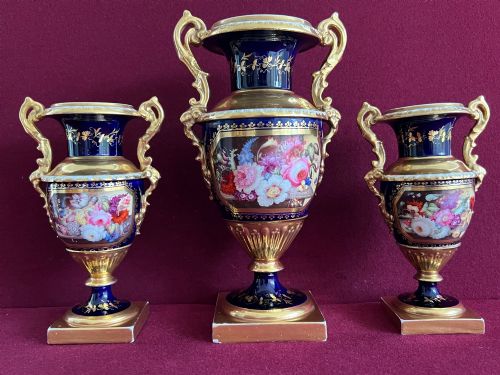
The reputation of the maker or factory heavily influences distinction, with pieces carrying marks from notable porcelain houses demonstrating higher artistic execution. The presence of matching pairs or complete garnitures further elevates the desirability of the ceramic forms.
Flight Barr And Barr·Royal Crown Derby·Royal Worcester·Ernst Wahliss·Alfred Stellmacher
The Antique Porcelain Urn Vase Glossary
- Urn
- A classical vessel shape featuring a rounded body narrowing to a stem and foot, frequently fitted with handles and a cover. This form derives from ancient ritual vessels adapted for interior display.
- Gilding
- The application of gold leaf or powdered gold suspended in a medium to the surface of porcelain. This decorative technique highlights rims, handles, and painted borders.
- Imari
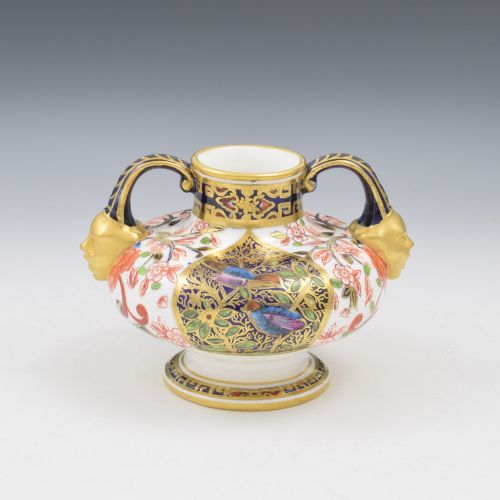
- A style of Japanese export porcelain characterised by a palette of underglaze blue, iron red, and gold. European factories frequently imitated these distinct patterns.
- Baluster
- A vertical architectural form shaped like a vase, used to describe ceramic bodies that swell towards the bottom and taper near the neck. This silhouette provides stability and visual balance.
- Jardiniere
- A decorative ceramic container designed to hold potted plants or floral arrangements. These vessels often match the stylistic vocabulary of contemporary urns and vases.
Antique Porcelain Urn Vase: Frequently Asked Questions
How were these vases displayed?
In period homes, large urns and floor-standing vases occupied entrance halls, mantelpieces, and pedestals as focal points. Smaller cabinet pieces and potpourri pots sat within drawing rooms to diffuse fragrance and display artistic refinement.
Pairs and garnitures were arranged symmetrically on furniture surfaces to anchor the decorative scheme of the room.
How do I distinguish regional styles?
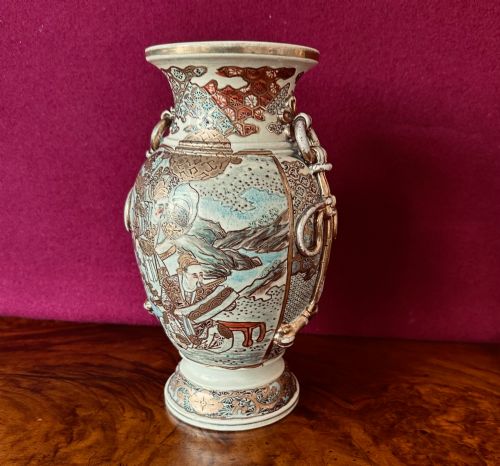
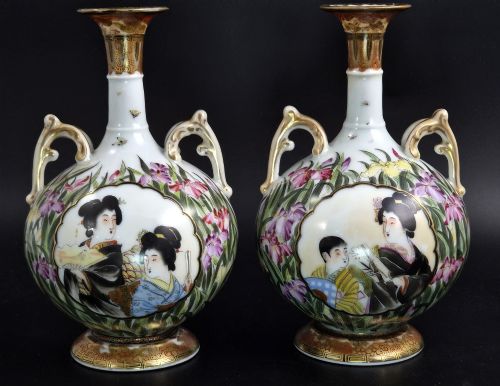
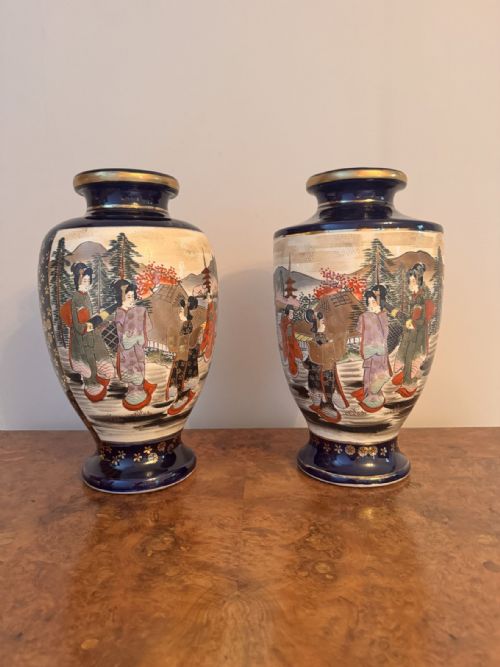
European pieces often draw on classical Greco-Roman motifs, French rococo curves, or crisp English floral painting. Japanese examples, such as Satsuma and Imari wares, utilise distinct earth-toned palettes, gilt detailing, and dense pictorial scenes of nature or figures.
Examining the glaze texture, paste colour, and base marks helps clarify the geographic origin of each ceramic piece.
How do I care for antique porcelain?
These delicate ceramic and gilt surfaces require gentle dusting with a soft, dry brush to prevent the accumulation of particles. Avoid using liquid cleaners, abrasive cloths, or chemical solvents that might damage fragile enamel decorations and gold leaf.
Display the vessels away from direct sunlight and areas subject to sudden temperature fluctuations to preserve the integrity of the glaze.