

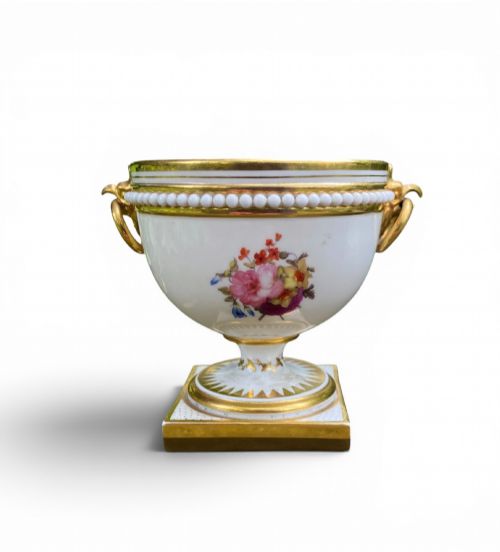


Regency Floral Porcelain Vase
A regency floral porcelain vase brings vibrant botanical painting and classical forms straight from the early nineteenth century into your home.
Regency Floral Porcelain Vase
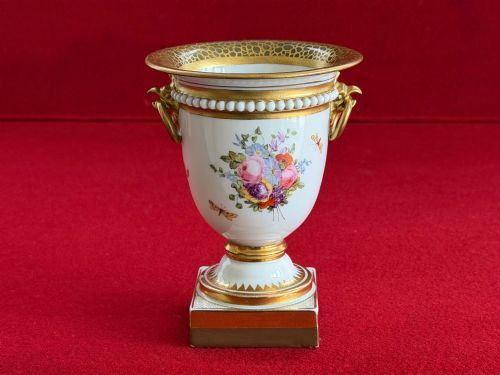
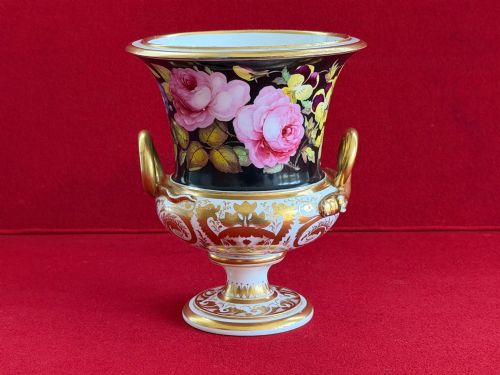
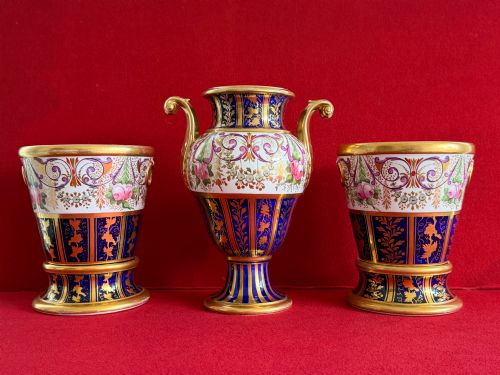
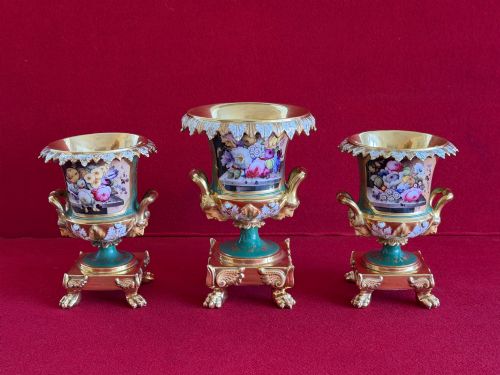
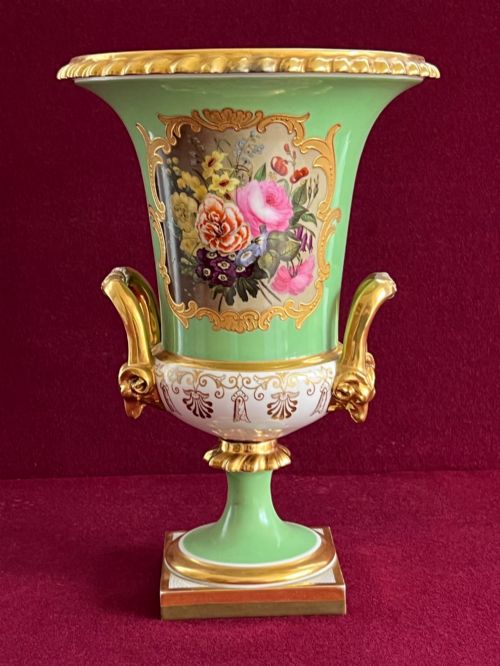
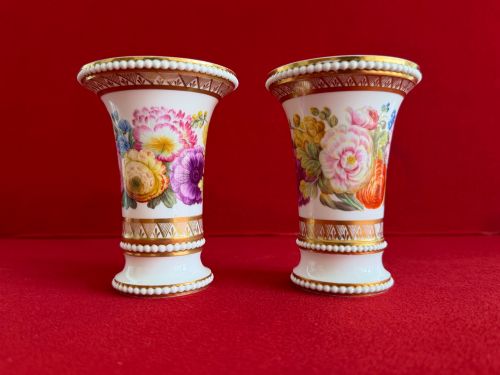
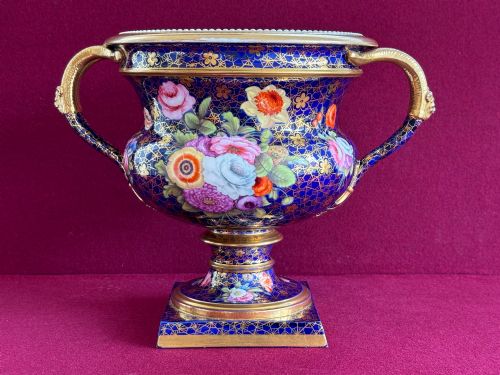
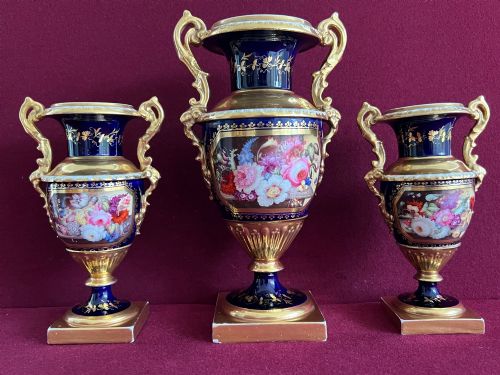
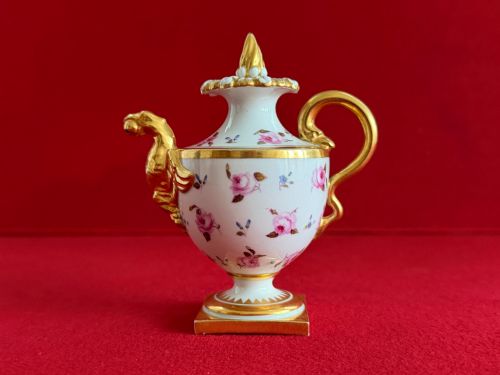
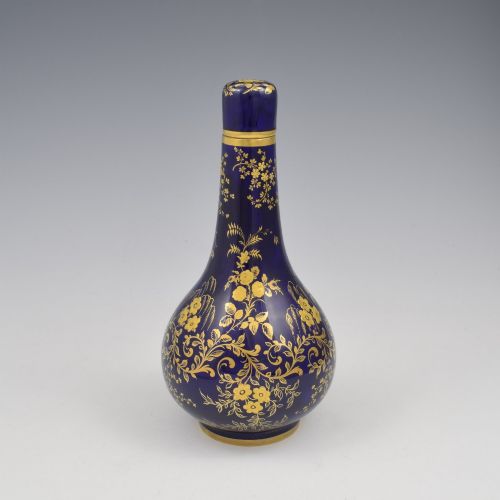
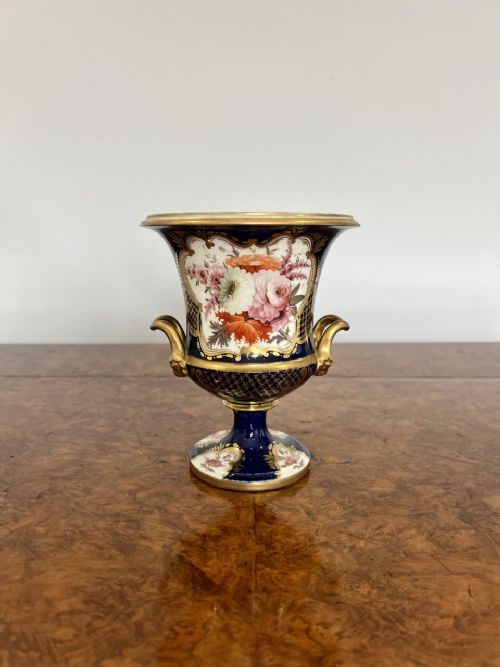
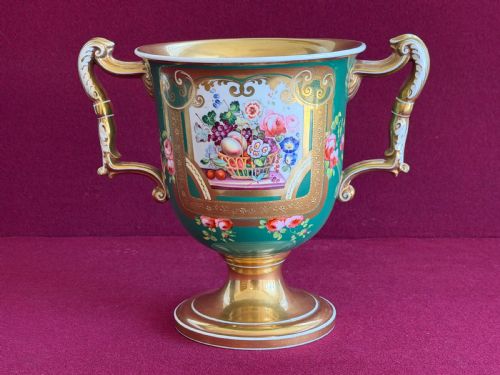
When you search for a regency floral porcelain vase, you encounter a selection of nineteenth-century vessels designed for display, including campana urns, spill vases, and bottle vases. These pieces span periods from the Georgian era through to later nineteenth-century interpretations of Regency and William IV styles.
You are most likely to meet campana shapes and spill vases originating from major English potteries, decorated with hand-painted botanical motifs. The forms draw heavily on classical antiquity, translated through the aesthetic preferences of the Regency period.
What Varies in Quality
The sophistication of the hand-painted floral decoration dictates the upper tier of quality, distinguishing meticulously rendered botanical studies from repetitive factory output. Painterly precision and artistic attribution elevate specific pieces significantly.
The application of gold leaf and the crispness of the porcelain moulding also separate standard examples from finer works. Heavier, more refined potting and intact, burnished gilding indicate superior manufacture.
Regency Floral Porcelain Vase Retail Price Guide 2026
Typical asking prices for regency floral porcelain vase among the pieces listed under this phrase on Sellingantiques today, from the lower quarter to the upper quarter. They describe what is for sale here now, not the wider market.
Listings feature porcelain, bone china, and gold leaf, spanning the Regency period, Georgian era, and the wider nineteenth century.
Flight, Barr & Barr·Spode·Minton·Thomas Steel·Derby·H & R Daniel·Coalport
The Regency Floral Porcelain Vase Glossary
- Campana shape
- An inverted bell form modelled after ancient Roman garden vases. This silhouette became a defining vessel type for Regency interior display.
- Spill vase
- A tall, narrow vessel intended to hold wooden spills for lighting fires. They frequently feature hand-painted floral decoration suited for mantelpiece placement.
- Gilding
- The application of gold leaf or gold paint to ceramic surfaces. It highlights handles, rims, and painted panels on nineteenth-century porcelain.
- Bone china
- A type of soft-paste porcelain incorporating bone ash. It produces a strong, slightly translucent body favoured by English factories.
Regency Floral Porcelain Vase: Frequently Asked Questions
What is a campana vase?
A campana vase takes the shape of an inverted bell, widely used during the Regency period for formal display. These vessels often sat on pedestals or formed part of a matched garniture.
Potters favoured this classical silhouette because its wide mouth and tapering body offered an ideal canvas for hand-painted floral scenes.
How were spill vases used?
Spill vases held slender wooden spills used to transfer flames from a hearth fire to candles and lamps. They sat on mantelpieces within easy reach of the fireplace.
Despite their practical original function, many surviving examples retain pristine interiors because owners valued them primarily as decorative ornaments.
Are these vases painted by hand?
The majority of pieces from this era feature detailed hand-painted botanical motifs executed by specialist ceramic artists. Artisans painted flowers directly onto the glazed porcelain surface before firing.
Brushwork variation and fine details distinguish these hand-decorated works from later transfer-printed ceramics.