


Gilt Japanese Imari Dish
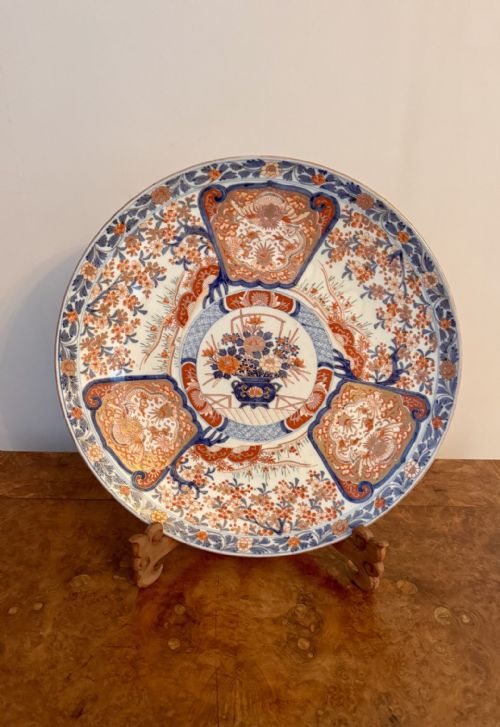
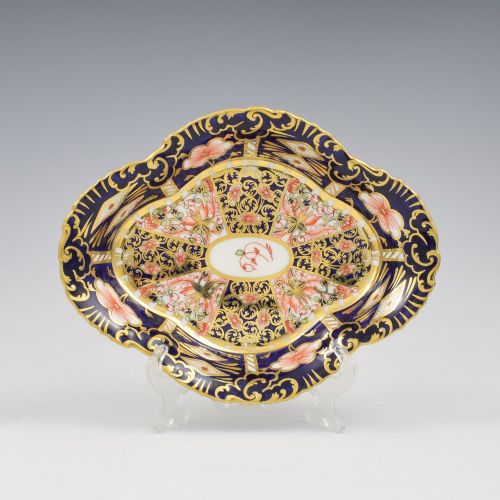
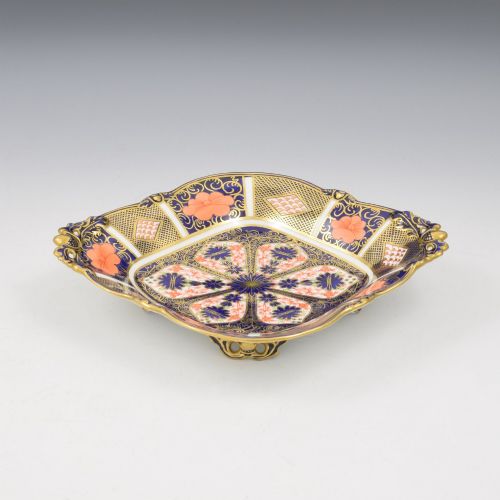
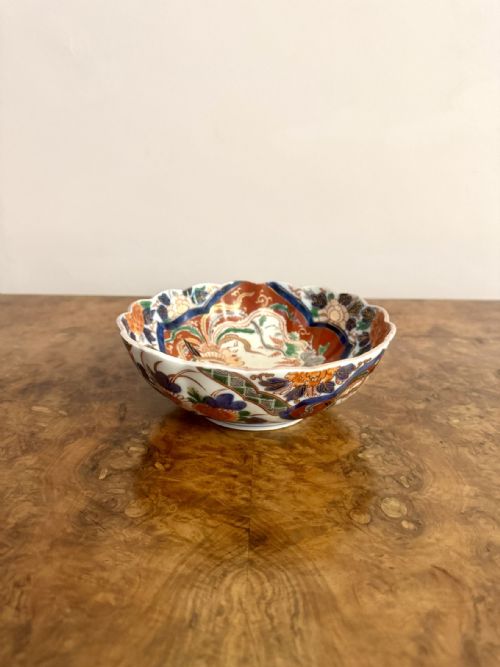
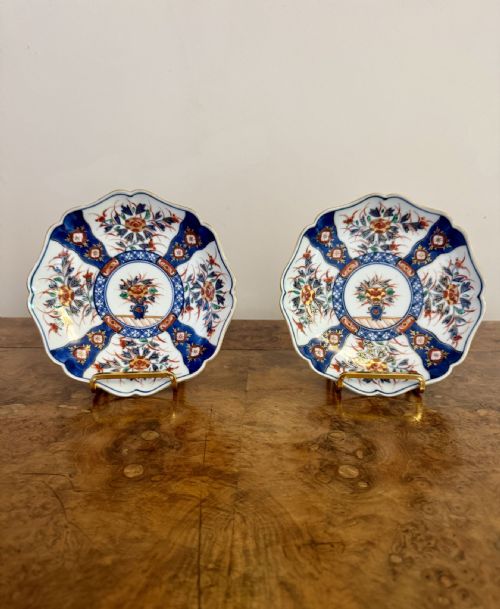
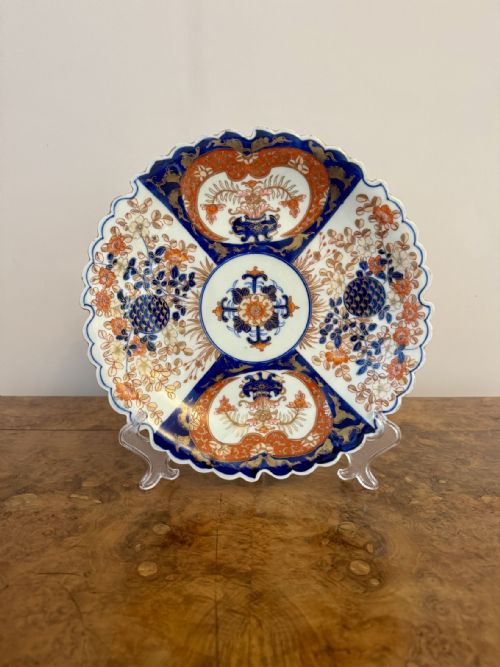
A gilt japanese imari dish brings bold cobalt blue and iron red porcelain into a room, finished with rich gold highlights.
Gilt Japanese Imari Dish
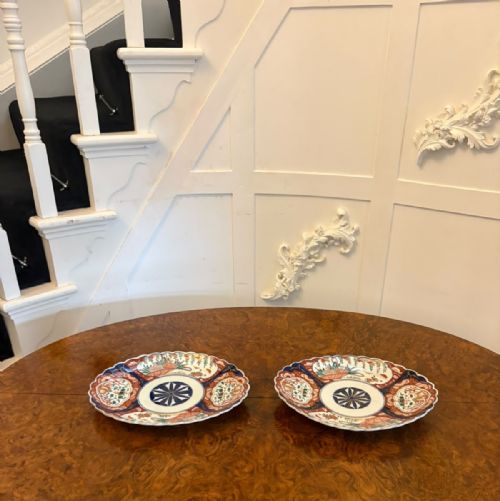
When you search for a gilt japanese imari dish, you encounter items shaped as plates, chargers, bowls, and serving trays. These pieces span the Meiji period, the nineteenth century, and the early twentieth century.
The majority of these ceramics originate from Japan, alongside English interpretations produced in porcelain and bone china. Forms range from standard circular plates to fan-shaped dishes and large wall chargers.
How they were made
Potters shaped porcelain and bone china bodies before applying underglaze cobalt blue and iron red pigments by hand. Gold leaf, gilt, and gold gilt details were then added over the glaze to catch the light.
Firing transformed the ceramic body into a durable surface capable of holding detailed painted motifs. Artisans used controlled kiln temperatures to set the vibrant enamel colours alongside the metallic gilding.
Current listings feature porcelain and bone china forms spanning the nineteenth century, the Meiji period, and the early decades of the twentieth century.
What varies in quality
Quality rests in the precision of the hand-painted brushwork and the crispness of the cobalt blue and iron red pigments. Finer examples display meticulous attention to detail across intricate floral and geometric panels.
The preservation of the gold gilt highlights determines the visual strength of the piece. Superior items retain their metallic brilliance across the rim and surface designs without significant rubbing.
The Gilt Japanese Imari Dish Glossary
- Imari
- A style of Japanese porcelain decorated in underglaze blue, iron red, and gilt. It takes its port name from the shipment hub in Japan.
- Meiji Period
- The era in Japanese history spanning from 1868 to 1912. Objects from this time often show exceptional decorative precision.
- Charger
- A large decorative plate used for display or formal service. These pieces measure significantly wider than standard dining plates.
- Kakiemon
- A style of Japanese enamel decoration featuring asymmetrical designs and a restrained palette. English potteries frequently copied this aesthetic.
Gilt Japanese Imari Dish: Frequently Asked Questions
Are these dishes meant for food use?
These pieces serve primarily as decorative objects for display on walls, tables, or cabinets. Historic pigments and delicate gilding benefit from gentle care rather than daily dining service.
Hand washing in lukewarm water preserves the painted enamel and gold details. Avoid soaking or abrasive cleaning methods.
How do I date a Japanese Imari piece?
Dating relies on the ceramic body, the intensity of the cobalt blue, and stylistic markers tied to the Meiji period or the nineteenth century. Examining the foot ring and glaze texture provides further clues.
English interpretations often carry factory marks on the reverse. Japanese pieces more typically rely on visual characteristics and period traits.
What is the difference between an Imari plate and a charger?
Chargers measure substantially larger than standard plates, often exceeding thirty centimetres in diameter. They functioned as centrepieces or wall displays.
Standard plates appear in smaller dimensions suited for handheld viewing or smaller display stands. Both share the characteristic blue, red, and gilt palette.
Why do some Imari dishes feature gold leaf?
Gilding adds a layer of reflective warmth to the contrasting cobalt blue and iron red design. Artisans applied gold to highlight specific motifs and frame the borders.
Over time, the application method influences how well the gilt survives. Premium examples show dense, intact metallic work across the pattern.