
Gilt Base Table Lamp
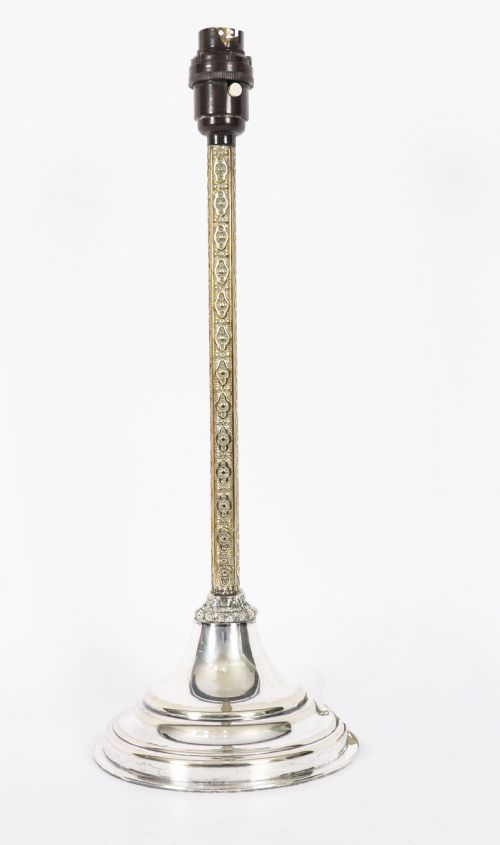
These pieces provide a gilt base table lamp, uniting structural metalwork and wired illumination across Victorian, Edwardian, and Art Deco periods.
Gilt Base Table Lamp
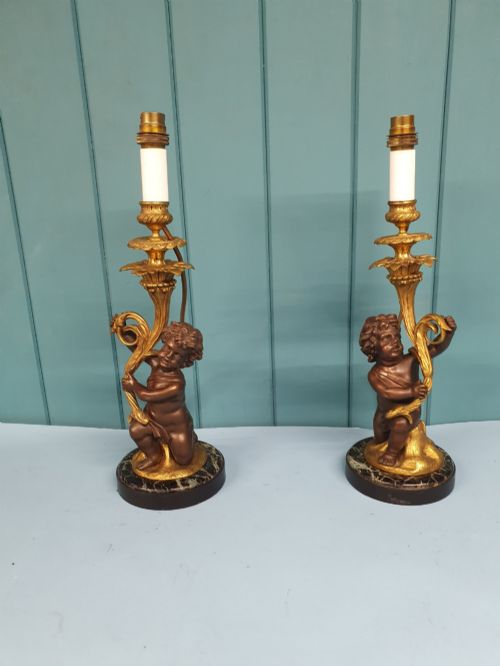
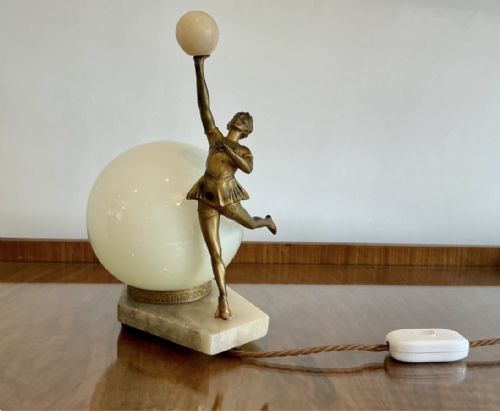
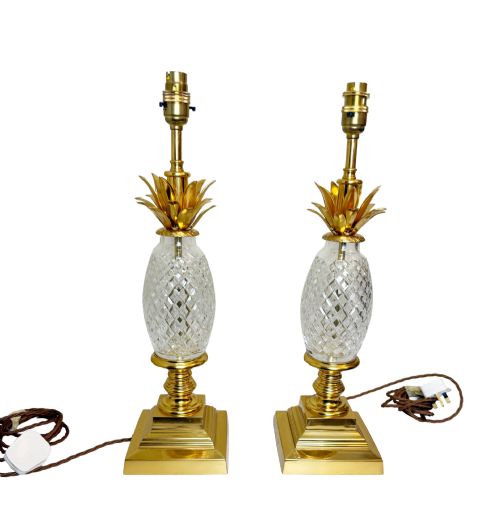
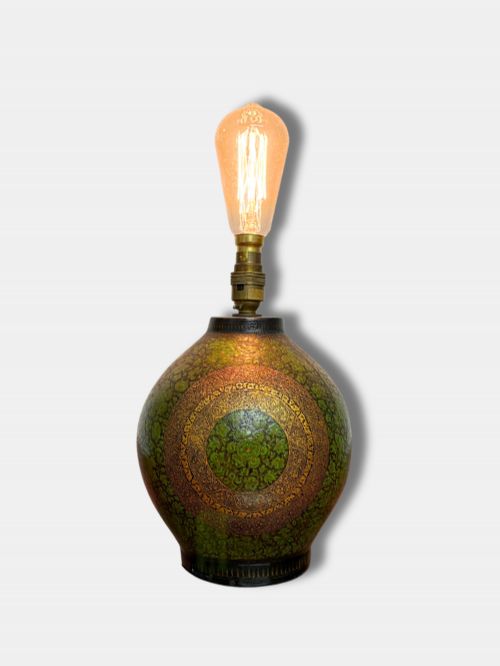
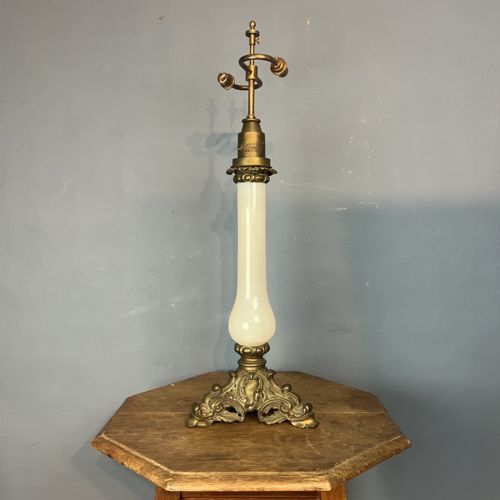
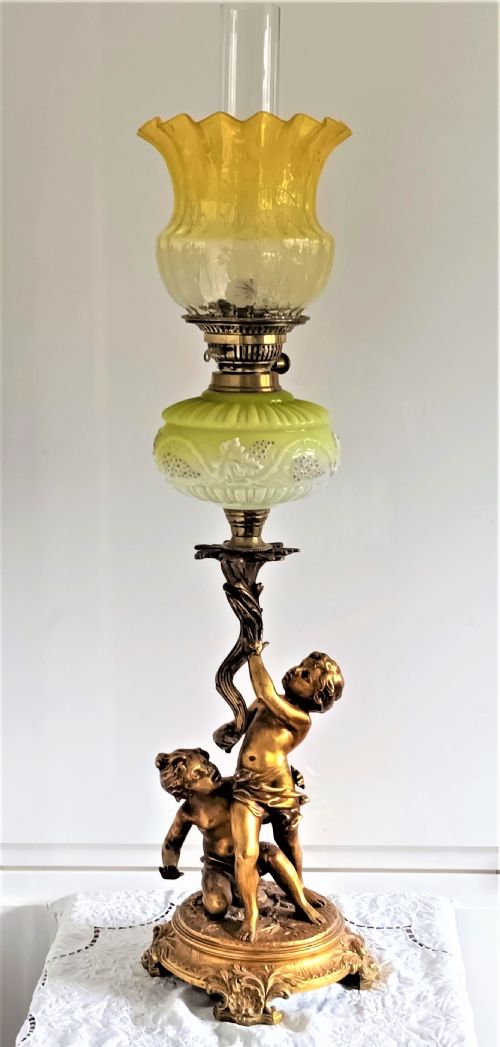
A gilt base table lamp combines a luminous metallic foundation with decorative bodies ranging from opaline glass, crystal, and ceramic to carved stone. When searching this phrase, buyers encounter lighting formed from converted nineteenth-century oil lamps, antique candlesticks, and bronze figural statuettes.
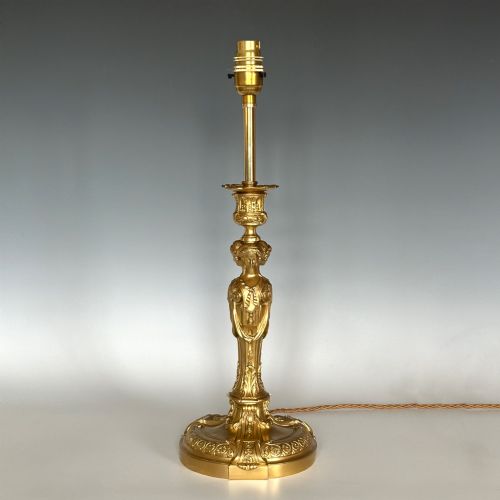
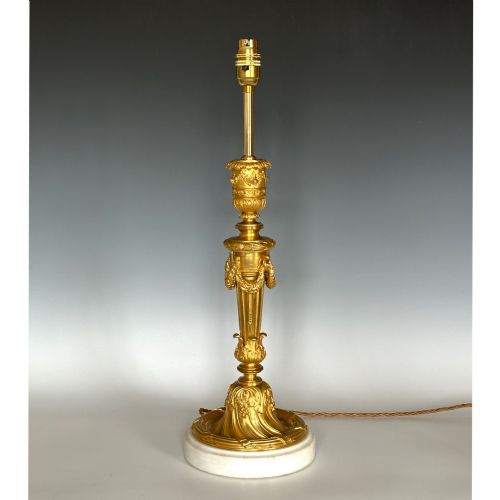
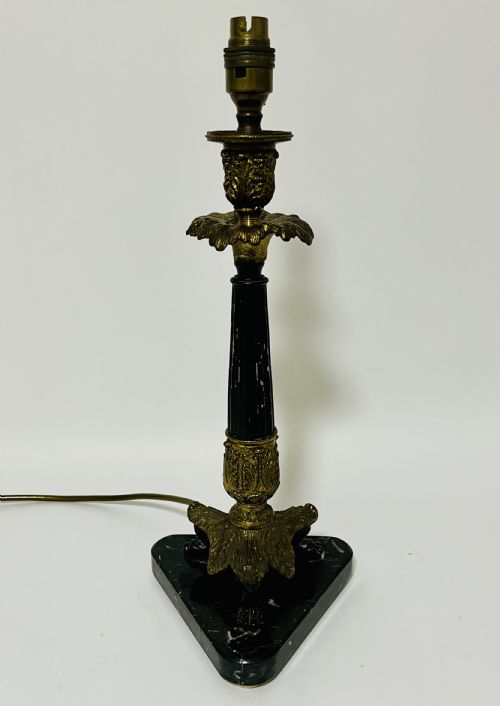
The most common examples on this page date from the nineteenth and early twentieth centuries, reflecting Victorian, Edwardian, and French styling. Many pieces pair gilded brass, bronze, or ormolu with marble, onyx, or timber columns to provide domestic illumination.
How They Were Made
Makers utilised cast bronze, brass, and gilt metal, applying fire gilding or gold leaf to create the characteristic surface finish. These metallic components were frequently combined with carved marble, onyx, alabaster, or cut glass elements.
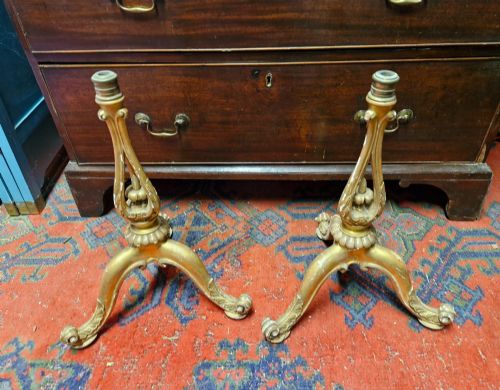
Many items originated as oil lamps, candlesticks, or vases before subsequent conversion into table lamps, incorporating threaded fittings and internal wiring into earlier metalwork.
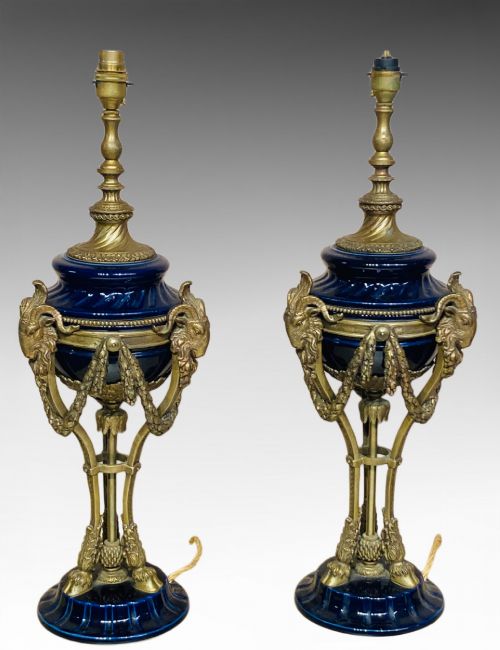
Mythical faces and bronze cherubs gaze out from the shadows beneath handmade shades.
What Varies in Quality
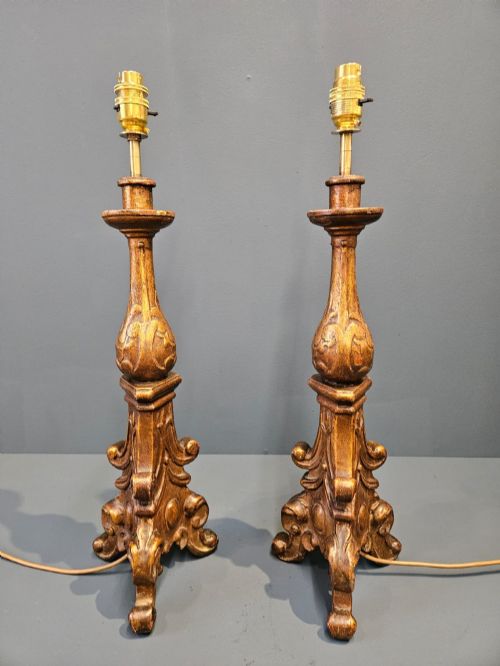
Quality rests upon the crispness of the cast ornamentation and the depth of the gilding, where finely chased ormolu and hand-carved giltwood surpass standard stamped brass. The integration of secondary materials, such as genuine rock crystal, marble, and hand-cut glass, elevates the standard of the construction.
The sophistication of the design dictates distinction, moving from simple turned candlestick conversions to elaborate figural bases featuring cherubs, mermaids, or neoclassical mounts after period makers.
Mappin & Webb·George Bullock·Dugourc·Mc Gary
The Gilt Base Table Lamp Glossary
- Ormolu
- Gilt bronze, typically referring to finely chased or cast mounts produced in France during the eighteenth and nineteenth centuries. This material provides a bright, durable gold-coloured finish on decorative objects.
- Opaline
- A type of opaque or translucent glass popular in the nineteenth century, often coloured in shades of white or blue and incorporated into lamp columns.
- Gueridon
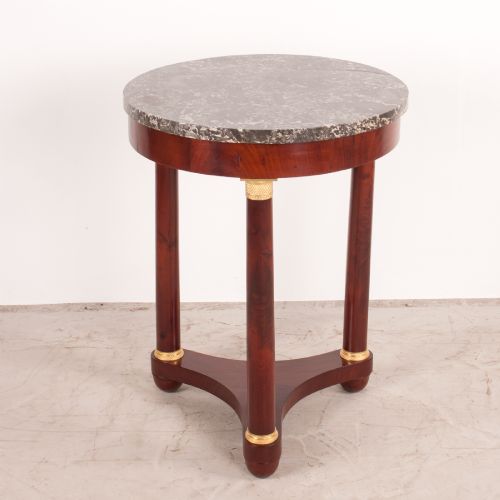
- A small occasional table, frequently round and supported by a central column or tripod base, seen in nineteenth-century French furniture.
- Cloisonne
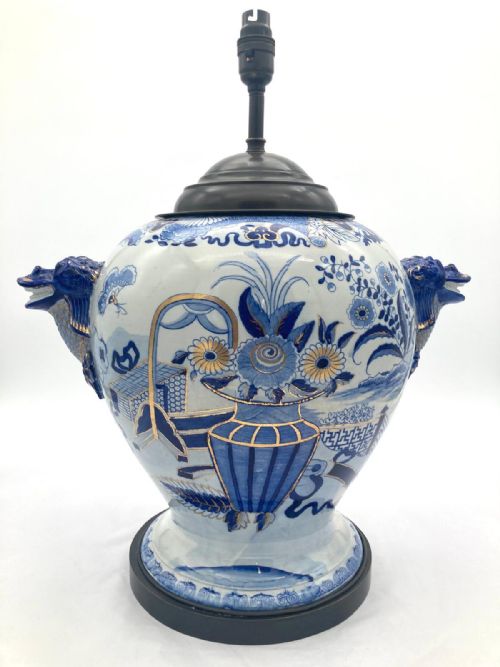
- An ancient technique for decorating metalwork objects with coloured material held in place by thin metal strips, frequently found on Chinese vases utilised as lamp bases.
Gilt Base Table Lamp: Frequently Asked Questions
How are antique lamps wired?
Antique lamps are typically rewired with modern flex and plugs to meet contemporary safety standards while preserving the historic base. Wiring runs discreetly through the original central column or burner assembly.
Buyers should consult a qualified electrician to check older internal components and ensure compatibility with current domestic sockets.
Can I use modern shades on these lamps?
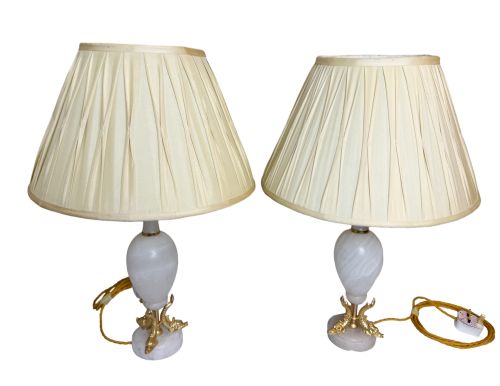
Most antique bases accept standard modern shade carriers and fitments with appropriate reducer rings. The scale of the base dictates the correct proportion for the shade.
Handmade fabric shades complement traditional gilding and textured materials like marble and cut glass.
How do I clean a gilded metal base?
Dusting gently with a dry, soft microfiber cloth is recommended to protect delicate gold leaf and ormolu surfaces. Avoid liquid cleaners, chemical polishes, and abrasive cloths.
Moisture can damage nineteenth-century lacquers and exposed wooden components, so keep bases away from damp environments.
Were these always table lamps?
Many examples began life as oil lamps, candlesticks, or decorative vases before conversion into electrical lamps during the twentieth century. Such adaptations are standard practice for antique lighting.
Original hardware components are often retained alongside modern internal wiring.