

Gilded Wood Framed Painting
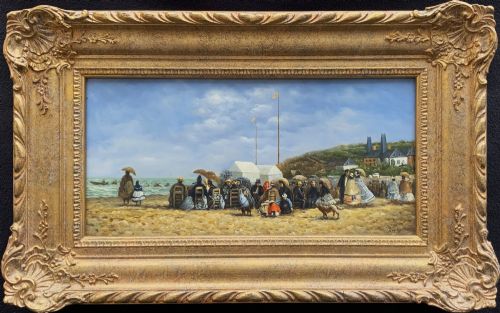
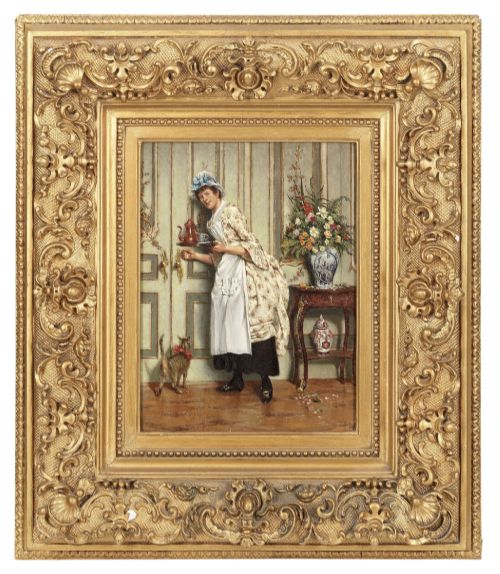
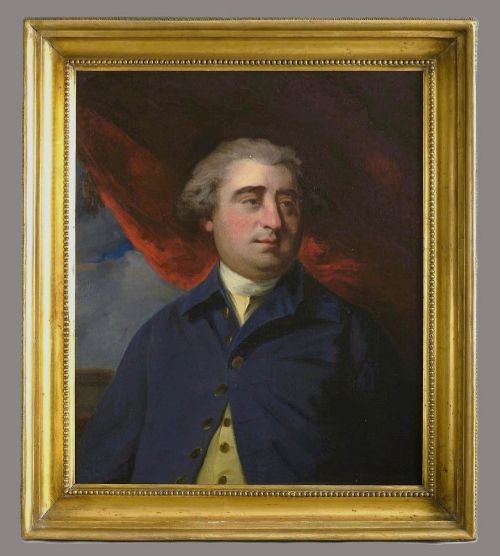
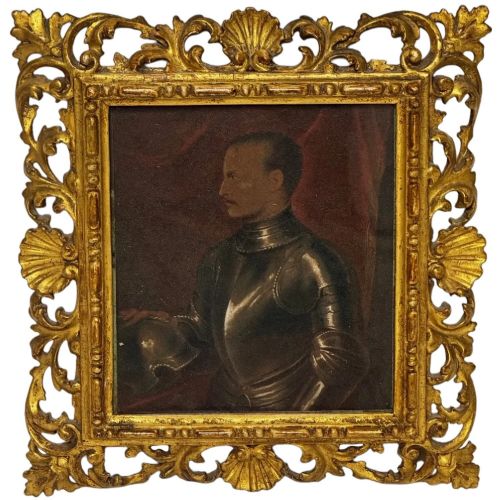
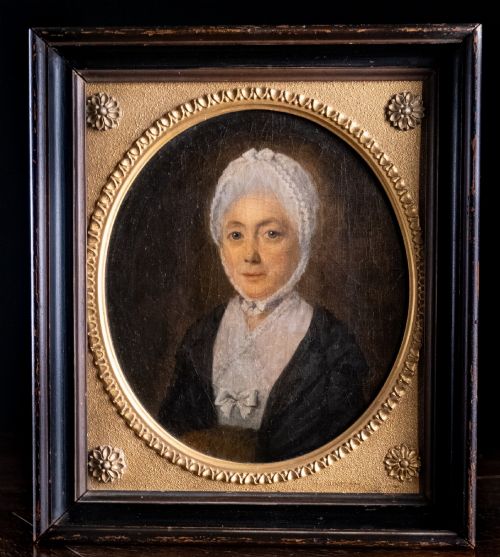
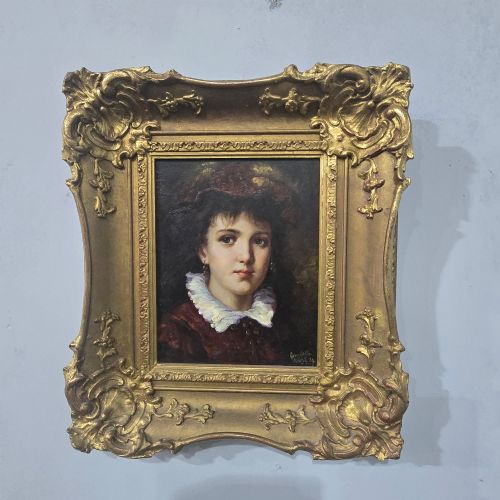
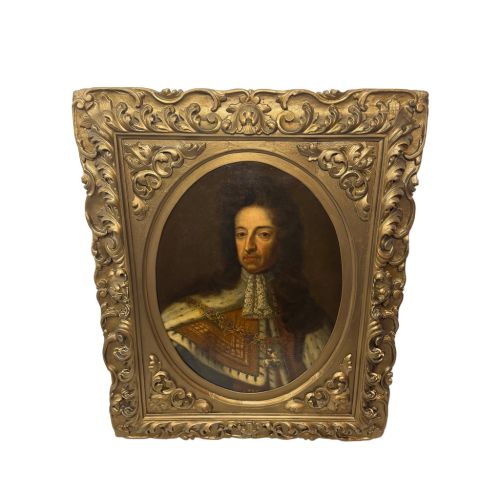
A gilded wood framed painting brings centuries of portraiture and landscape into a room through the warm gleam of gold leaf and carved timber.
Gilded Wood Framed Painting
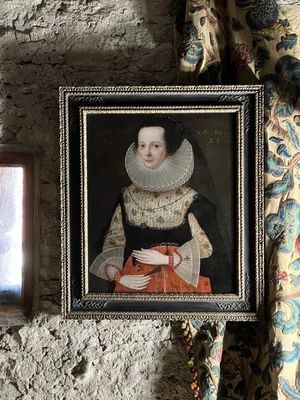
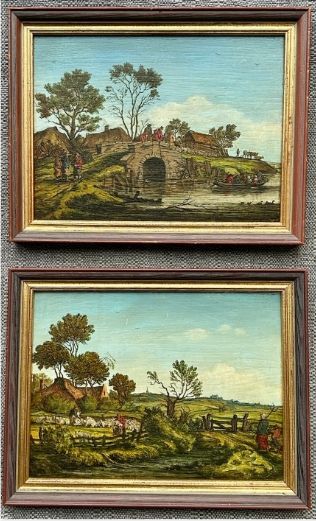
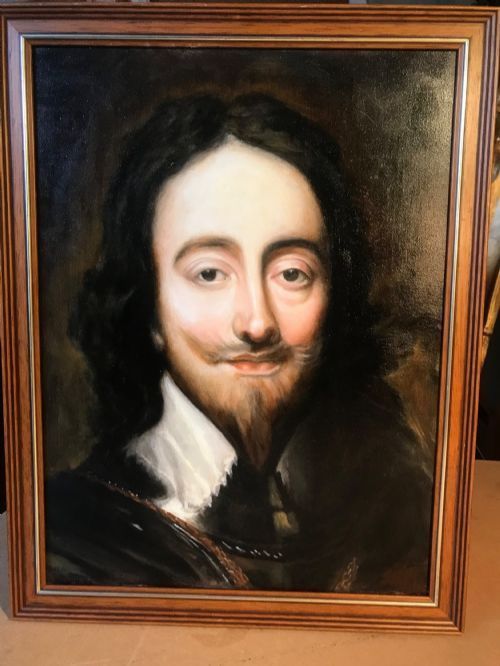
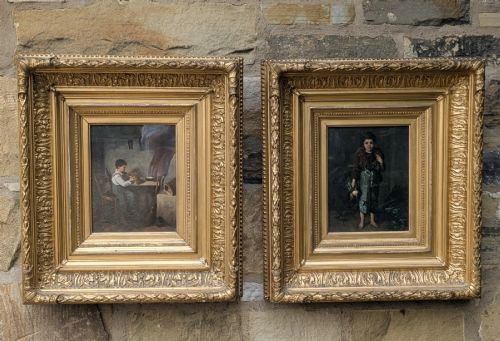
When buyers search for a gilded wood framed painting, they encounter a range of historic artworks including oil portraits, Dutch landscapes, and genre scenes housed within period surrounds.
The selections span from seventeenth-century English and Dutch master circles to nineteenth-century French and British canvases, frequently pairing oil on canvas or panel with ornate wooden mouldings.
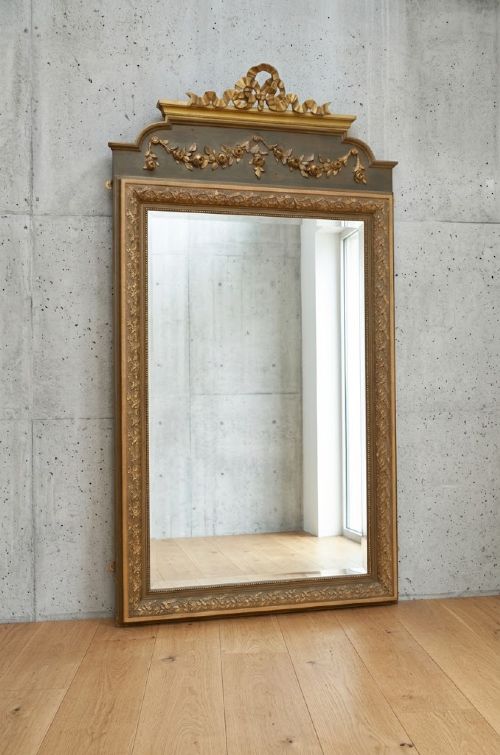
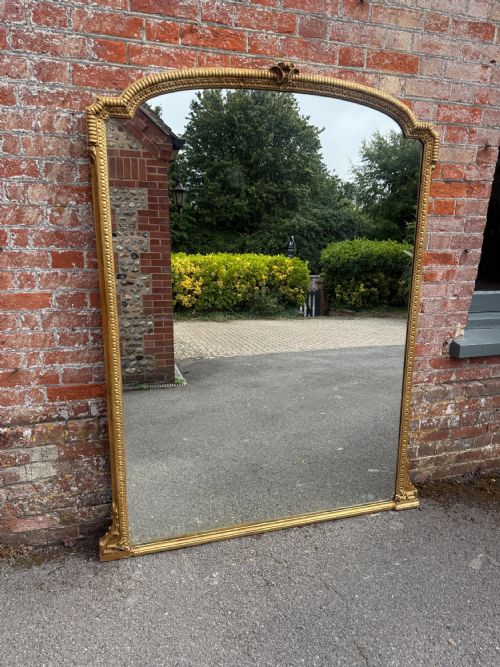
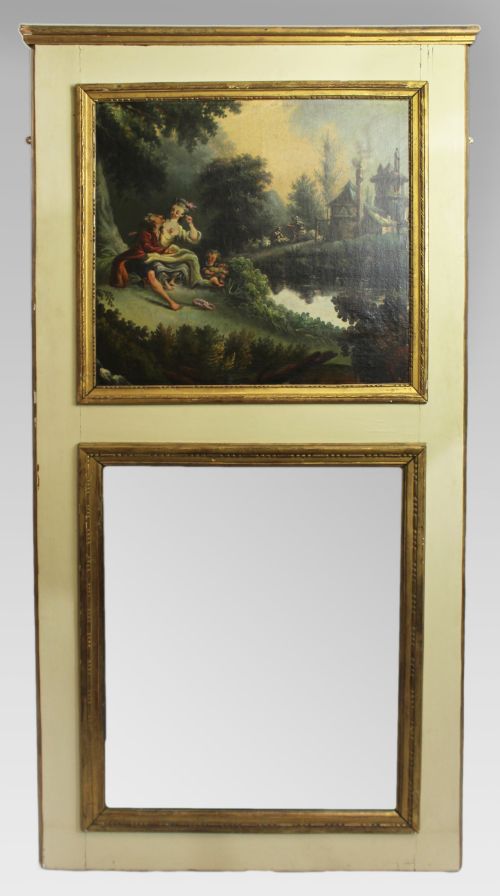
Mirrors and trumeau pieces also appear alongside traditional artworks, uniting painted panels with decorative giltwood and gesso frames.
How they were made
Painters utilised oil on canvas or wooden panels, applying pigments that survived across centuries in both professional studio settings and regional folk traditions.
Frames and trumeau surrounds combined carved timber or moulded gesso, finished with layers of gold leaf or gilt paint to achieve a reflective metallic surface.
Gilded Wood Framed Painting Retail Price Guide 2026
Typical asking prices for gilded wood framed painting among the pieces listed under this phrase on Sellingantiques today, from the lower quarter to the upper quarter. They describe what is for sale here now, not the wider market.
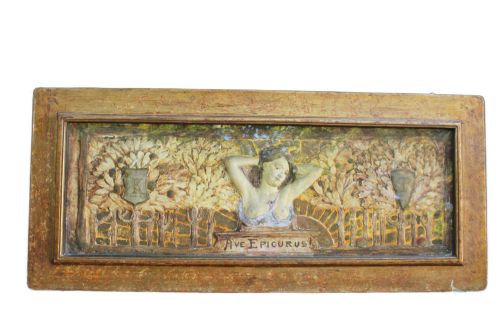
The listings feature oil paintings, watercolours, and reverse glass prints housed in wood, gesso, and giltwood frames across multiple historic periods.
What varies in quality
The refinement of the carving on the wooden frame distinguishes standard mouldings from deeply sculpted gesso work with intricate scrolls and ribbon crests.
Artistic execution in the brushwork of the central painting separates competent studio productions from master-level portraiture and detailed seventeenth-century compositions.
Joseph Clover RA·Emily Eyres·Anthony Van Dyck·Stephen Samuel Lewin·Sir Joshua Reynolds·Jonny Gaston·Miles and Edwards·Thomas Beach·Toussaint Gelton·Thomas Spinks·Allan Ramsay·Alfred Arthur Brunel de Neuville·T Bergman·David Teniers·Paul-Jean Anderbouhr·Gaston Cornil·Alice Anne Renshaw
The Gilded Wood Framed Painting Glossary
- Giltwood
- Timber coated with gold leaf or gold paint. This finish provides the characteristic metallic sheen seen on period picture frames and wall mirrors.
- Gesso
- A plaster-like mixture applied to wood before gilding. Artisans carved and moulded this material to create high-relief ornamentation on frames.
- Trumeau
- A decorative wall mirror incorporating an upper painted panel. These French pieces often combine a pastoral oil painting with a lower mirror glass.
- Chiaroscuro
- An artistic technique using strong contrasts between light and dark. This method defined form and drama in seventeenth-century tavern and portrait scenes.
- Panel painting
- Artwork executed on a flat piece of wood rather than stretched canvas. Artists frequently utilised wooden supports for smaller portraits and Dutch landscapes.
Gilded Wood Framed Painting: Frequently Asked Questions
What periods do these paintings cover?
The available artworks span from the seventeenth century through the Georgian and Regency eras into the nineteenth and early twentieth centuries.
Earlier pieces often reflect seventeenth-century Dutch and English schools, while later examples include Victorian and Edwardian works.
How were trumeau mirrors used?
Trumeau mirrors served as decorative architectural fixtures in grand interiors, often placed above mantelpieces or between windows.
The integrated oil paintings provided upper wall decoration while the glass below reflected natural light.
Are the frames original to the artwork?
Many pieces retain their period wooden or gesso frames, which share the stylistic traits of the era in which the canvas was painted.
Matching frames reflect the craftsmanship of specific decades, from ornate Victorian gilding to simpler Regency mouldings.
What is an oil on panel painting?
An oil on panel painting uses a rigid wooden board as the primary support for oil pigments rather than stretched fabric.
This technique was common in earlier centuries for portraits and landscape scenes due to the stability of the wooden base.