

19th Century Italian Art
When searching for 19th century italian art, collectors discover expressive paintings, delicate watercolours, and tactile sculptures capturing classical subjects and everyday scenes.
19th Century Italian Art
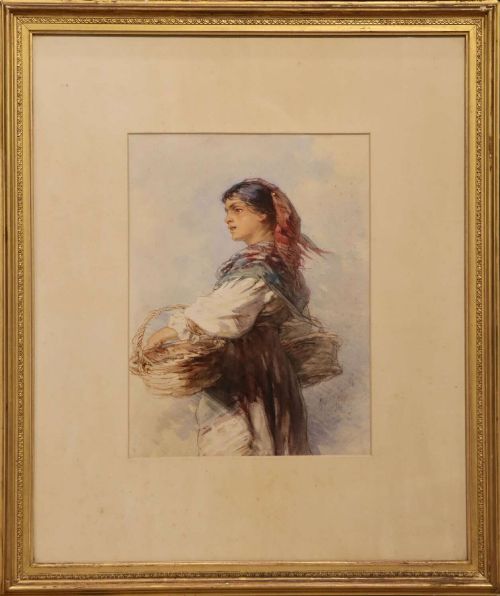
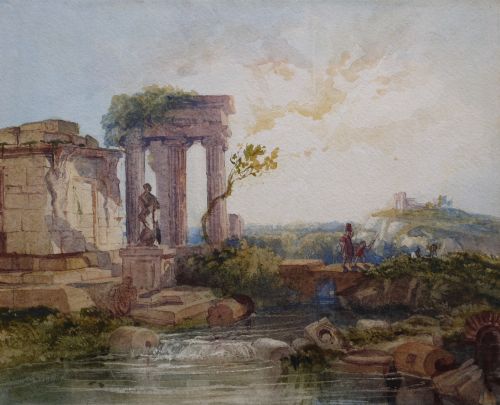
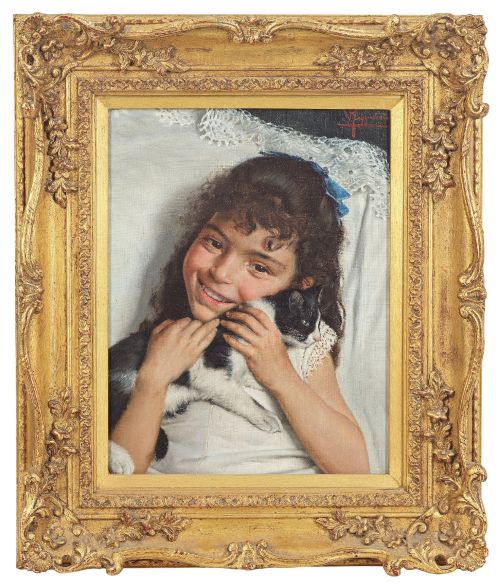
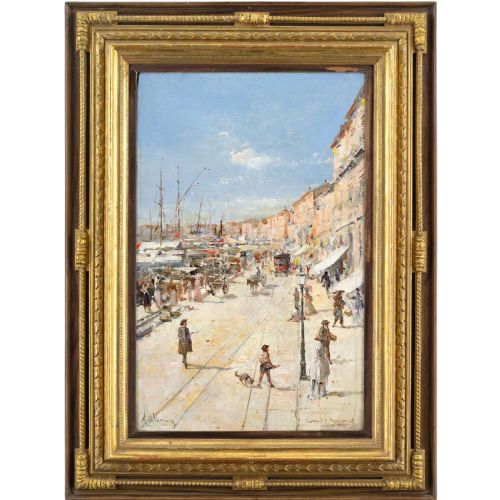
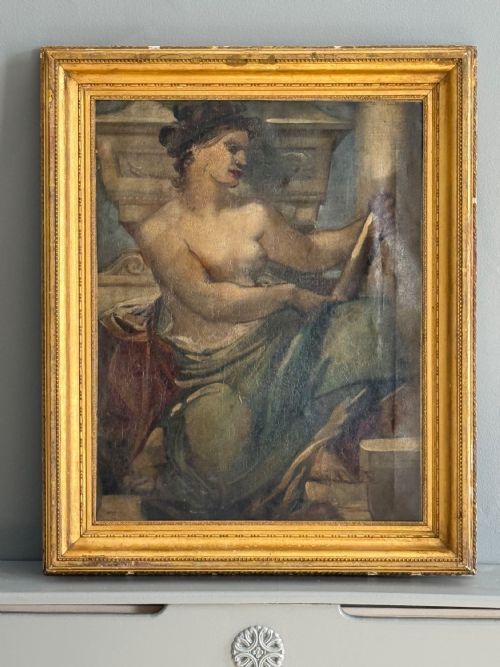
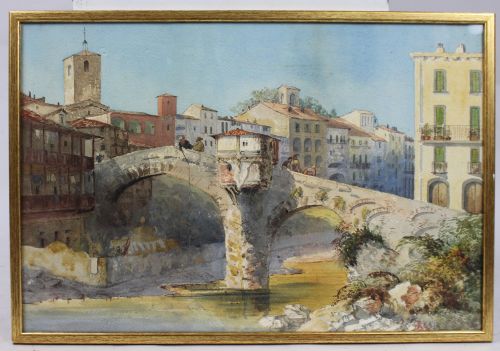
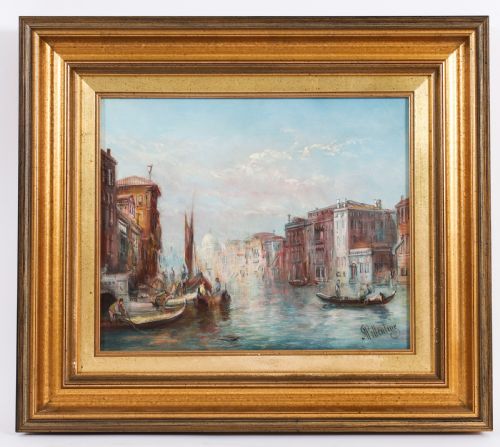
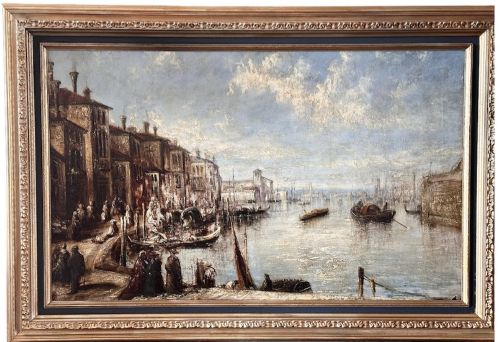
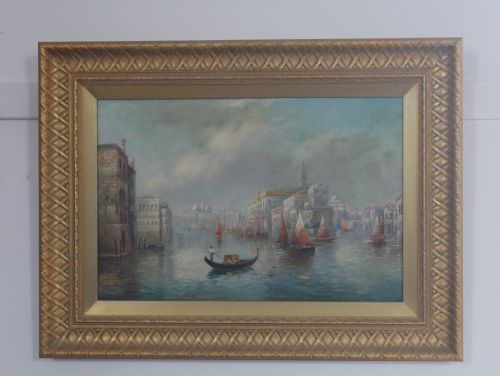
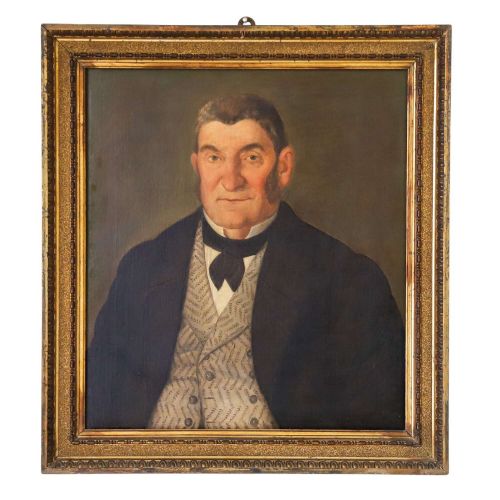
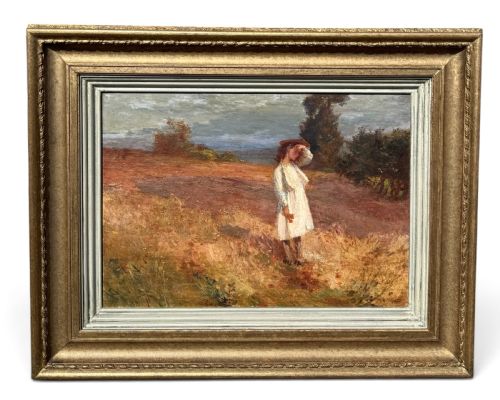
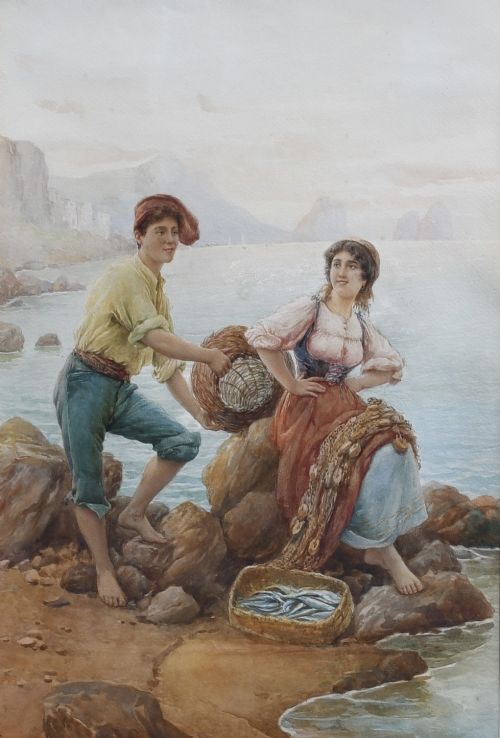
Buyers exploring 19th century italian art encounter a diverse array of mediums, predominantly featuring oil on canvas and detailed watercolour paintings. Subjects range from sunlit Venetian canals and rural peasant figures to classical religious portraiture and decorative still lifes.
The selection frequently includes framed artwork and fine art originating from prominent cultural hubs like Venice, Rome, Naples, and Sicily. Pieces often reflect prevailing aesthetic movements of the era, encompassing Neoclassical ideals, Romanticism, Realism, and Impressionist influences.
Alongside wall art, collectors regularly encounter sculptural objects and decorative items such as bronze horse figures, marble profile plaques, mosaic panels, and cast brass oil lamps. These varied formats mirror the rich artistic output produced across Italy during the period.
Materials and Construction Techniques
Paintings from this epoch primarily utilise oil paint or watercolour applied to prepared canvas, wood panels, or heavy paper supports. Artists often housed these works within ornate, gilt frames that enhance the visual depth of the compositions.
Sculptural and decorative works demonstrate specialised craftsmanship in cast bronze, carved marble, gypsum, and earthenware. Artisans also employed intricate assembly methods for detailed micromosaic plaques, pietra dura stone inlays, and polychrome wood decoration.
19th Century Italian Art Retail Price Guide 2026
Typical asking prices for 19th century italian art among the pieces listed under this phrase on Sellingantiques today, from the lower quarter to the upper quarter. They describe what is for sale here now, not the wider market.
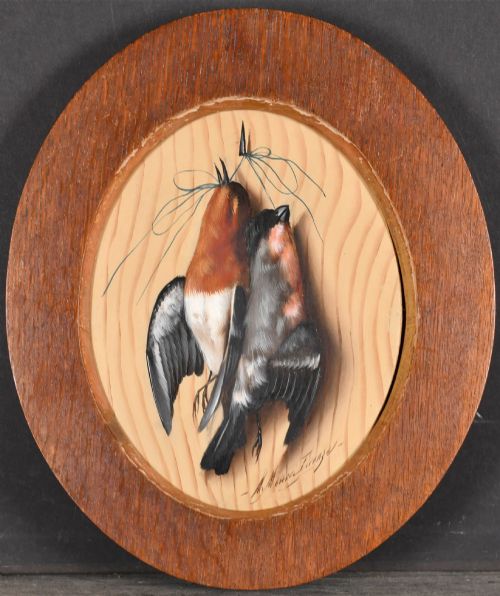
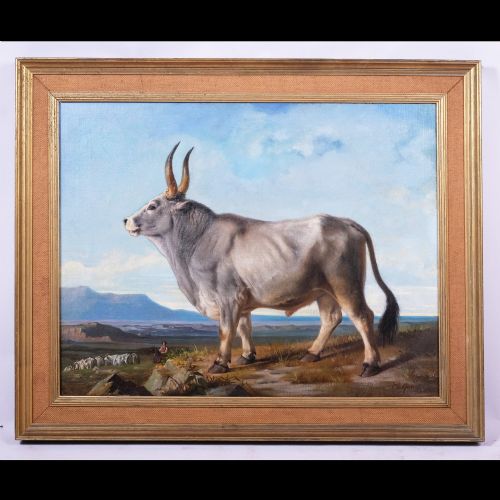
Several spirited depictions of animals appear, ranging from a sturdy Tuscan bull to cheerful singing birds and bronze horses.
Distinctions in Quality
The superiority of a painted piece rests upon the fluidity of brushwork, the handling of natural light, and the anatomical precision shown in human figures or architectural vistas. Masterful works capture atmospheric depth and textural realism with confident execution.
For sculptural and decorative objects, valuation relies on the crispness of the casting, the fineness of the hand-carving in marble or wood, and the preservation of original polychrome or gilt surfaces. Superior examples demonstrate rigorous attention to fine detail and secure assembly.
Guido Bach·Richard Principal Leitch·Vittorio Reggianini·Augusto Alberici·Alfred Pollentine·Francis Moltino·Michelangelo Meucci·Umberto Volpato·Carlo Ferranti·Renato Moretti·Luigi Secchi·Filipo Indoni·Costantino Frixione·Evaristo Cappelli·Luca Postiglione·Ferruccio Vitale·Arturo Orselli
The 19th Century Italian Art Glossary
- Grand Tour
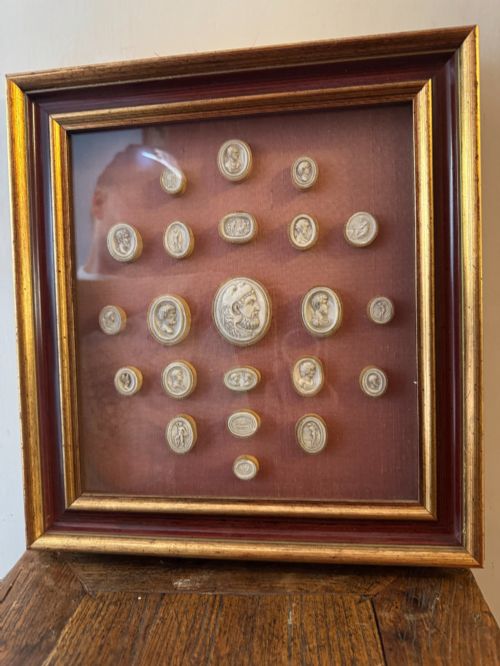
- A traditional trip through Europe undertaken by upper-class Europeans, which generated significant demand for local art, watercolours, and souvenirs such as intaglio cameos.
- Trompe l'Oeil
- An art technique that uses realistic imagery to create the optical illusion that the depicted objects exist in three dimensions.
- Pietra Dura
- A method of inlaying cut and fitted polished coloured stones to create decorative designs and pictorial images.
- Micromosaic
- A delicate form of mosaic utilising tiny glass threads melted together to form highly detailed miniature pictures.
- Intaglio
- A design engraved into a material such as gypsum or stone, creating a sunken image rather than a raised relief.
19th Century Italian Art: Frequently Asked Questions
What subjects are common in these paintings?
Artworks frequently depict luminous Venetian canals, bustling Neapolitan street life, rural pastoral landscapes, and religious scenes.
Portraiture of noble figures and peasants also appears regularly across canvas and paper mediums.
How do I identify a Grand Tour piece?
Grand Tour items typically include portable watercolours, gypsum intaglio panels, and micromosaic plaques acquired by travellers in Italy.
These portable works served as sophisticated souvenirs documenting classical antiquities and Italian scenery.
Are these artworks usually signed?
Many paintings and sculptures feature artist signatures, monograms, or period inscriptions inscribed directly into the medium.
Unsigned works often reflect the output of regional schools or followers of established masters.
How should I display antique frames?
Original gilt wood frames complement the oil paintings and watercolours by providing period-authentic context and visual weight.
Care should be taken to support the weight of heavier frames securely on appropriate wall fixings.