


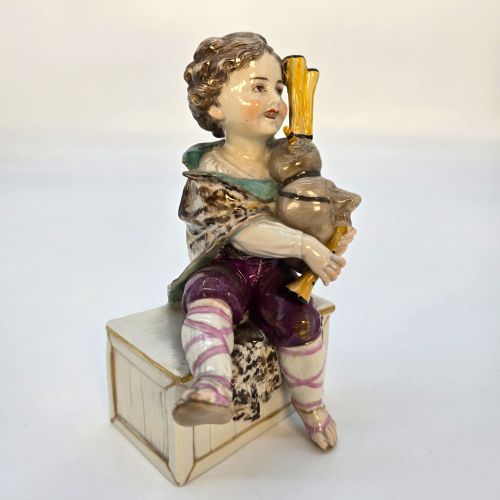

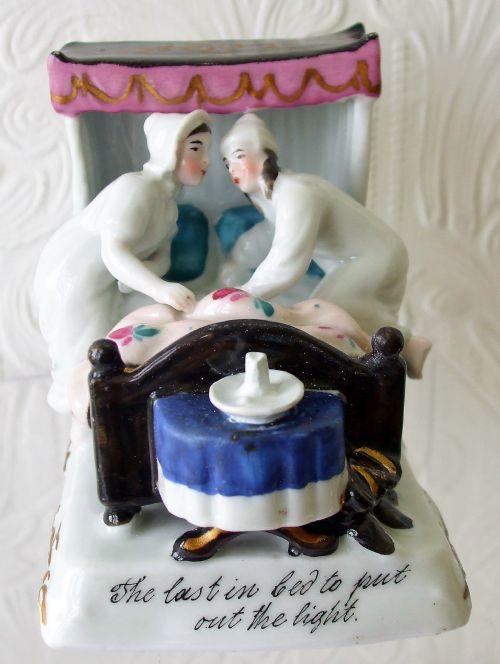
German Porcelain Figurine
When you examine a german porcelain figurine, you encounter centuries of European kiln mastery expressed through delicate modelling and painted detail.
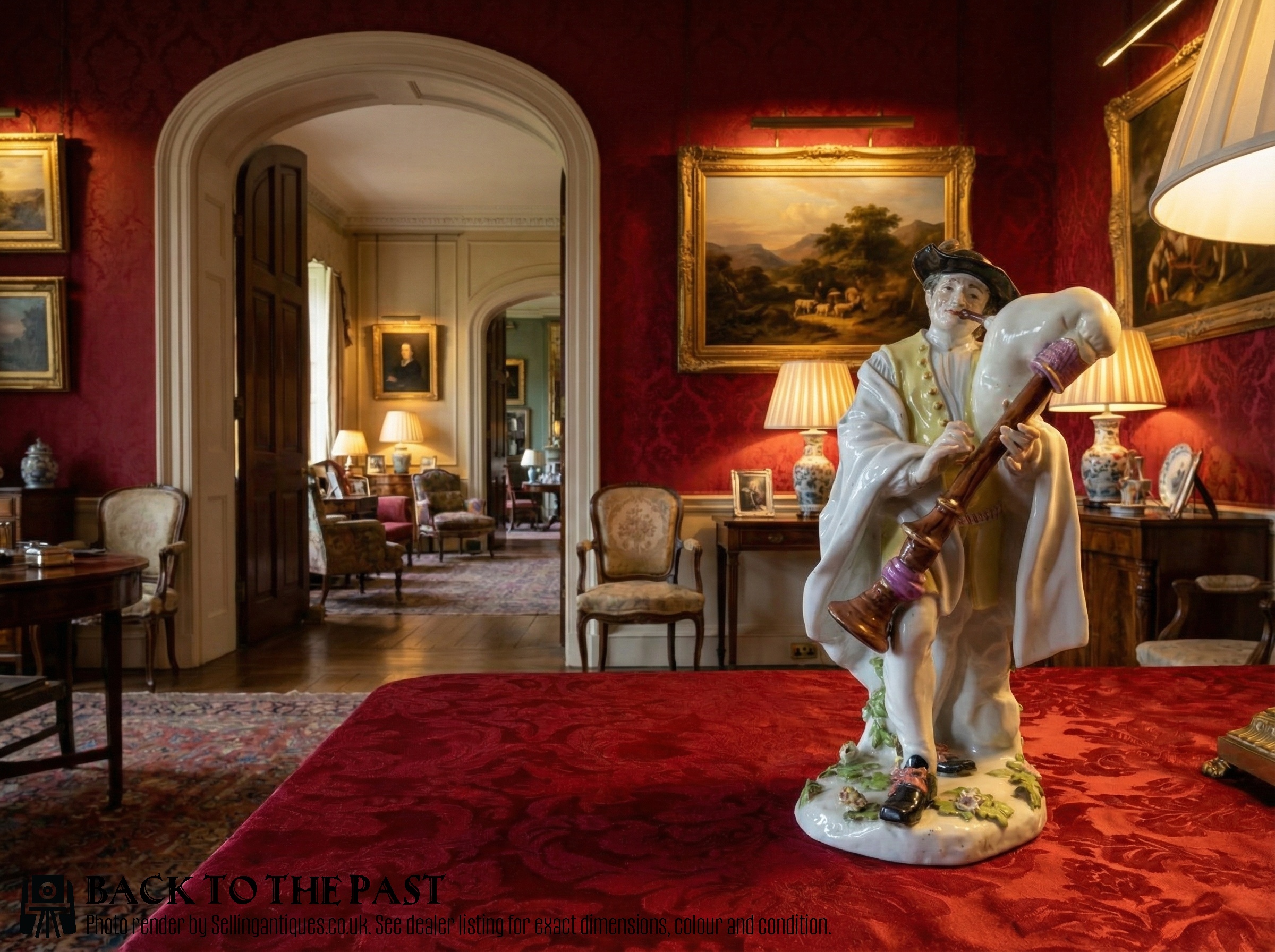
German Porcelain Figurine
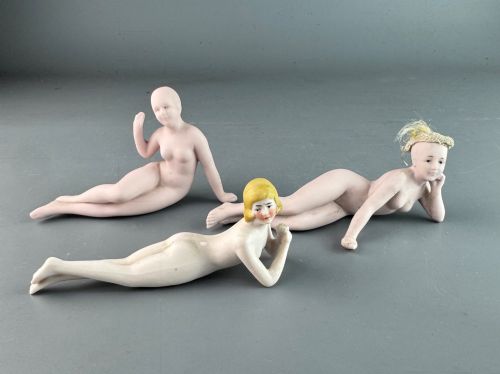
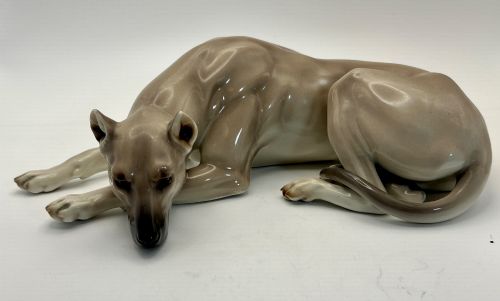
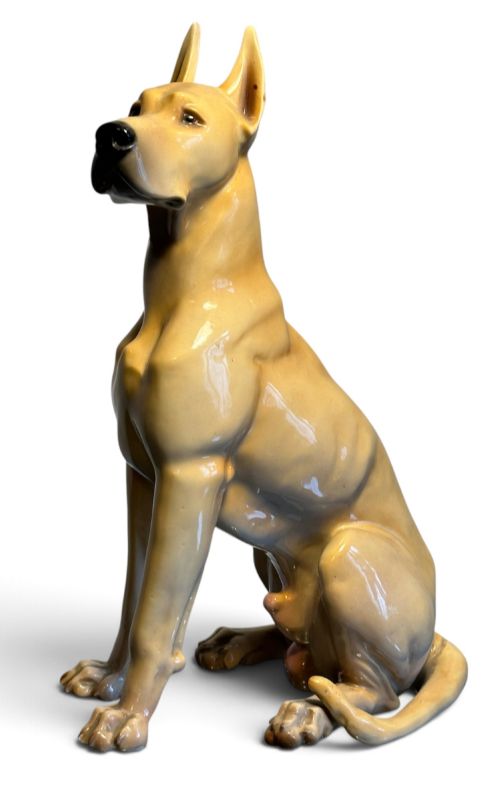
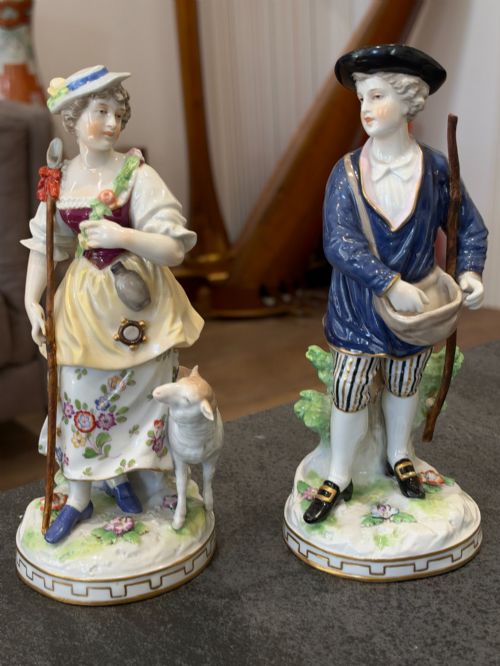
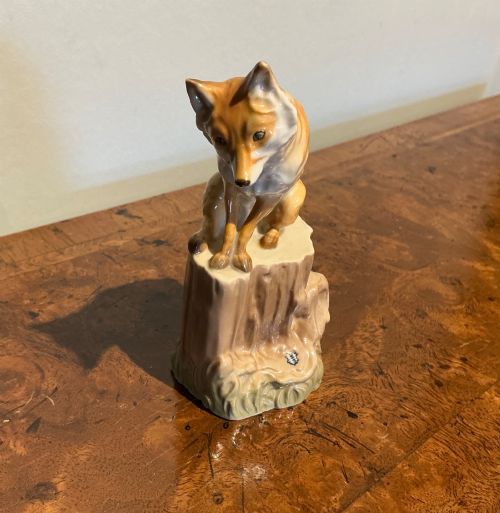
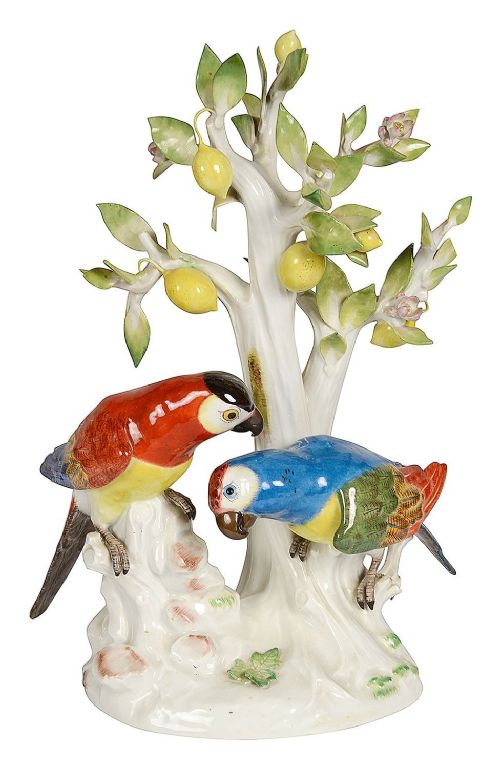
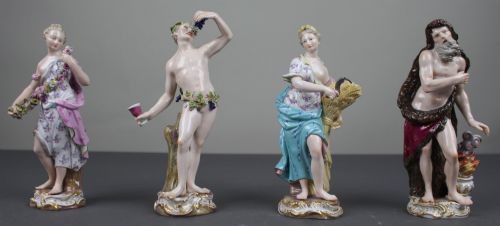
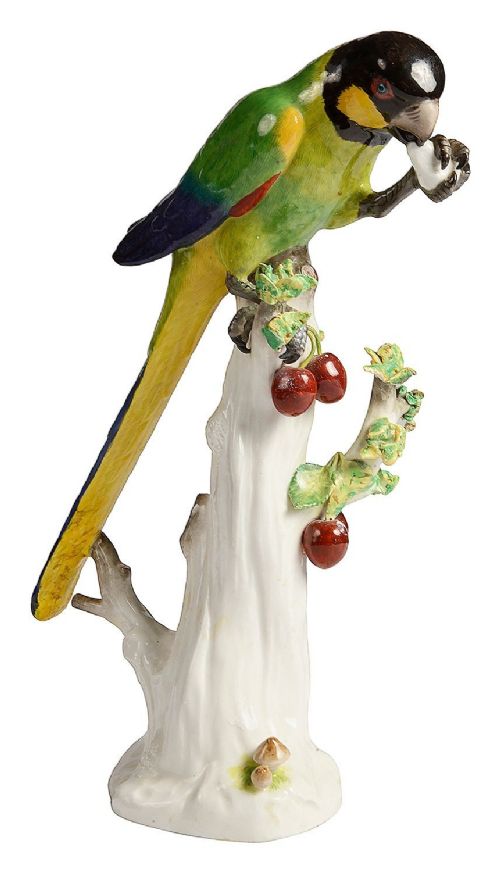
A german porcelain figurine represents sculptural subjects ranging from allegorical figures and pastoral characters to animals and birds.
You will most frequently meet 19th-century and 18th-century examples, alongside later creations from the Art Deco period.
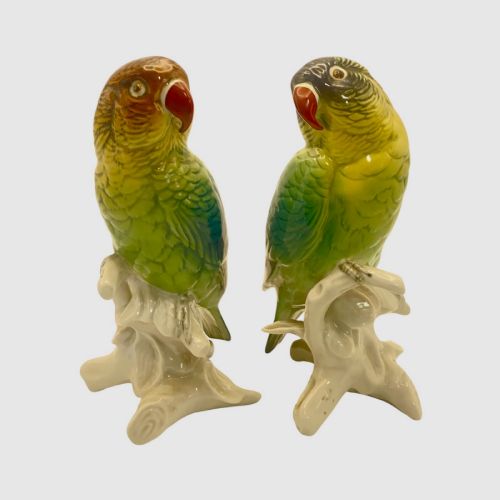
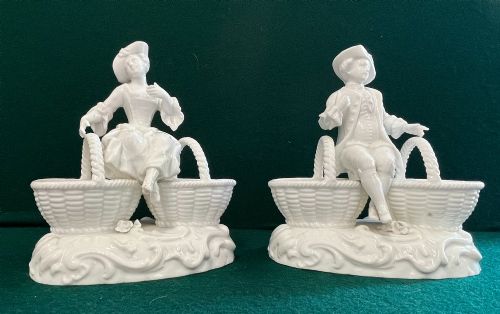
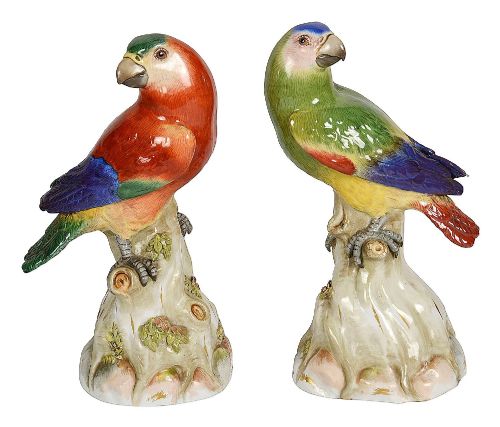
The selections span cabinet pieces, large pairs of parrots, table lamps and sweetmeat dishes produced across various regions.

How they were made
Hard-paste porcelain forms the structural body of these objects, fired at high temperatures to achieve a vitrified, durable base.
Enamel colours and glaze are applied over or under the final firing, often accented with gold leaf and gilt highlights.
German Porcelain Figurine Retail Price Guide 2026
Typical asking prices for german porcelain figurine among the pieces listed under this phrase on Sellingantiques today, from the lower quarter to the upper quarter. They describe what is for sale here now, not the wider market.
A porcelain dog lamp from 1880 proves that Victorian households took their lighting with a heavy dose of canine charm.
What varies in quality
The sharpness of the modelling and the precision of the hand-painted decoration dictate the standing of a piece within its period.
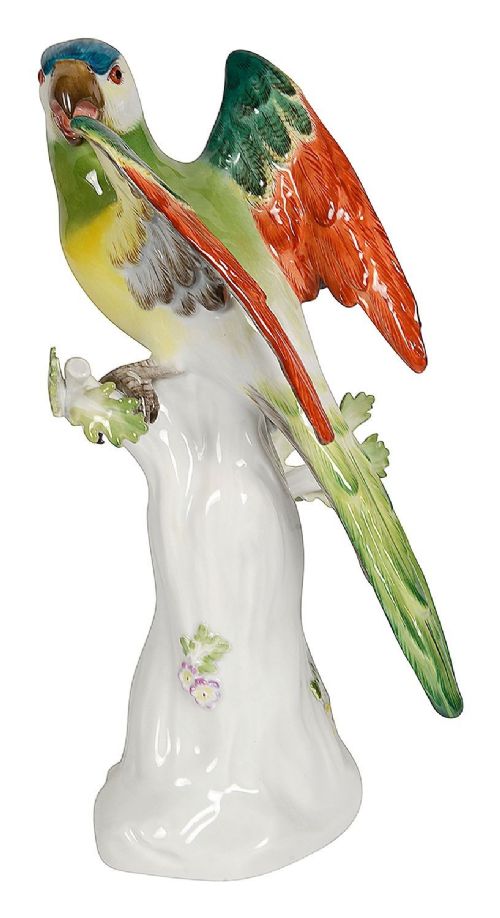
Finer examples display intricate applied elements, such as delicate foliage or lace, executed with absolute control by the modeller.
Meissen·Karl Ens·Nymphenburg·Volkstedt Rudolstadt Factory·Krister KPM Waldenburg·Carl Thieme Dresden·Fasold & Stuach·C. G. Schierholz·Gebruder Heubach·Sitzendorf Factory·KPM·Dressel Kister & Cie·Conta & Boehme
The German Porcelain Figurine Glossary
- Hard-paste porcelain
- A dense ceramic compound composed of kaolin and petuntse fired at high heat. It produces a ringing tone when struck and resists scratching.
- Blanc de Chine
- A French term for white porcelain without coloured glaze. This finish highlights the purity of the form and the subtlety of the modelling.
- Glaze
- A glassy coating fused to the porcelain body during firing. It provides a waterproof, lustrous surface that protects the painted decoration underneath.
- Sweetmeat dish
- An ornamental vessel designed for serving small confectionery or dried fruits. These pieces often incorporate seated figures holding baskets.
German Porcelain Figurine: Frequently Asked Questions
How do I identify early Meissen figures?
Early Meissen figures often display distinct period characteristics in their modelling, such as Rococo curves and subdued enamel palettes. Examining the paste and the weight helps determine the era of production.
Factory marks, though sometimes copied or altered, provide further context when compared against established historical timelines for the manufactory.
What are fairings?
Fairings are small Victorian ceramic groups produced in Germany for sale at country fairs and markets. They typically depict humorous domestic scenes with witty or descriptive titles along the base.
These affordable ornaments gained widespread popularity during the 19th century and remain distinct collectible domestic objects today.
How should I clean my figurines?
Dust porcelain figures gently using a soft, dry brush to avoid abrading the delicate painted surface or the fine extremities. Water and harsh cleaning agents can damage vulnerable gilt highlights and enamel.
Keep pieces away from direct sunlight to preserve the original vibrancy of the hand-applied colours over time.
Are all animal figures painted naturally?
While many bird and animal models strive for realistic plumage and fur tones, others adopt decorative or stylised colour schemes. Species such as parrots and monkeys often feature vivid enamel palettes that reflect artistic taste rather than strict ornithological accuracy.
Later Art Deco iterations lean further into stylised forms and geometric patterns.