
Georgian Turned Pedestal Table
These georgian turned pedestal table pieces combine practical portability with centuries of craftsmanship, offering compact surfaces for wine, lamps or games.
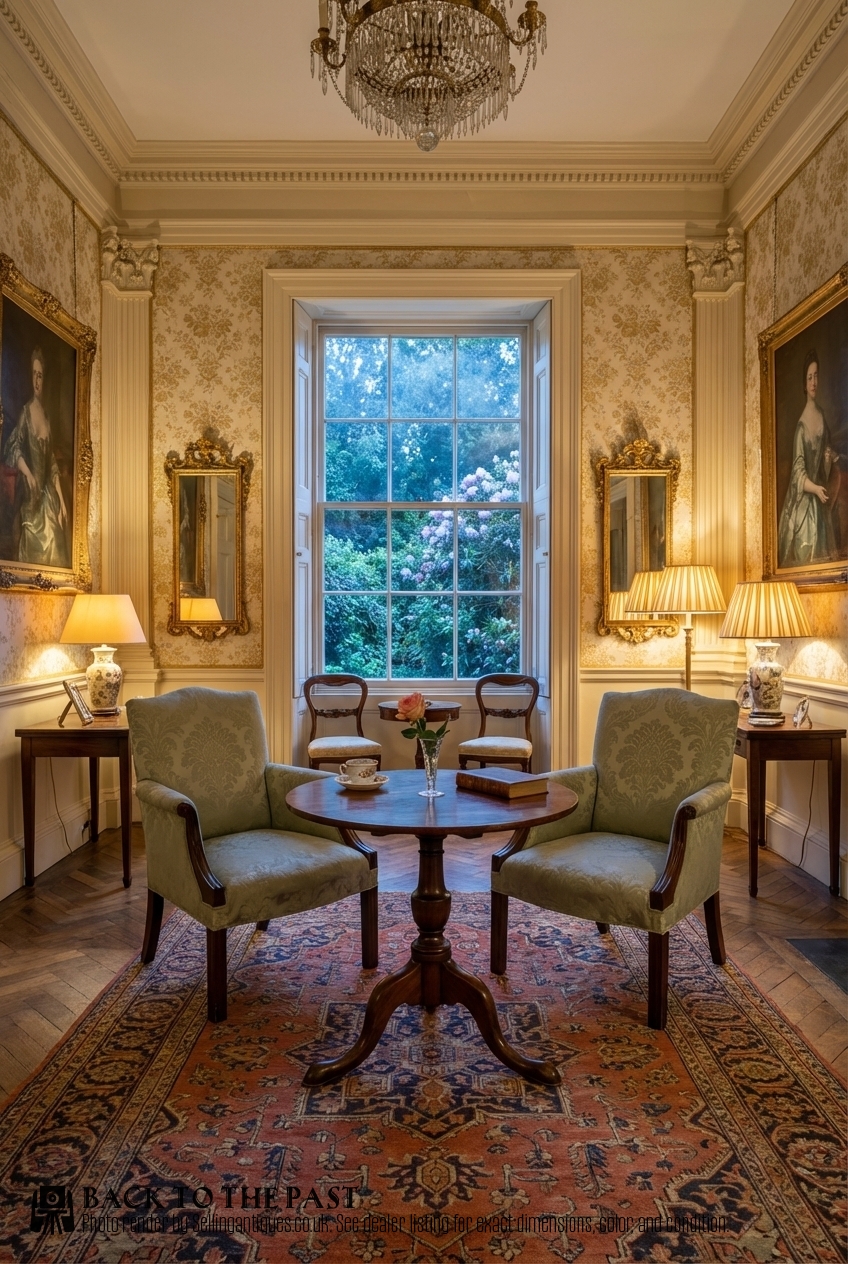
Georgian Turned Pedestal Table
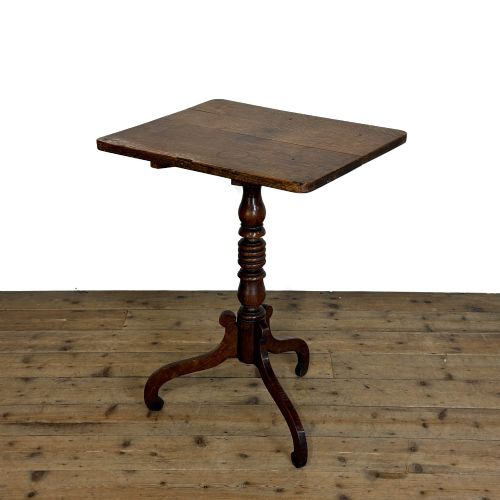
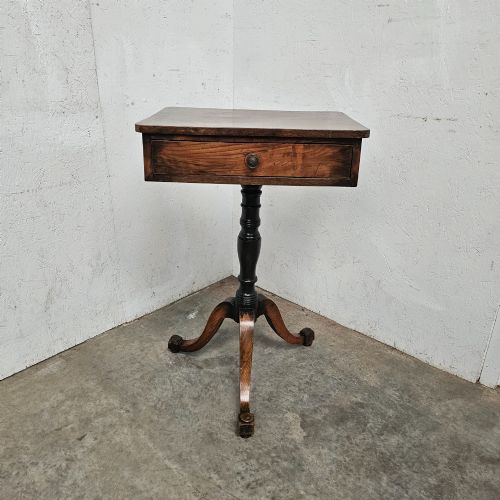
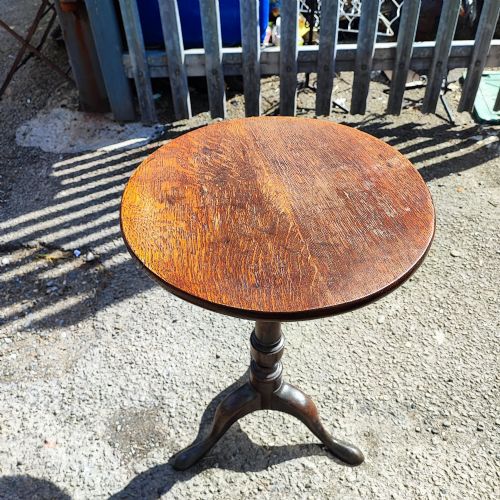
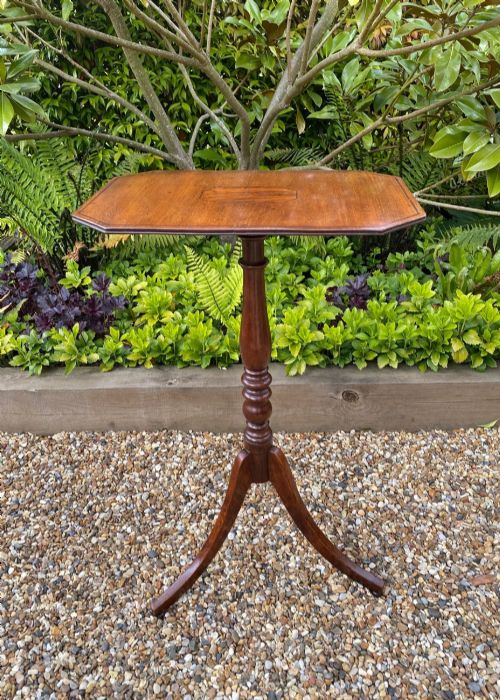
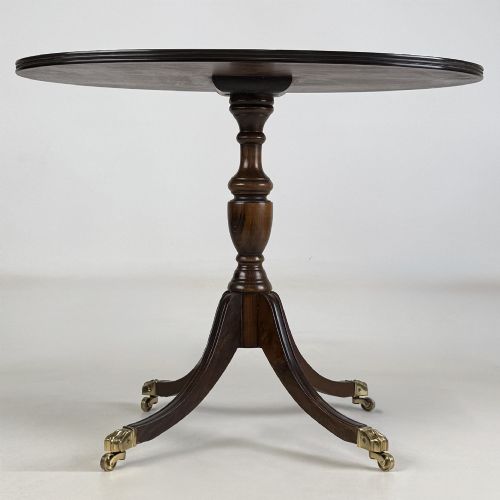
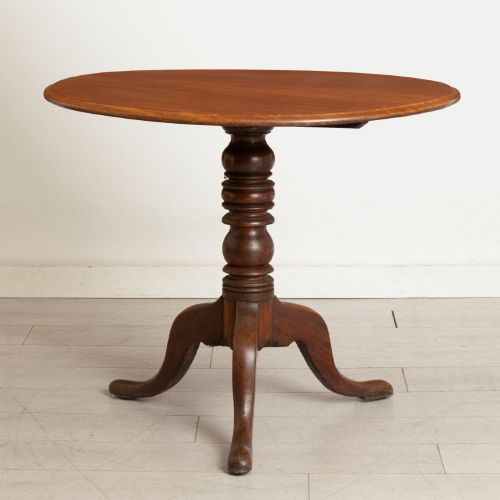
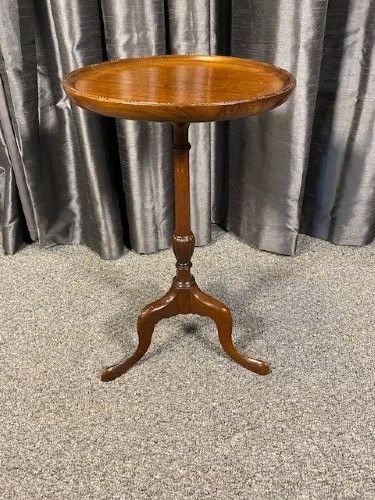
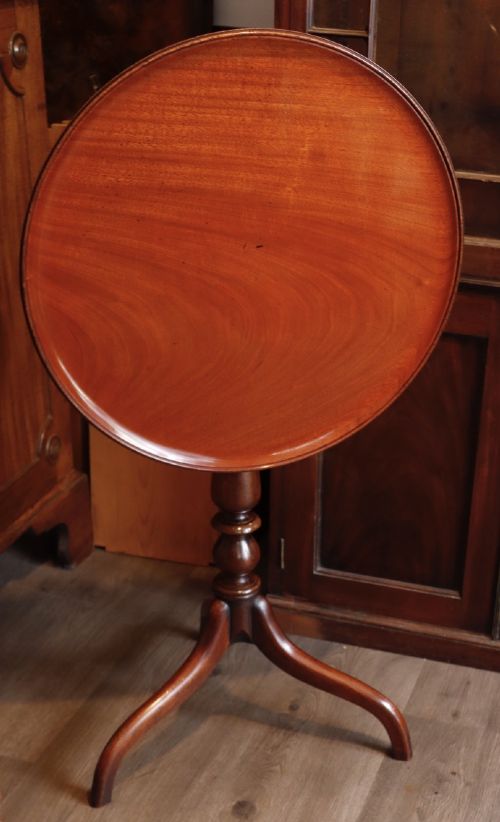
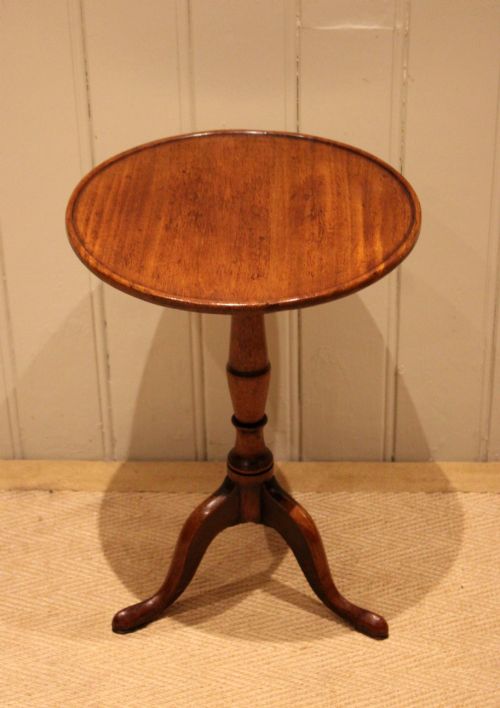
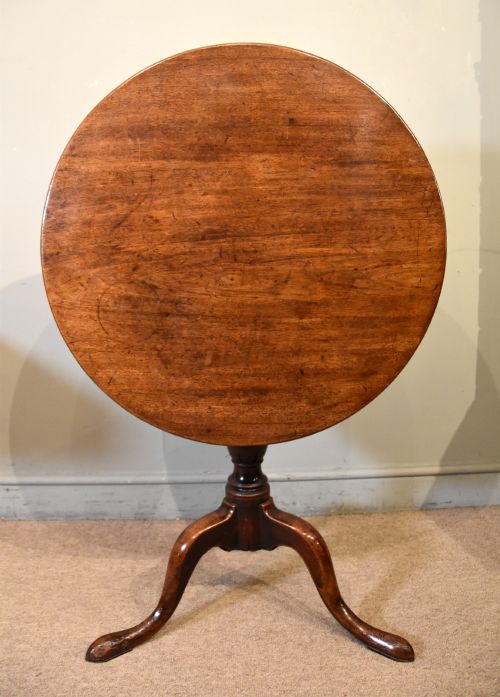
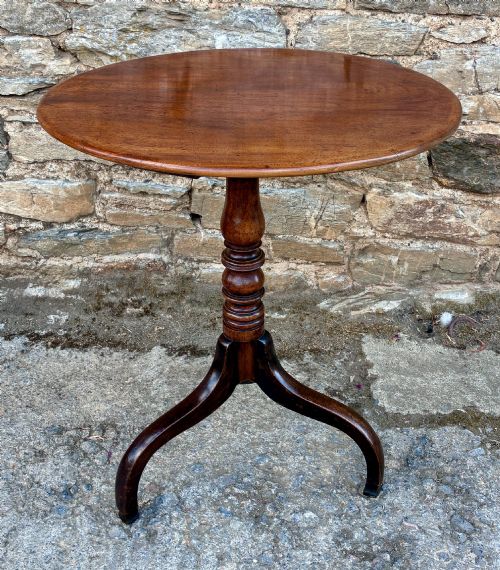
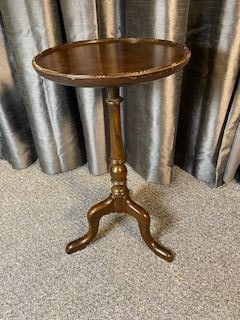
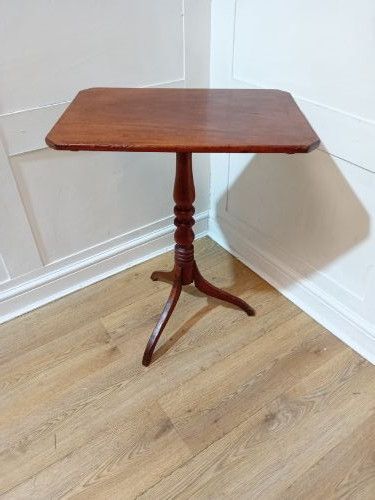
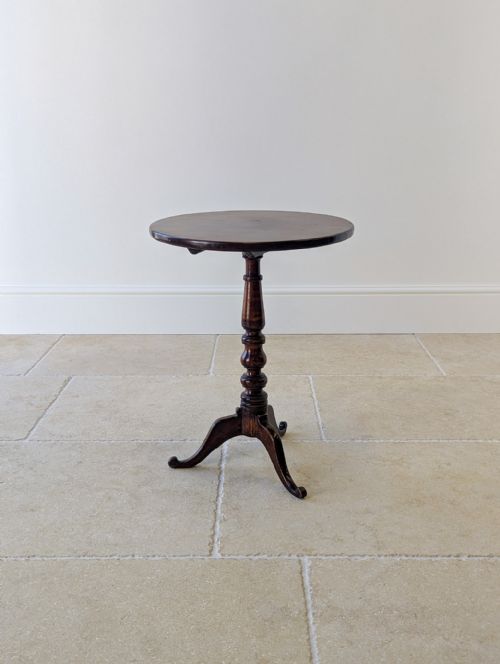
A georgian turned pedestal table stands on a central column supported by a tripod base, designed for versatility in period interiors. You will frequently encounter compact wine tables, tilt-top examples and occasional stands originating from the eighteenth and nineteenth centuries.
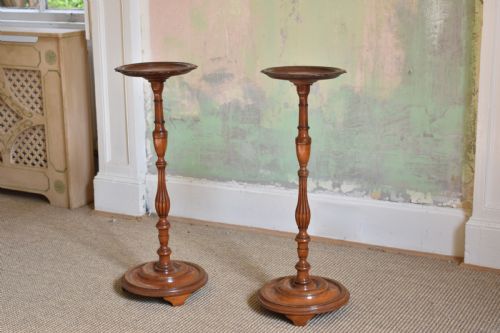
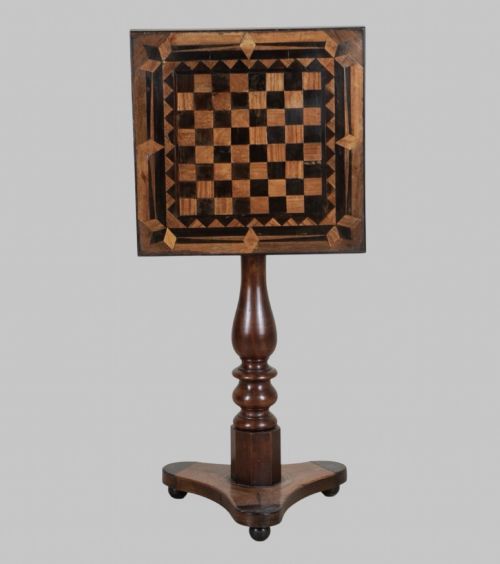
The form adapts easily to various domestic uses, appearing across the evidence as candle stands, lamp tables and games tables. Most examples feature circular or rectangular tops mounted on turned wooden stems.
Makers utilised native and imported timbers, ranging from vernacular oak and elm to finely figured mahogany, satinwood and yew. Surviving pieces span the Georgian era into the Regency and Victorian periods, often retaining tilting mechanisms or inlaid decoration.
How they were made
Cabinetmakers turned central pedestals on lathes to create slender, shapely columns that flow downwards into splayed tripod legs. Joinery often involved sturdy dovetails or pivoting birdcage mechanisms allowing circular tops to fold flat.
Timbers such as mahogany, oak and elm were selected for grain and strength, sometimes enhanced with boxwood stringing, ebony or penwork decoration. Surfaces were hand-finished with polishes that highlight the natural figure of the wood.
Functional forms range from simple wine tables and candle stands to games tables and three-tier dumb waiters.
What varies in quality
Quality rests on the crispness of the timber turning, the balance of the tripod base and the selection of figured veneer or solid wood. Superior pieces exhibit refined proportions where the column tapers gracefully and the legs meet the stem with secure, integrated joints.
The integrity of mechanisms like the birdcage pivot or tilt action distinguishes finer examples from simpler vernacular pieces. Subtle details such as boxwood stringing or inlaid satinwood elevate the decorative ambition of the work.
The Georgian Turned Pedestal Table Glossary
- Tilt top
- A tabletop mounted on a catch and pivot mechanism allowing it to be stored vertically against a wall when not in use. This clever space-saving design is common on eighteenth-century tripod tables.
- Birdcage
- A revolving wooden framework beneath the tabletop that permits the surface to both rotate and tilt. It is typically found on higher-status Georgian examples.
- Tripod base
- A supporting structure consisting of three splayed legs radiating from a central pillar. This configuration ensures stability on uneven floors.
- Stringing
- Thin inlaid lines of contrasting timber, such as boxwood or ebony, used to outline the edges of tabletops. This decorative technique defines panels and borders.
- Vernacular
- Furniture made by local regional craftsmen using readily available native timbers like oak or elm rather than imported hardwoods. These pieces often display charmingly straightforward construction.
Georgian Turned Pedestal Table: Frequently Asked Questions
How were wine tables used?
Wine tables served as movable stands for bottles, glasses and candles during evening entertaining in the eighteenth and nineteenth centuries. Their small footprints allowed servants to place them beside seating.
Today they function equally well as compact lamp stands or bedside tables in modern interiors.
What woods are most common?
Mahogany appears frequently in Georgian and Regency examples, valued for its rich colour and stability. Oak and elm represent earlier or more vernacular traditions.
Finer decorative pieces occasionally incorporate satinwood, yew or boxwood stringing to create contrast.
How do I spot a Georgian piece?
Georgian tables typically display restrained proportions, hand-turned pedestals and traditional joinery without modern metal fasteners. Timber choice and patination also offer clues to age.
Stylistic markers range from plain tripod legs to subtle stringing and inlay characteristic of the late eighteenth century.