


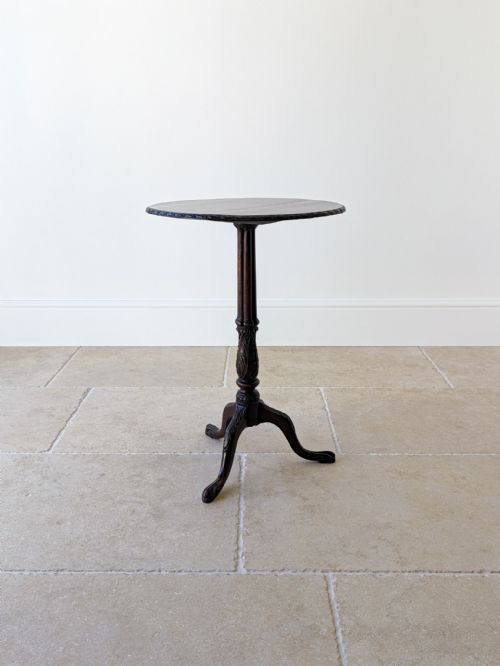
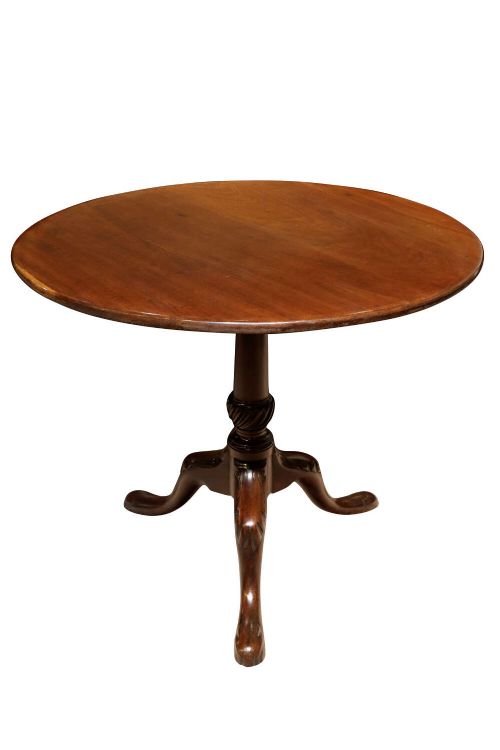
Mahogany Tripod Wine Table
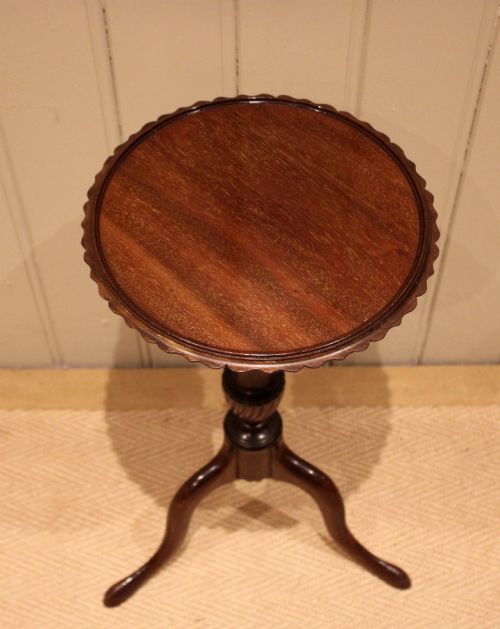
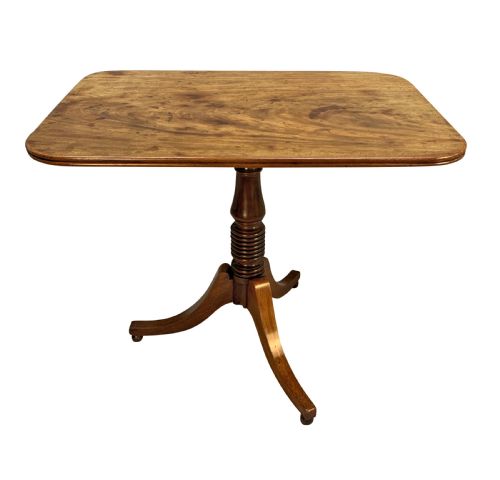
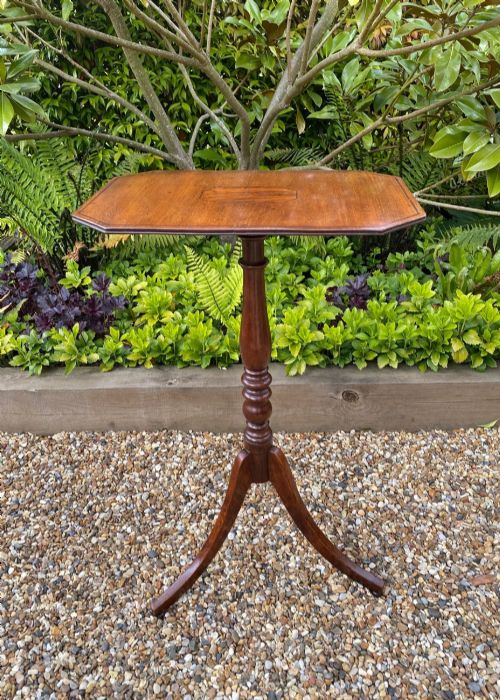
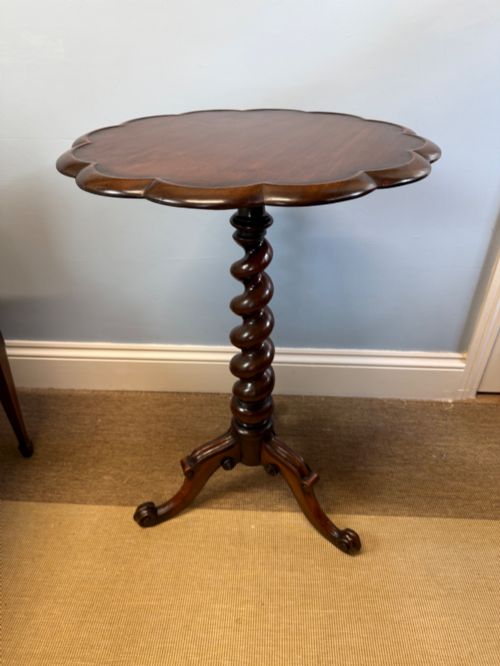
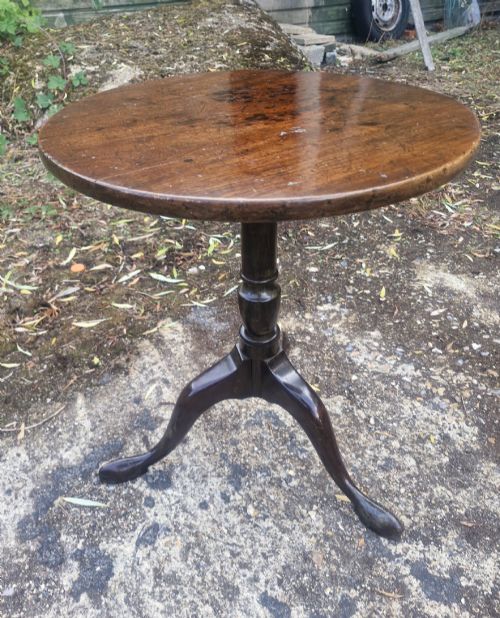
These mahogany tripod wine tables offer compact surfaces and graceful pedestals, perfect for holding a glass beside a chair.
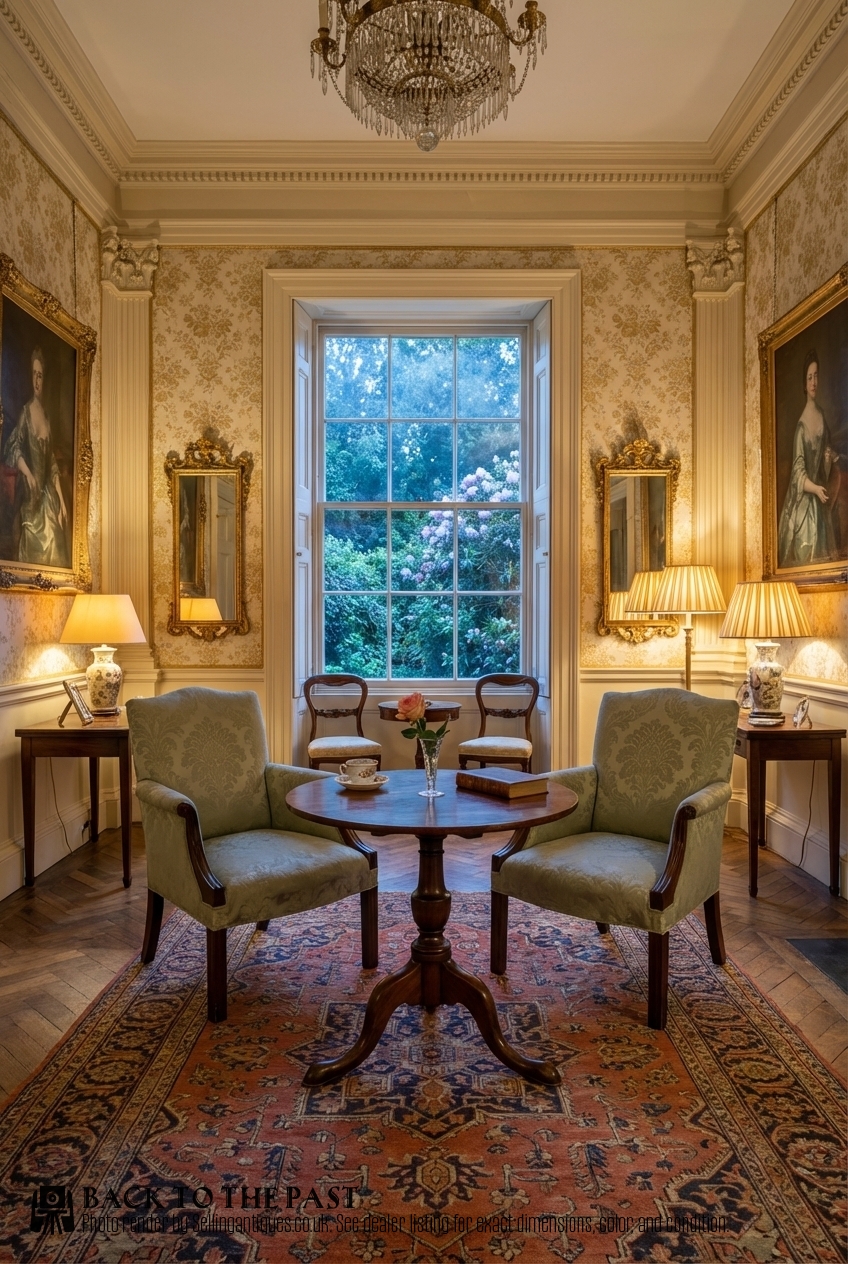
Mahogany Tripod Wine Table
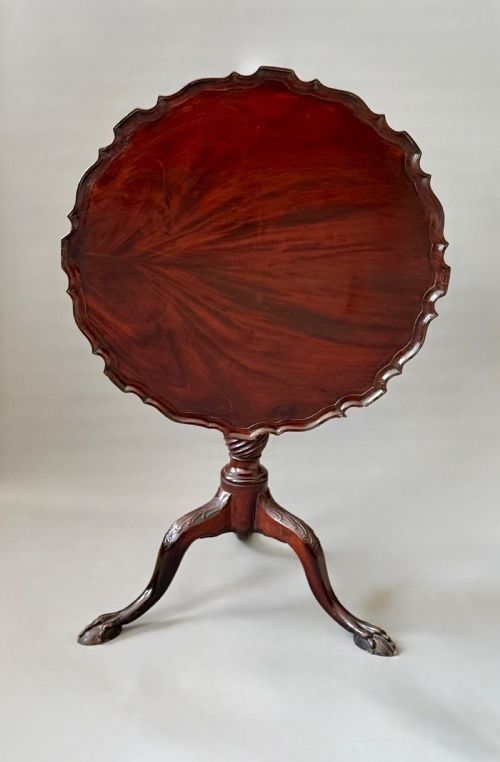
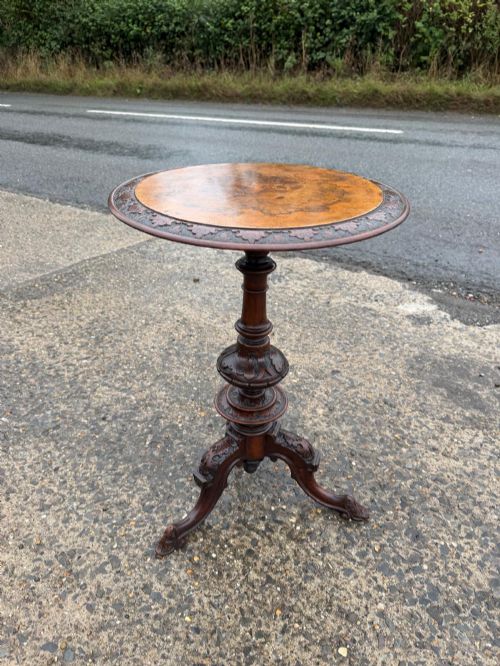
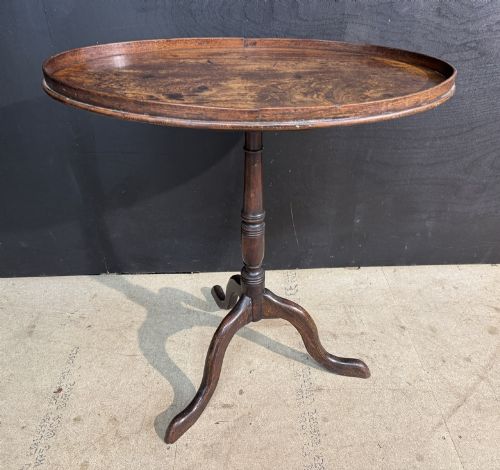
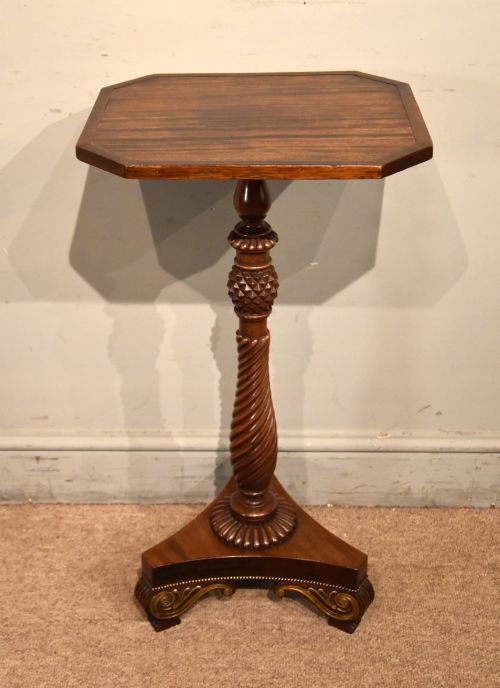
A mahogany tripod wine table is a small occasional piece designed for portability and function, sitting on three legs beneath a central pedestal. These tables appear in forms such as circular lamp tables, candle stands, and kettle stands.
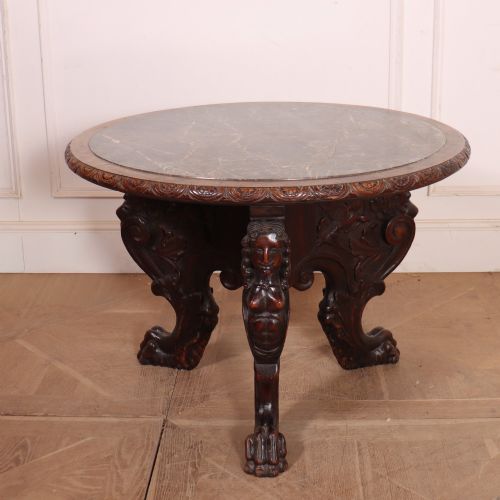
The pieces on this page span the eighteenth century, the Georgian era, the Regency period, and Victorian times, alongside later revival styles. Circular and dish tops predominate, though rectangular and octagonal formats also emerge from the archive.
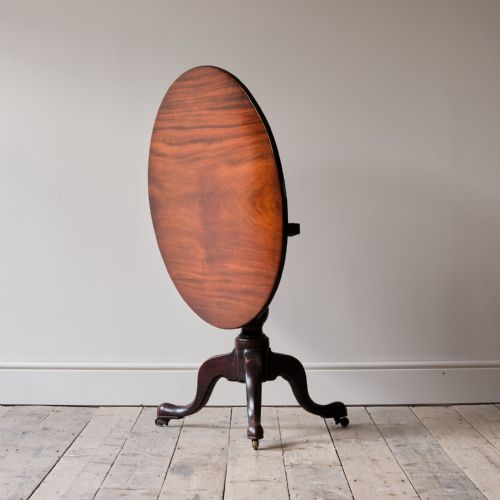
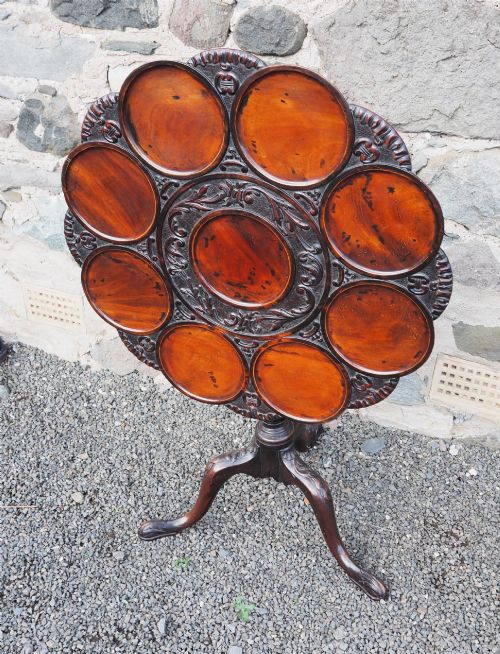
Buyers seeking a mahogany tripod wine table encounter formats that double as side tables, coffee tables, or occasional lamp tables. Many feature tilt tops or birdcage mechanisms for easy storage when not in use.
Construction and Materials
Makers utilised solid mahogany and hardwood, sometimes incorporating oak or brass components within the internal mechanisms and fittings. Golden mahogany varieties show distinct timber grain across the circular and tilt tops.
The central pedestal column supports a three-legged tripod base, joined securely to withstand frequent movement about the room. Turning techniques shape the central shafts and legs into pillars and scrolled feet.
Retail Price Guide 2026
Typical UK retail prices for mahogany tripod wine table, calculated from the Sellingantiques database of over a million retail prices indexed since 2003. This retail price guide relies exclusively on Sellingantiques data; no external sources or auction records are used, so the figures do not describe the wider market.
Tilt-top mechanisms let these tables fold flat against the wall, proving that eighteenth-century tidiness rivals modern space-saving tricks.
Quality and Craftsmanship
The refinement of the timber and the crispness of the turning distinguish finer examples from standard workshop pieces. Golden mahogany surfaces with rich grain contrast against simpler, plain hardwood constructions.
Sophisticated mechanisms, such as birdcage actions and tilt-top pivots operating smoothly without play, separate superior specimens from basic rigid tables.
The Mahogany Tripod Wine Table Glossary
- Tilt-top
- A hinged tabletop mechanism that pivots vertically to allow the table to stand flat against a wall when not in use.
- Birdcage
- A timber framework beneath the top that allows the surface to both rotate and tilt.
- Dish top
- A raised, concave rim carved directly from the solid mahogany edge of the tabletop to prevent glasses from slipping.
- Tripod base
- A three-legged support structure radiating from a central turned pedestal column.
Frequently Asked Questions
What were wine tables used for?
These tables served historically to hold bottles, glasses, and candles beside seating areas during social evenings.
Their portable size allowed servants to move them easily around a drawing room as required.
How do you date a mahogany table?
Dating relies on observing construction marks, timber characteristics, and stylistic details associated with Georgian, Regency, or Victorian eras.
Cabinet-making methods shifted across the eighteenth and nineteenth centuries, changing how legs and columns connect.
What is a tilt-top mechanism?
A tilt-top allows the surface to pivot flat against the central pillar using a wooden catch or pivot block.
This clever design saved valuable floor space in period homes when the evening gatherings ended.
Where should I place a wine table?
A wine table fits neatly beside an armchair, sofa, or in an empty corner as a lamp or display surface.
Its compact tripod footprint ensures it occupies minimal floor space in smaller rooms.