


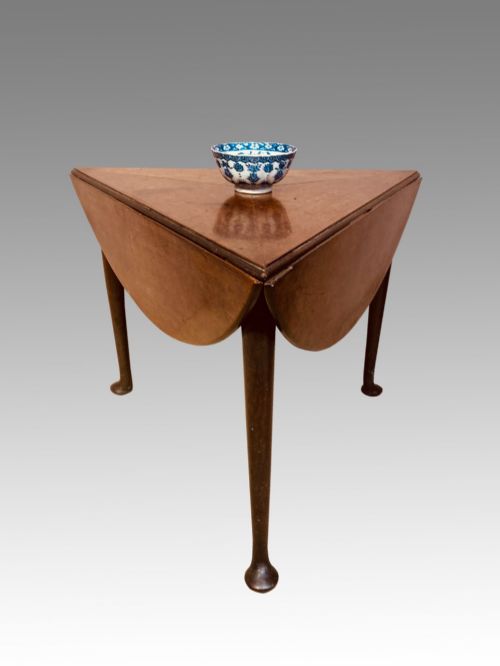
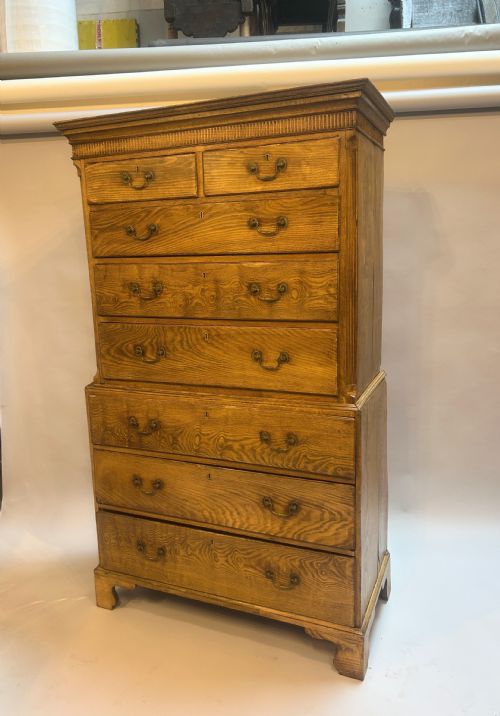
George I Furniture
George I furniture brings together robust walnut timbers and refined cabinet-making from the early eighteenth century.
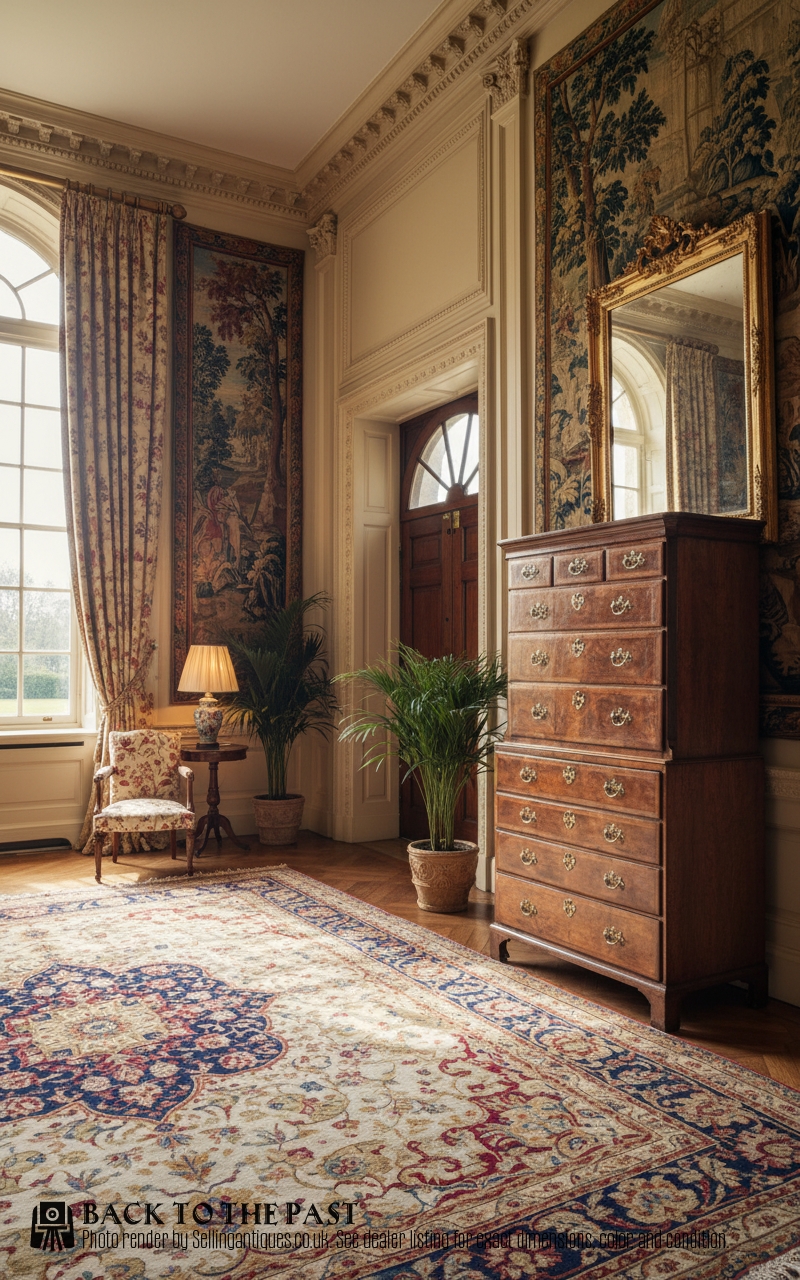
George I Furniture
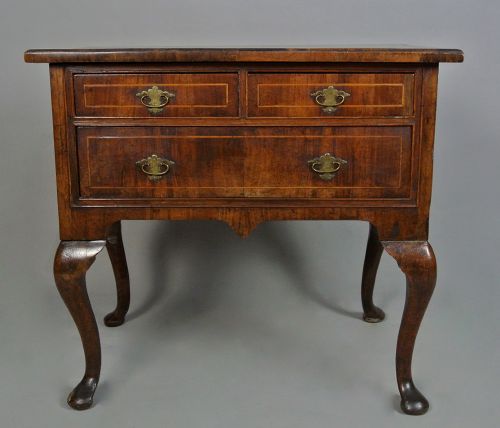
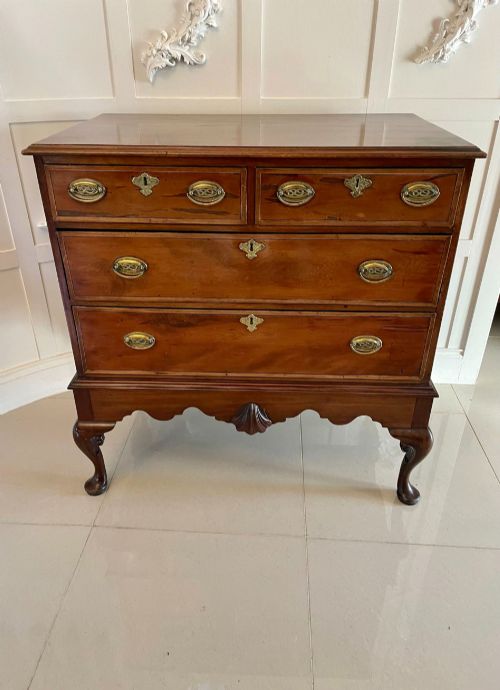
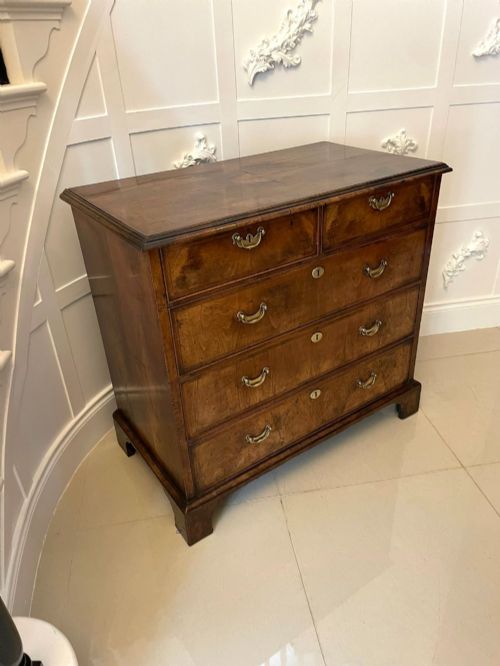
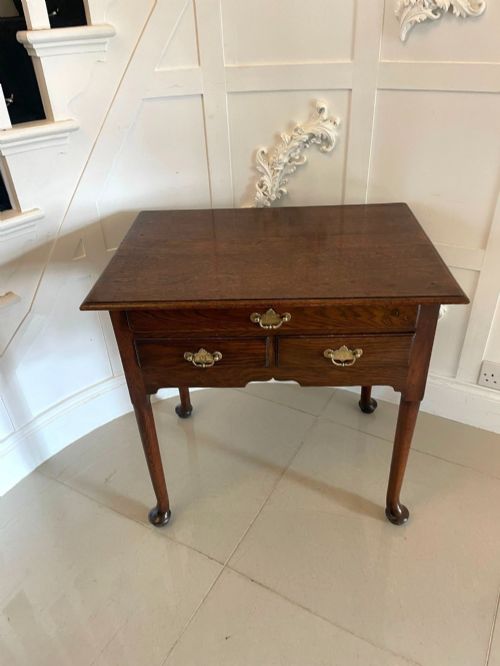
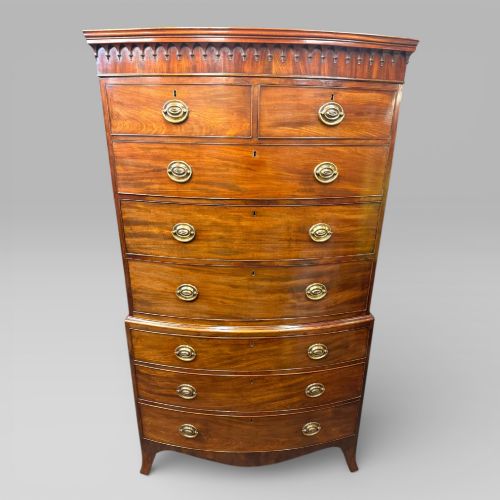
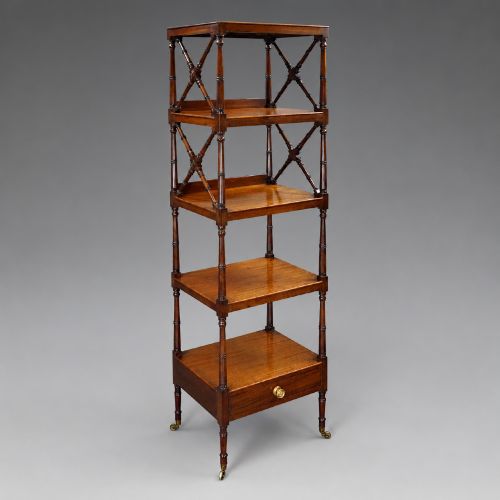
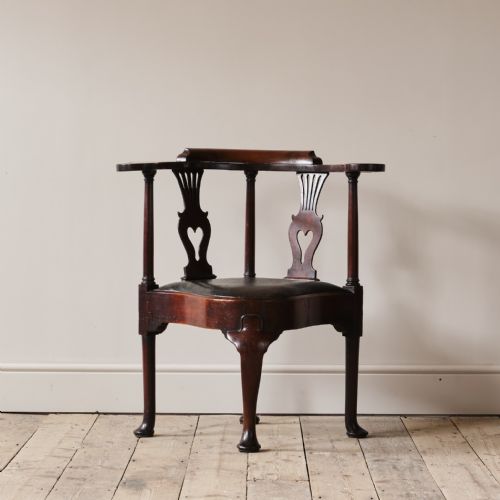
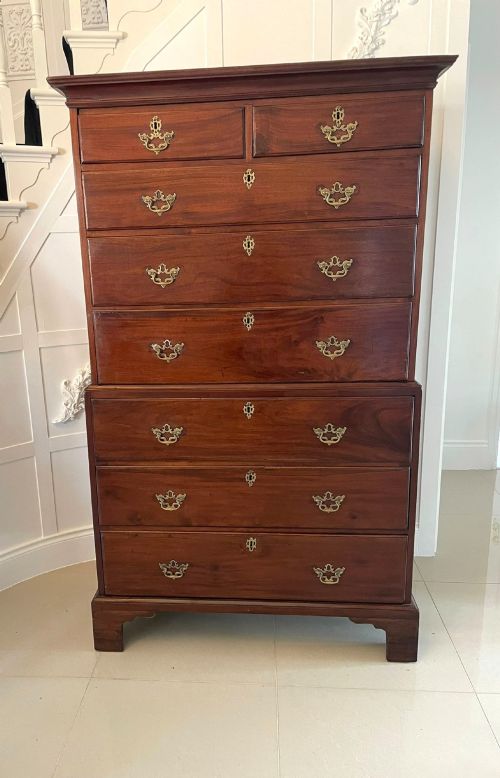
George I furniture represents the cabinet-making and seating produced during the reign of the first Hanoverian king, sitting alongside pieces from related periods like the eighteenth century. Buyers seeking george i furniture often encounter walnut chests of drawers, lowboys, and bureau bookcases that showcase the period's preference for rich wood grains.
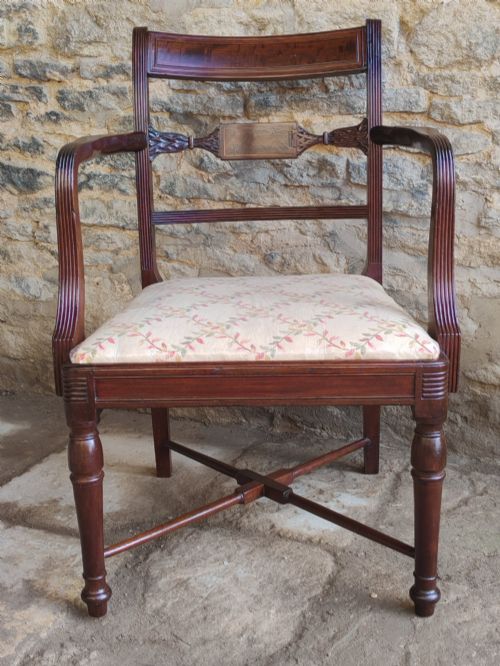
The material record for these pieces leans heavily on walnut, burr walnut, and oak, often detailed with herringbone banding. Alongside case furniture, forms such as wing armchairs and side tables appear, reflecting the domestic interiors of the era.
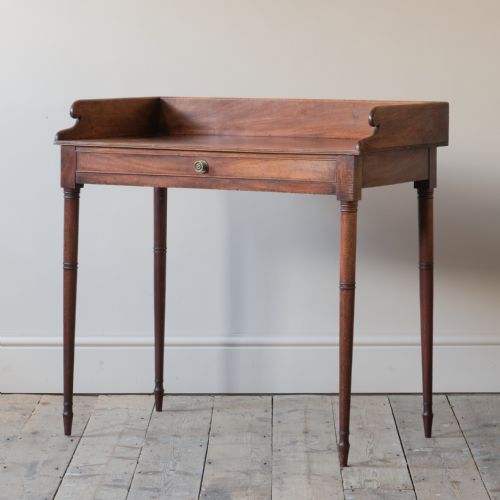
While the search targets the specific early eighteenth-century reign, the broader selection incorporates pieces carrying stylistic influences from subsequent Georgian decades and nineteenth-century interpretations. This overlap provides a continuum of domestic design, connecting the structured forms of the seventeen-twenties to later adaptations.
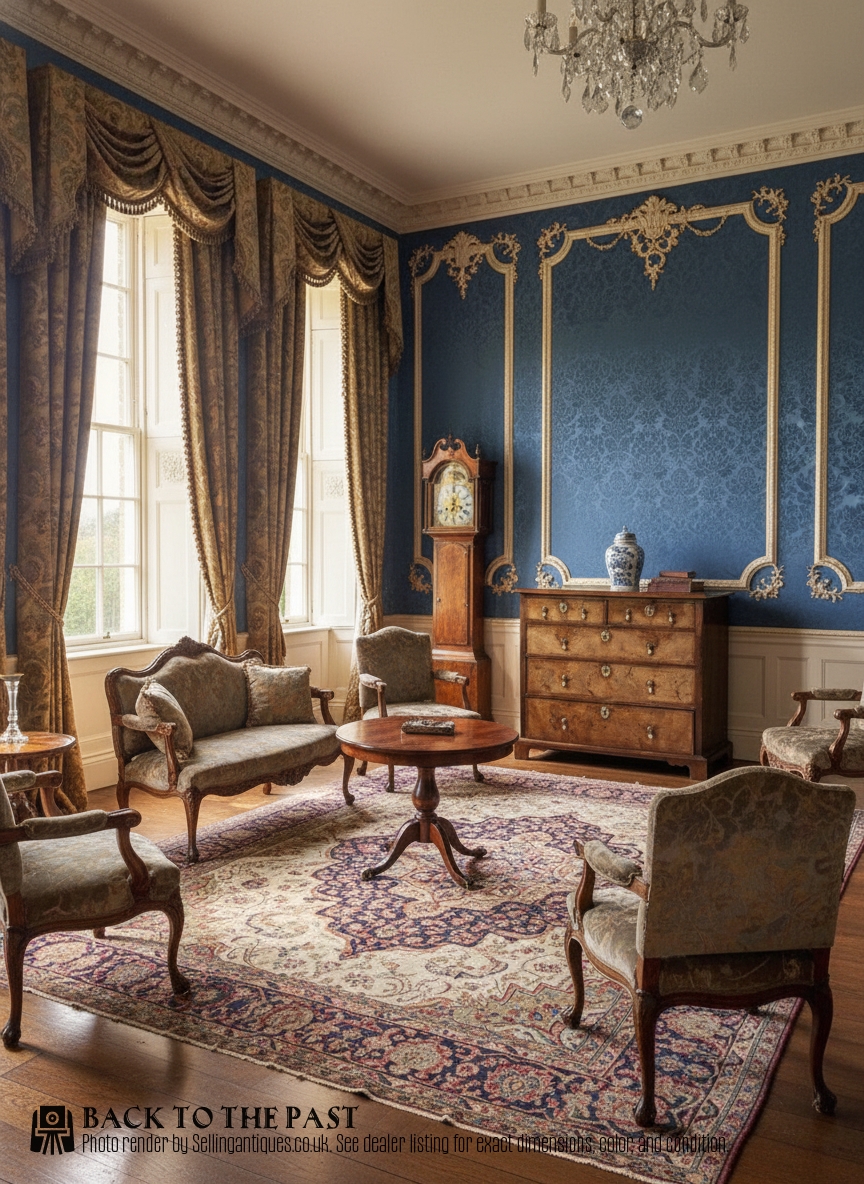
Materials and Construction
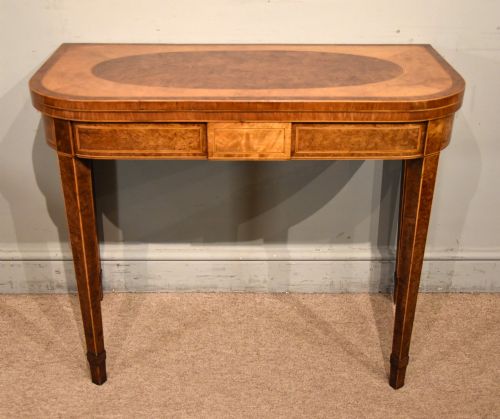
Makers of the period utilised solid timber carcasses faced with carefully selected veneers, notably burr walnut and figured walnut. These surfaces were frequently decorated with fine herringbone banding to frame the drawer fronts and table tops.
Structural elements such as oak and red walnut provide the underlying strength for case pieces and seating. Joinery methods relied on traditional dovetailing for drawers and mortise and tenon joints for frames, ensuring durability across centuries.
George I Furniture Retail Price Guide 2026
Typical asking prices for george i furniture among the pieces listed under this phrase on Sellingantiques today, from the lower quarter to the upper quarter. They describe what is for sale here now, not the wider market.
Early cabinet-makers occasionally concealed secret compartments inside bureau bookcases, rewarding future owners with tiny hidden drawers for secret correspondence.
Assessing Quality
Quality in these pieces rests upon the choice of timber figure and the preservation of original surfaces. Selected burr veneers and crisp herringbone banding display a higher degree of artisan skill than plainer, unfigured boards.
The integrity of the construction, including period brass handles and untouched internal drawer linings, distinguishes superior examples from heavily restored or later altered pieces.
George Bullock·George Oakley·Bell Barn Furniture
The George I Furniture Glossary
- Herringbone banding
- A decorative inlay pattern made from small veneer strips laid in a V-shape. This detail frequently outlines drawer fronts on walnut furniture.
- Lowboy
- A small side table with one or more rows of drawers, commonly supported on cabriole legs. These were used as dressing tables or occasional desks in eighteenth-century rooms.
- Bureau bookcase
- A dual-purpose piece combining a sloping desk flap with shelving enclosed by upper doors. They provide concealed writing compartments above deep drawer storage.
- Wing armchair
- An upholstered seat featuring high side panels designed to shield the sitter from drafts. Early examples utilise walnut frames and heavy traditional padding.
George I Furniture: Frequently Asked Questions
How do I identify George I furniture?
Look for dense walnut timbers, burr veneers, and characteristic herringbone inlay work. These pieces often feature cabriole legs and restrained decorative carving typical of the early eighteenth century.
Form and construction methods also offer clues, as early cabinet-making favoured solid oak drawer linings and simple, functional proportions before the more elaborate styles of the mid-Georgian era took hold.
Where were lowboys placed in homes?
Lowboys served versatile roles in domestic spaces, functioning as dressing tables in bedchambers or as small side tables in reception rooms. Their compact footprint made them useful for holding writing materials or personal items.
Because of their mobility, these tables moved easily between rooms depending on the household's daily requirements.
Is walnut the only wood used?
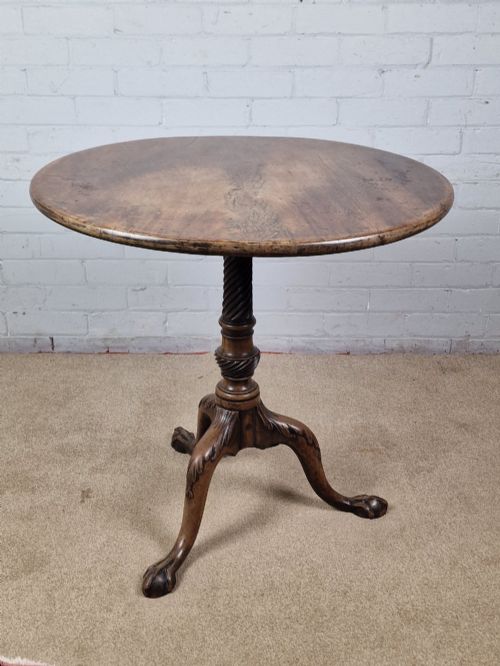
While walnut and burr walnut dominate the earliest pieces, makers also employed oak for structural carcases and secondary framing. Elm, yew wood, and red walnut appear in specific regional variations and table constructions.
Later pieces influenced by these early designs often introduced mahogany and other imported hardwoods as trade routes expanded through the eighteenth century.
How should I care for walnut surfaces?
Protect antique walnut from direct sunlight and sudden temperature shifts to prevent the veneers from lifting or drying out. Gentle dusting with a dry cloth maintains the finish without stripping natural oils.
Avoid placing these items near modern heating vents or damp areas, as stable indoor humidity preserves both the timber and the historical polish.