






Floral Porcelain Urn
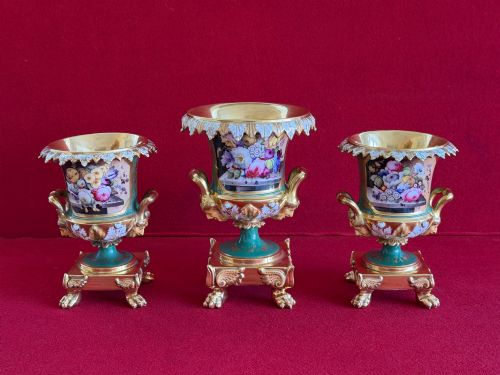
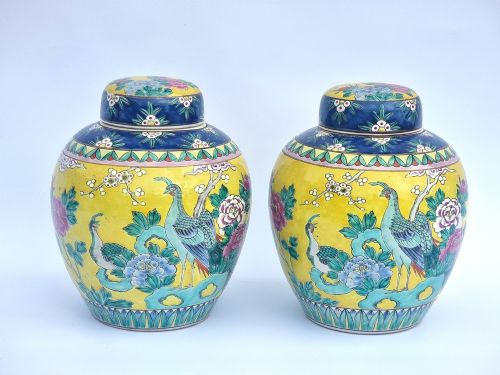
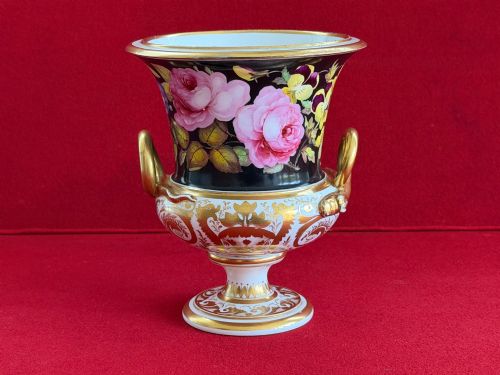
These floral porcelain urn pieces bring delicate Victorian and Japanese Imari craftsmanship into a room.
Floral Porcelain Urn
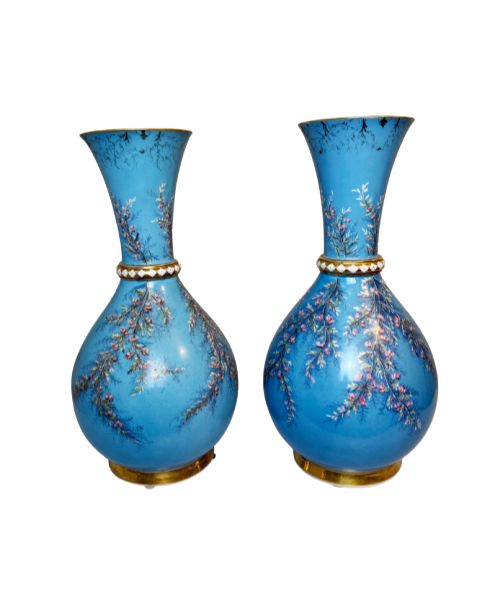
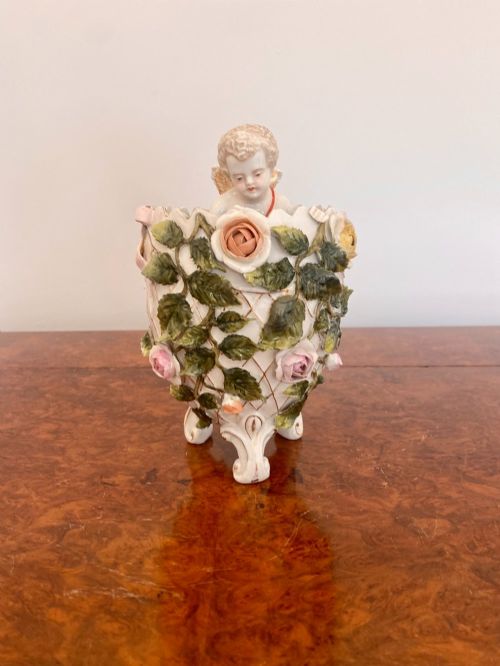
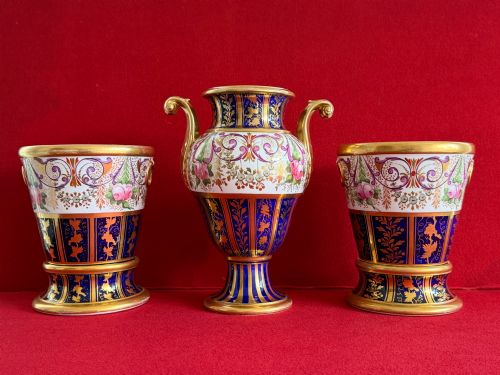
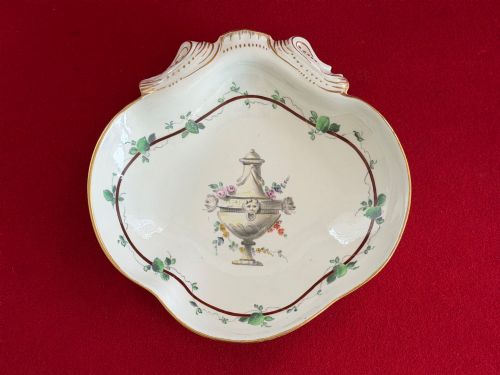
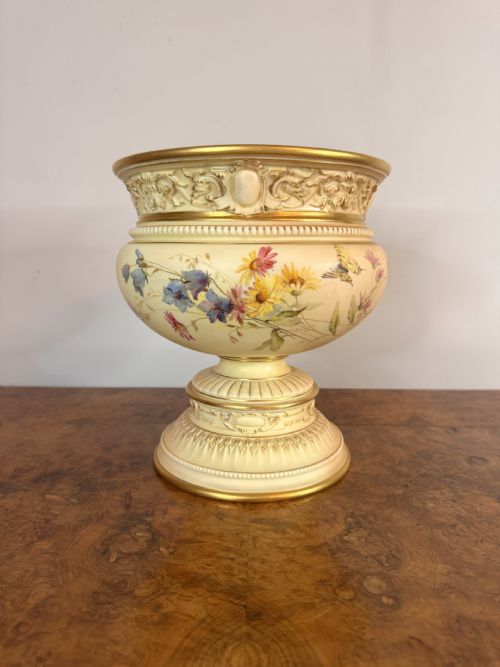
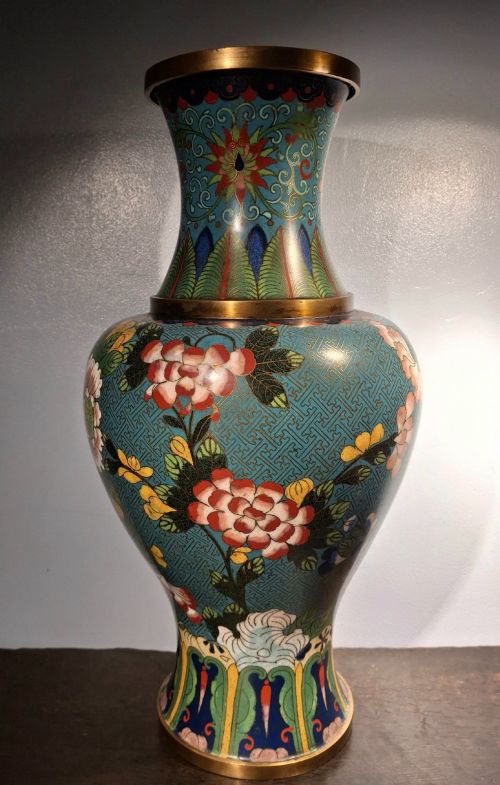
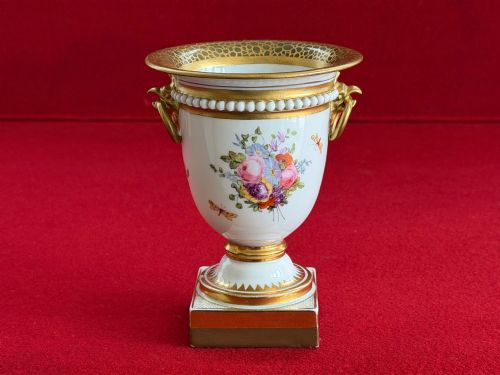
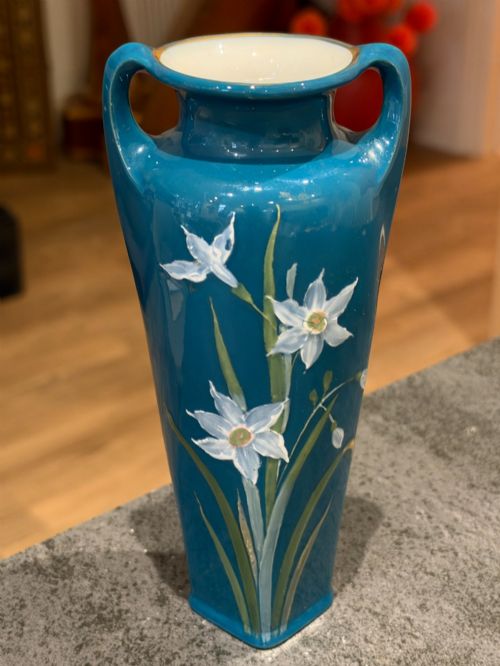
When you search for floral porcelain urn, you are looking at decorative vessels designed to display floral motifs across various forms. The pieces available here span the Victorian era and Japanese Imari styles, originating around 1870 up to 1910. The selection includes lidded potpourri pots and pedestal vases featuring detailed enamel and gilt decoration.
You are most likely to meet Victorian pieces alongside Japanese Imari examples on this page. These objects function as striking decorative centrepieces or lidded containers meant to hold dried petals and aromatic mixtures. Each item demonstrates the distinct aesthetic choices of its period, bridging European ceramic traditions with Asian design influences.
How They Were Made
These items rely on porcelain as their primary ceramic body, shaped into traditional urn and vase silhouettes. Artisans applied vibrant enamels to build up floral patterns across the surface of the clay. The combination of painted botanical scenes and structured forms required precise firing techniques in dedicated kilns.
Gilding and gold leaf accent the porcelain surfaces, often highlighting handles, rims, and specific details within the floral design. Potters utilised gilt to frame the painted motifs, adding depth and contrast to the glazed ceramic background. Lidded variants required exact fitting between the main vessel and the cover to maintain clean lines.
Floral Porcelain Urn Retail Price Guide 2026
Typical asking prices for floral porcelain urn among the pieces listed under this phrase on Sellingantiques today, from the lower quarter to the upper quarter. They describe what is for sale here now, not the wider market.
The listings here include items from the Victorian period, 1870, 1900, and 1910, spanning porcelain, enamel, and gilding.
What Varies in Quality
The sophistication of the painted floral enamel work separates finer examples from standard production. Superior items display meticulous brushwork with subtle shading and well-defined botanical details. Lesser pieces often feature heavier, less refined application of colour across the porcelain body.
The preservation of the gilding and gold leaf heavily influences the overall character of a piece. High-grade items retain crisp, bright metallic accents without excessive rubbing or loss from handling. The precision of the moulding, particularly on lidded potpourri pots and pedestal urns, marks the distinction in tier.
Royal Worcester
The Floral Porcelain Urn Glossary
- Gilding
- The application of gold leaf or gold dust to the surface of the porcelain. This technique adds metallic brilliance and highlights specific design elements on the ceramic body.
- Potpourri
- A mixture of dried petals and spices kept in a lidded container to release fragrance. Potpourri pots feature pierced lids to allow the scent to disperse into a room.
- Imari
- A style of Japanese porcelain decorated in underglaze blue and overglaze red, gold, and other colours. It heavily influenced European ceramic design during the nineteenth century.
- Pedestal
- A raised base supporting an urn or vase. This architectural feature elevates the main vessel to create a more prominent display.
Floral Porcelain Urn: Frequently Asked Questions
How were they used historically?
Historically, lidded variants such as potpourri pots held aromatic dried plant materials to fragrance domestic rooms. The pierced lids allowed scents to permeate the surrounding space.
Pedestal vases and standard urns functioned mainly as decorative ornaments on mantelpieces, tables, or sideboards, demonstrating the owner's taste.
How do I live with them?
Place these pieces on sturdy surfaces away from high-traffic areas to protect their delicate enamel and gilt decoration from accidental knocks. Direct sunlight can fade painted surfaces over extended periods.
Dust them gently with a soft, dry cloth rather than using liquid cleaners, which might damage the gold leaf and enamel over time.
How do I tell periods apart?
Victorian pieces often reflect European botanical painting traditions combined with rich gilding and blush ivory tones. Japanese Imari examples rely on a distinct palette of blue, red, and gold within traditional panel layouts.
Examining the underlying porcelain body and the style of the enamel work helps establish whether a piece belongs to the mid-nineteenth century or the Edwardian era.