
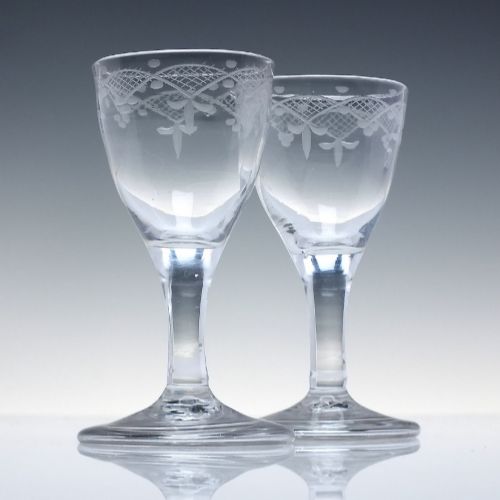
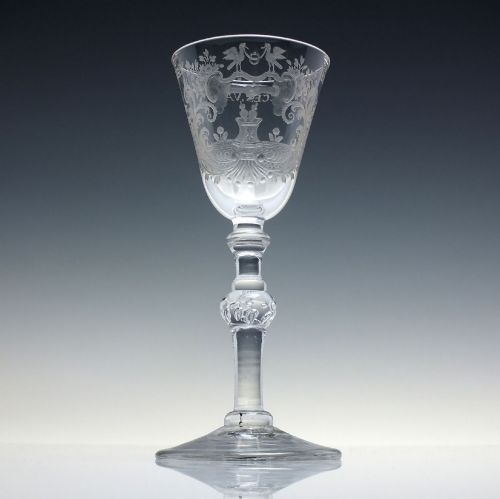
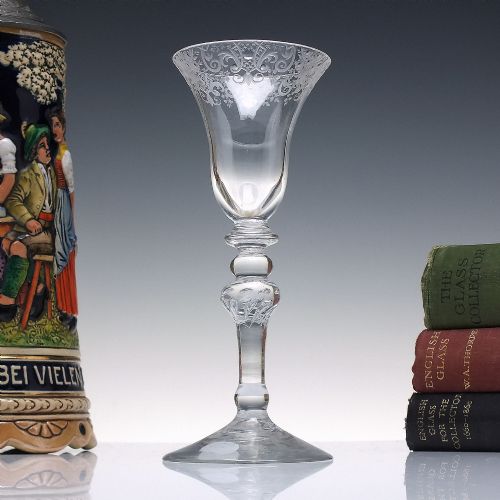



Engraved Flint Glass Stemware
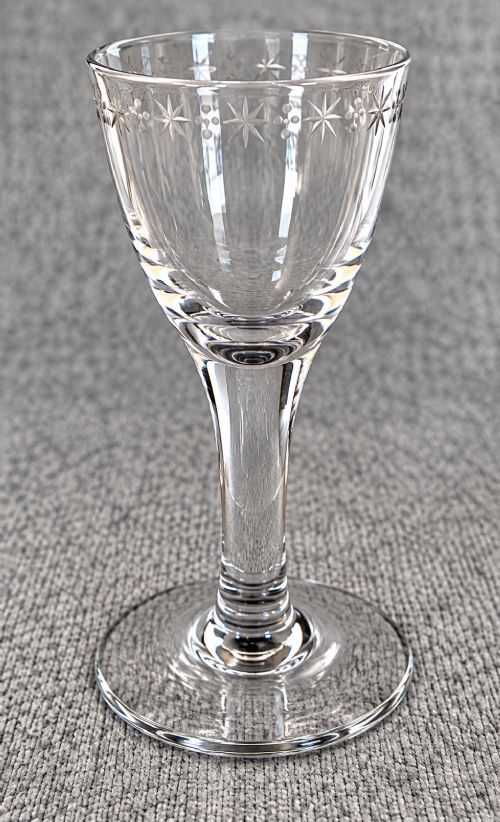
Engraved flint glass stemware unites drinking vessels from the eighteenth century, pairing lead crystal clarity with wheel-cut or diamond-point ornamentation.
Engraved Flint Glass Stemware
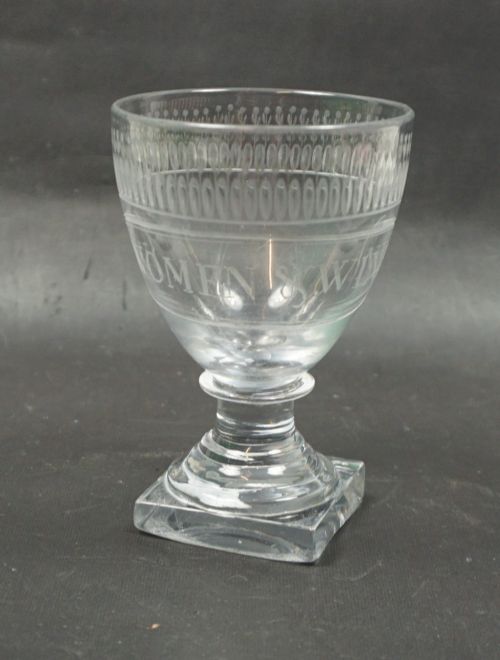
When you search for engraved flint glass stemware, you encounter drinking vessels originating in the eighteenth century and the Georgian period. These pieces encompass wine glasses, dram glasses, ale glasses, beer glasses, rummers, and ratafia glasses.
The versions you are most likely to meet on this page span the years from seventeen thirty to eighteen twenty, reflecting Georgian taste in clear lead glass. Objects range from small dram glasses to larger marriage goblets and baluster forms.
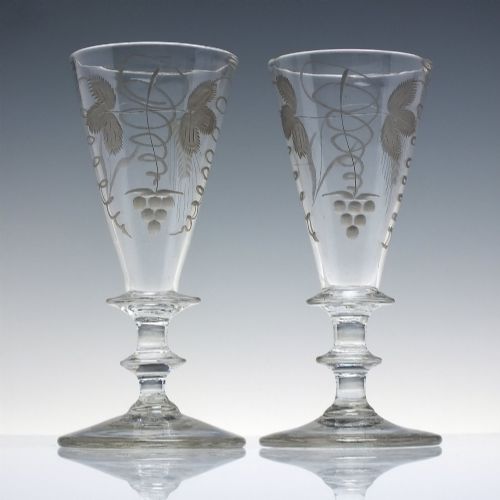
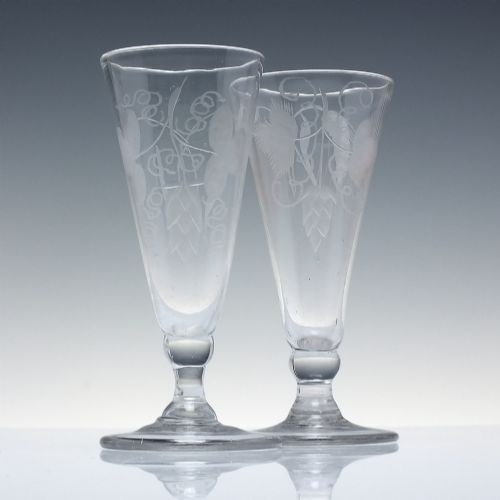
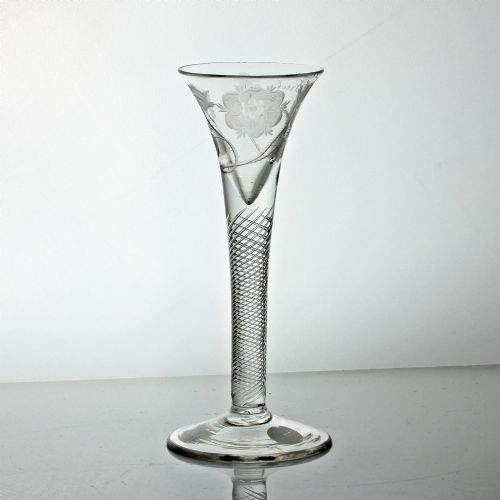
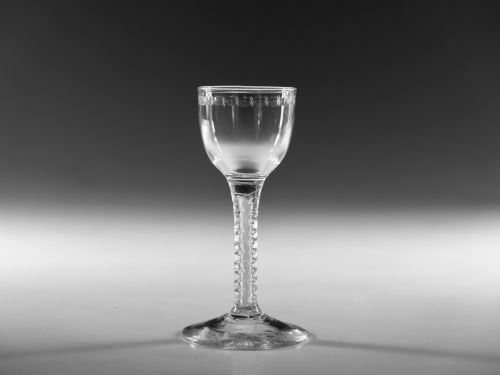
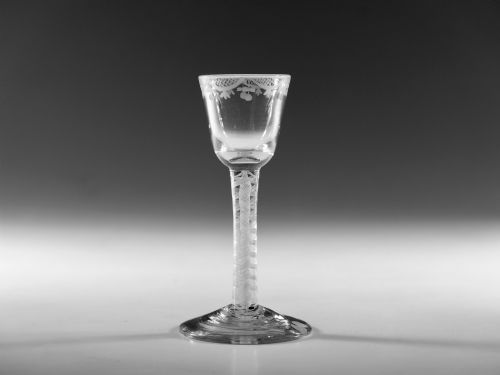
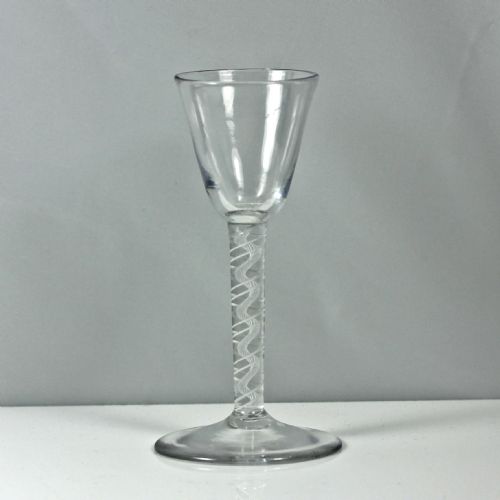
Makers utilised transparent metal to create drinking vessels decorated with wheel engraving, hop and barley motifs, or Jacobite symbology. The overarching category includes multi-spiral air twists, double-series opaque twists, and facet stems.
Materials and construction
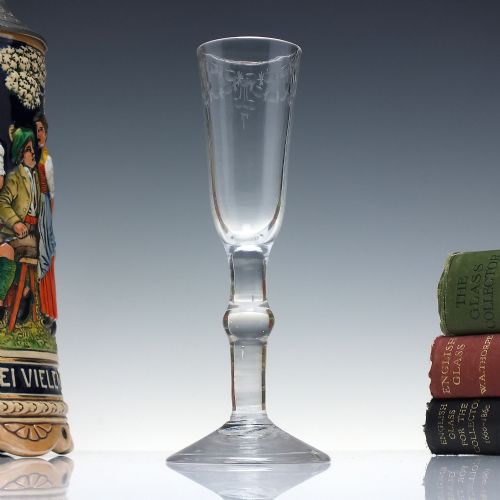
Glasshouses produced these items using lead glass, clear glass, and lead crystal, achieving a heavy, resonant metal suitable for detailed cutting. Artisans formed stems using baluster, light baluster, and balustroid techniques alongside air and opaque twists.
Decoration relied upon wheel engraving to apply floral, hop, barley, and commemorative inscriptions onto the bowl. Foot rims often featured folded construction to add strength to the base of the drinking vessel.
Quality factors in Georgian glassware
The distinction between ordinary and superior pieces rests on the complexity of the stem formation and the crispness of the engraving. Elaborate multi-spiral air twists and double-series opaque twists represent higher technical skill than plain stems.
Proportion and metal clarity define the upper tier of surviving drinking vessels. Heavy lead crystal with minimal internal bubbles and deep, well-defined wheel engraving commands greater attention from collectors.
The Engraved Flint Glass Stemware Glossary
- Flint glass
- Heavy, brilliant clear lead glass developed in England during the seventeenth century. This material forms the foundation for eighteenth-century drinking vessels.
- Air twist
- A stem containing elongated internal threads of air trapped during manufacture. The glassmaker drew and twisted the hot metal to form helical spirals inside the stem.
- Opaque twist
- A stem decorated with internal threads of white or coloured enamel glass. Double-series examples combine multiple layers of twists within the clear metal.
- Baluster stem
- A heavy, swelling stem shape derived from architectural balusters. Light baluster and balustroid variations appear frequently in mid-eighteenth-century pieces.
- Ratafia glass
- A tall, narrow flute designed for drinking sweet alcoholic cordials infused with fruit stones and spices. These slender vessels often feature engraved bowls.
- Folded foot
- A base edge turned underneath during manufacture to create a rounded rim. This technique provided extra stability and strength to eighteenth-century drinking glasses.
Engraved Flint Glass Stemware: Frequently Asked Questions
What is flint glass?
Flint glass is an early British term for lead crystal, prized for its high refractive index and heavy weight. It allowed glassmakers to produce brilliant drinking vessels with thick walls.
This material held up exceptionally well to wheel engraving, retaining sharp decorative lines over centuries of handling.
How were eighteenth century wine glasses used?
These glasses served port, claret, and fortified wines at dining tables throughout the Georgian period. Smaller dram glasses held spirits, while tall flutes accommodated cordials.
Host and guests appreciated the resonant ring of the lead metal when toasting during social gatherings.
What does Jacobite engraving mean?
Jacobite engraving refers to secret political symbolism supporting the exiled Stuart kings. Glasses bore portraits, roses, and buds intended to signal loyalty during clandestine toasts.
These commemorative pieces remain central subjects for collectors studying eighteenth-century social history.
How do you date a baluster glass?
Dating relies on the evolution of stem forms, metal weight, and foot construction. Early examples from the seventeen thirties feature heavy baluster profiles and thick folded feet.
Lighter metal and facet cutting typically indicate production moving toward the latter half of the eighteenth century.
Are these glasses safe for drinking?
Georgian lead glass is chemically stable and safe for occasional use with beverages. However, collectors usually hand-wash these pieces to preserve the antique metal and fragile engraved surfaces.
Thermal shock can crack ancient glass, so hot liquids and dishwashers should be avoided entirely.