


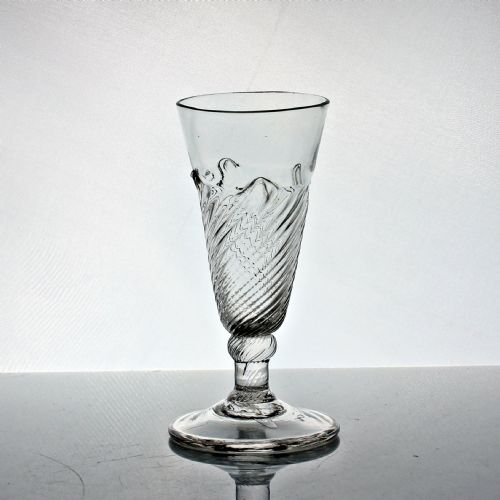


Antique Glass Ale Flutes
These antique glass ale flutes bring distinct eighteenth-century form and height to the table, offering a glimpse into historic drinking customs.
Antique Glass Ale Flutes
When you search for antique glass ale flutes, you encounter tall drinking vessels designed specifically for serving ale during the Georgian and Edwardian eras. These pieces typically feature narrow, elongated bowls supported by stems and feet, intended to display the clarity and carbonation of the drink.
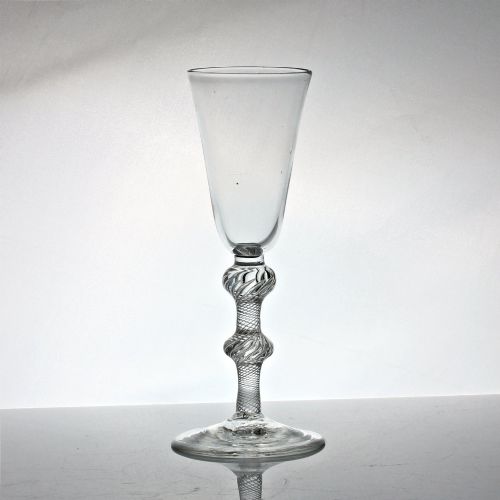
The versions you are most likely to meet on this page hail from the eighteenth century, alongside later Edwardian examples. Eighteenth-century pieces often display air twist or opaque twist stems, while later variations incorporate facet cutting or engraving.
Object types on show remain focused on glassware and drinking glasses specifically tailored for beer and ale. Origins trace firmly to English workshops of the Georgian period and the early twentieth century.
How they were made
Maker operations relied heavily on hand-blown glass and lead crystal, shaping molten metal into slender bowls and delicate stems. Artisans utilised techniques such as forming folded feet to add stability to the base of the vessel.
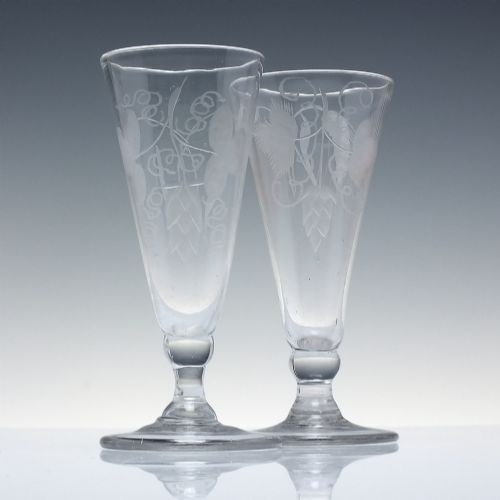
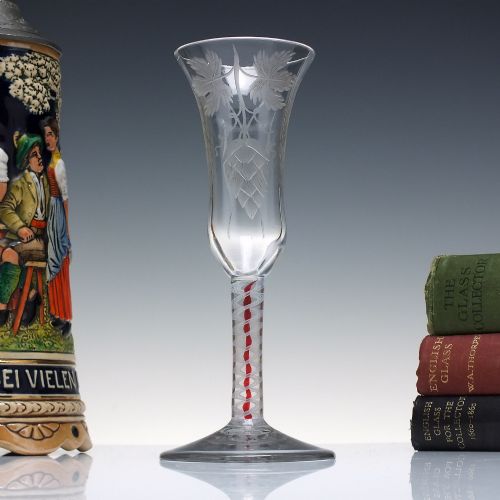
Decoration often involved white enamel work and detailed wheel engraving, depicting motifs like hops and barley directly onto the clear glass or flint glass surfaces.
Listings span the eighteenth century and the Edwardian period, uniting lead glass, flint glass, and hand-blown techniques in tall drinking forms.
What varies in quality
Distinctions across the range rest upon the complexity of the stem formation, such as multi-spiral air twists or double series opaque twists. Simpler plain stems sit at one end, while intricate colour twists occupy the other.
The precision of the wheel engraving, particularly on hop and barley or flammiform designs, dictates the refinement of the piece. Clarity of the lead glass and proportion between the tall bowl and the foot further separate standard examples from finer ones.
The Antique Glass Ale Flutes Glossary
- Air twist
- A stem decoration formed by drawing out tiny air bubbles within the molten glass into spiral threads. This technique creates a luminous, internal pattern inside the stem.
- Opaque twist
- A stem featuring threads of white enamel glass twisted within a clear glass rod. It stands as a hallmark of eighteenth-century English glassmaking.
- Folded foot
- A base edge turned underneath during manufacture to create a rounded, double-layered rim. This method strengthens the perimeter of the foot against chipping.
- Wrythen
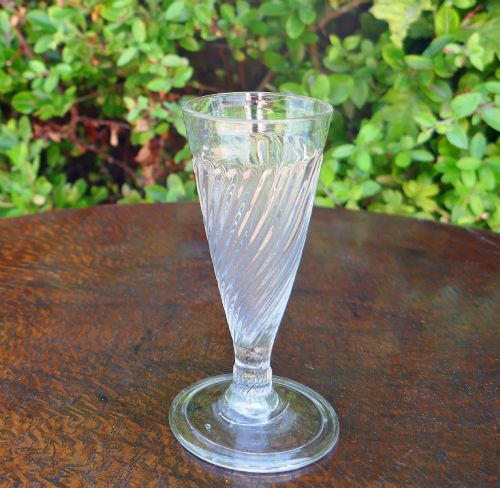
- A surface decoration of subtle diagonal ribs or twists formed while the glass is hot. It adds texture and catches the light along the bowl.
- Flint glass
- An early British term for a heavy, clear lead glass of high brilliance. It permitted sharper cutting and clearer optical qualities.
Antique Glass Ale Flutes: Frequently Asked Questions
What distinguishes an ale flute from a wine glass?
Ale flutes typically feature narrower, taller bowls designed to hold a larger volume of foaming brew compared to traditional wine glasses of the period.
The elongated shape helped retain the effervescence of the ale while offering a distinct vertical profile on the table.
How do I date an eighteenth-century ale glass?
Dating relies on observing stylistic markers such as stem construction, bowl shape, and foot formation, alongside manufacturing traits like pontil marks.
Air twists and opaque twists point firmly to specific decades within the Georgian era, while facet cutting became more prominent later.
Were these glasses used daily or displayed?
These vessels served actual drinking purposes in taverns and homes, holding malt liquors and ales during social gatherings.
Their survival in delicate lead glass indicates they were also treated as valued tableware by their owners.
What does hop and barley engraving signify?
Engraved hops and barley directly reference the primary agricultural ingredients used in brewing traditional British ales.
This decorative choice was common on drinking vessels intended specifically for malt beverages.