
Clear Lead Crystal Glassware
Clear lead crystal glassware brings together centuries of drinking vessels, from eighteenth-century rummers to twentieth-century champagne coupes, prized for their weight and brilliance.
Clear Lead Crystal Glassware
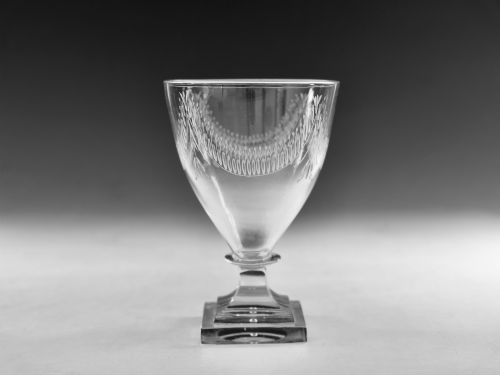
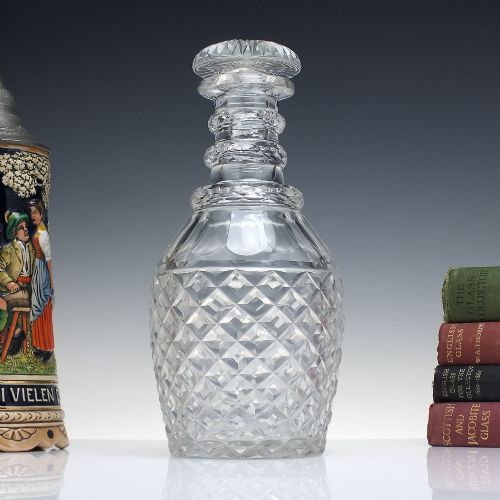
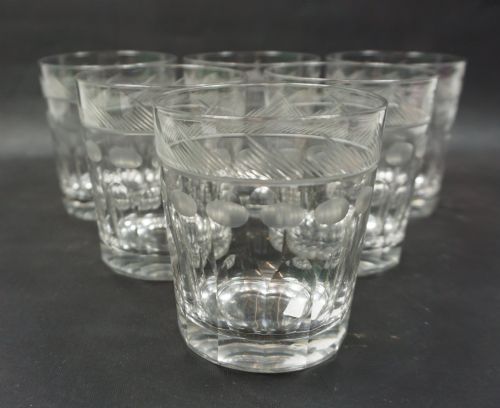
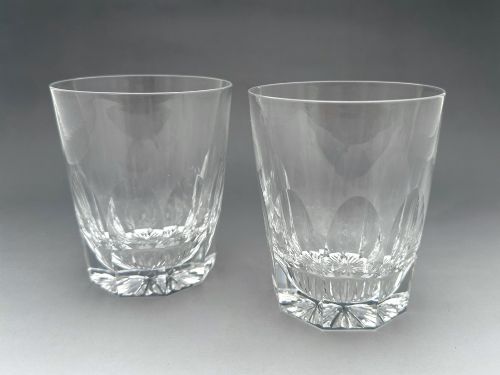
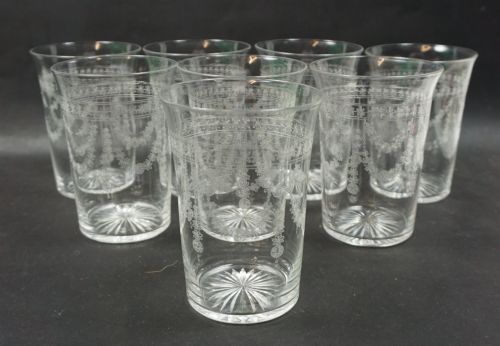
When you search for clear lead crystal glassware, you encounter drinking vessels, decanters, and table objects spanning multiple centuries. The selection ranges from Georgian wine and ale glasses to Victorian rummers and early twentieth-century tumblers.
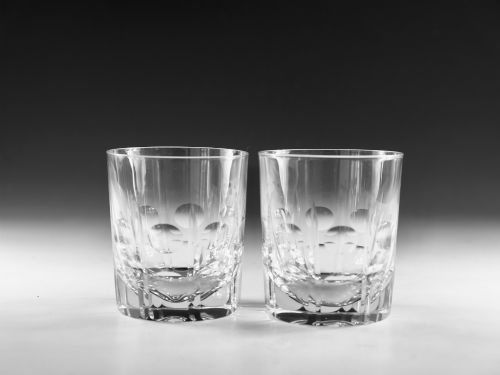
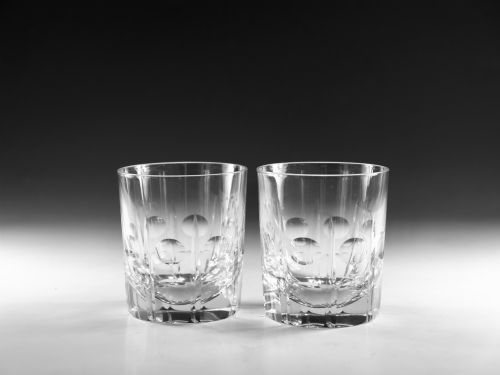
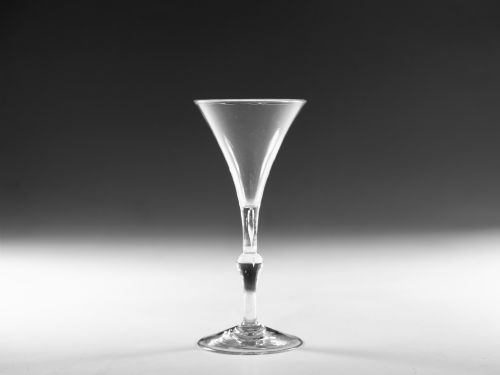
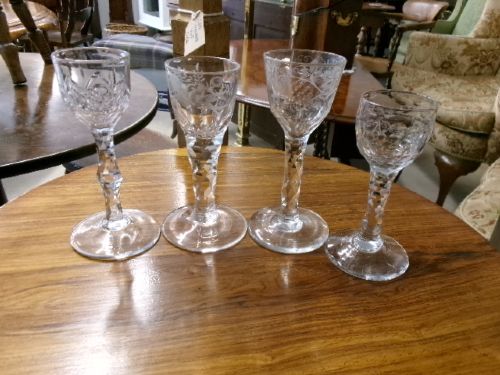
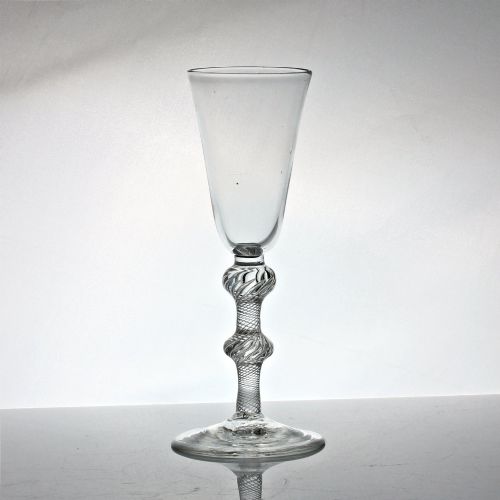
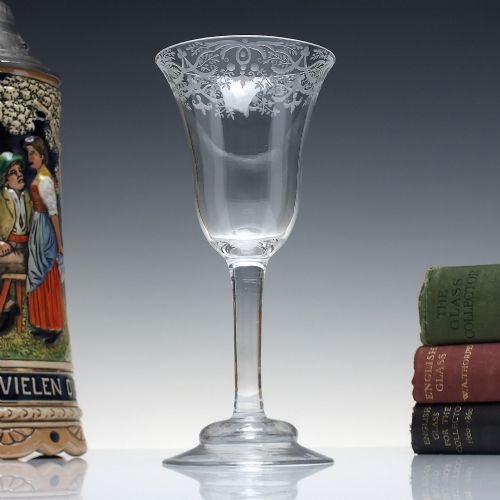
Georgian examples feature air twist stems, engraved bowls, and folded feet, while later Victorian and Edwardian periods favour heavy cut glass decanters and whiskey tumblers. The forms serve practical dining and drinking functions shaped by the social habits of their respective eras.
The objects derive principally from English workshops, encompassing domestic drinkware alongside specialised serving pieces like jelly glasses and patch stands.
How they were made
Makers utilised lead crystal, flint glass, and lead glass formulations, combining high lead content with potash and silica to achieve density and optical clarity. This heavy metal glass permitted deep facet cutting, wheel engraving, and acid etching without losing structural integrity.
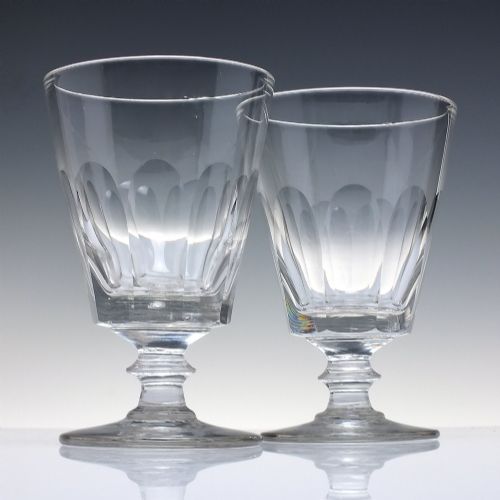
Vessels took shape through hot-glass forming, using moulds for ribbing or petal patterns, followed by hand-manipulation of stems and feet. Artisans then applied wheel-cutting or surface engraving once the glass cooled.
Toastmaster glasses featured deliberately solid bowls descending almost to the base, ensuring hosts could pour endless rounds without guests getting drunk too quickly.
What varies in quality
Weight and optical purity distinguish superior examples, as higher lead concentrations produce greater brilliance and a resonant ring when struck. The distribution of metal across the bowl and stem indicates the skill of the glasshouse.
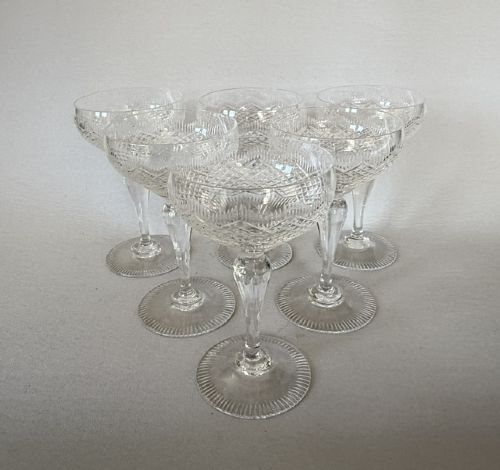
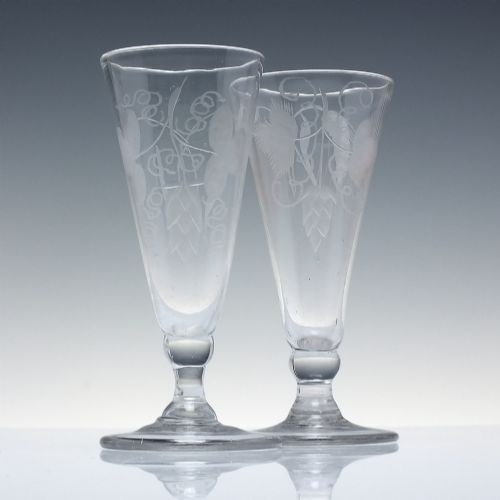
The precision of decoration determines distinction, seen in the crispness of wheel-cut facets, the symmetry of air twists, and the delicacy of engraved hops or floral motifs.
The Clear Lead Crystal Glassware Glossary
- Air twist
- A stem formation containing elongated internal air bubbles drawn into spiral threads. This technique required precise manipulation of molten metal during the pulling process.
- Rummer
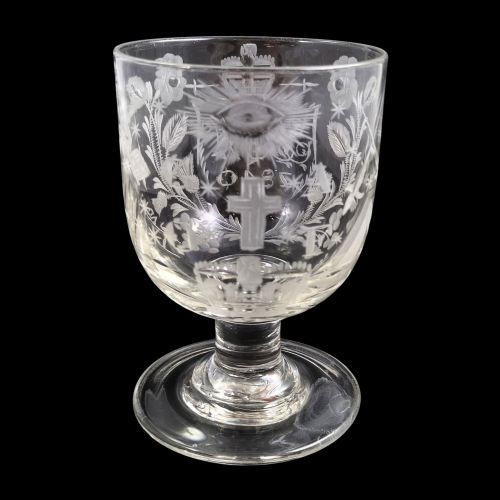
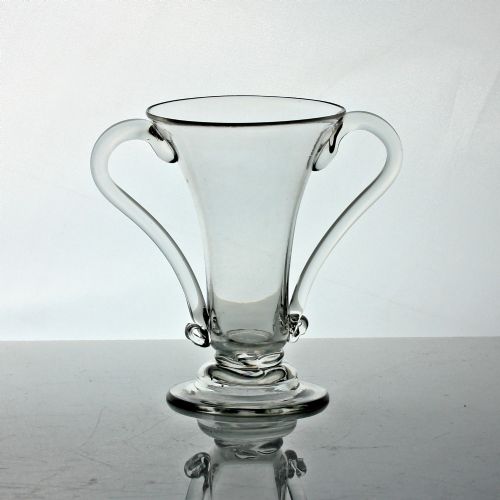
- A large heavy drinking glass used for beer, wine, or punch during the eighteenth and nineteenth centuries. These vessels typically sat on a short sturdy foot.
- Flint glass
- An early British term for high-clarity lead glass developed in the seventeenth century. The material provided the refractive index necessary for deep cutting.
- Ogee bowl
- A bell-shaped drinking vessel contour curving outward at the rim and inward toward the base. This profile appeared frequently on eighteenth-century wine glasses.
- Faceted stem
- A hand-polished geometric stem surface reflecting light from multiple flat planes. Such cutting became widespread on late Georgian and Victorian drinkware.
Clear Lead Crystal Glassware: Frequently Asked Questions
What is clear lead crystal glassware?
Clear lead crystal glassware comprises drinking vessels and serving pieces manufactured from heavy lead-infused glass compositions. These objects prioritise optical clarity and structural weight.
They encompass centuries of domestic design, ranging from early drinking glasses to twentieth-century decanters and tumblers.
How do I identify Georgian glass?
Georgian glassware exhibits characteristics such as air twist stems, folded feet, and hand-engraved floral or commemorative motifs. The metal often displays tactile pontil marks on the base.
Proportions remain balanced, reflecting the drinking customs of the eighteenth century.
Were rummers used for beer?
Rummers functioned as versatile drinking vessels for ale, beer, or punch during the Georgian and Victorian eras. Their generous bowl capacity suited larger pours.
They frequently feature sturdy stems and heavy bases designed for tavern and dining table use.