

English Mahogany Table
An english mahogany table brings solid timber, deep warmth and enduring utility to any room.
Forms and Origins
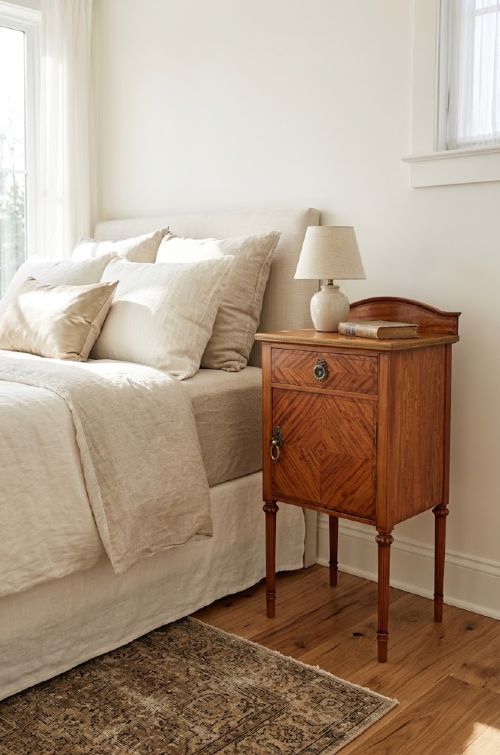
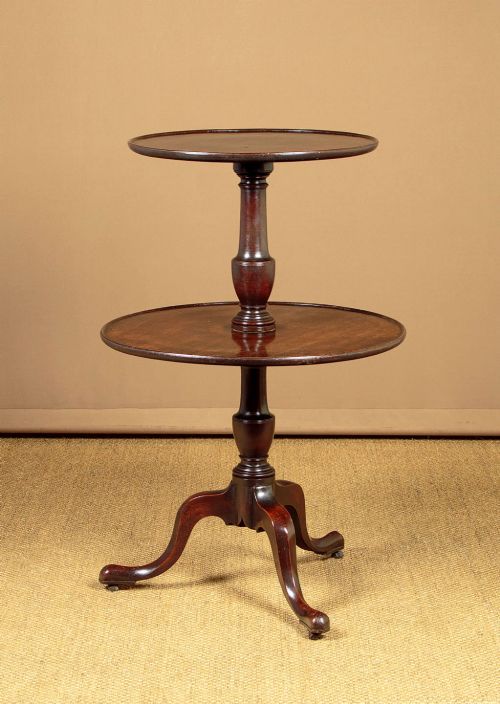
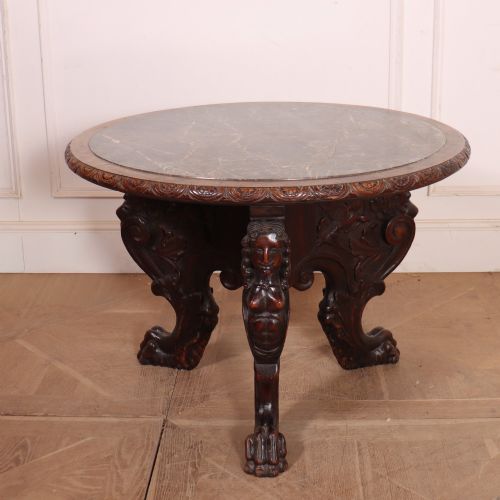
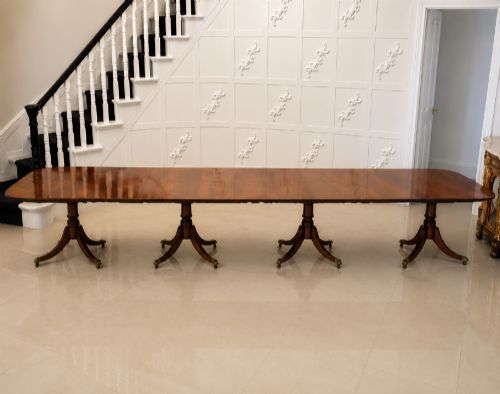
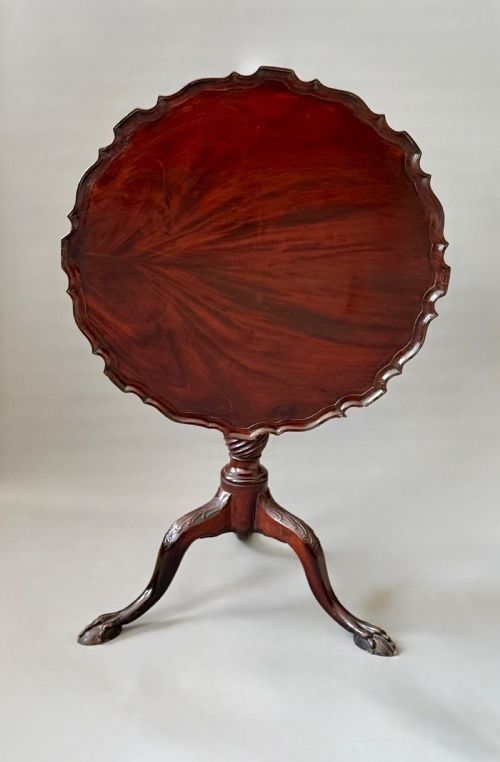
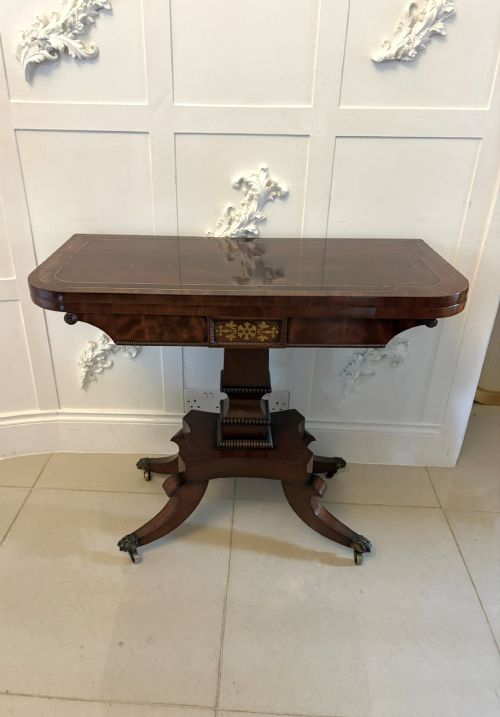
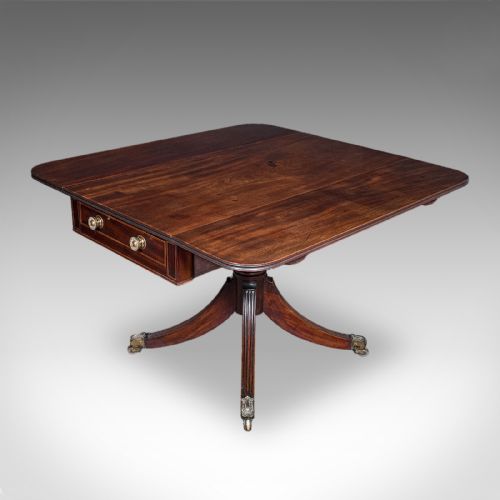
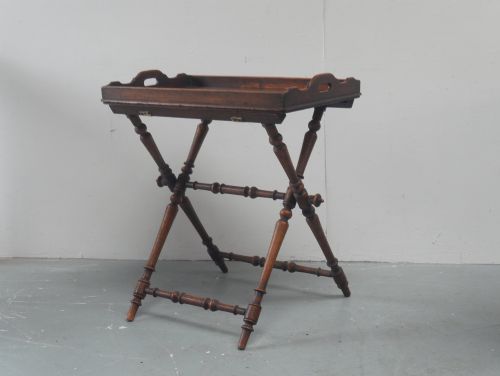
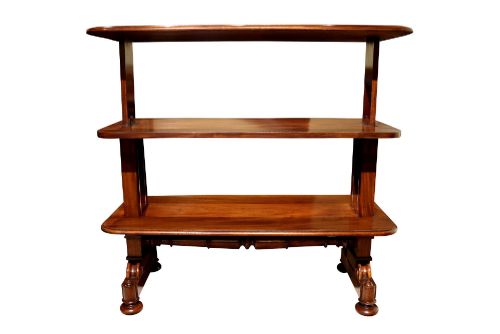
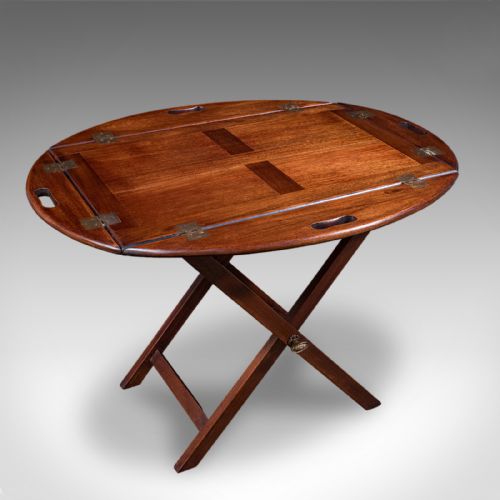
An english mahogany table appears across numerous forms, ranging from grand multi-pedestal dining suites down to compact wine tables and writing desks. Buyers looking for an english mahogany table frequently encounter side tables, tilt-top tables, and Pembroke drop-leaf designs from the Georgian, Regency, and Victorian eras.
The selection extends from formal 18th-century serving pieces and card tables to 19th-century drum tables and occasional stands. Regional workshops and cabinetmakers produced these domestic items using dense tropical timber imported through British ports.
Smaller occasional pieces and large banqueting tables share the same foundational timber, though proportion and decorative hardware differ widely by decade. Each period introduces specific structural traits, from plain Georgian legs to elaborate William IV pedestals.
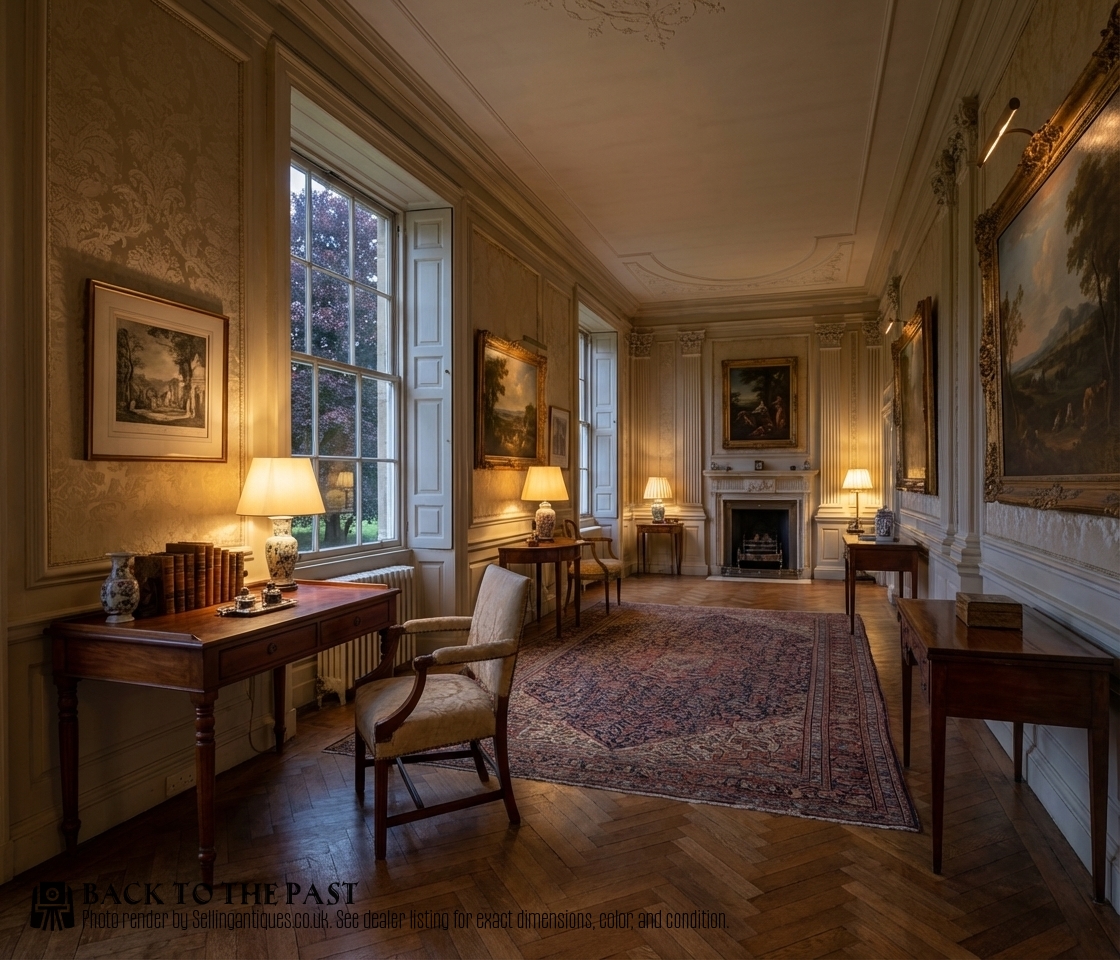
Materials and Technique
Cabinetmakers constructed these surfaces primarily from solid mahogany, often selecting figured or flame veneer for tabletops to highlight natural grain patterns. Secondary timbers such as oak or pine frequently appear within drawer linings and internal framing.
Joinery relied on traditional dovetailed drawers, tenon joints, and turned pedestals supported by brass castors or claw feet. Brass inlay, satinwood stringing, and tilt-top mechanisms added functional complexity to standard dining and card tables.
Retail Price Guide 2026
Typical UK retail prices for english mahogany table, calculated from the Sellingantiques database of over a million retail prices indexed since 2003. This retail price guide relies exclusively on Sellingantiques data; no external sources or auction records are used, so the figures do not describe the wider market.
Several dining tables expand past five metres in length, requiring substantial room for storage when all three leaves are removed.
Distinctions in Execution
Superior examples display careful timber selection where the grain matches seamlessly across multiple leaves or folding tops. The depth of the hand-polished finish reveals the underlying figure rather than masking the wood beneath heavy pigment.
Structural integrity and refined carving separate standard utilitarian output from pieces attributed to premier workshops. Crisp mouldings, tight joints, and original brass hardware indicate higher initial status and careful subsequent preservation.
Gillows·Spillman And Co
The English Mahogany Table Glossary
- Mahogany
- A durable tropical hardwood known for its reddish-brown colour and stability. It became the dominant timber for British fine furniture from the mid-18th century onward.
- Tilt-top
- A tabletop hinged to a central pillar so it can pivot vertically when not in use. This mechanism allowed tables to be stored flat against a wall to save floor space in smaller period rooms.
- Drum table
- A circular library table containing a deep frieze fitted with alternating drawers and dummy drawers. These freestanding pieces usually sat on a central pillar with tripod or quadruped sabre legs.
- Pembroke table
- A small drop-leaf table with hinged flaps on two opposing sides. It typically includes a single drawer and straight tapering legs.
- Frieze
- The horizontal band situated directly beneath the tabletop. On finer desks and tables, this area houses drawers or decorative mouldings.
Frequently Asked Questions
How do I date an antique mahogany table?
Dating relies on observing construction methods, timber selection, and hardware style. Earlier pieces from the 18th century often feature hand-cut dovetails and solid timber tops, while later Victorian examples may incorporate machine-sawn components and heavy pedestal bases.
Secondary woods inside drawers and the presence of original brass castors also help narrow down the period. Comparing the leg profiles and edge moulding against documented examples provides further confirmation.
What is the difference between a Pembroke and a drop-leaf table?
A Pembroke table is a specific type of small drop-leaf table featuring two hinged flaps on opposite sides and usually a single drawer beneath the top. Standard drop-leaf tables can be much larger, designed primarily for dining rather than occasional use.
Pembroke tables were intended for versatility in sitting rooms or bedrooms, often moved close to firesides for writing or dining alone. Their proportion remains lighter and more decorative than heavy dining drop-leaf formats.
Can I use an antique mahogany table every day?
These tables served daily domestic life for centuries and remain robust enough for regular modern use. Solid mahogany and sturdy pedestals handle standard dining, working, and display without difficulty.
Sensible precautions, such as using protective mats and lifting rather than dragging heavy pieces, ensure the joints and polished surfaces endure. Regular use actually helps maintain the timber by preventing it from becoming overly dry.