


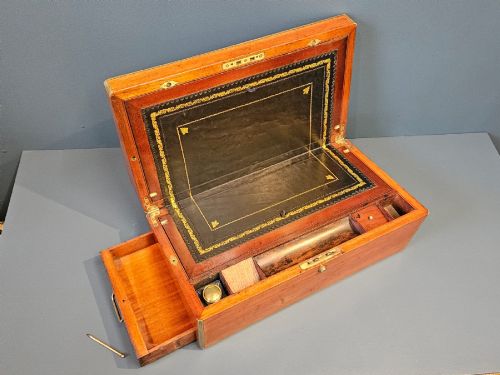

Early Victorian Desk
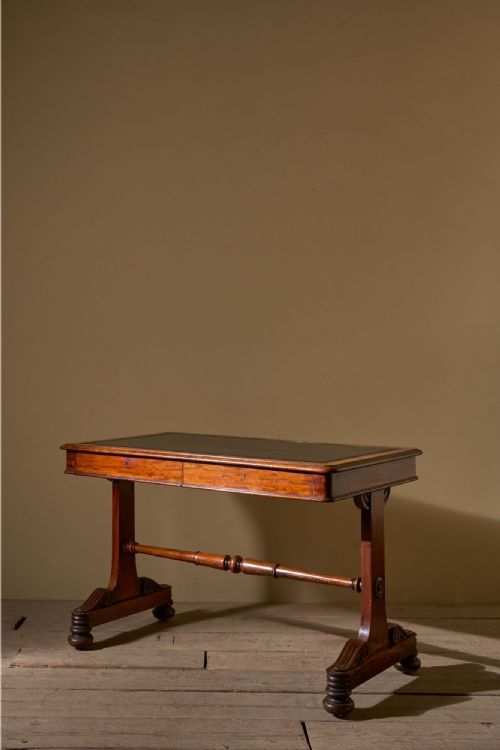
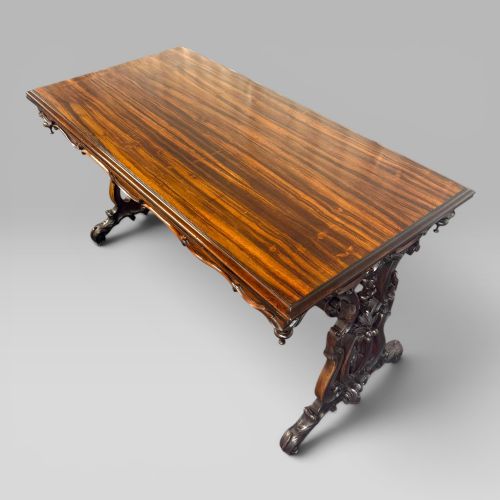
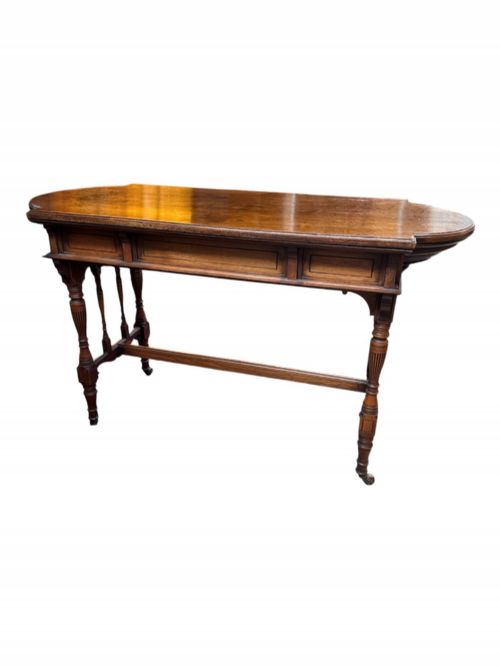
When you want an early victorian desk, you are looking at nineteenth-century writing furniture built from dense hardwoods with fitted drawers and inset leather surfaces.
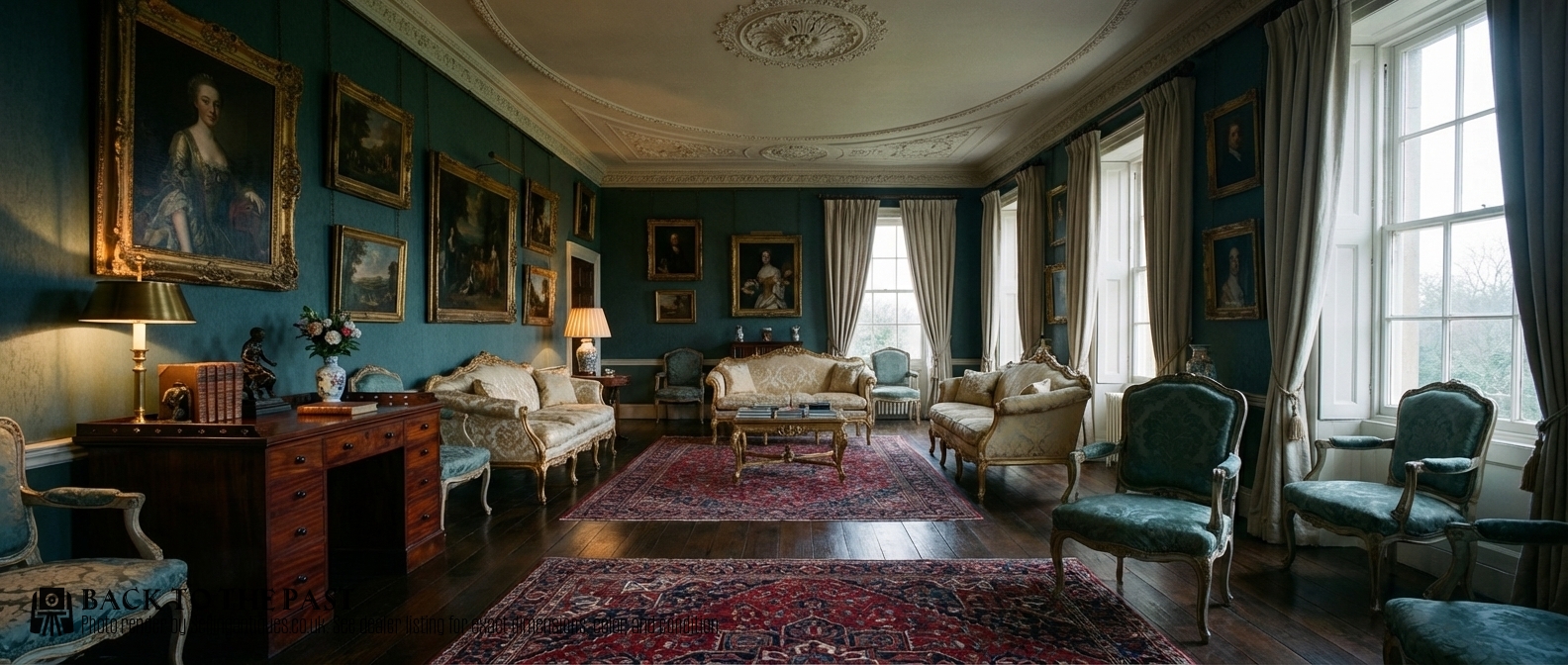
Early Victorian Desk
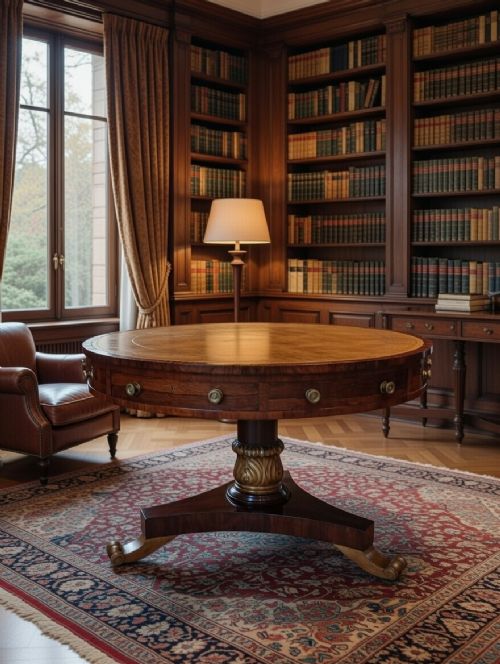
The pieces grouped as an early victorian desk span writing tables, partners desks, and compact davenports produced during the mid-nineteenth century. Buyers searching this phrase meet substantial pedestals and freestanding library tables designed for formal studies and grand rooms.
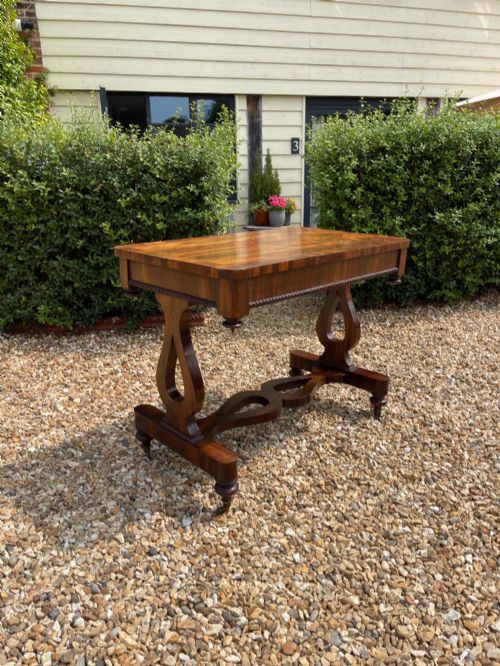
The materials recorded across these forms rely heavily on rich timbers like mahogany and rosewood, frequently complemented by tooled leather writing surfaces. Workshops of the period also utilised zebrawood and walnut for specific cabinet pieces.
The dominant construction forms include kneehole pedestal desks and twin pedestal configurations intended for single or double-sided use. Smaller writing slopes and compact davenport desks offer alternative solutions for restricted spaces.
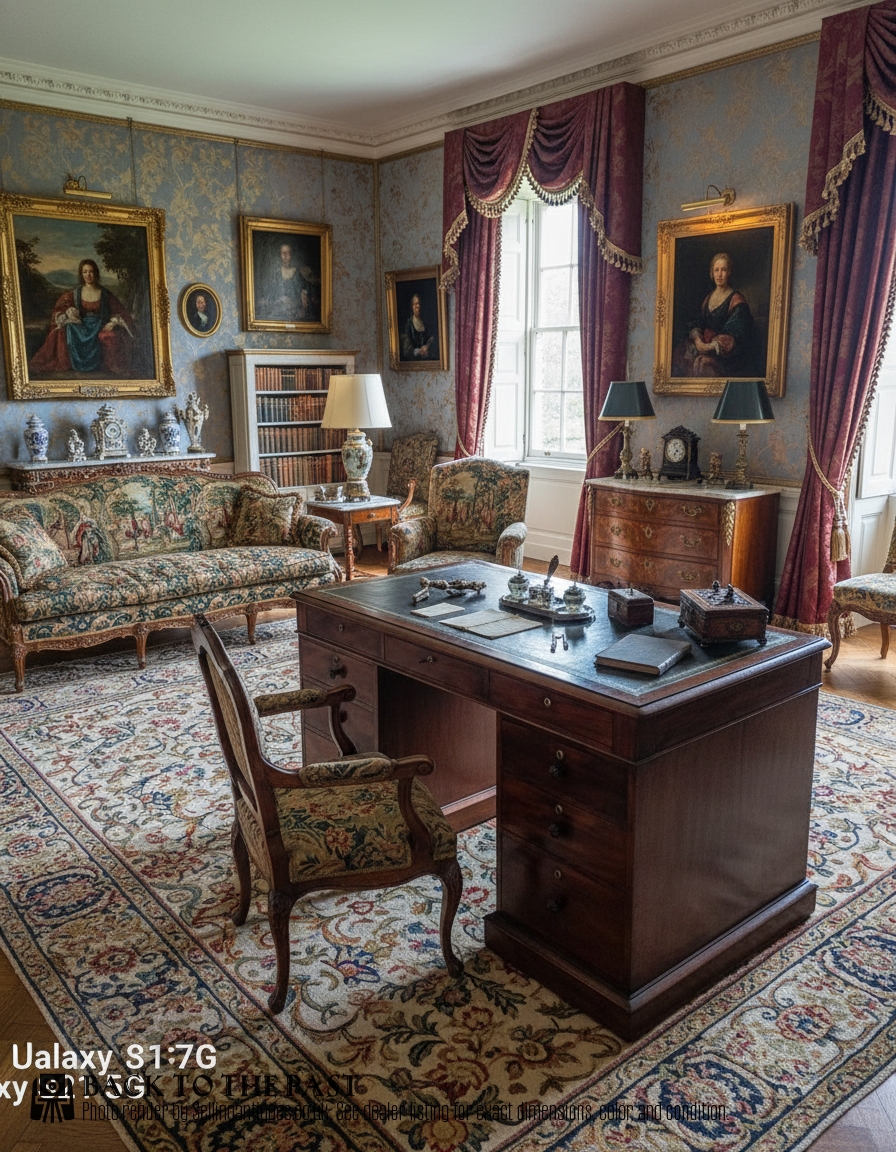
Materials and construction
Cabinet makers constructed the primary carcases using solid mahogany and rosewood, often enhanced with flame mahogany veneers on drawer fronts and top surfaces. Secondary woods inside drawers typically include pine or oak.
Writing surfaces required inset panels of black, green or brown leather, tooled with gilt borders around the perimeter. Brass handles, key escutcheons, and occasional ceramic castors completed the hardware fittings.
Early Victorian Desk Retail Price Guide 2026
Typical asking prices for early victorian desk among the pieces listed under this phrase on Sellingantiques today, from the lower quarter to the upper quarter. They describe what is for sale here now, not the wider market.
Several examples include secret side compartments designed to hide private correspondence from prying eyes.
Assessing quality and proportion
The distinction between standard utility pieces and finer examples rests on timber selection, such as richly figured flame mahogany or dense rosewood. Superior construction shows in symmetrical grain matching across multiple drawers and crispness in hand-cut dovetail joints.
Proportion and scale dictate the desirability of larger pedestals and partners desks. Desks retaining original brass locks, working keys, and undisturbed leather surfaces command greater appreciation than those with replaced components.
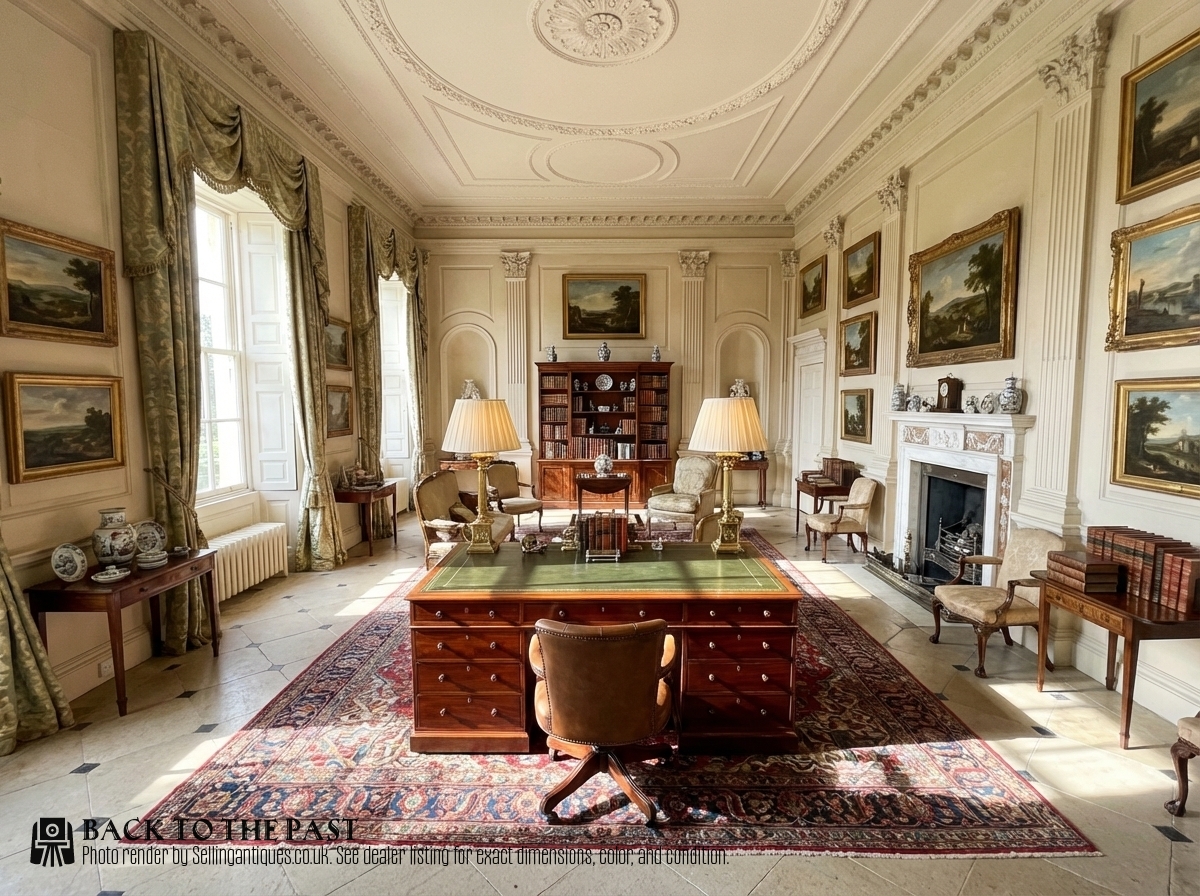
Johnstone & Jeanes·Gillows
The Early Victorian Desk Glossary
- Partners desk
- A large pedestal desk designed with drawers and cupboards on both opposing sides to accommodate two people working simultaneously.
- Davenport desk
- A compact box desk featuring a sloping writing top above a bank of side drawers and a concealed pen compartment.
- Library table
- A freestanding writing table finished on all sides so it could sit in the middle of a room rather than against a wall.
- Dovetail
- A traditional interlocking corner joint formed by wedge-shaped pins and tails, prized for structural strength in drawer construction.
- Escutcheon
- A decorative metal plate surrounding a keyhole that protects the surrounding wood from wear.
Early Victorian Desk: Frequently Asked Questions
What is a partners desk?
A partners desk is a substantial double-sided workstation built with matching sets of drawers and cupboards facing outward in opposite directions. This arrangement allowed two individuals to sit opposite each other and share the writing surface.
Such pieces typically feature extensive pedestals and large tooled leather tops, reflecting their original placement in the centre of grand Victorian libraries and administrative offices.
How do I care for the leather top?
The leather writing surface benefits from occasional cleaning with a slightly damp cloth followed by a neutral leather cream to prevent drying and cracking. Avoid using harsh chemical cleaners or abrasive pads near the gilt tooling.
Keep the desk away from direct sunlight and strong heat sources to protect both the leather insert and the underlying timber finish.
Are these desks suitable for daily use?
These pieces were built for rigorous daily writing tasks using solid hardwoods and traditional joinery methods. Their sturdy construction handles modern laptops and paperwork comfortably.
Using a protective blotter on the leather surface helps preserve the antique writing hide from accidental ink marks or scratches.
How do I distinguish this from later furniture?
Early pieces display hand-cut dovetails on the drawer interiors, alongside secondary timbers like oak or pine rather than modern manufactured boards. The brass hardware and locks are typically fitted with hand-cut screws rather than modern machine-threaded counterparts.
Surface patination develops naturally over decades through handling and polishing, showing a deep warmth that modern staining cannot replicate.