

Antique Desk with Gallery
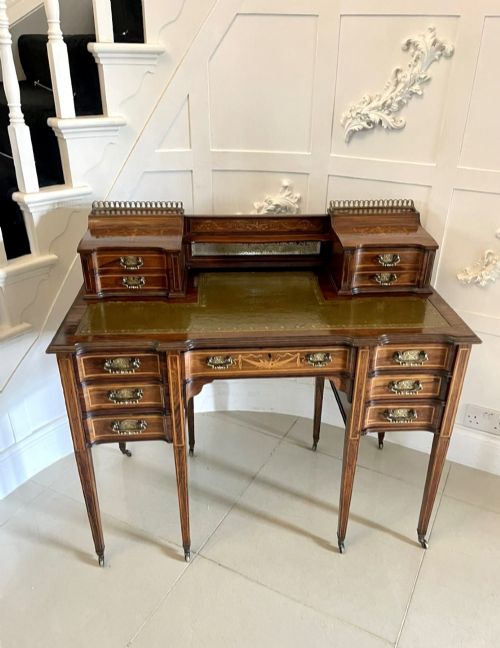
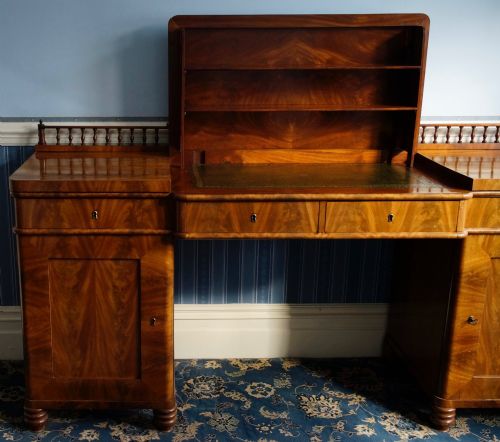
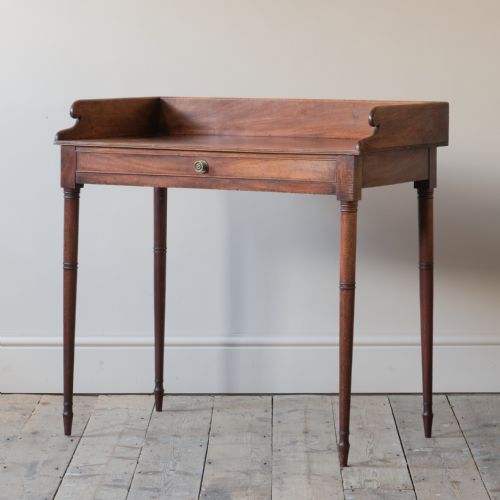
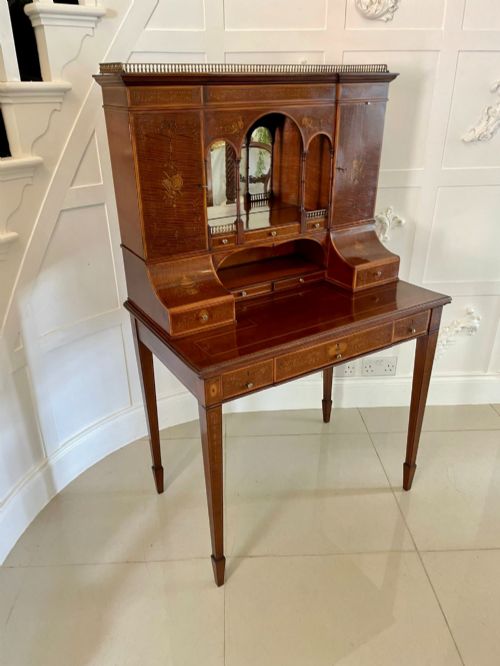
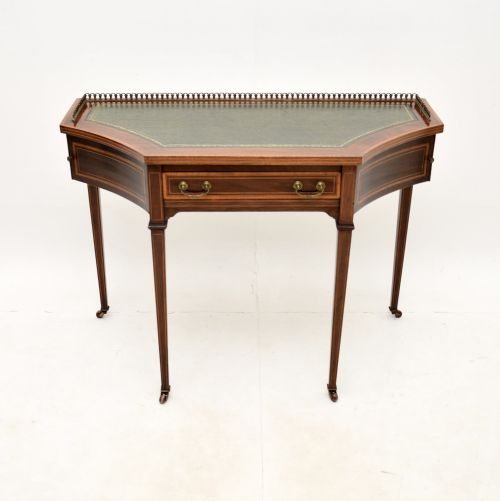
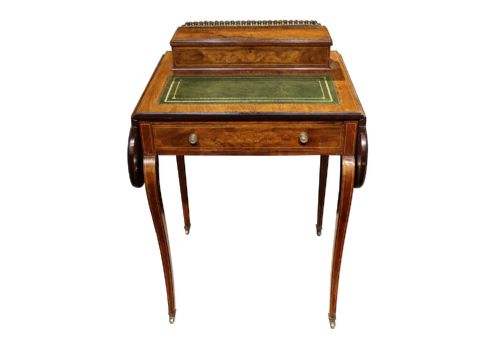
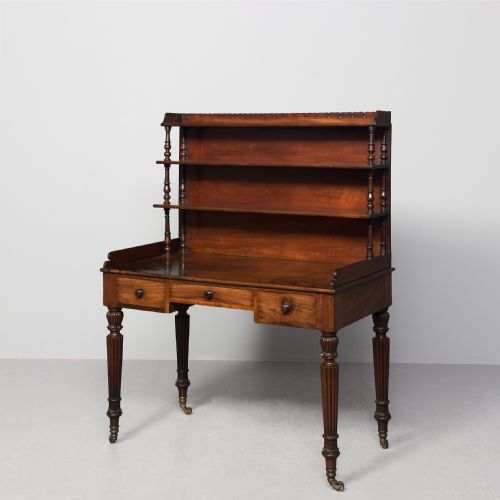
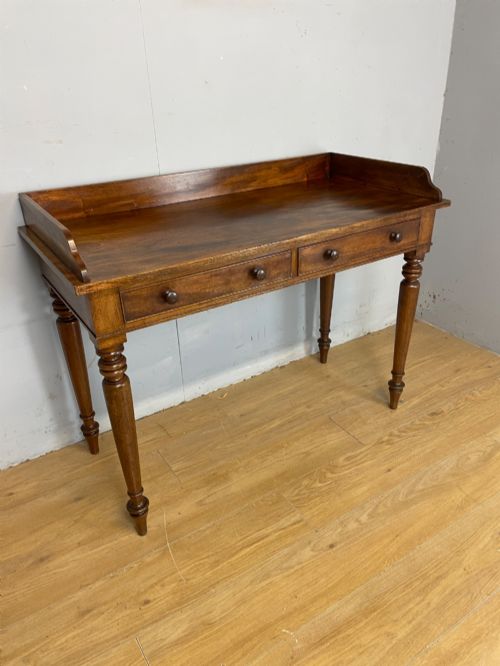
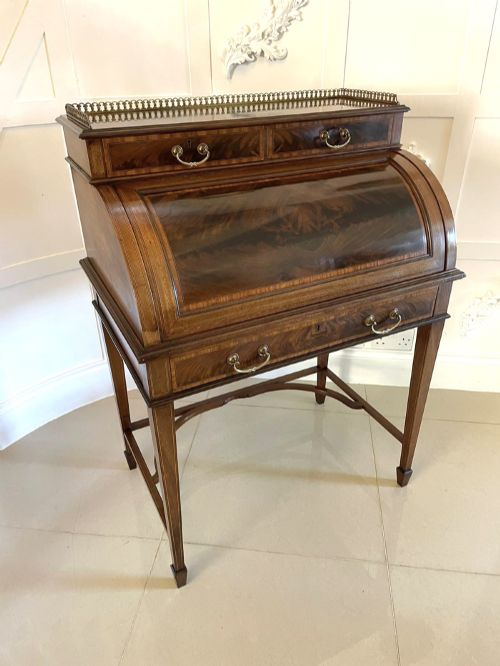
An antique desk with gallery combines a practical writing surface with a raised upper rail, offering refined compartmental storage for stationery and correspondence.
Antique Desk with Gallery
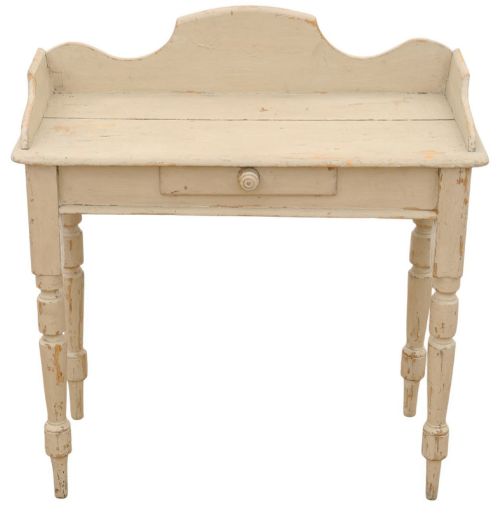
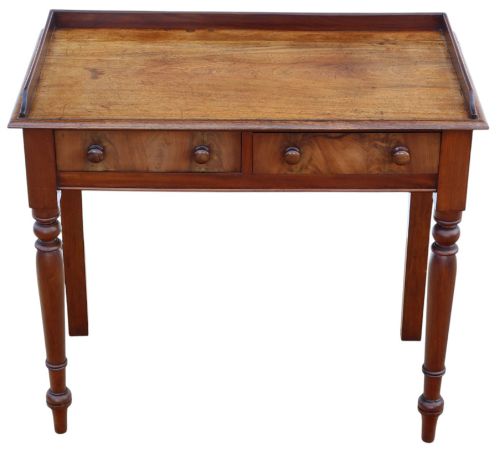
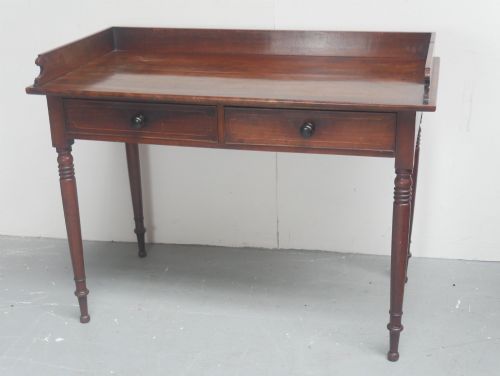
An antique desk with gallery brings together a stable writing plane and an integrated raised ledge, preventing inkwells and papers from sliding off the rear. Buyers searching this phrase encounter writing desks, Davenport desks, and Carlton House desks spanning the nineteenth century.
The selections on this page feature examples from the Victorian and Edwardian eras alongside Regency and William IV pieces. Woods such as mahogany, rosewood, walnut, and satinwood dominate the construction, often enhanced by fine inlay work.
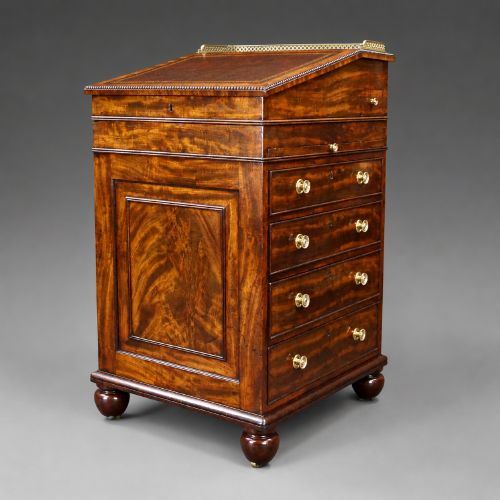
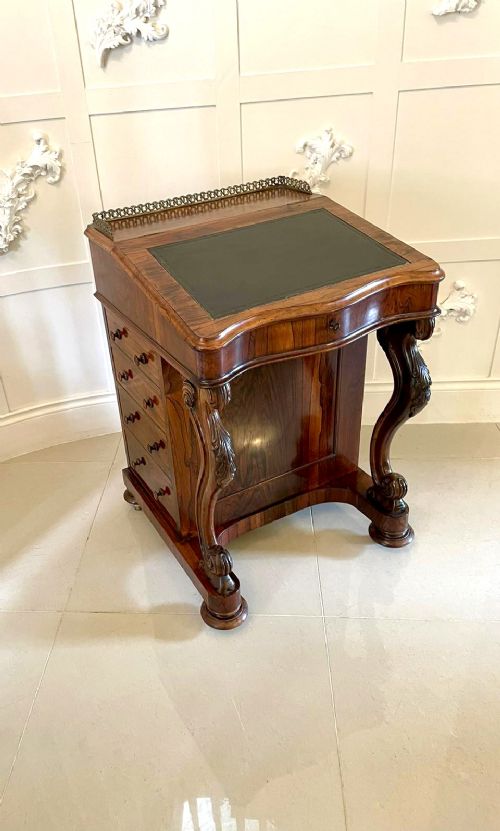
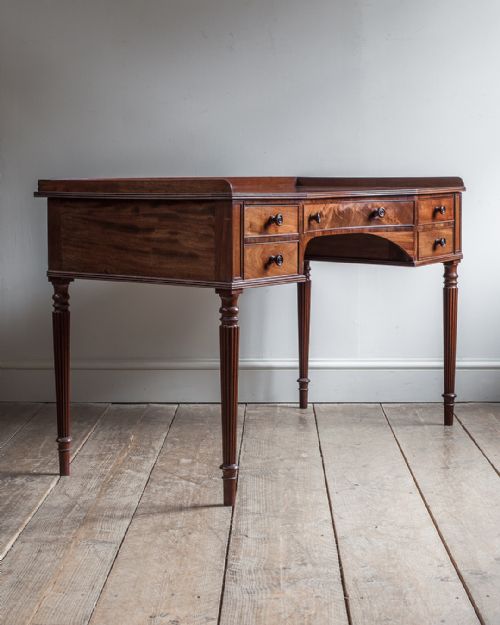
Formations range from pedestal desks and Davenport desks with fitted interiors to serpentine fronted writing tables and Dickens style desks. Many incorporate leather inset tops and brass handles, reflecting the diverse domestic and professional requirements of past centuries.
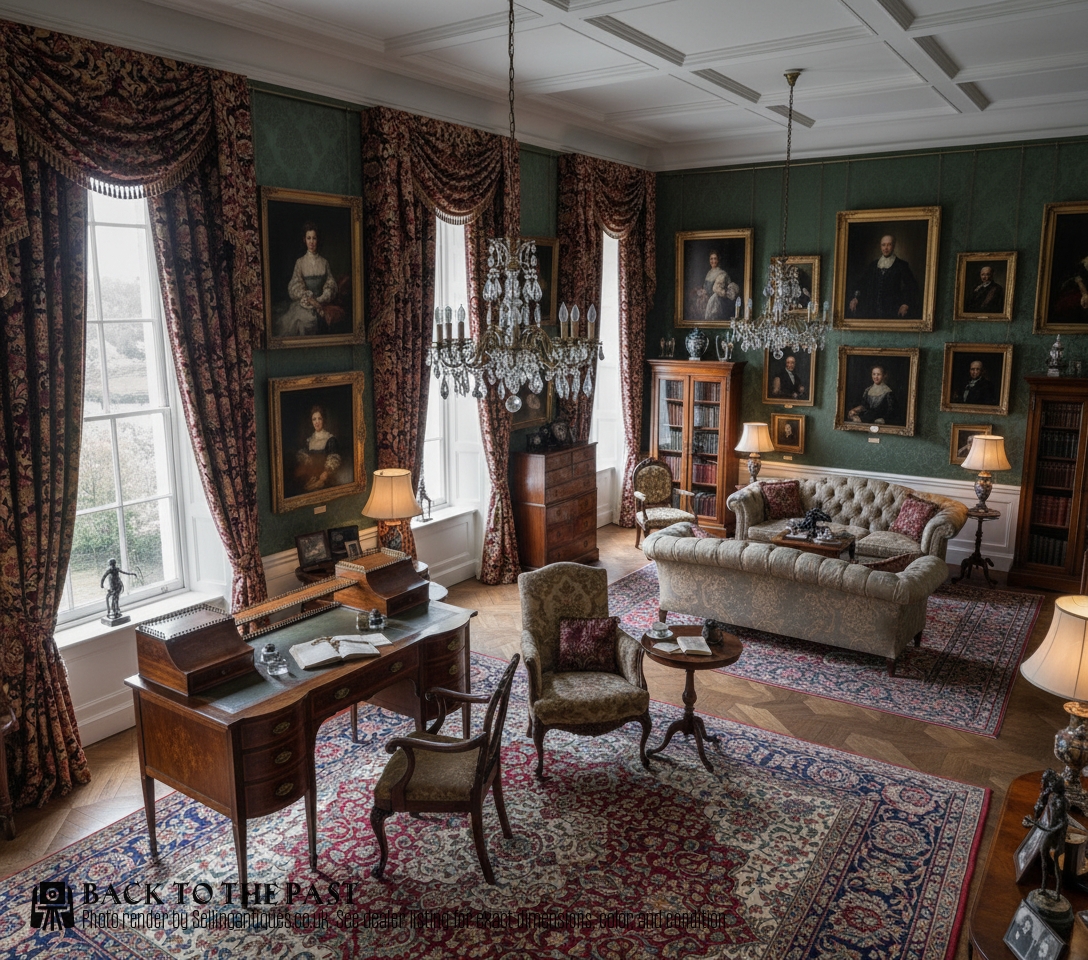
Materials and construction methods
Cabinetmakers utilised dense timbers like mahogany, walnut, and rosewood for structural stability and rich grain figures, occasionally employing satinwood and kingwood for contrasting crossbanding. Solid wood construction forms the core of these pieces, supported by dovetailed drawer boxes lined in secondary woods such as oak.
Decorative detailing relies on precise inlay, painted finishes, and applied ormolu mounts rather than excessive carving. Brass hardware, original handles, and leather writing surfaces inset into the desk top complete the traditional manufacturing approach.
Antique Desk with Gallery Retail Price Guide 2026
Typical asking prices for desk with gallery among the pieces listed under this phrase on Sellingantiques today, from the lower quarter to the upper quarter. They describe what is for sale here now, not the wider market.
Listings span the nineteenth and early twentieth centuries, encompassing Victorian, Edwardian, and Regency periods in mahogany, walnut, and rosewood.
Distinctions in craftsmanship
The division between standard workshop production and master cabinetmaking rests on the crispness of the joinery and the selection of timber veneers. Flame mahogany and figured walnut show superior selection when the grain patterns match seamlessly across drawers and writing flaps.
Hardware integrity and the retention of original components, such as brass handles, gallery rails, and fitted interior dividers, elevate a piece above altered examples. Fine execution is visible in the smooth sliding of drawers and the precision of inlaid stringing.
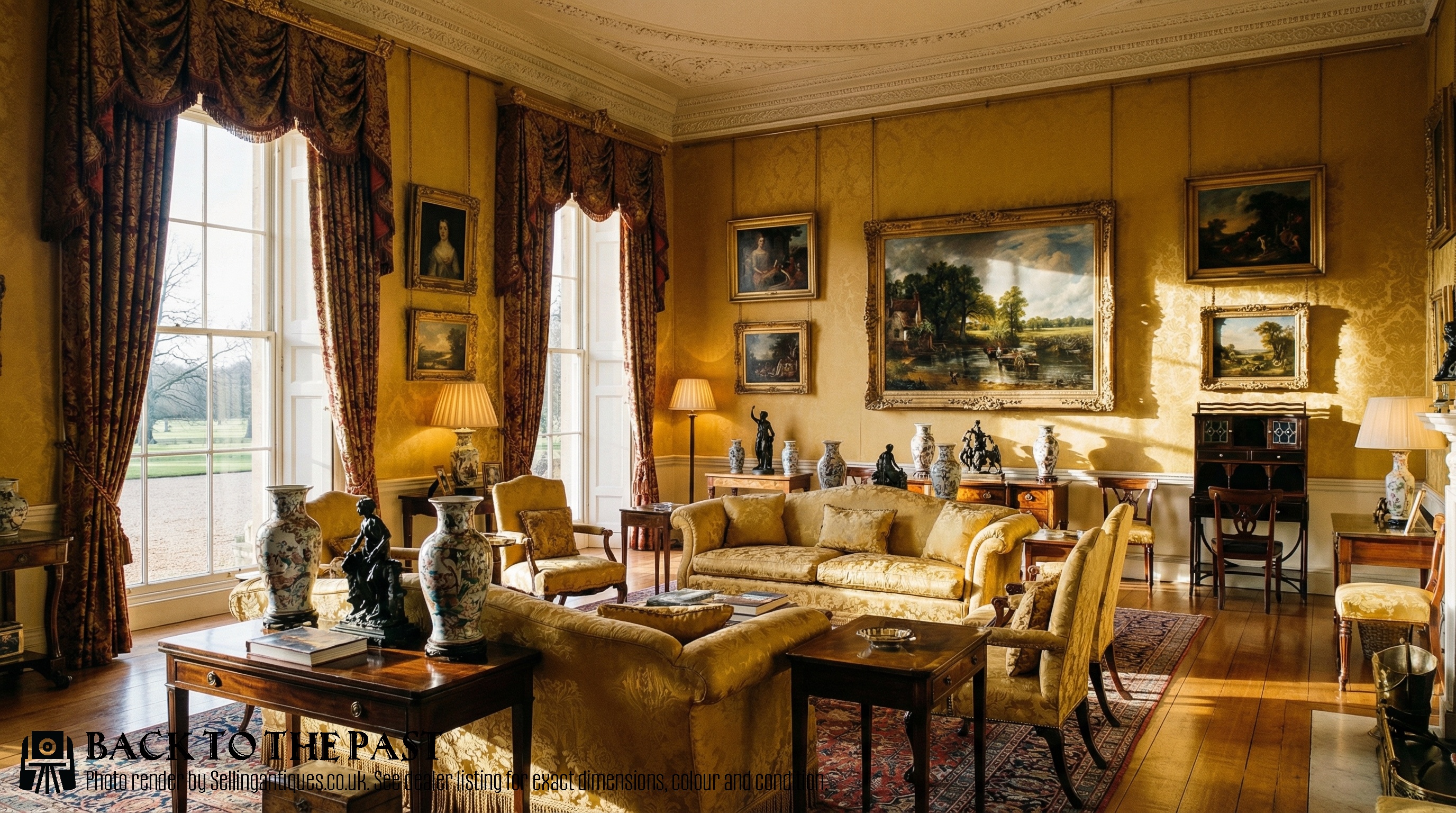
Gillows·James Mein of Kelso·Maples
The Antique Desk with Gallery Glossary
- Gallery
- A raised wooden, brass, or metal rail positioned along the back or sides of a desk top. It secures papers and small desk accessories from falling.
- Davenport
- A compact writing desk featuring a sloping lid and drawers opening to the side. Originating in the early nineteenth century, it often includes a stationery compartment on top.
- Carlton House desk
- A form of writing desk with a fitted superstructure curving around the back and sides of the desk. It contains small drawers and pigeonholes.
- Inlay
- A decorative technique where contrasting pieces of wood, metal, or shell are inserted into depressions flush with the surface. Sheraton style pieces frequently utilise this method.
- Crossbanding
- A strip of veneer applied across the grain of the primary wood panel around the border. It provides a neat geometric framing effect on tabletops and drawer fronts.
Antique Desk with Gallery: Frequently Asked Questions
How do I date an antique desk?
Dating relies on observing the timber species, construction methods, and prevailing style of the period. Georgian and Regency pieces show different proportions and veneer choices compared to later Victorian and Edwardian examples.
Secondary woods inside drawers and the presence of hand-cut dovetails offer further clues to the decade of manufacture.
Where were Davenport desks used?
Davenport desks served primarily as compact personal writing desks in drawing rooms and private sitting rooms. Their small footprint made them suitable for writing correspondence without occupying an entire study.
The sloping lid opens to reveal a fitted interior, while side drawers store paper and ink.
How do I maintain leather desk inserts?
Leather inserts require gentle dusting and occasional conditioning with specialised leather balm to prevent drying and cracking. Avoiding direct sunlight preserves the colour and gold tooling.
Many period desks retain their original leather surfaces, which benefit from minimal moisture during cleaning.