
Early Victorian Table
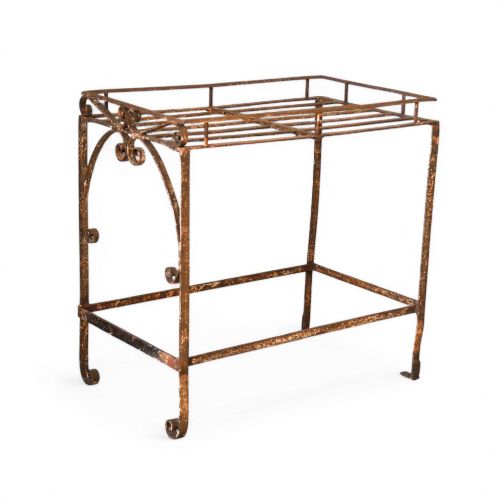
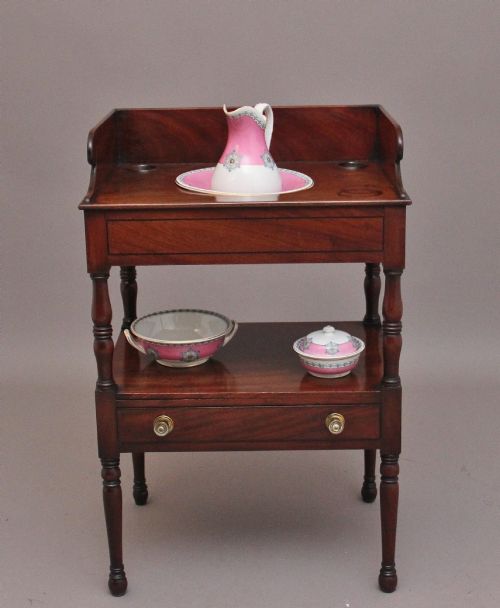
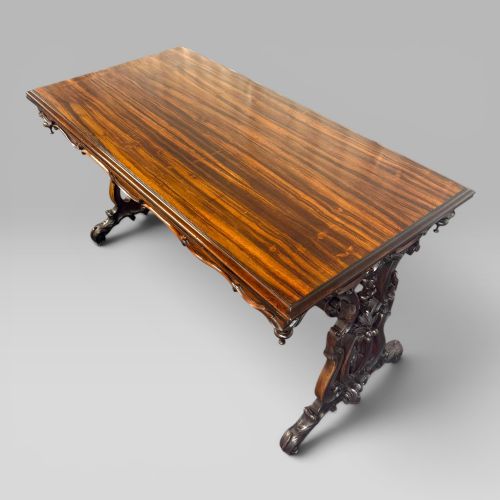
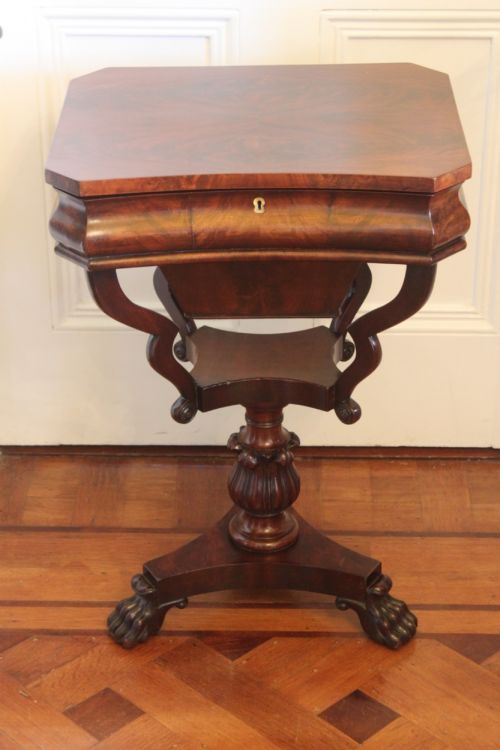
An early victorian table brings solid mahogany, figured rosewood and functional design together to anchor a nineteenth-century room.
Forms and Origins
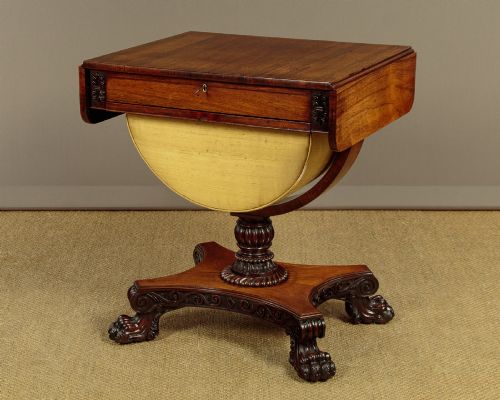
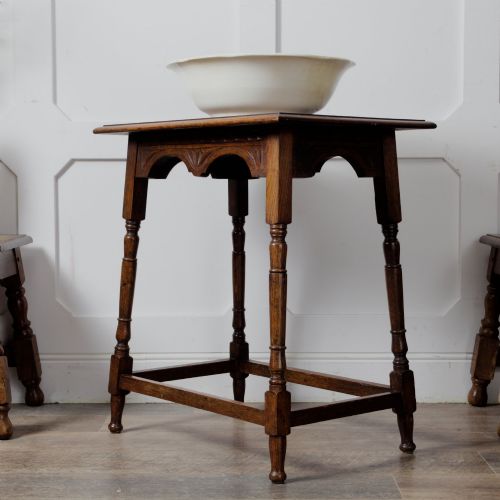
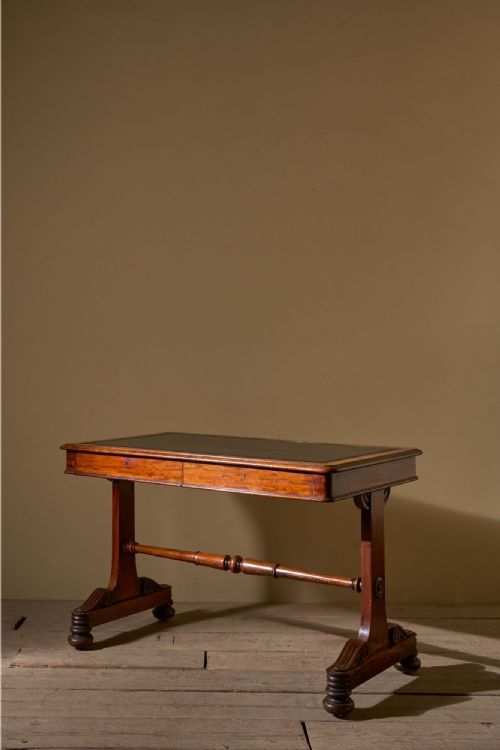
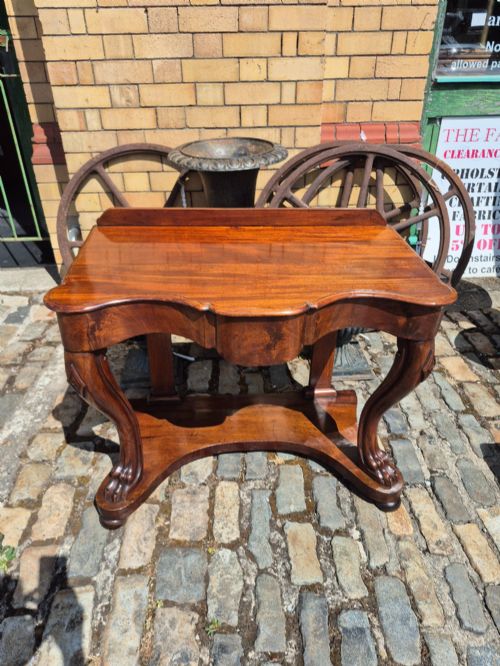
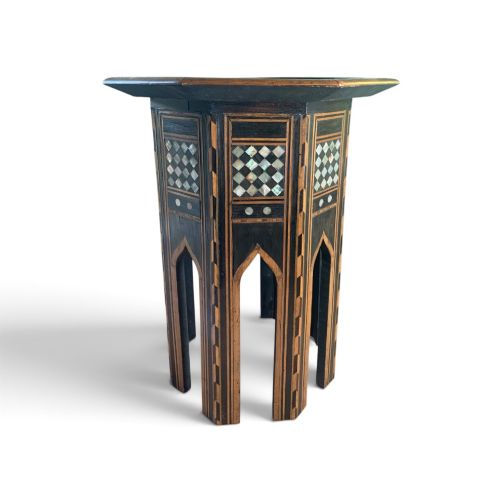
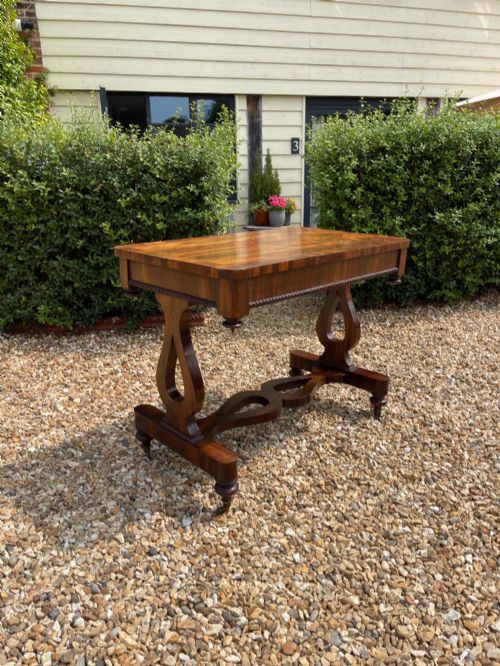
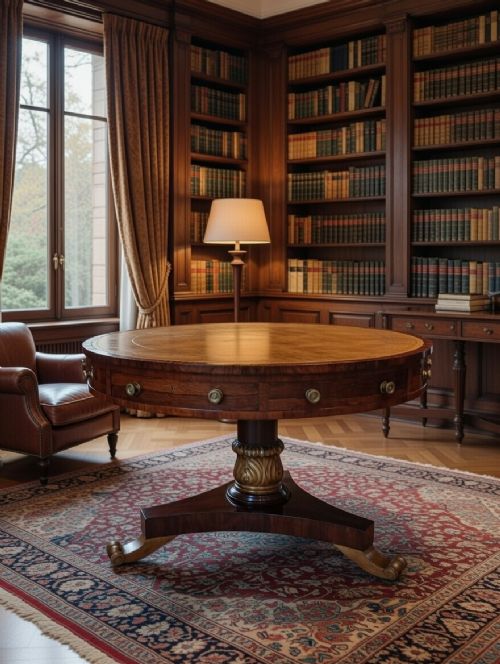
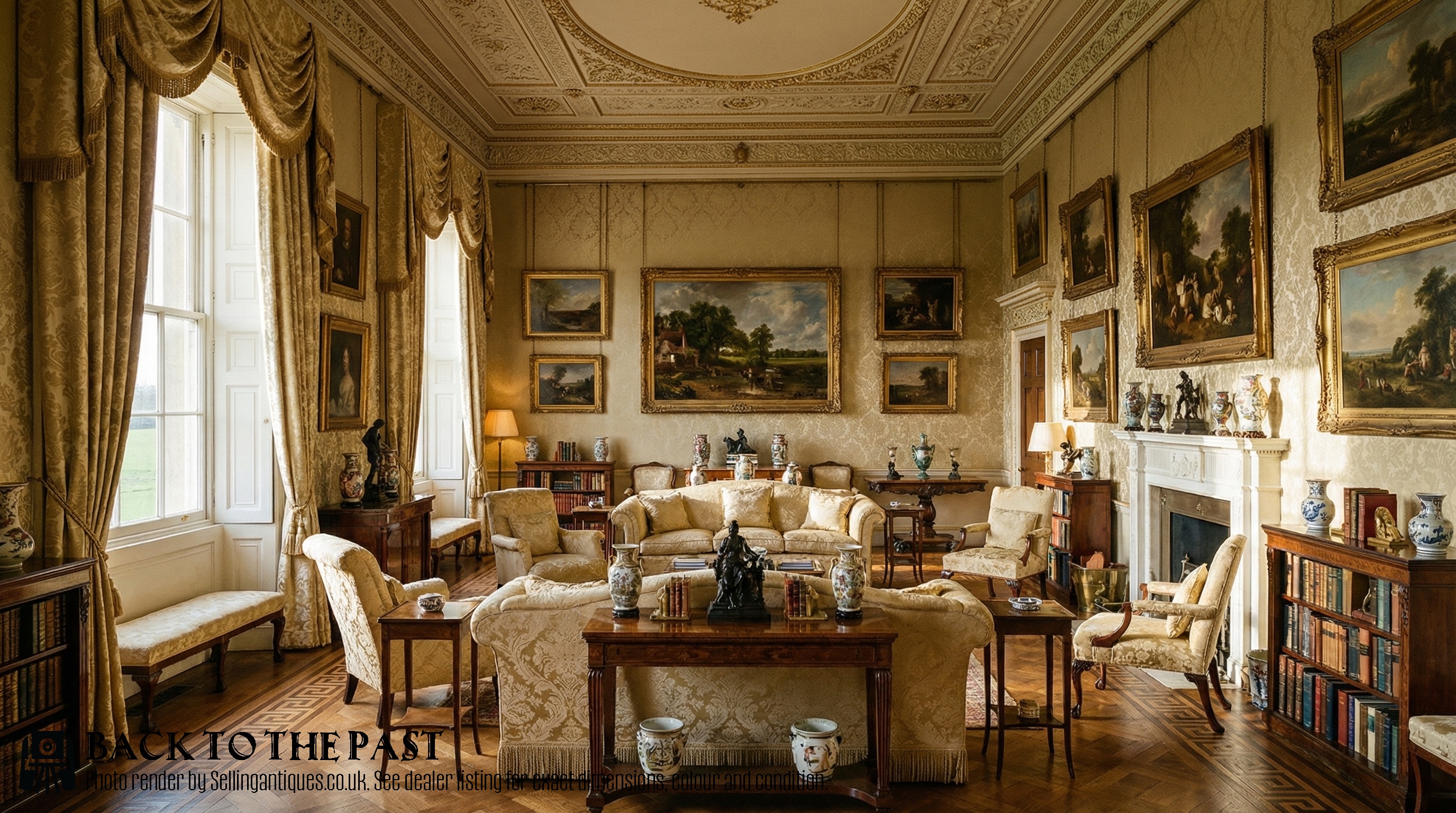
An early victorian table spans domestic and library uses, appearing most frequently as large dining tables, writing desks, and centre tables placed in principal rooms. The selection includes drop leaf tables, sofa tables, wine tables, and card tables designed for specific daily rituals.
Makers utilised timber such as mahogany, rosewood, walnut, oak, and pine to construct these pieces. Workshops adapted forms from earlier design vocabulary into substantial furniture intended for nineteenth-century houses.
The evidence records examples ranging from compact sewing tables to grand extending dining tables seating up to eighteen guests. Centre tables and library tables dominate the recorded forms, often fitted with drawers or tilt-top mechanisms.
Materials and Technique
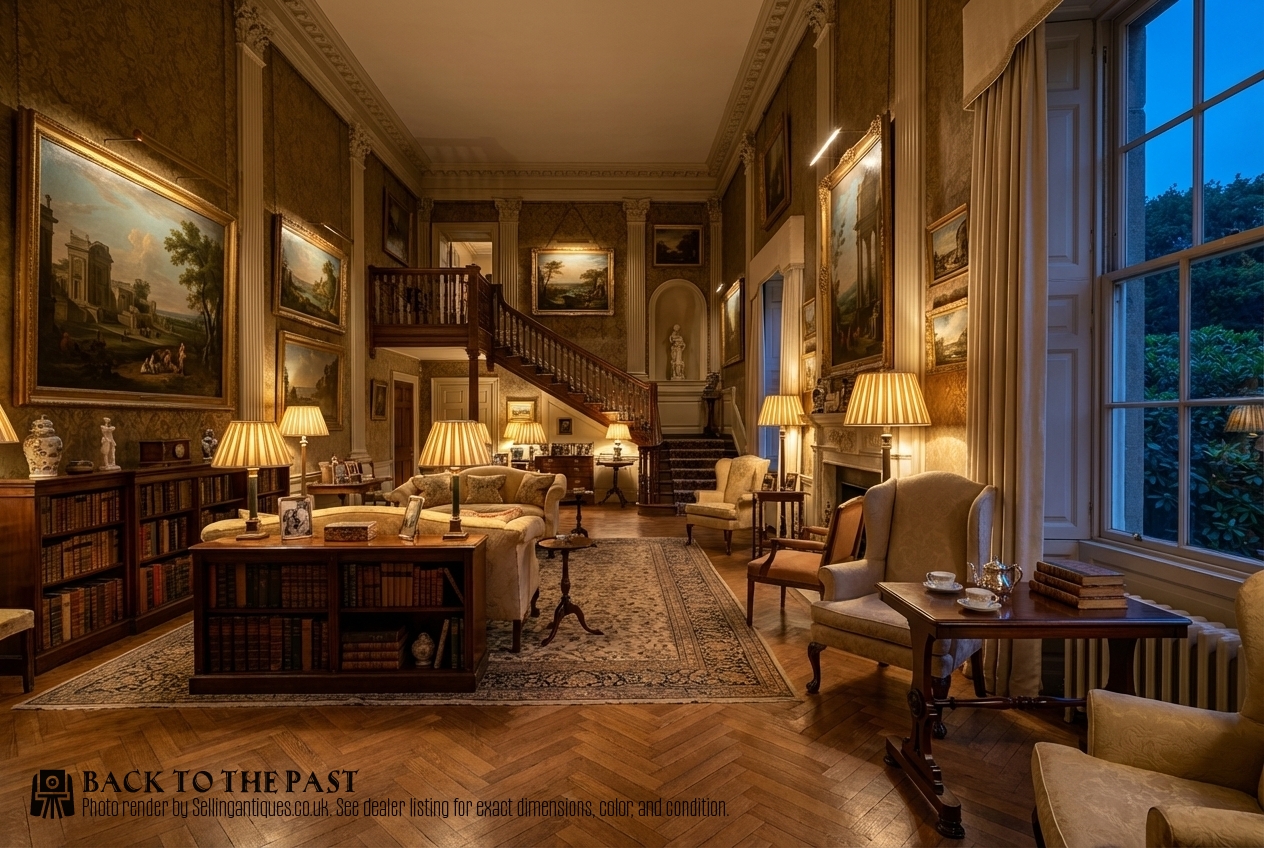
Cabinetmakers constructed carcasses using solid mahogany, oak, and walnut, frequently applying rosewood, flame mahogany, and burr walnut veneers to primary surfaces. Marquetry, boxwood stringing, and oyster veneers decorated finer surfaces alongside inset green leather panels.
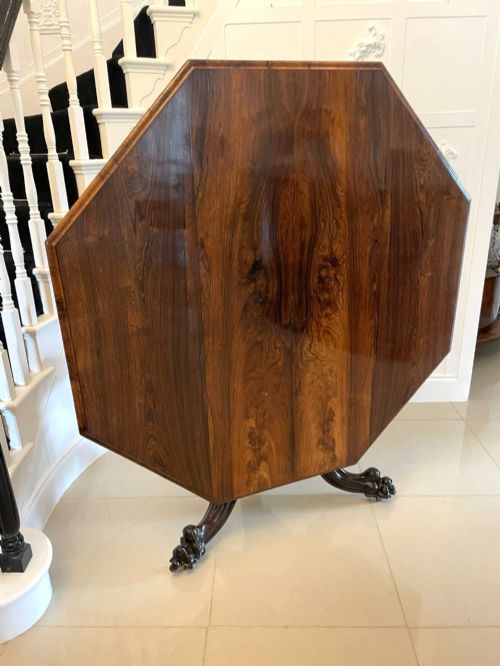
Joinery techniques included wind-out mechanisms for extending dining tables, tilt-top actions for round centre tables, and drop-leaf hinges for versatile spaces. Brass castors, locks, and handles reinforced structural points and enabled movement of heavy pieces.
Retail Price Guide 2026
Typical UK retail prices for early victorian table, calculated from the Sellingantiques database of over a million retail prices indexed since 2003. This retail price guide relies exclusively on Sellingantiques data; no external sources or auction records are used, so the figures do not describe the wider market.
Listings feature nineteenth-century rosewood, mahogany, walnut, and oak across forms including library tables, desks, and extending dining tables.
Craftsmanship and Proportion
Gradations in quality rest upon the selection of timber figures, such as matched flame mahogany or rich rosewood grains, alongside the precision of marquetry inlay. Substantial proportions and well-executed mechanical actions, including smooth drawer runners and stable extending dining leaves, separate standard production from superior output.
Attribution to documented workshops like Gillows elevates certain examples through refined carving and structural integrity. The integration of secondary woods, original brass hardware, and intact leather writing surfaces dictates the preservation standard of individual pieces.

Gillows·Edward Smith·J. Kerr and Co·Richard Bridgen
The Early Victorian Table Glossary
- Tilt-top table
- A table with a hinged top that pivots vertically to save space when not in use. This mechanism appeared frequently on round centre and dining tables.
- Library table
- A freestanding desk or table finished on all sides for placement in the centre of a room. These typically incorporate drawers for storage.
- Drop leaf table
- A table with hinged flaps on either side that fold down to reduce the footprint. This design allowed furniture to adapt easily to varying room capacities.
- Oyster veneering
- A decorative technique using transverse slices of branch wood arranged in patterns resembling oyster shells. This created intricate surface textures on table tops.
- Wind-out dining table
- An extending table operated by a winding handle that separates the leaves to insert additional sections. This mechanism allowed dining capacity to expand for large gatherings.
Frequently Asked Questions
How do I use a centre table?
A centre table stands away from walls as a focal point in a hallway or principal room. It supports lamps, decorative objects, or serves as a surface for books.
Ensure adequate clearance around the piece so the form remains accessible from all sides. These tables suit spacious rooms where their proportions can be appreciated.
Can I use an extending dining table daily?
Extending dining tables function well for everyday meals and expand easily when hosting guests. The winding mechanisms or drop-leaf hinges accommodate shifting seating requirements.
Protect the polished timber surfaces with heat-resistant mats and coasters during regular use. Regular waxing maintains the finish against daily wear.
Where should I place a writing table?
Writing tables fit against walls or float in room interiors depending on whether the back is finished. The inset leather or wood top provides a durable surface for correspondence or laptop use.
Pair the table with a suitable nineteenth-century chair of appropriate height. Position the piece near natural light sources without exposing rosewood or mahogany to direct sunlight.
How do I identify early victorian furniture?
Early victorian pieces bridge late regency and mid-nineteenth-century styles, utilising dense timbers like rosewood and mahogany. Look for structural hallmarks such as hand-cut dovetails, brass castors, and heavy turned or carved pedestals.
Construction methods combined traditional cabinetmaking with early industrial mechanisms like dining table screws. Secondary woods like oak or pine often appear inside drawer linings.