
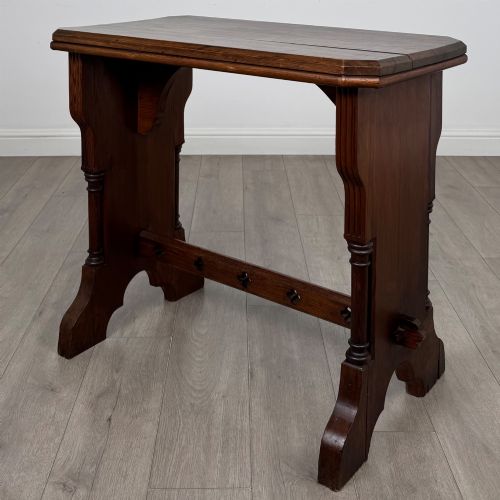
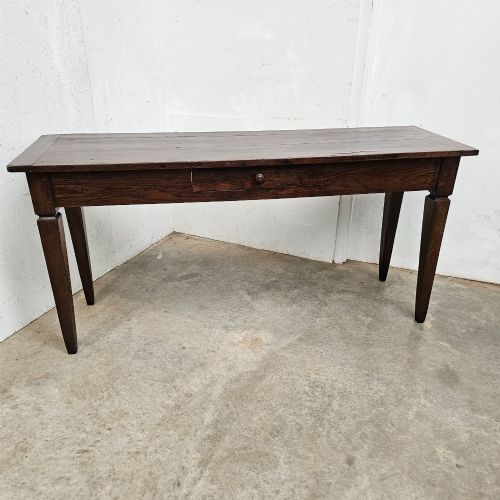
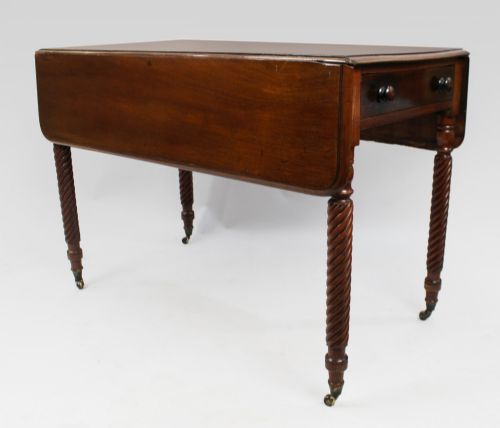
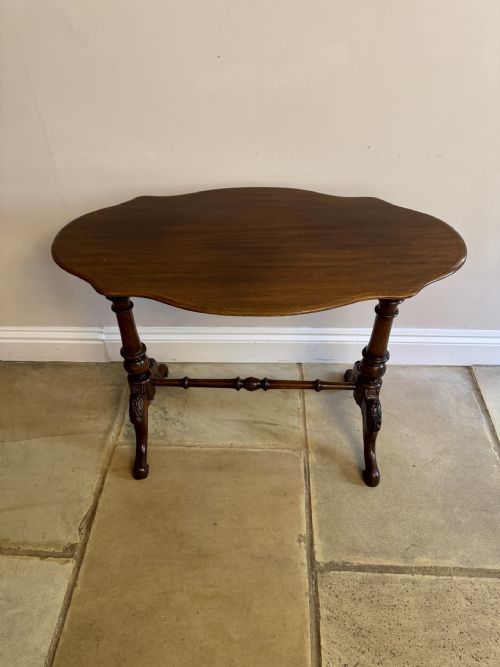

Dark Brown Sofa Table
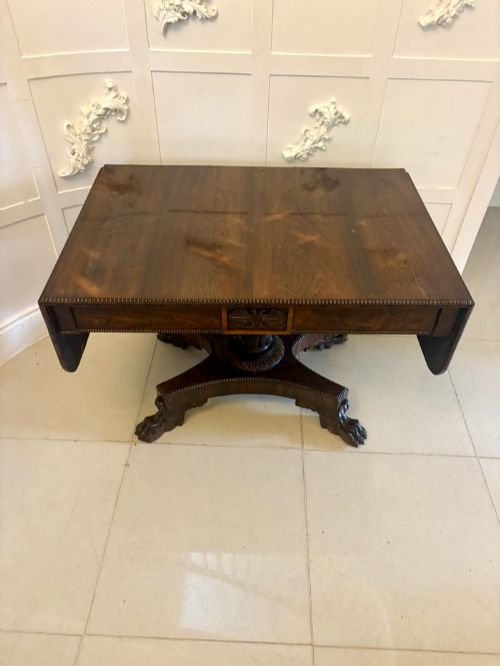
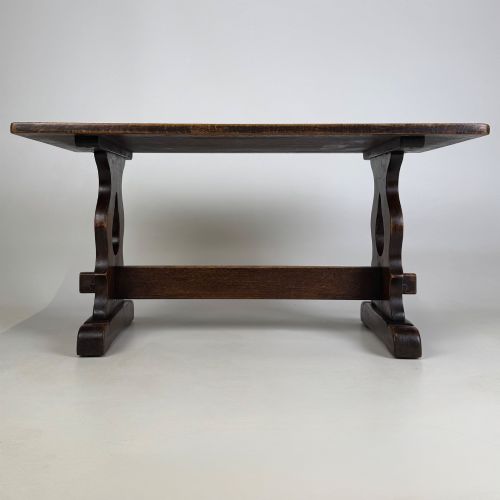
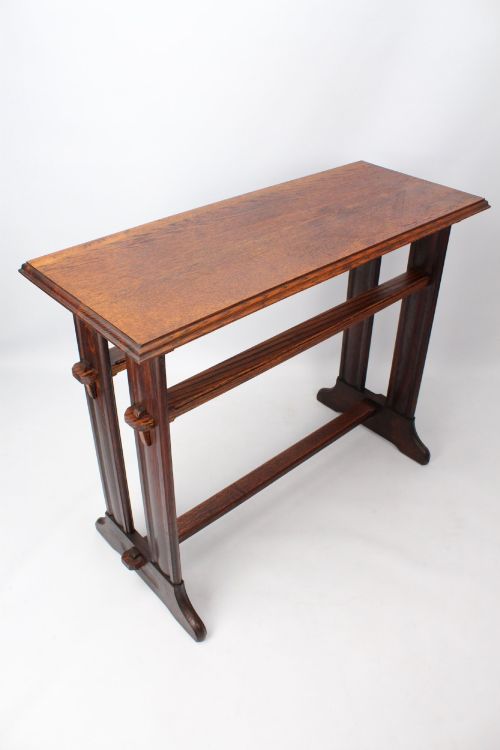
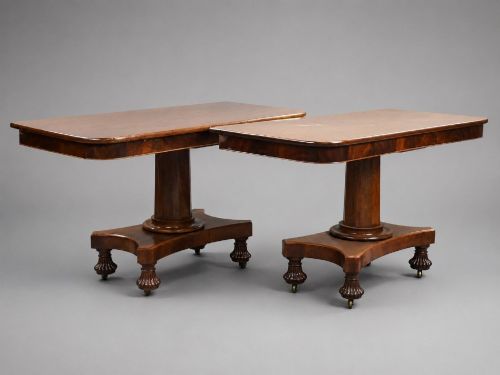
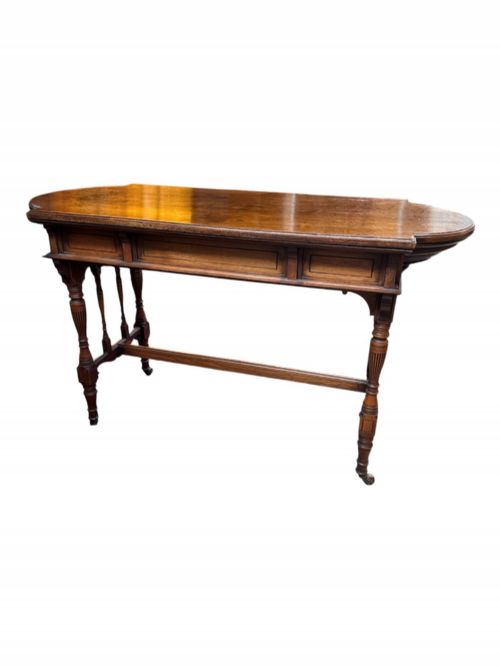
A dark brown sofa table is a long, narrow occasional piece designed to sit behind a couch or stand free in a room, offering warm timber tones and drop leaves.
Dark Brown Sofa Table
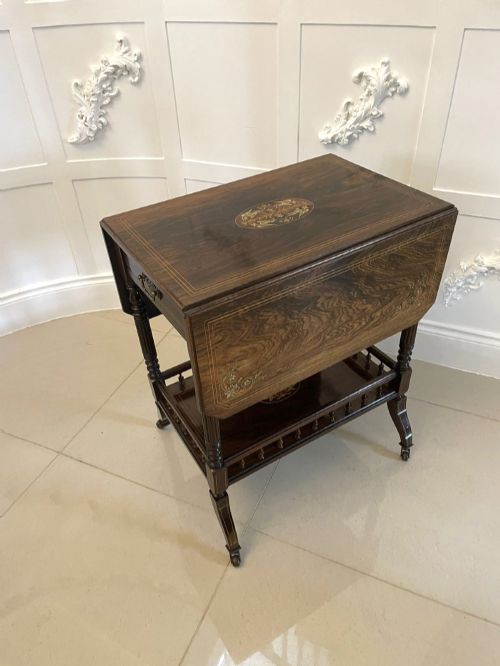
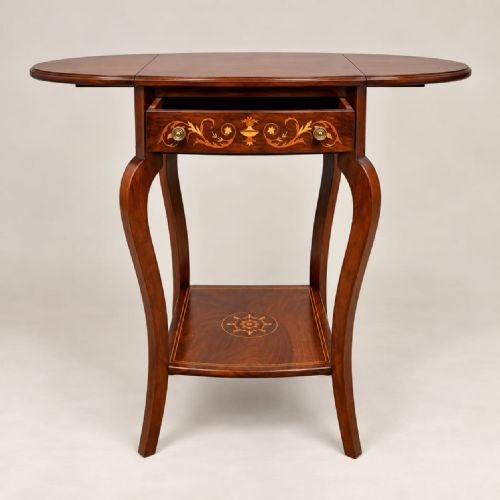
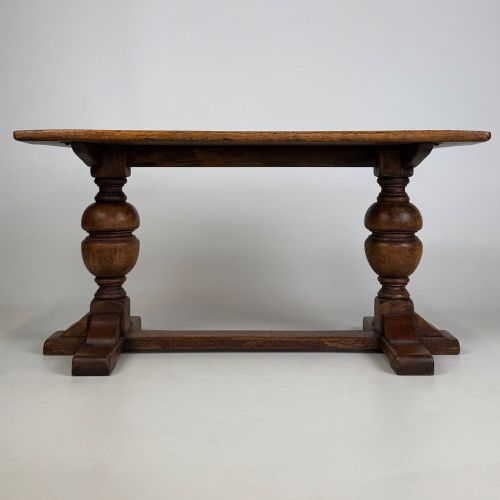
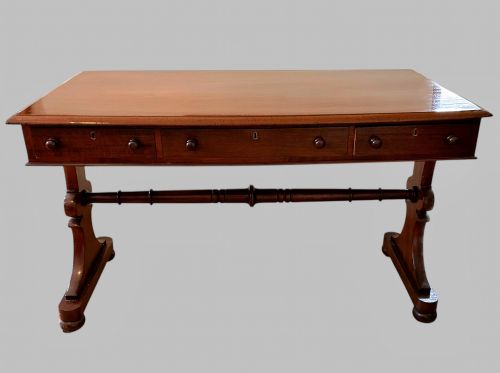
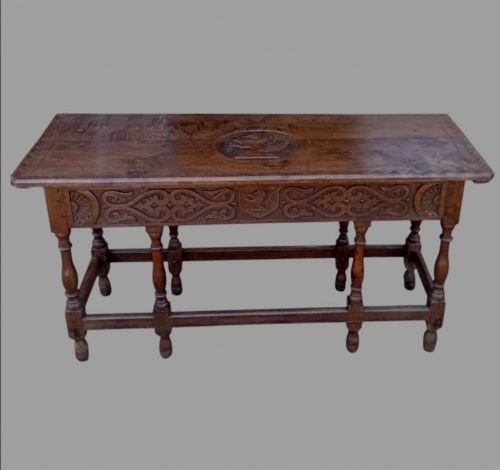
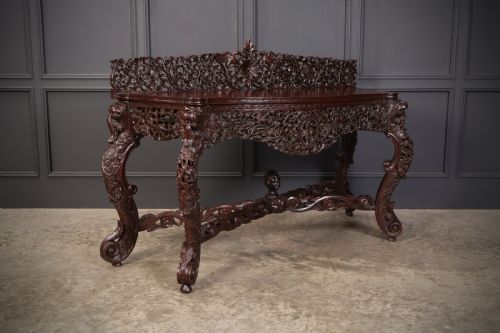
When you search for a dark brown sofa table, you encounter a selection of items spanning the Georgian, Regency, Victorian, and Edwardian periods. These pieces include authentic drop-leaf sofa tables designed for central placement, alongside related forms like console, library, and Pembroke tables in matching dark timbers.
The version you are most likely to meet on this page is a mahogany or rosewood example from the nineteenth century, often featuring twin drop leaves and frieze drawers. Makers from these eras constructed them to stand behind low furniture or in open spaces where all sides remain visible.
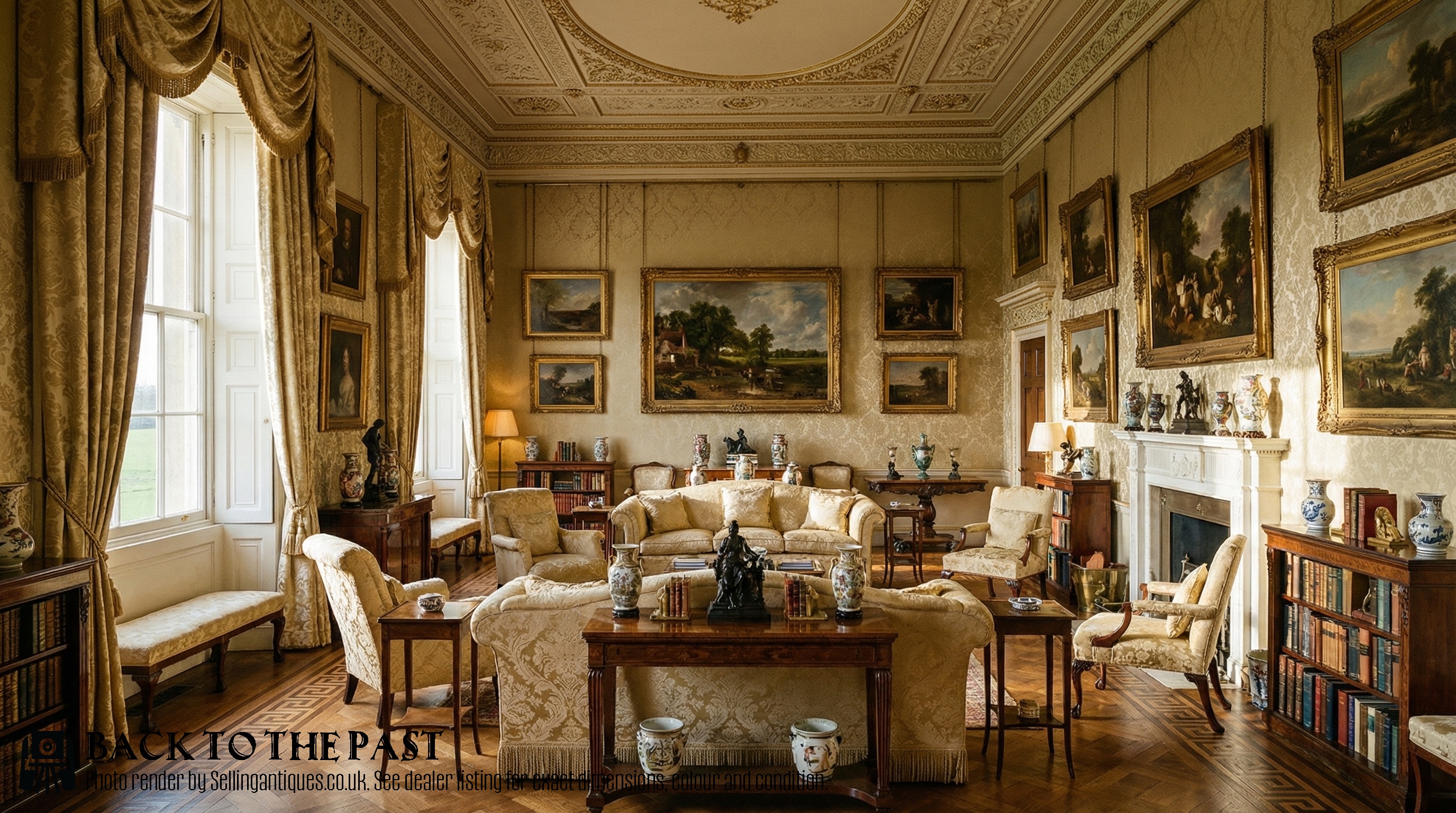
How they were made
Cabinetmakers utilised dense hardwoods such as mahogany, rosewood, walnut, and oak to build these tables, frequently selecting figured veneers for the top surfaces. They incorporated solid timber for framing, drawer linings, and structural supports.
Construction techniques involved traditional joinery such as dovetailing for drawers and secure hinge mechanisms for drop leaves. Brass castors, handles, and occasional inlay work completed the assemblage of these functional items.
Dark Brown Sofa Table Retail Price Guide 2026
Typical asking prices for dark brown sofa table among the pieces listed under this phrase on Sellingantiques today, from the lower quarter to the upper quarter. They describe what is for sale here now, not the wider market.
Listings feature pieces from the Georgian, Regency, Victorian, and Edwardian periods, constructed in mahogany, rosewood, oak, and walnut.
What varies in quality
The standard of a dark brown sofa table depends heavily on the selection of timber and the crispness of the carving or inlay. Tables featuring highly figured mahogany or burr walnut show a superior grade of material chosen by the maker.
Execution of secondary details, such as stable drop-leaf hinges, well-fitted drawers, and balanced proportions, separates standard utility pieces from finer examples. The retention of original brass hardware and untouched surface patination also influences the overall standing of an item.
William Trotter
The Dark Brown Sofa Table Glossary
- Sofa table
- A narrow occasional table originally designed to stand directly behind a sofa, typically fitted with drop leaves on either end. These pieces often include two small drawers on the frieze.
- Pembroke table
- A small rectangular table featuring two hinged drop leaves on opposing sides, introduced during the eighteenth century. They frequently serve as breakfast or occasional tables.
- Console table
- A table designed to be fixed against a wall or supported by front legs, often used in hallways or reception rooms. Some versions stand freely as serving tables.
- Frieze
- The horizontal band situated directly beneath the tabletop, frequently housing one or more drawers in better tables. It provides structural rigidity between the legs.
- Drop leaf
- A hinged flap of timber attached to the main top that raises to extend the surface area. When lowered, it reduces the overall footprint of the furniture.
Dark Brown Sofa Table: Frequently Asked Questions
Where do you place a sofa table?
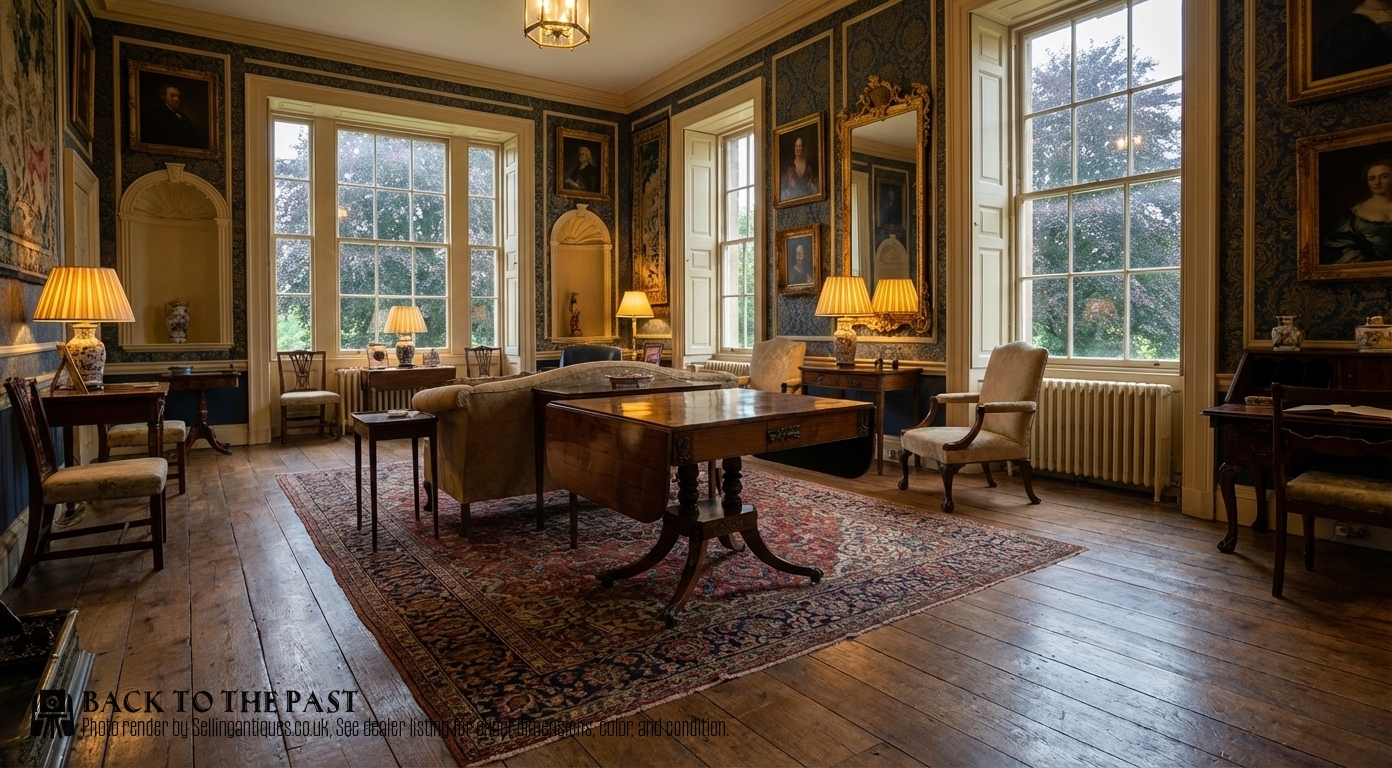
A sofa table traditionally sits directly behind the low back of a couch, providing a surface for lamps and books. Its narrow profile also allows it to function as a freestanding centre table or a hall console against a wall.
Because many examples feature finished backs and drop leaves, placing them in open spaces permits access from multiple sides. They adapt well to various rooms where surface space is required without blocking walkways.
How do I identify a Regency table?
Regency tables typically display classic classical proportions, dark mahogany or rosewood timbers, and often incorporate brass stringing or lion paw castors. Their structural lines lean towards architectural restraint influenced by Greek and Roman revivals.
Examining the underframe and secondary timbers helps confirm the period. Authentic examples from this era show period-specific joinery and hand-cut elements rather than machine-made uniformity.
How do I care for antique hardwood furniture?
Maintain dark timbers by keeping them away from direct heat sources and strong sunlight, which can dry out the finish and fade the grain. Regular dusting with a soft, dry cloth preserves the surface patination.
Apply occasional appropriate wax feeds only when the timber appears dry, buffing gently to maintain a soft sheen. Avoid modern silicone sprays that can penetrate and damage historic French polish or wax finishes.