
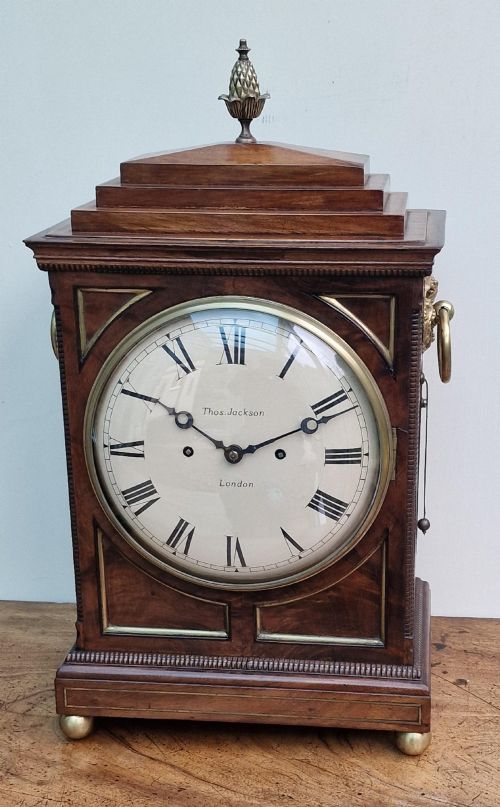

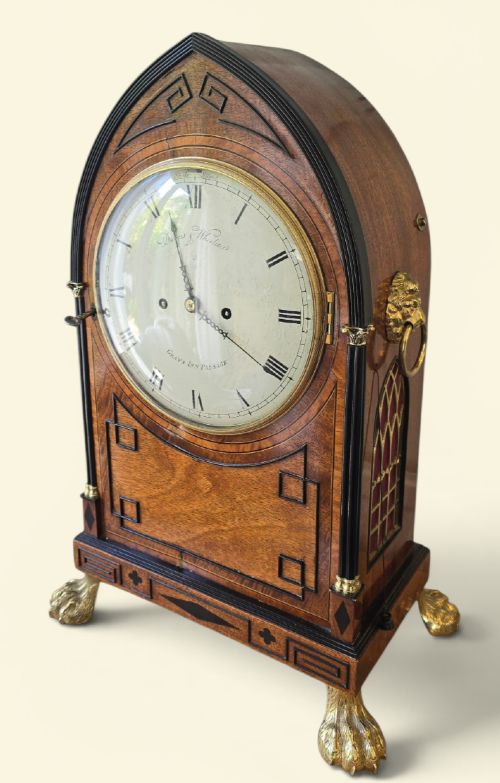


Regency Brass Mounted Table
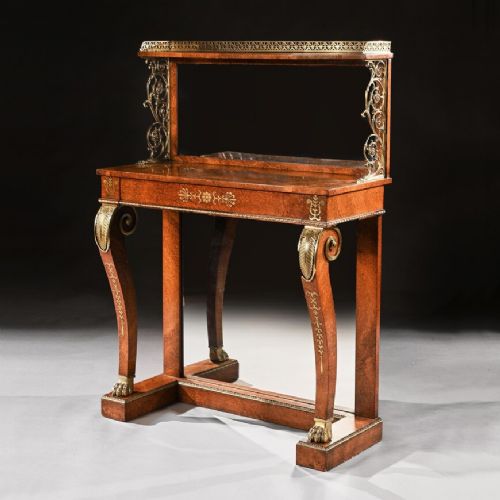
A regency brass mounted table brings architectural precision and refined metalwork into a room, offering both formal elegance and everyday utility.
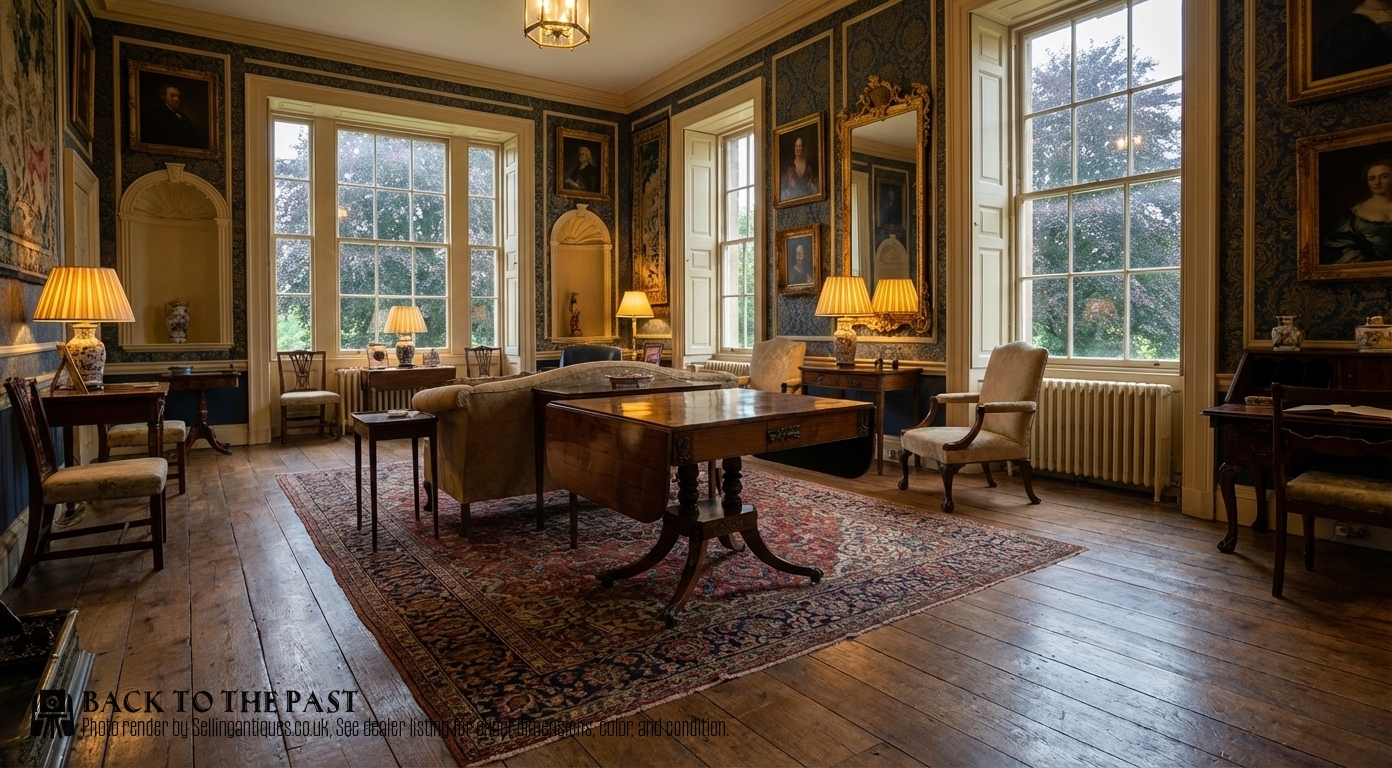
Regency Brass Mounted Table
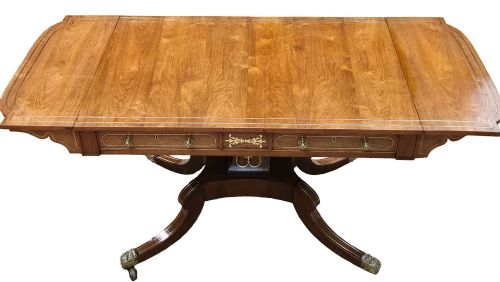
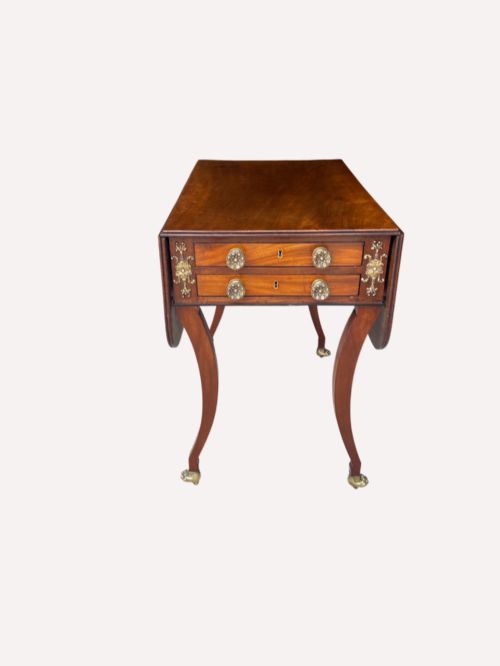
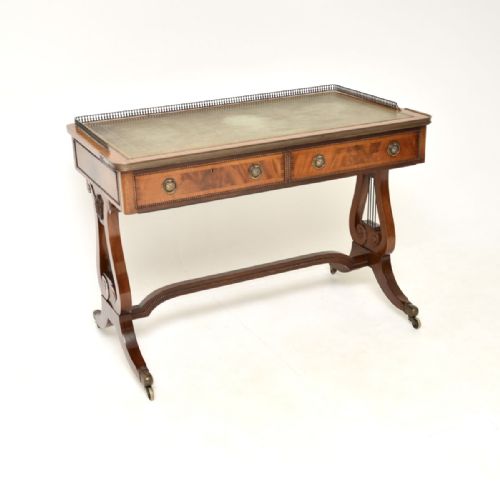
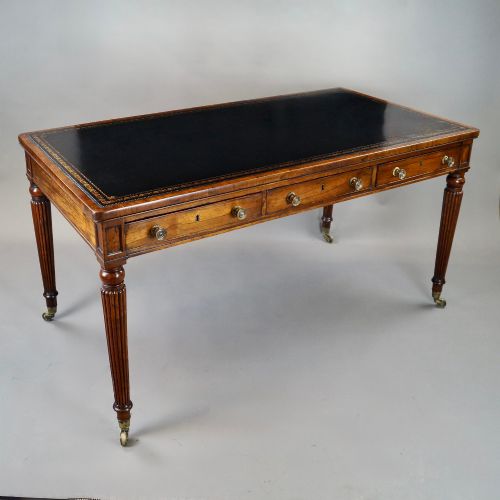
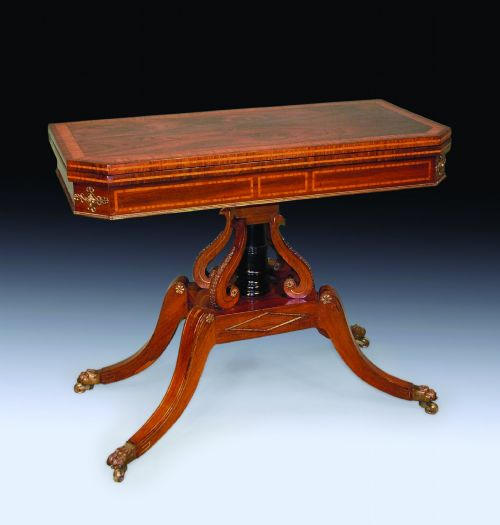
A regency brass mounted table spans several functional forms designed for specific rooms, most notably sofa tables, centre tables, writing desks, and card tables. These pieces originate primarily from the Regency period and the wider nineteenth century, alongside later revivals from the twentieth century.
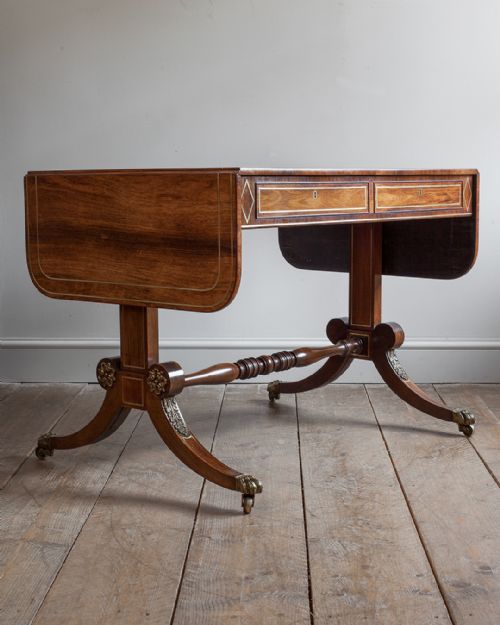
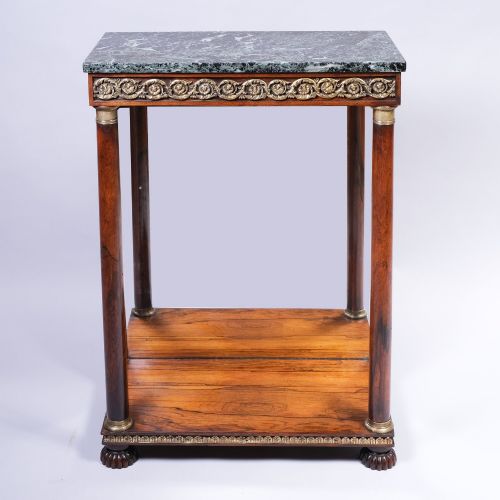
The version most commonly encountered on this page is the rosewood or mahogany sofa table, often fitted with drop flaps and supported on robust pedestals. Alongside these, buyers will frequently find console tables, occasional tables, and various forms of table clocks incorporating brass mounts.
Originating in an era influenced by classical antiquity and French Empire design, these tables combine domestic practicality with bold decorative accents. The integration of brass mounts frames the rich grain of woods like mahogany, rosewood, and amboyna.
Materials and Construction
Makers constructed these tables using dense timbers such as mahogany and rosewood, frequently enhanced by contrasting inlays in ebony, satinwood, or ebonised wood. Brass was utilised extensively for decorative mounts, stringing, and gallery rails, anchoring the classical aesthetic.
Joinery methods relied on solid secondary woods, sturdy pillar and scroll pedestals, and precision-cut brass inlay set flush into the primary timber surfaces. Tops often combined figured wood veneers with leather writing inserts or marble slabs.
Assessing Quality
Quality rests upon the crispness of the brass casting and the precision of its inlay into the surrounding wood. Finer examples display meticulous attention to timber selection, utilising heavily figured veneers that match seamlessly across drop flaps and table tops.
Structural integrity of the base, whether a scroll pedestal or a multi-legged pillar support, dictates the long-term stability of the piece. Superior craftsmanship reveals itself in the clean execution of classical motifs and the balanced proportions of the overall form.
Thomas Jackson·Desbois and Wheeler·John Bull·Paul Philip Barraud·Gillington of Dublin
The Regency Brass Mounted Table Glossary
- Brass mount
- Cast or stamped brass ornamentation applied to the structural surfaces of furniture. These decorative elements define the classical vocabulary of the period.
- Sofa table
- A rectangular occasional table traditionally designed to stand in front of a sofa, usually featuring drop leaves on either side and two small drawers.
- Gueridon
- A small circular occasional table supported by a central pillar or column. This French form often incorporates marble tops and brass mounted bases.
- Ebonised wood
- Timber treated to resemble ebony through staining or painting. This dark finish provides high contrast against bright brass mounts.
Regency Brass Mounted Table: Frequently Asked Questions
Where should I place a regency brass mounted table?
These tables adapt well to various living spaces, functioning as central focal points in a hallway or drawing room when using a round centre table or gueridon. Sofa tables sit comfortably behind upholstery or against walls, while writing tables serve efficiently in studies.
Their restrained classical proportions allow them to mix easily with modern interiors without dominating the room. The reflective quality of the brass mounts also helps to lift darker timber tones in spaces with lower natural light.
How do I care for the brass mounts?
Maintenance requires simple dusting with a soft, dry cloth to prevent the accumulation of grime in the recesses of the cast metal. Avoid harsh liquid metal cleaners that can seep into the surrounding wood and damage the timber finish.
Applying a microcrystalline wax to the wood helps protect both the primary grain and the inlaid brass from moisture. Gentle handling ensures the original patination of the metal remains intact over time.
How do I distinguish original Regency pieces from later revivals?
Examination of the secondary timbers, construction joints, and hand-cut fixings provides the clearest indication of period origin. Nineteenth-century examples often exhibit tool marks and timber shrinkage consistent with age.
Later twentieth-century revivals typically display more uniform machine-cut elements and modern adhesives. Comparing the weight and density of the timber also assists in confirming the authenticity of the period.