

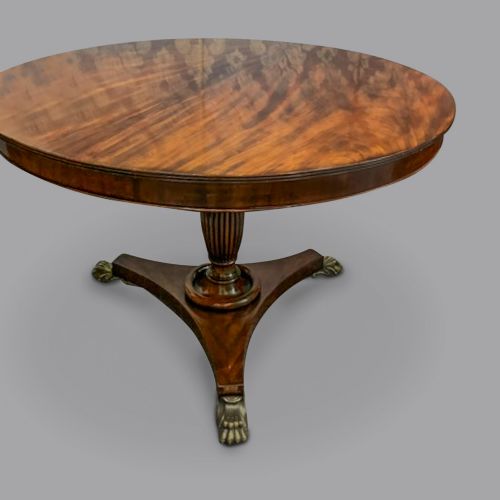
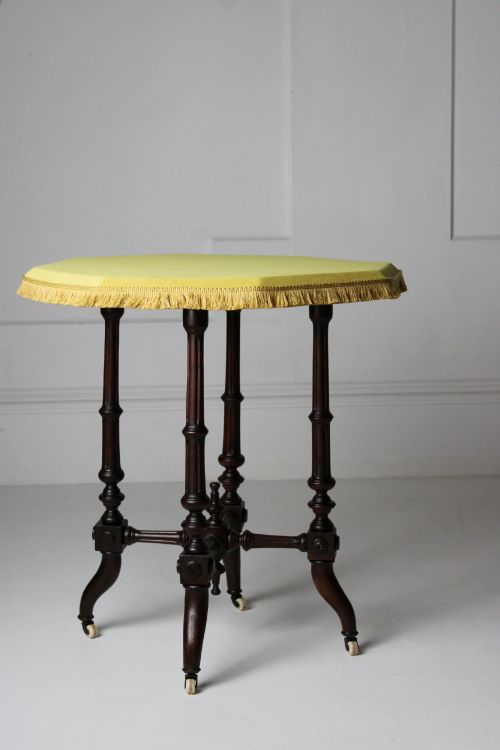
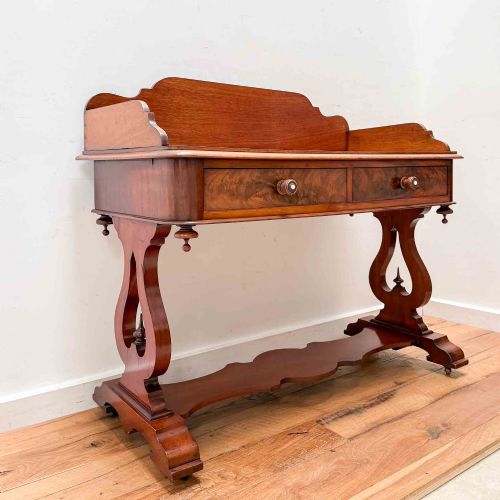
Nineteenth Century Hall Table
A nineteenth century hall table anchors an entrance with proportion, combining practical surface area with period craftsmanship.
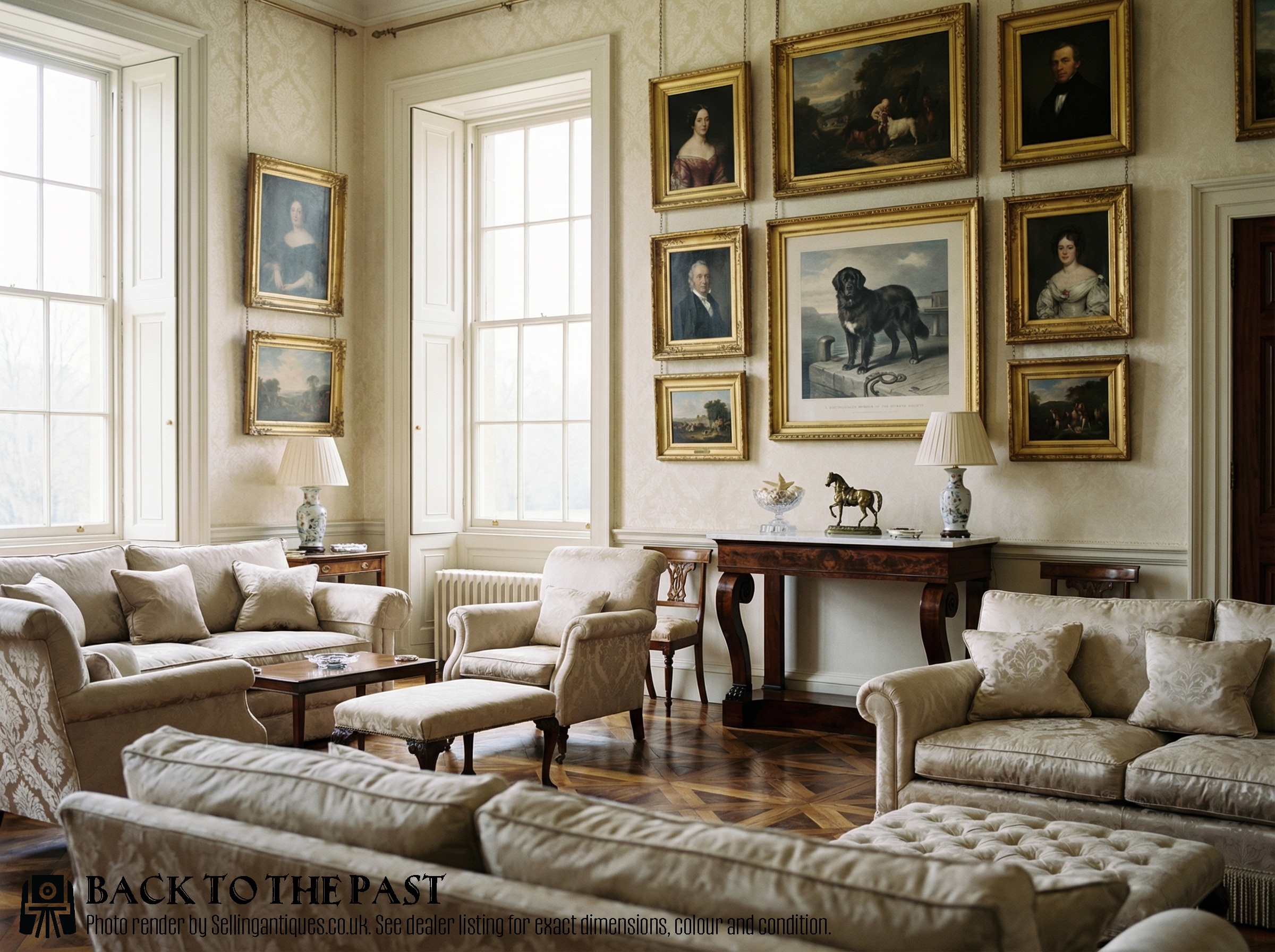
Nineteenth Century Hall Table
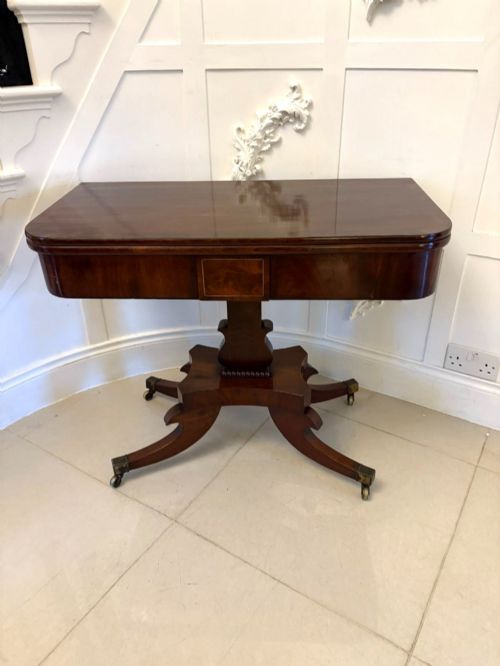
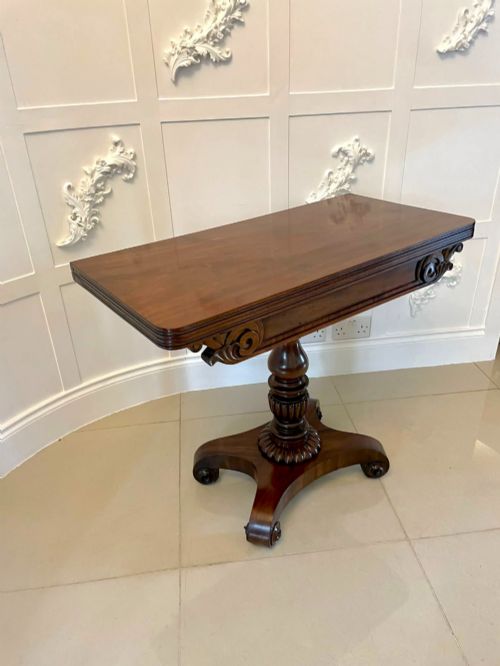
A nineteenth century hall table encompasses console tables, side tables, and centre tables designed to occupy entranceways and reception rooms. These pieces function as surfaces for letters, lamps, and decorative objects while establishing the decorative tone of a home.
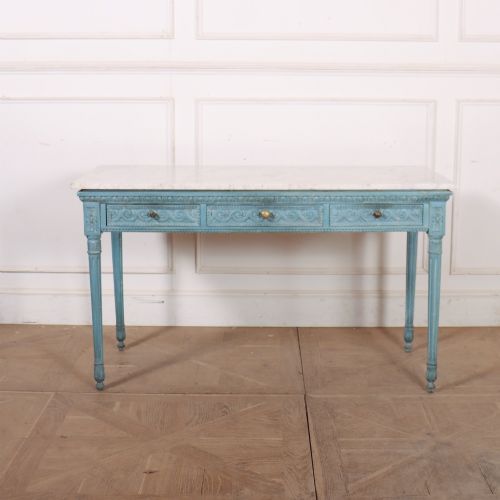
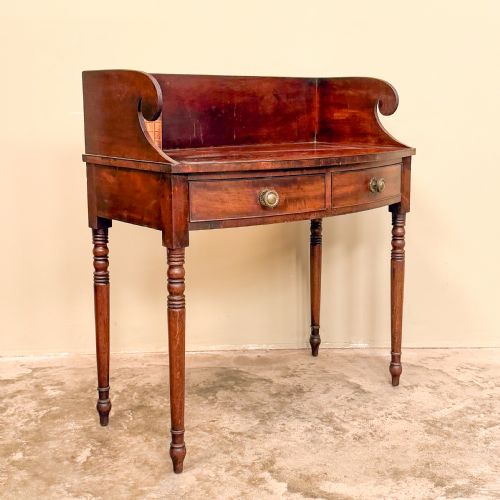
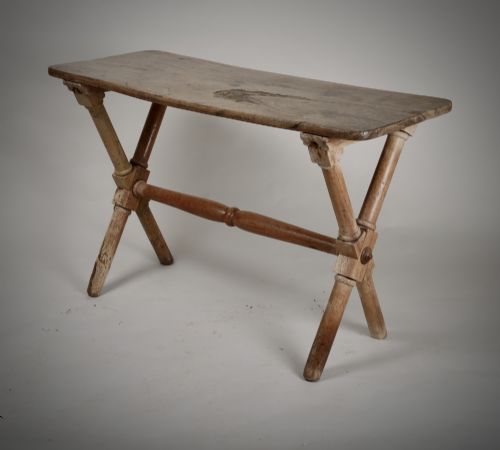
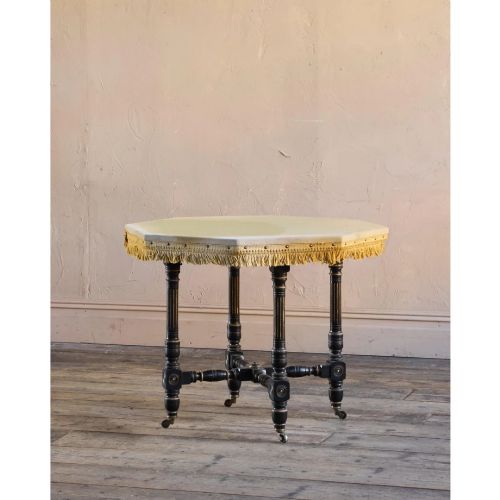
The selection ranges from architectural Regency and William IV mahogany examples to walnut Victorian designs and Continental console forms. Makers and workshops applied varied regional styles, including French Rococo Revival, Italian Neoclassical, and Aesthetic movement influences, to suit grand or modest interiors.
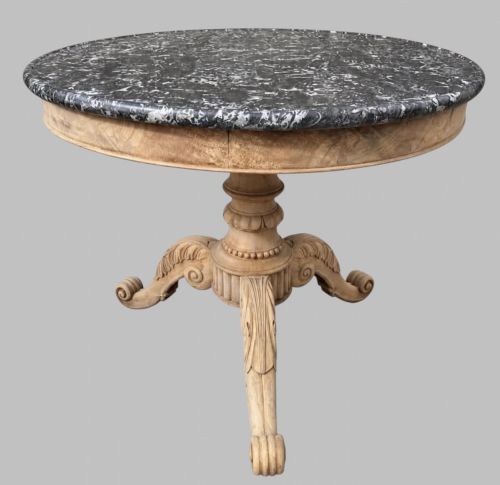
Console tables and wall-fixing tables predominate alongside freestanding centre tables and sofa tables. Buyers encounter formal English mahogany and rosewood alongside painted wood, cherrywood, and marble-topped European pieces.
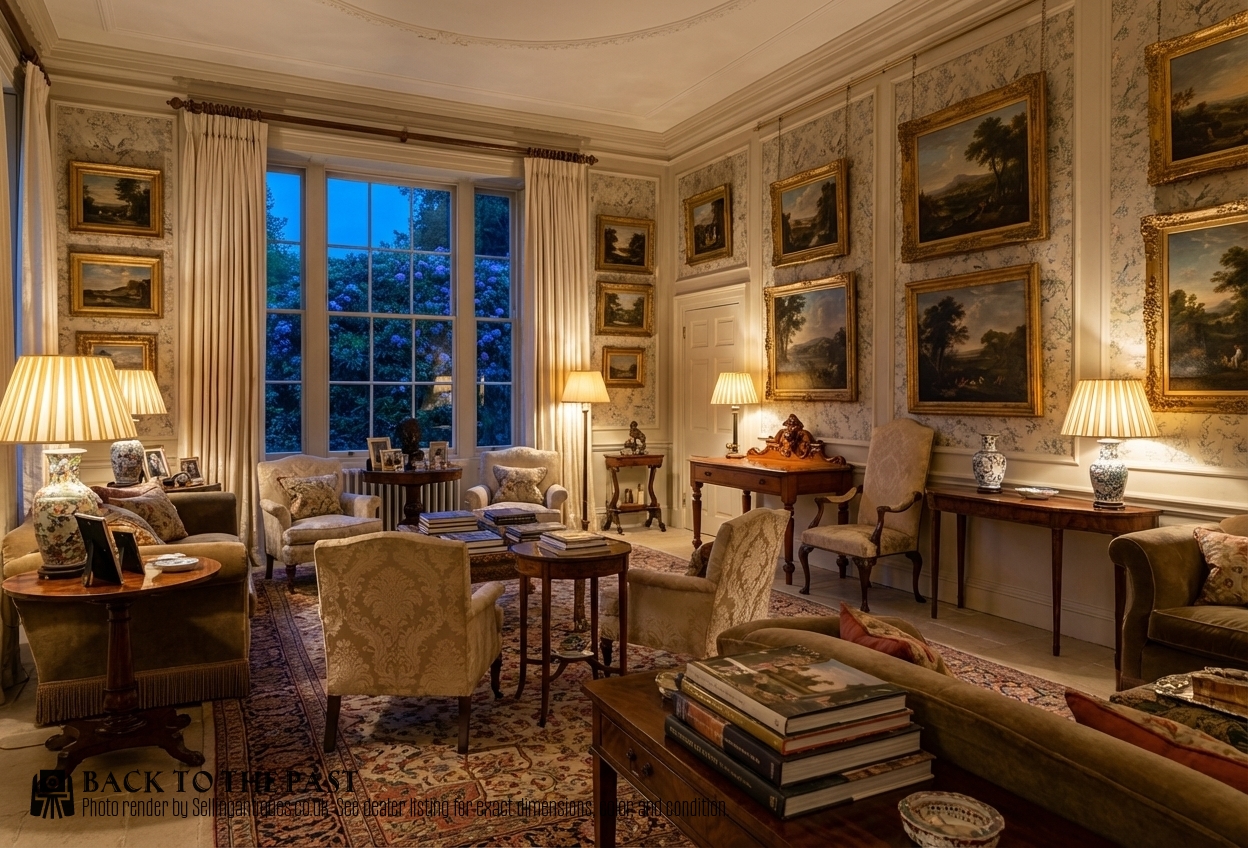
How they were made
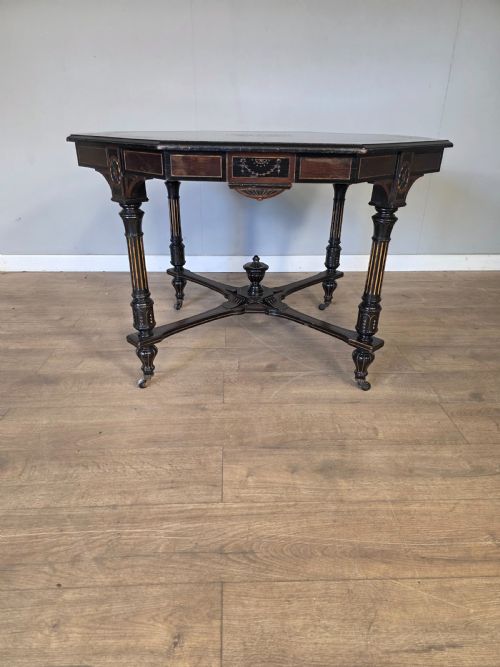
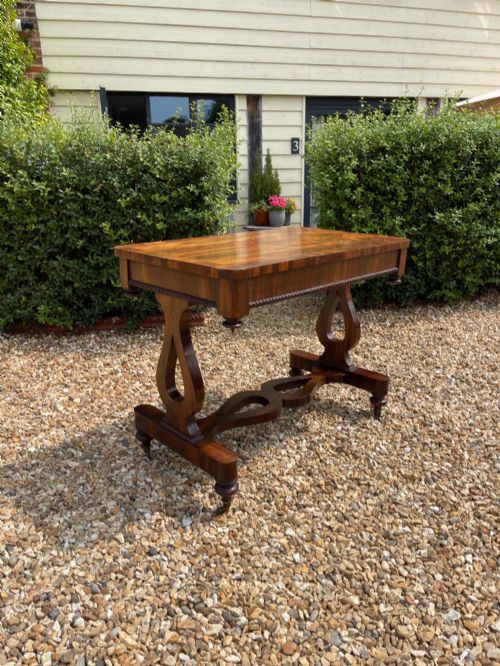
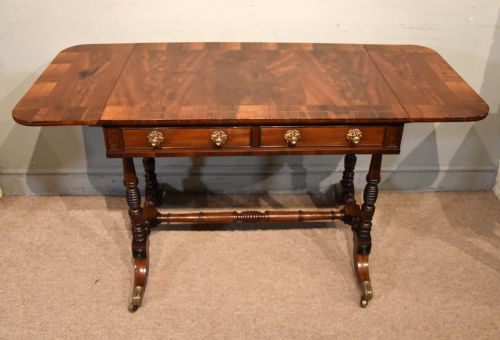
Cabinet makers utilised dense hardwoods such as mahogany, walnut, and rosewood, frequently selecting figured flame veneers for top surfaces. Crossbanding, marquetry inlay, and ebonised details provided contrast and visual depth to the timber construction.
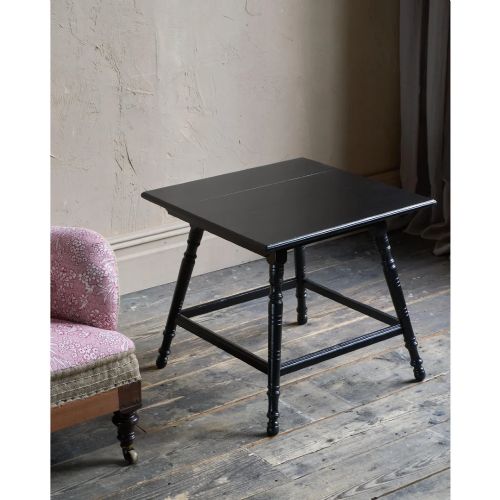
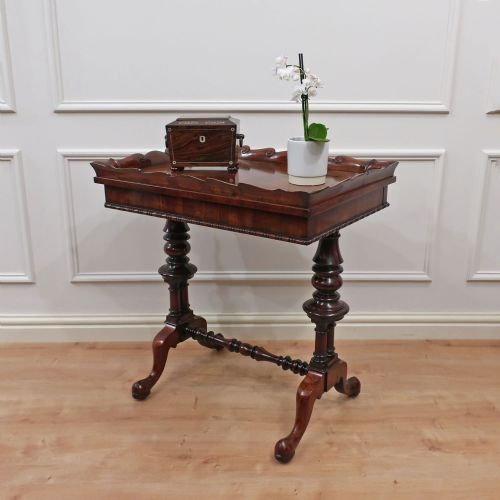
Structural elements incorporated turned spindle bases, barley twist supports, and carved pedestals. Ormolu mounts, brass fittings, and inset marble tops were integrated into high-status console and centre tables produced in Britain and on the Continent.
Nineteenth Century Hall Table Retail Price Guide 2026
Typical asking prices for nineteenth century hall table among the pieces listed under this phrase on Sellingantiques today, from the lower quarter to the upper quarter. They describe what is for sale here now, not the wider market.
Several tables include hidden or double-sided drawers designed for secret correspondence.
What varies in quality
Quality rests upon the selection of timber and the precision of the cabinet work, particularly in the alignment of veneers and the execution of carved details. Superior examples display crisp moulding, integrated structural integrity, and thoughtful proportion between base and top.
Attribution to documented workshops or known makers elevates a piece, as seen in works linked to Gillows or Hindley and Sons. The integration of high-grade secondary materials, such as genuine marble slabs and original brass mounts, distinguishes standard production from exceptional execution.
Hindley and Sons·Gillows·James Mein Kelso·Jean Joseph Chapuis
The Nineteenth Century Hall Table Glossary
- Console table
- A table designed to stand against a wall, frequently supported by brackets or console legs. These pieces are often secured to the wall for stability.
- Centre table
- A freestanding table intended to be viewed from all sides, commonly placed in the middle of a room or grand hall. They frequently feature finished backs and robust pedestal bases.
- Sofa table
- A rectangular table traditionally placed against the back of a sofa, featuring drop leaves on either end. They often incorporate two small drawers and trestle-style supports.
- Crossbanding
- A decorative border technique where strips of veneer are laid perpendicular to the grain of the main surface. This frames the top and adds visual definition to the timber.
- Ormolu
- Gilded bronze ornamentation applied to furniture, popular in French and neoclassical design. It provides metallic contrast against dark woods and marble.
Nineteenth Century Hall Table: Frequently Asked Questions
Where should I place a hall table?
These tables fit naturally in entrance halls, corridors, and large landings where surface space is needed without blocking passageways. Console versions require placement against a wall, while centre tables operate best as freestanding focal points.
Ensure the dimensions allow adequate clearance for doors and movement through the space. Pairing the table with a mirror or wall hanging creates a balanced entrance arrangement.
How do I care for antique wood surfaces?
Maintain timber surfaces by dusting regularly with a soft, dry cloth and avoiding silicone-based polishes that build up over time. Natural wax applied sparingly preserves the lustre of mahogany, walnut, and rosewood.
Keep tables away from direct heat sources and strong sunlight to prevent the timber from drying, splitting, or fading. Use coasters and mats to protect polished tops from moisture and heat.
What is the difference between a console and a side table?
A console table is specifically designed to be positioned against a wall and historically relied on wall fixings or front legs for support. Side tables are generally freestanding four-legged items that can move more easily around a room.
Console tables often feature more elaborate decorative carving or marble tops suited for formal reception spaces. Side tables tend towards utilitarian flexibility in living areas and bedrooms.
How do I identify a Regency period table?
Regency tables, dating from the early nineteenth century, frequently exhibit classical revival motifs, bold mahogany or rosewood grains, and restrained brass inlay. Look for architectural lines, saber legs, and drop-ring handles.
Proportions are typically clean and balanced, drawing inspiration from ancient Greek and Roman furniture forms. Pieces attributed to workshops like Gillows often display exceptional attention to structural joinery.