


Dutch Tin Glazed Earthenware
Dutch tin glazed earthenware brings centuries of painted blue and white pottery into the home, offering collectors classic forms from chargers to apothecary jars.
Dutch Tin Glazed Earthenware
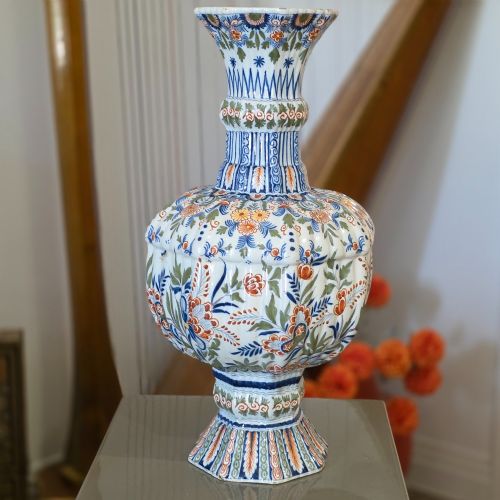
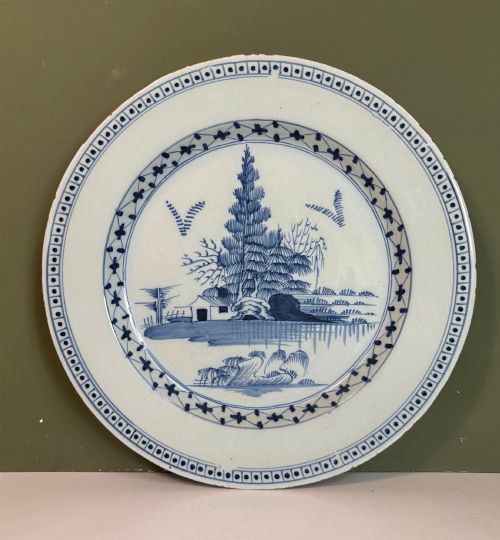
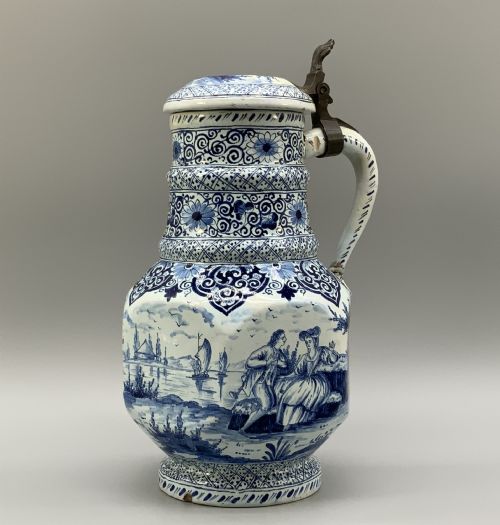
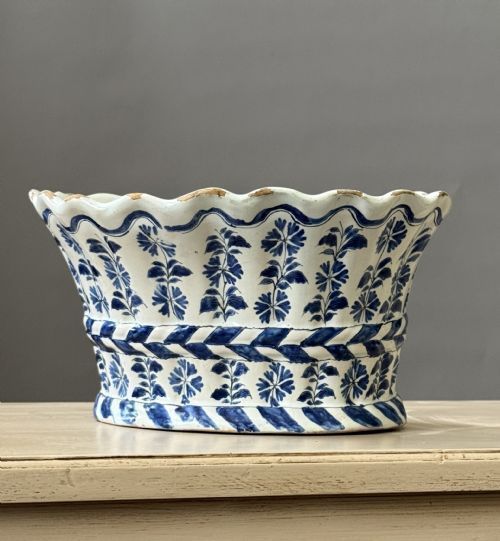
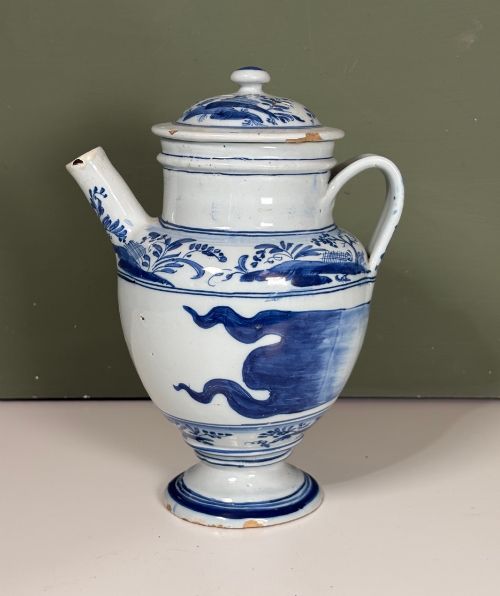
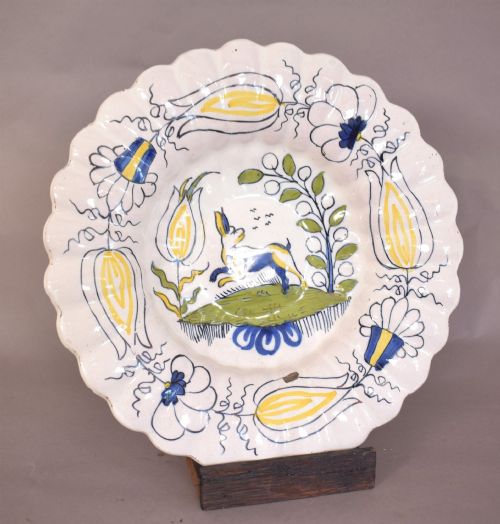
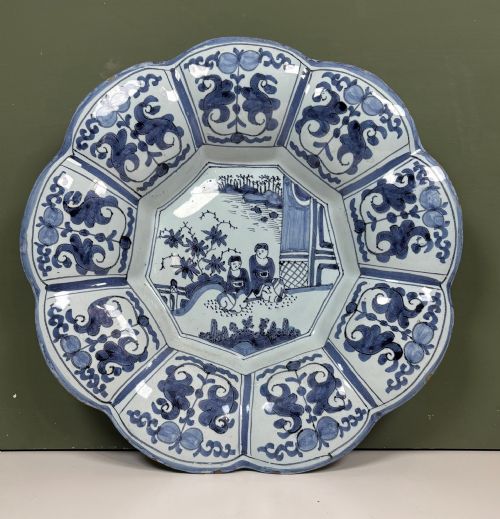
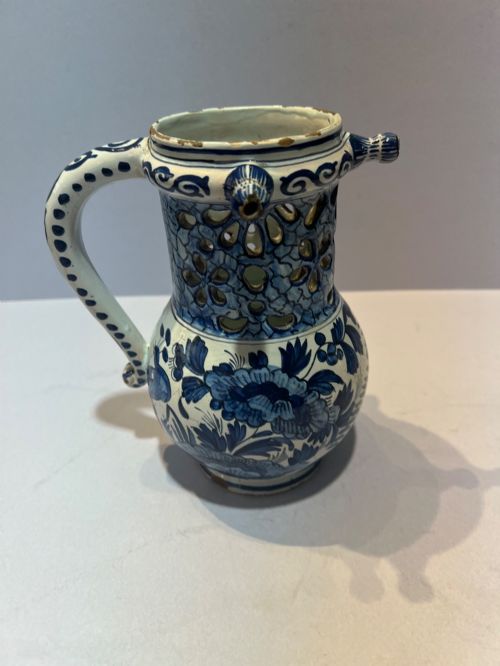
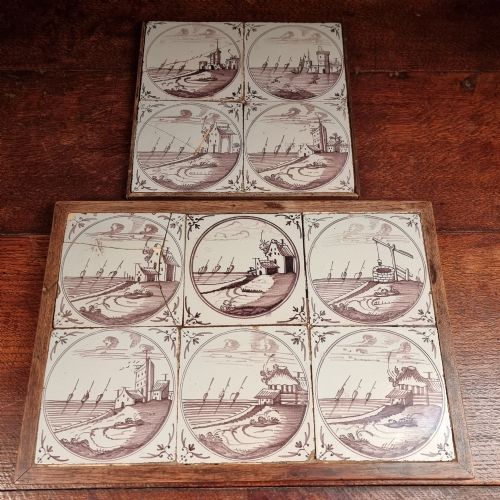
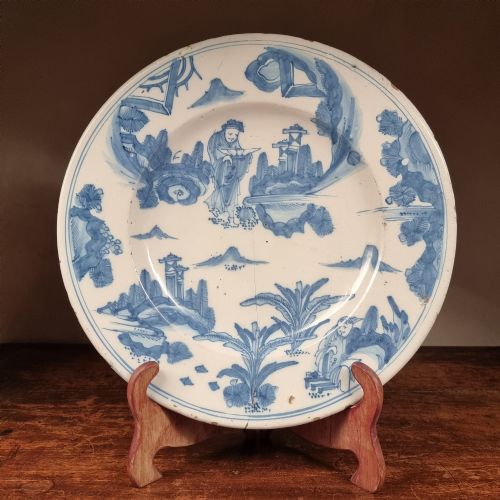
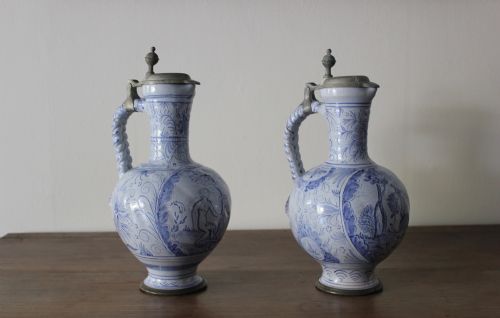
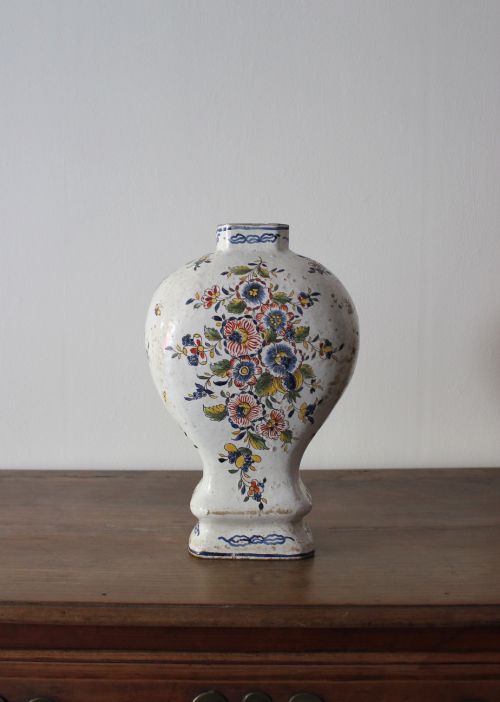
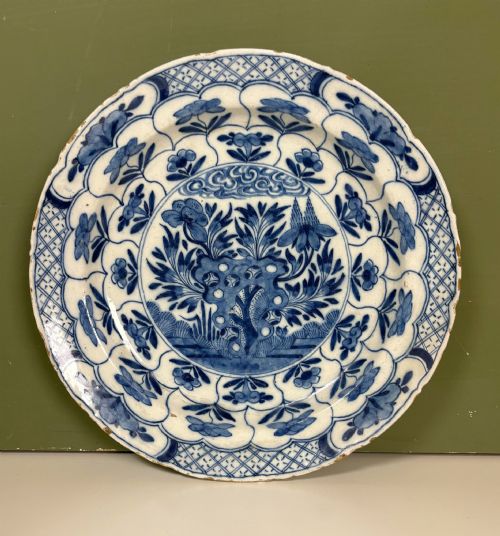
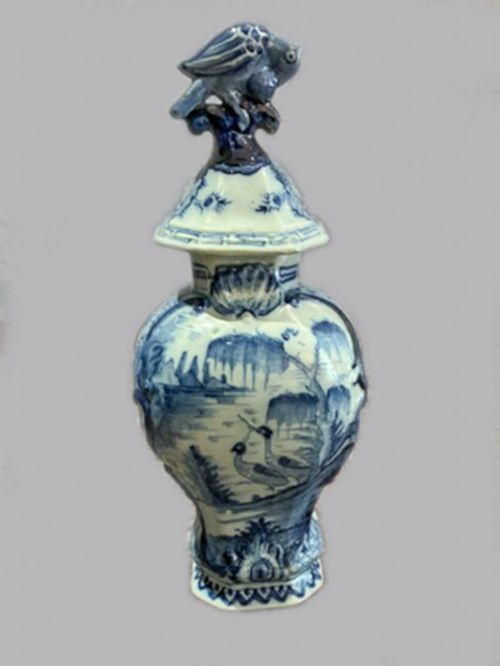
Dutch tin glazed earthenware comprises domestic and decorative vessels produced primarily across the seventeenth, eighteenth, and nineteenth centuries. Buyers encountering this selection will frequently find chargers, decorative plates, and lidded vases alongside specialised forms such as apothecary jars, puzzle jugs, and tiles.
The objects stem from distinct periods spanning Dutch Baroque and eighteenth-century Delftware traditions. Pieces range from large garden urns and posset pots down to small snuff boxes and barber's bowls.
Blue and white decoration dominates the group, though polychrome examples and manganese tiles also appear. These domestic wares reflect both utilitarian origins and ornamental ambitions.
Standards of Execution
Quality rests upon the crispness of the hand-painted cobalt pigment against the tin glaze and the overall balance of the ceramic form. Finer examples display confident brushwork on chargers, vases, and tiles, while lesser pieces show crowded or hurried decoration.
Preservation of the earthenware body and glaze integrity heavily influence desirability. Complete lids on baluster vases, garden urns, and apothecary jars elevate the standing of a piece within this tradition.
Potters included puzzle jugs in their output, designed with hidden spouts to test the drinker's wits without spilling.
The Dutch Tin Glazed Earthenware Glossary
- Charger
- A large decorative plate intended for display rather than dining. These wide earthenware dishes frequently feature blue and white or polychrome painting across the centre.
- Tin-Glaze
- An opaque white ceramic glaze containing tin oxide. This surface served as a smooth ground for cobalt pigment painting before the final firing.
- Bough Pot
- A vessel designed to hold cut branches or floral arrangements for interior decoration. These pierced or lidded containers date mainly to the eighteenth century.
- Apothecary Jar
- A storage vessel utilised by pharmacists to hold dry drugs, syrups, or ointments. They often bear painted labels or decorative panels.
- Posset Pot
- A two-handled lidded vessel used for serving a traditional hot drink made of curdled milk and wine. They stand among the more domestic ceramic survivals.
Dutch Tin Glazed Earthenware: Frequently Asked Questions
What is Dutch tin glazed earthenware?
Dutch tin glazed earthenware consists of ceramic objects coated in a white tin-opacified glaze and painted with pigments like cobalt oxide. The category includes plates, chargers, vases, and tiles produced across several centuries.
These pieces reflect historic European pottery traditions influenced by imported Asian porcelain and local domestic utility.
How were these vessels used?
Many items served practical domestic or medical functions, such as apothecary jars for medicines, barber's bowls for shaving, and jugs for liquids. Other forms like chargers, plaques, and garden urns were strictly ornamental.
Over time, utilitarian objects transitioned into display pieces collected for their painted surfaces and historic forms.
How do I identify seventeenth-century pieces?
Seventeenth-century examples often display Dutch Baroque characteristics, lobed rims, or Kraak-style influences derived from Chinese porcelain imports. The painting style, tin glaze texture, and specific vessel forms like snuff boxes help distinguish this early period.
Examination of the earthenware body beneath the glaze further assists in determining the age of the object.
How should I display delftware at home?
Chargers and plates suit wall mounting using appropriate brass wire hangers or placement on sturdy plate stands. Vases, jars, and posset pots perform well on mantelpieces or within wooden cabinets away from high-traffic areas.
Stable surfaces and moderate humidity levels help protect the tin glaze and earthenware body from unnecessary wear.