
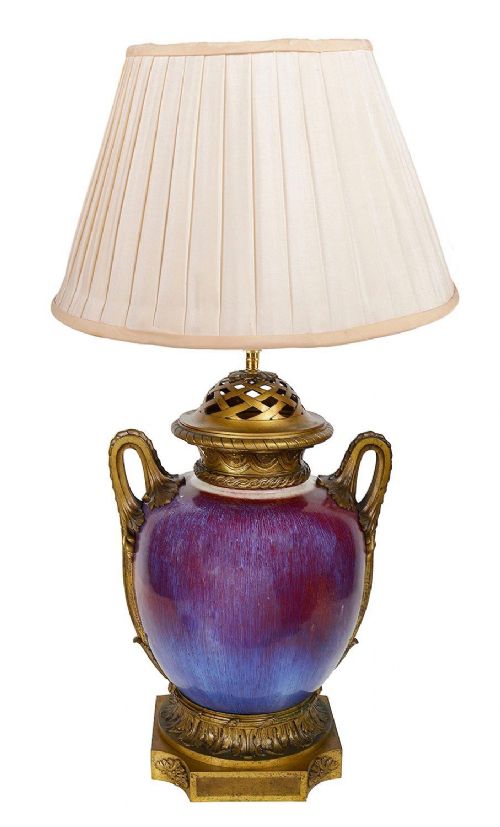


18th Century Ceramic Vase
These pieces are tangible survivors of past kilns, offering a quiet connection to centuries of domestic display when you seek an 18th century ceramic vase.
18th Century Ceramic Vase
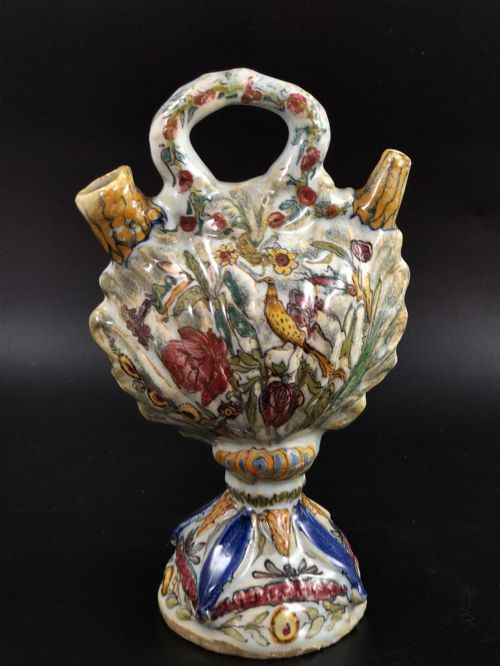
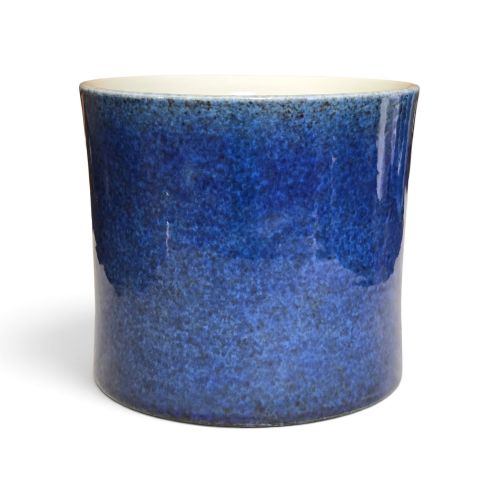
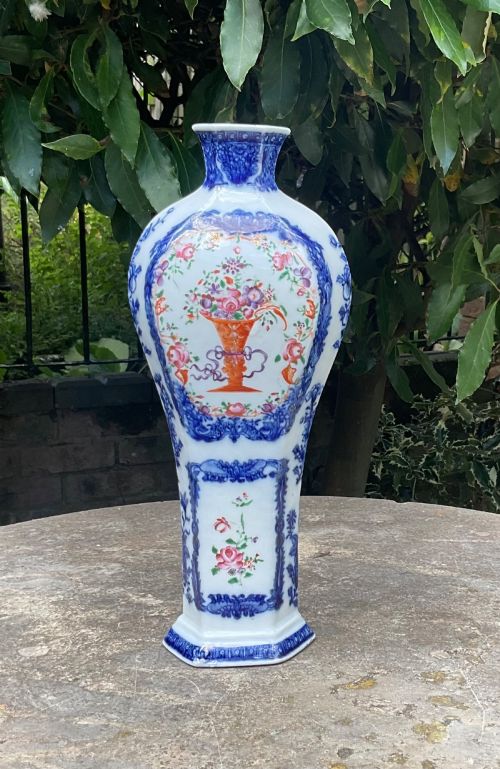
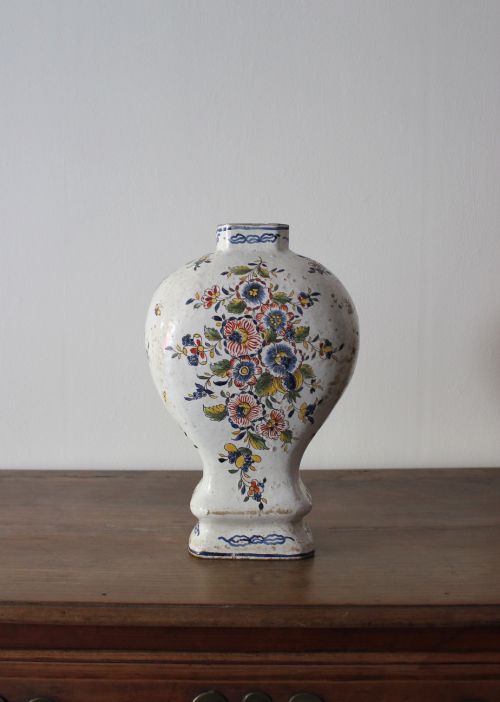
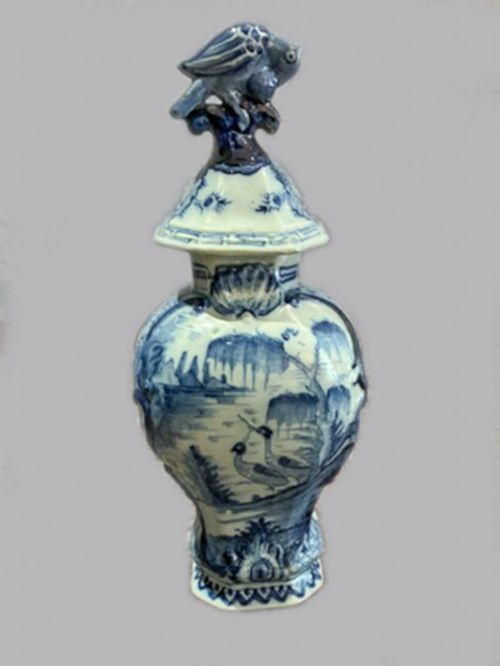
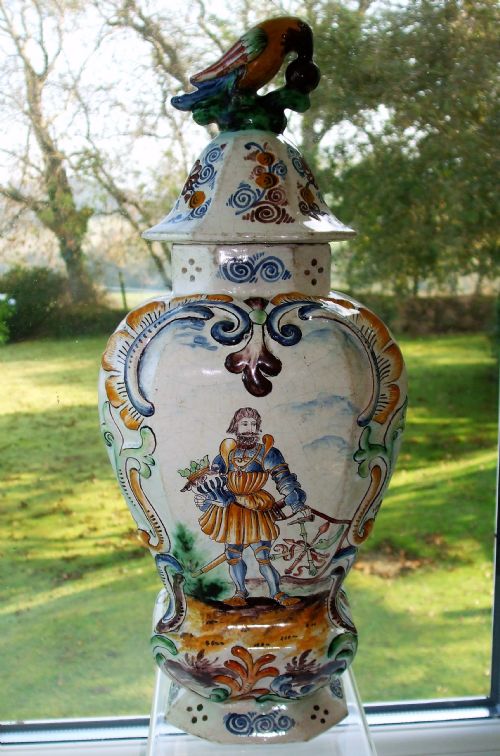
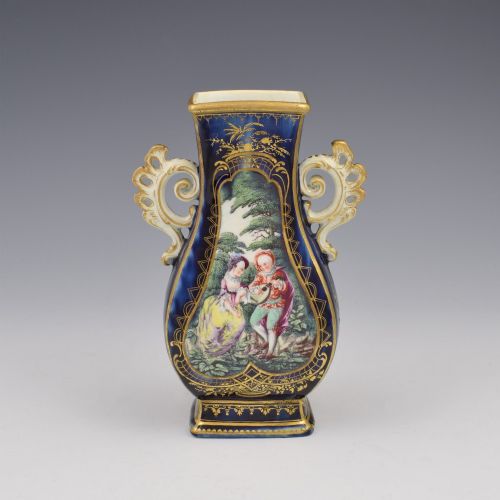
When you search for an 18th century ceramic vase, you encounter works shaped from clay or porcelain across European and Asian workshops. These vessels span utilitarian drug jars and garden urns to delicate painted cabinet pieces.
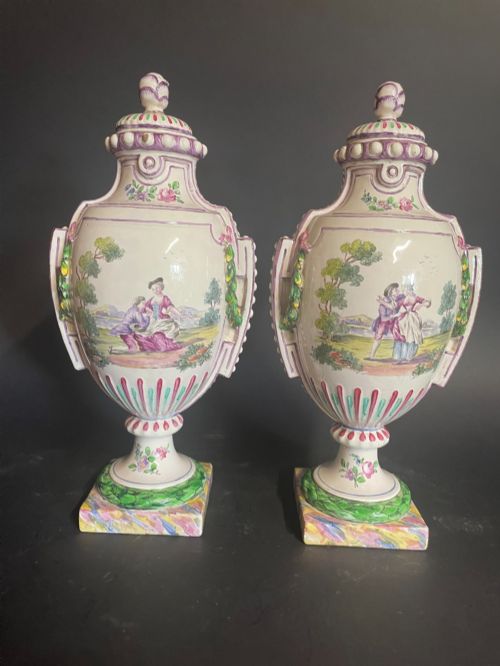
The most common forms on this page include Dutch and English Delftware, alongside Chinese porcelain and Japanese Arita wares. Many survive as pairs or garniture sets intended for period mantelpieces.
Some examples have undergone later conversions into table lamps, incorporating metal mountings or electrical wiring. Despite these alterations, the underlying ceramic body retains its original period character.
How they were made
Makers utilised tin-glazed earthenware, soft-paste porcelain and hard-paste bodies shaped upon the wheel or pressed into moulds. Tin glaze provided an opaque white ground suitable for painting in cobalt blue or polychrome enamel palettes.
Firing took place within traditional kilns where temperature fluctuations produced subtle variations in the glaze. Artisans applied pigments by hand, sometimes augmenting designs with gold leaf or mounting the finished vessels in ormolu and brass.
Several apothecary jars on display once held dried toad skins and powdered gemstones for seventeenth-century medical concoctions.
What varies in quality
The standard of an 18th century ceramic vase rests upon the crispness of the modelled form and the confidence of the brushwork. Superior examples display assured, freehand painting rather than mechanical repetition.
Glaze purity and stability also determine distinction, with even surfaces and well-controlled firing colours marking out finer productions. The handling of secondary elements, such as lids, handles and mounts, distinguishes standard utilitarian output from ambitious studio work.
Chamberlain Worcester·Chelsea Porcelain·Derby Porcelain·Sceaux Faience·3 Bells Drie Klokken Factory
The 18th Century Ceramic Vase Glossary
- Delftware
- Tin-glazed earthenware produced in the Netherlands and England, typically featuring a white surface painted with blue designs. It often mimics Chinese export porcelain styles.
- Majolica
- Italian tin-glazed earthenware decorated with opaque colours, frequently taking the form of apothecary jars or pilgrim flasks. The technique developed during the Renaissance and continued through later centuries.
- Garniture
- A set of matching vases or jars, usually numbering three or five, designed to be displayed together on a mantelpiece or shelf. These sets often combine covered jars and open beaker shapes.
- Albarello
- A cylindrical earthenware drug jar used by apothecaries to store herbs and ointments. Its waisted shape allowed pharmacists to stack and tie covers over the opening easily.
- Imari palette
- A decorative scheme originating in Japan utilising underglaze blue combined with iron red and gilt highlights. European factories frequently copied these distinct colourways on porcelain and earthenware bodies.
18th Century Ceramic Vase: Frequently Asked Questions
How were these vases originally used in the home?
Household vessels held dried botanicals, fresh stems or specific apothecary contents depending on their shape. Larger urns served as decorative architectural accents within grand interiors.
Matching garniture sets occupied prominent positions on mantelpieces, arranged symmetrically to demonstrate household substance and taste.
Why are some vases mounted as lamps?
Conversion into table lamps occurred frequently during later centuries to adapt antique vessels for modern domestic lighting. Metal fittings and wiring were added to repurpose surviving bodies for daily utility.
These alterations reflect changing interior fashions where historic ceramics found new roles in electrified rooms.
How can I distinguish Japanese Imari from Chinese export wares?
Japanese Arita Imari porcelain typically presents a heavier body with a slightly greyish white glaze and densely packed iron-red and gilt motifs. Chinese export pieces often display brighter blue underglaze painting on a cleaner white porcelain ground.
Brushwork styles and floral motifs also differ between the two regional traditions.