


Dutch Delftware Pottery
When buying dutch delftware pottery, you are investing in centuries of tin-glazed earthenware shaped into chargers, vases, and apothecary jars.
Dutch Delftware Pottery
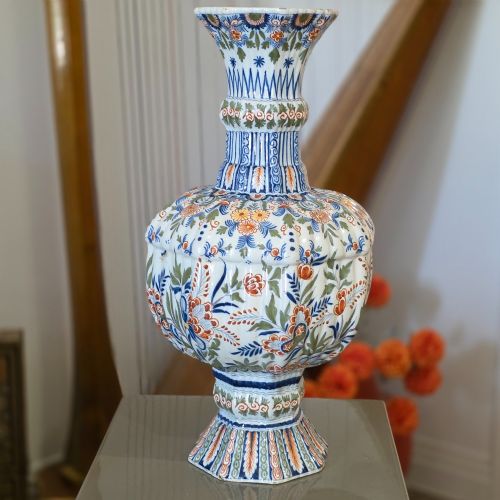
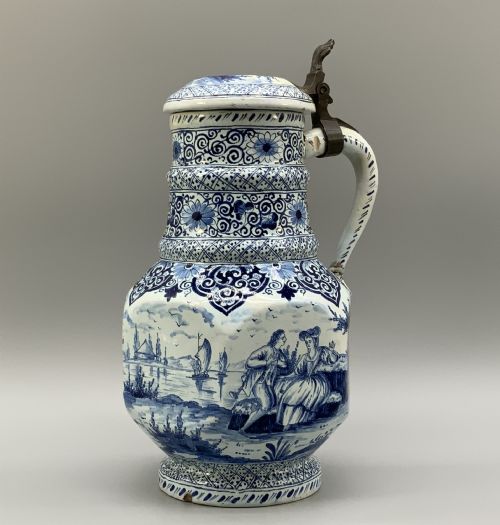
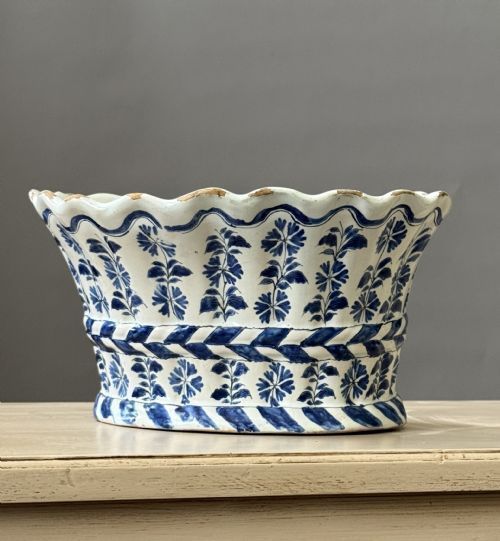
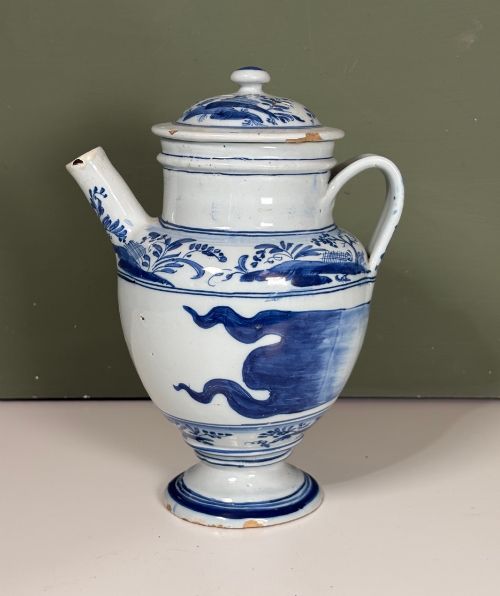
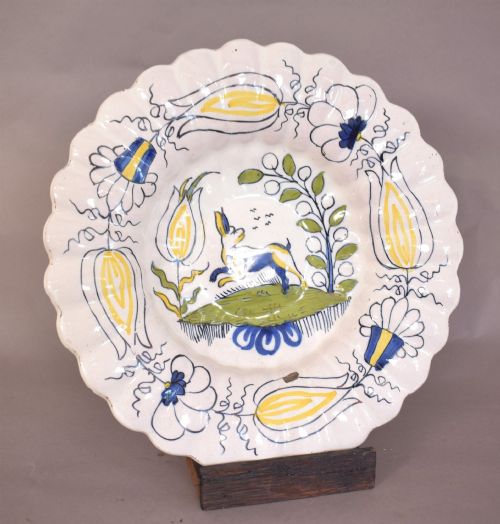
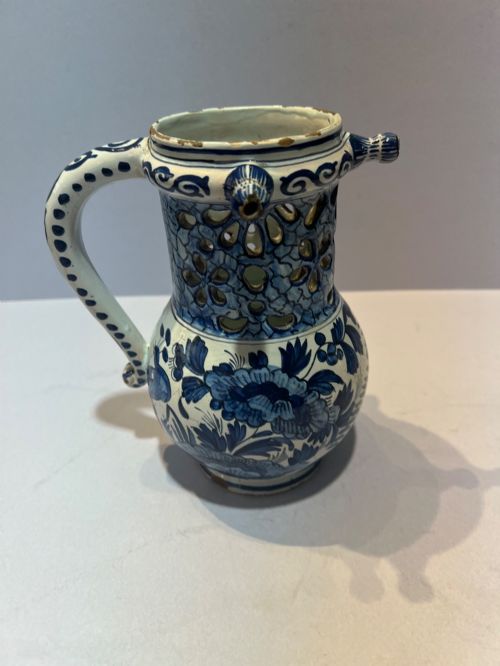
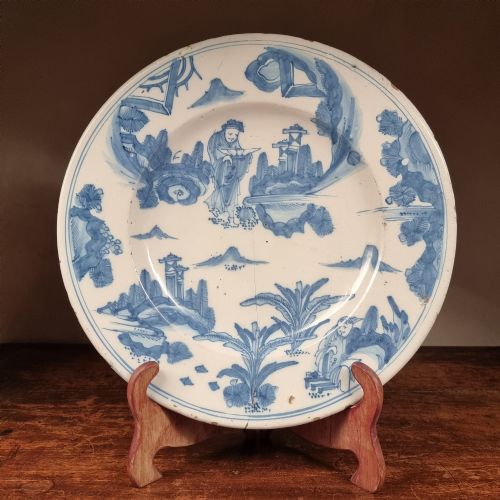
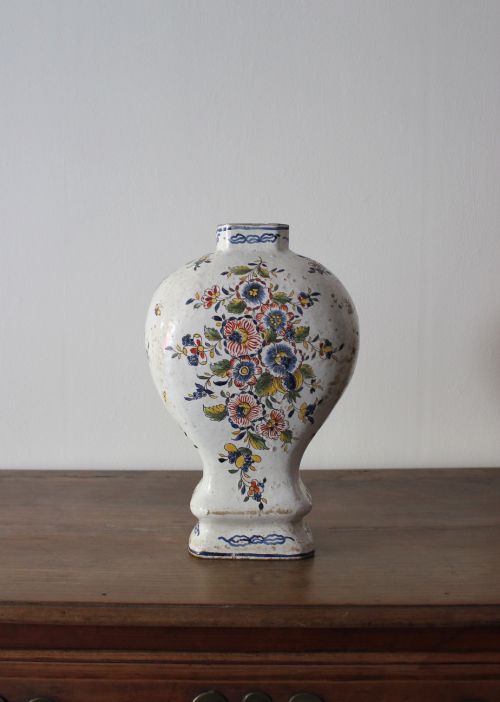
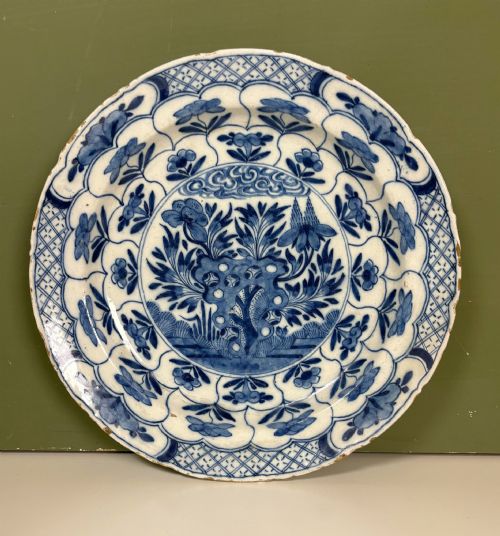
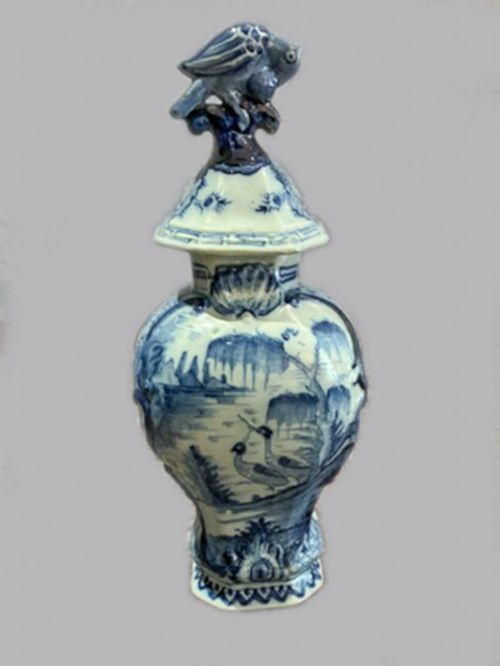
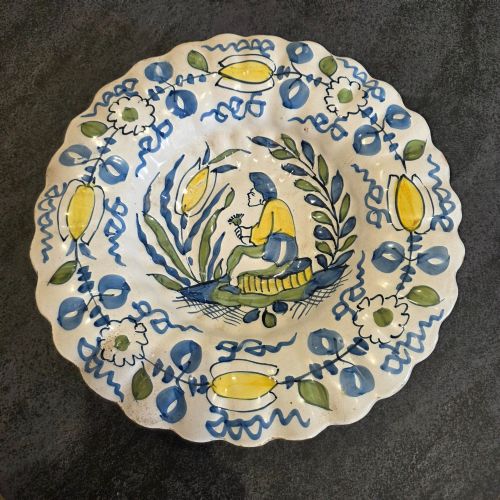
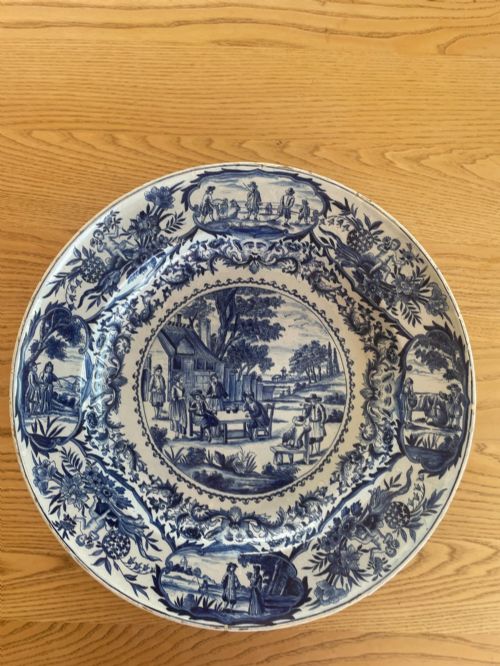
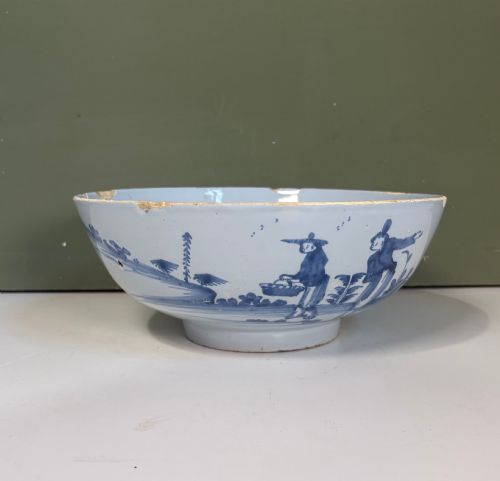
Dutch delftware pottery encompasses a broad variety of tin-glazed earthenware items originating primarily from the seventeenth and eighteenth centuries, alongside nineteenth-century iterations. Buyers searching this phrase commonly encounter decorative plates, chargers, vases, and lidded jars featuring blue and white or polychrome decoration. The selection includes functional and display forms such as puzzle jugs, apothecary jars, bough pots, and barber's bowls.
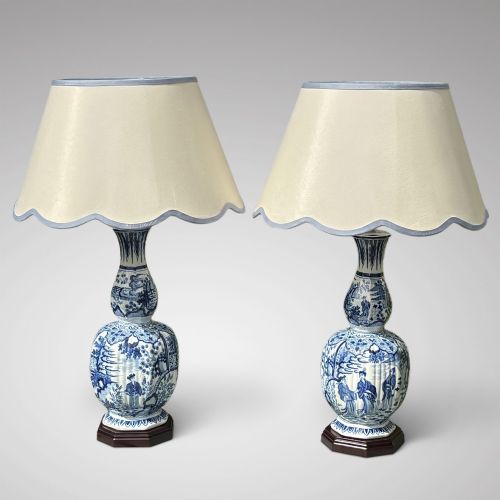
The objects span multiple distinct aesthetic periods, notably Dutch Baroque and eighteenth-century styles. Pieces range from large wall chargers measuring over thirty centimetres to small tiles painted with animal motifs like swans. Later nineteenth-century examples often adapt these traditional forms into table lamps and inkstands while retaining the classic earthenware body.
Materials and Techniques
Makers formed these items using earthenware pottery coated in a tin glaze to create an opaque white surface. This absorbent glaze provided an ideal ground for hand-painted decoration applied directly before firing.
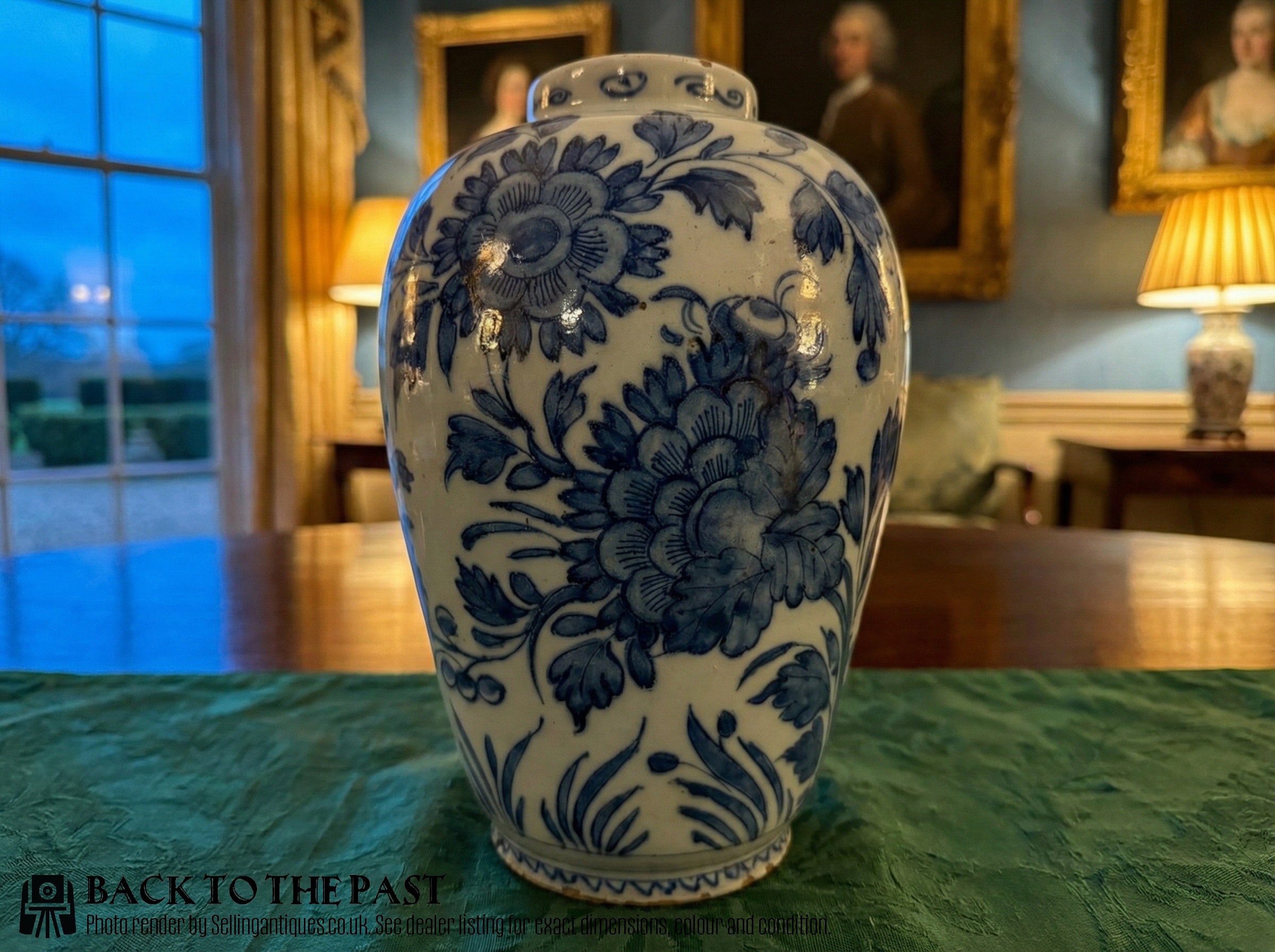
Decoration relied heavily on cobalt pigment and cobalt oxide to achieve the characteristic deep blue designs. Polychrome examples introduced multi-coloured palettes, while specific vessels incorporated pewter mounts and brass components.
Dutch Delftware Pottery Retail Price Guide 2026
Typical asking prices for dutch delftware pottery among the pieces listed under this phrase on Sellingantiques today, from the lower quarter to the upper quarter. They describe what is for sale here now, not the wider market.
Listings feature items spanning the seventeenth, eighteenth, and nineteenth centuries, executed in tin-glazed earthenware with cobalt pigment and brass.
Quality and Execution
Quality rests upon the precision and fluidity of the hand-painted brushwork applied across the tin glaze. Superior items display crisp, detailed floral or figurative motifs that demonstrate exceptional control over the cobalt pigment.
The baseline condition of the ceramic body and the integrity of the tin glaze dictate overall desirability. Pieces retaining original lids, uncompromised forms, and balanced polychrome or blue and white distribution stand apart from heavily restored or altered examples.
The Dutch Delftware Pottery Glossary
- Tin-Glazed Earthenware
- Pottery fired with a lead glaze made opaque by the addition of tin oxide. This technique forms the fundamental white surface characteristic of all delftware.
- Charger
- A large decorative plate designed primarily for display on a wall or dresser rather than for dining use. These items frequently feature prominent painted scenes.
- Polychrome
- Decoration employing multiple colours rather than a single hue. In this context, it usually distinguishes multi-coloured wares from standard blue and white pieces.
- Bough Pot
- A specialised vessel created to hold cut branches or flowers for interior decoration. They often include perforated lids to arrange stems.
- Puzzle Jug
- A type of drinking vessel featuring a pierced neck and deceptive spouts that challenge the user to drink without spilling. These interactive items demonstrate the playful side of historical ceramic design.
- Apothecary Jar
- A cylindrical or bulbous container utilised by chemists to store medicinal herbs, ointments, or dry drugs. They typically bear painted labels denoting their original contents.
Dutch Delftware Pottery: Frequently Asked Questions
How do I date a piece of delftware?
Dating relies on examining the ceramic body, the formulation of the tin glaze, and the stylistic attributes of the painted decoration. Seventeenth-century examples often display heavier potting and distinct baroque motifs, whereas eighteenth-century items tend to show finer execution and varied forms like posset pots.
Changes in palette also assist with chronology, as cobalt blue dominates early periods while later eighteenth-century pieces frequently introduce polychrome enamels. Comparing the piece to documented archives and known historical styles provides further chronological context.
Were these items meant for daily use?
Many forms served specific practical functions in historical households, such as apothecary jars for storing medicines, barber's bowls for shaving, and jugs for serving liquids. Everyday handling was common for items like plates and bowls, though larger chargers were primarily ornamental.
Specialised vessels like puzzle jugs and posset pots fulfilled roles during social gatherings and feasts. Over time, surviving utilitarian wares transitioned into decorative display objects.
What is the difference between blue and white and polychrome delft?
Blue and white delft utilises cobalt oxide painted onto the white tin glaze to create monochrome designs inspired by imported Chinese porcelain. This style remained the predominant aesthetic throughout the production period.
Polychrome delft incorporates additional mineral pigments to introduce greens, yellows, reds, and manganese into the painted scheme. These multi-coloured variations often appear on eighteenth-century plates and chargers.
How should I display delftware chargers?
Large chargers were originally intended to be hung on walls or displayed on dressers using plate rails to showcase their painted centres. When mounting them today, use specialised wall hangers designed to distribute weight safely across the rim without causing stress to the earthenware.
Keep display locations away from direct sunlight and areas subject to sudden temperature fluctuations. Proper placement ensures the tin glaze and painted pigments remain stable over time.