

Decorative Serving Platter
A decorative serving platter brings functional weight and colour to a table, spanning centuries of porcelain, papier-mâché and metalwork.
Decorative Serving Platter
When searching for a decorative serving platter, buyers encounter a broad selection of trays, chargers, and dishes spanning the Georgian, Victorian, and Edwardian periods.
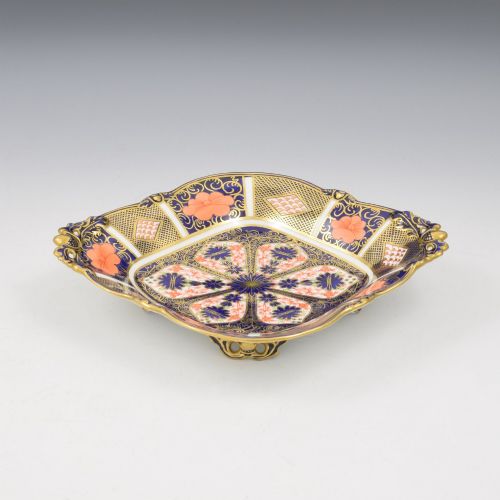
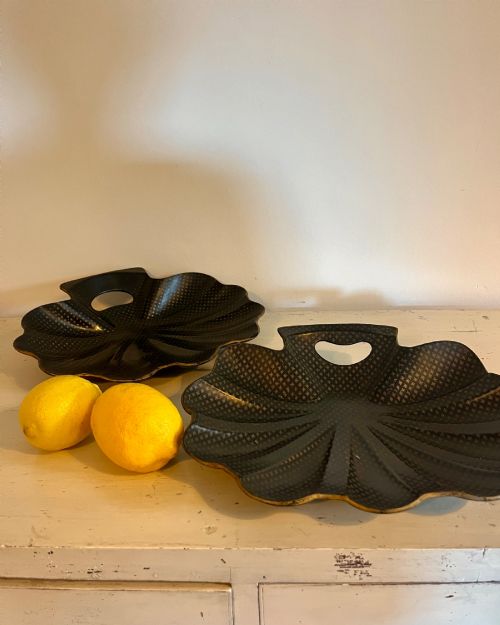
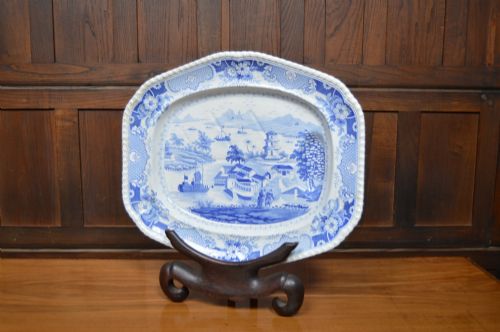
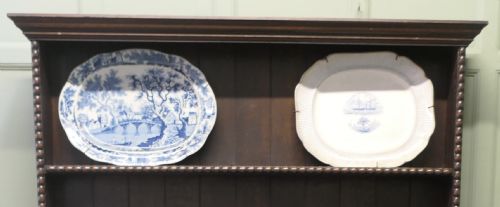
The objects take many forms, from transferware earthenware platters and Japanese Imari porcelain charger plates to papier-mâché and lacquered wooden trays.
Examples originate from English potteries, continental makers, and workshops in Kashmir, China, and Japan, reflecting diverse global utility and display traditions.
Materials and construction
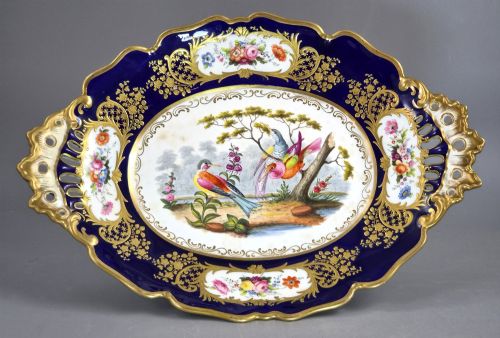
Pottery and porcelain pieces utilise earthenware or felspar bodies decorated with cobalt blue transfer printing, hand-painted enamels, and gilding.
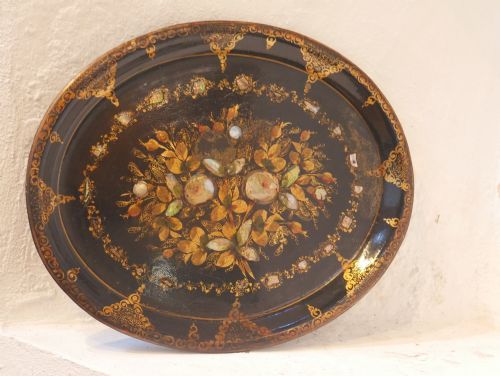
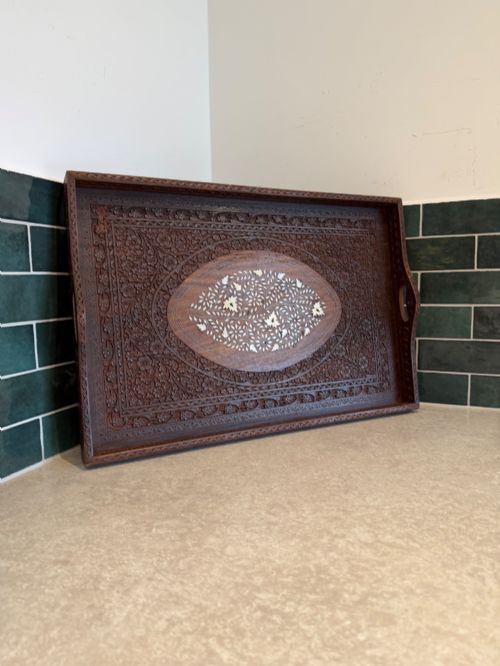
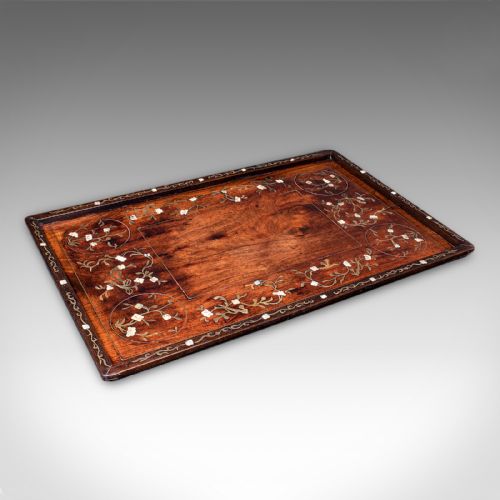
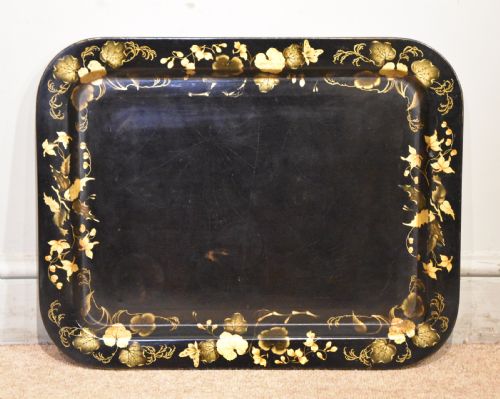
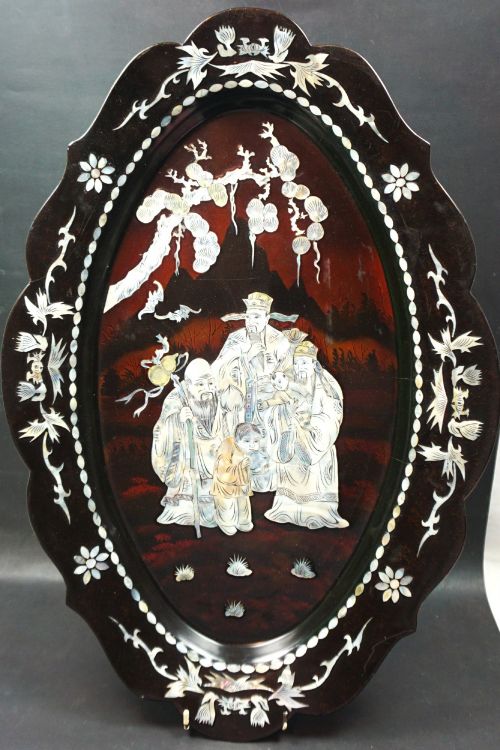
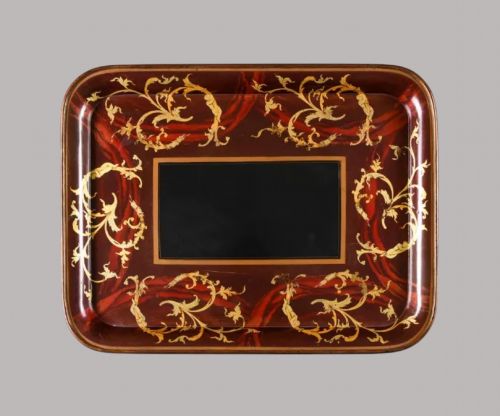
Papier-mâché and wooden trays employ layered composition or timber bases finished with japanning, lacquer, and mother-of-pearl inlay.
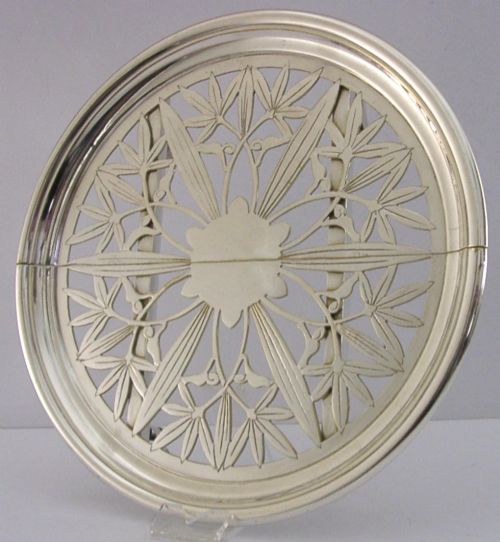
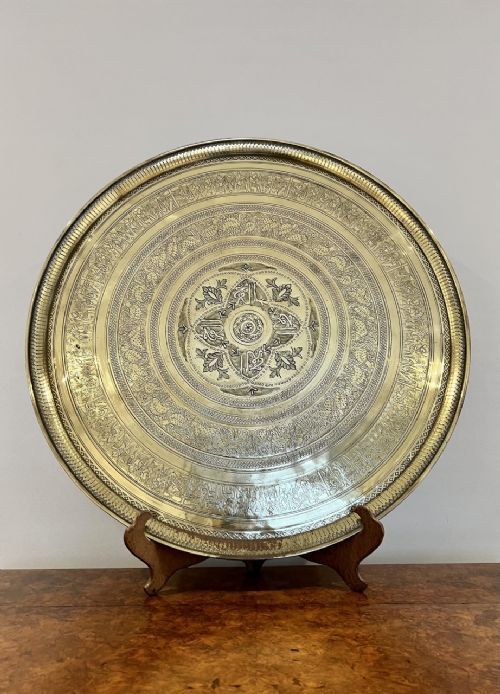
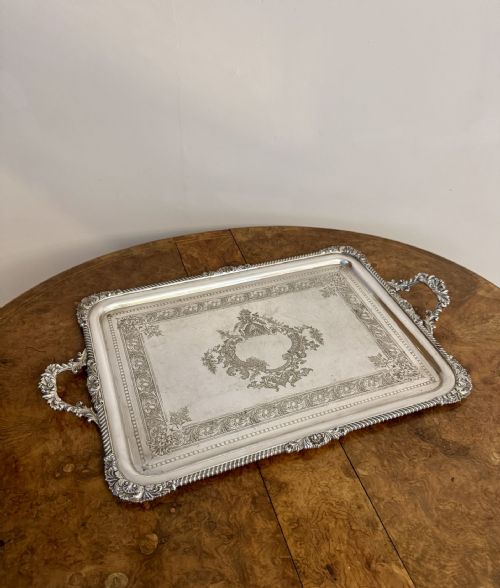
Metalwork items incorporate copper, brass, and silver plating shaped through repoussé work, engraving, and cloisonné enamel application.
Several trays record dramatic narratives, including a Victorian depiction of Esther accusing Haman and a commemorative dish dedicated to Dr Livingstone.
Judging quality
Quality rests in the crispness of hand-painted detail, whether in the precision of Japanese cloisonné enamel or the brushwork on porcelain floral and bird designs.
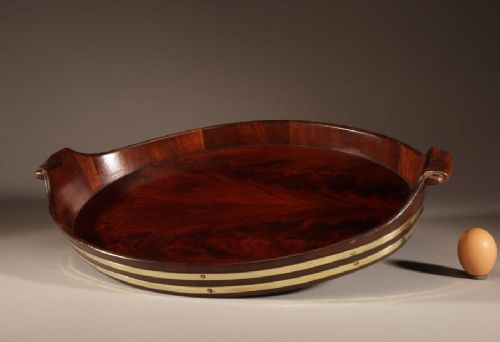
The integrity of the underlying material dictates longevity, visible in the weight of copper, the soundness of coopered mahogany joints, and the stability of papier-mâché bases.
Originality of surface decoration elevates an object, distinguishing pieces that retain their untouched gilding, japanning, and transfer designs from later alterations.
Royal Crown Derby·Coalport·Christofle·Royal Doulton·Spode·Chamberlain’s Worcester·Müller Volkstedt
The Decorative Serving Platter Glossary
- Charger
- A large ornamental plate or dish intended for ceremonial use or display rather than passing food. These wide vessels often feature elaborate transfer printing or hand-painted motifs.
- Japanning
- A European imitation of East Asian lacquerwork achieved through the application of heat-treated varnishes. This finish provides a hard, glossy black or coloured surface on papier-mâché and wooden trays.
- Transferware
- Pottery decorated by applying a printed design from a copper plate onto the ceramic body via tissue paper. This technique allowed intricate blue and white patterns to be produced consistently.
- Repoussé
- A metalworking method where the artisan hammers the design from the reverse side to form a raised relief on the front. It appears frequently on copper and brass trays from the Arts and Crafts period.
- Cloisonné
- An enamelling technique utilising thin metal wires soldered to a base to create cells filled with vitreous paste. These compartments form detailed pictorial scenes of birds and fish when fired.
Decorative Serving Platter: Frequently Asked Questions
How were serving platters used historically?
These vessels served meals in dining rooms or functioned as tea trays in drawing rooms during the Georgian and Victorian eras.
Larger chargers and wall plates also adorned sideboards and walls for pure display.
Can I use antique metal trays for food?
Many silver-plated, copper, and brass pieces suit modern presentation if the underlying metal remains stable and clean.
Plated items require gentle washing to protect the historic surface finishes from wear.
How do I care for papier-mâché trays?
Keep these items away from direct sunlight and damp environments to protect the delicate japanned and lacquered surfaces.
Dust them gently with a dry microfibre cloth rather than using liquid cleaning agents.
How do I identify a Victorian ceramic platter?
Look for characteristic nineteenth-century transfer print subjects like historical scenes, flora, and exotic blue and white patterns.
Maker marks and registration stamps stamped into the ceramic body often confirm the exact period.