


Carved Wooden Board
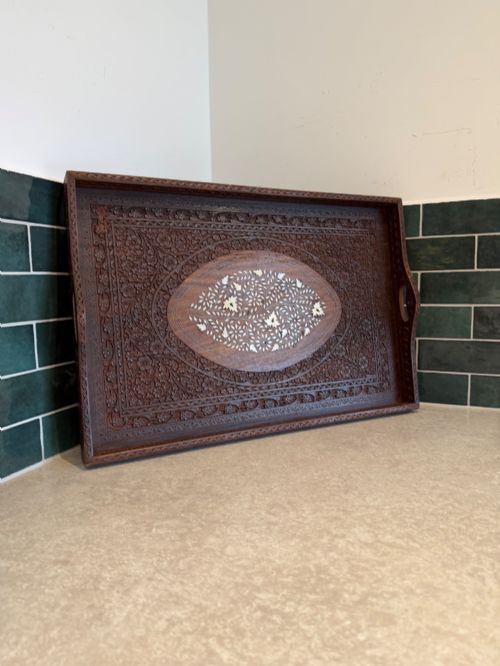
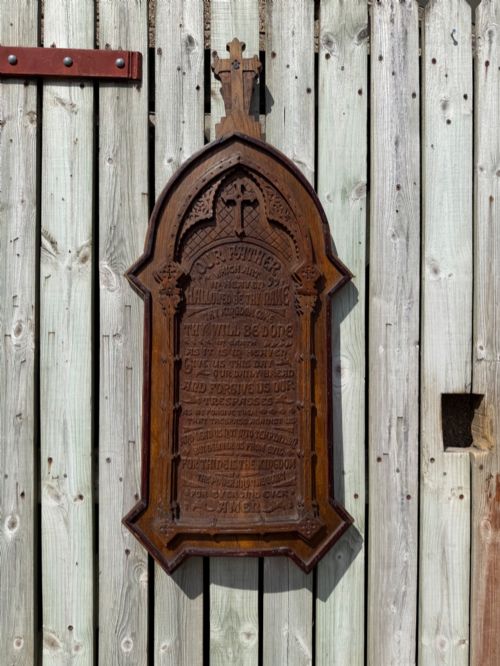
A carved wooden board brings tactile warmth and historic utility into a room, spanning everything from utilitarian kitchen treen to decorative architectural panels.
Carved Wooden Board
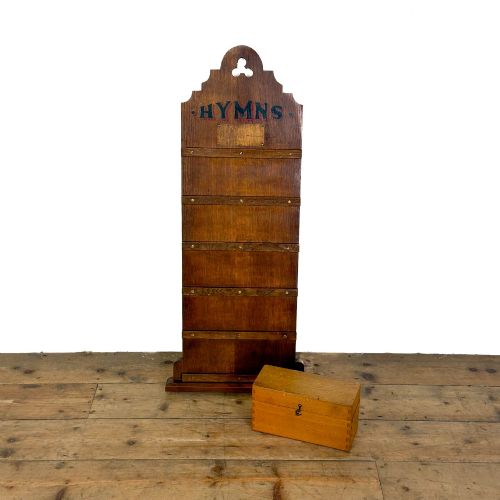
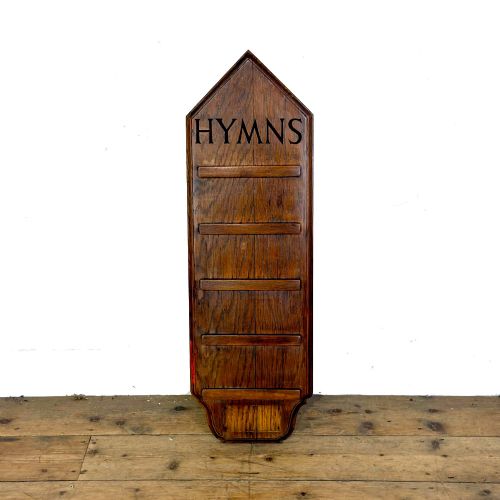
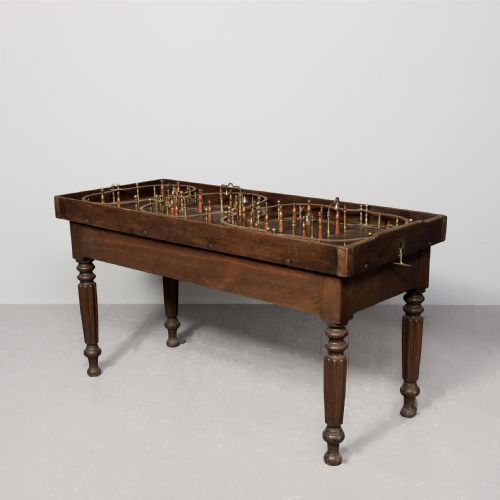
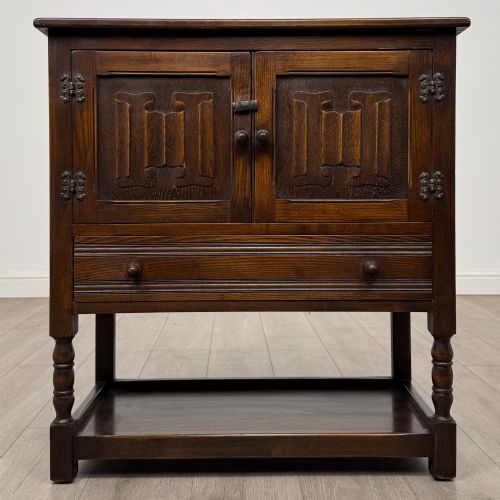
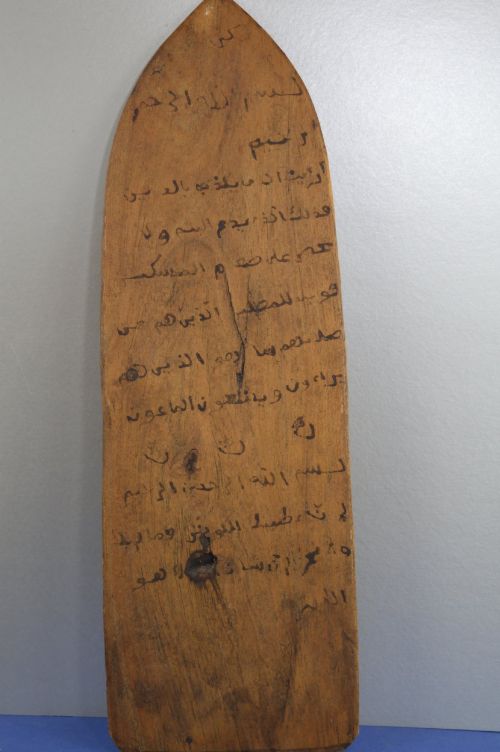
When searching for a carved wooden board, buyers encounter a remarkably diverse array of objects spanning utility, games, and folk art. The selection ranges from domestic kitchen items like cheese and bread boards to functional household pieces such as hymn boards, scoreboards, and linenfold cupboards.
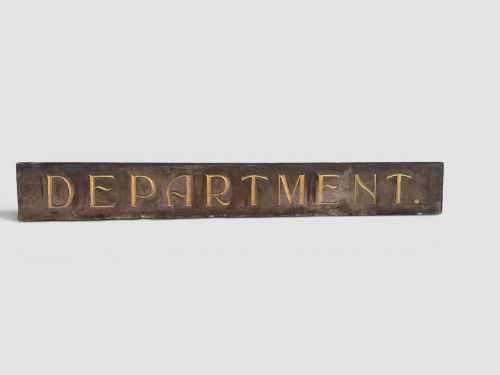
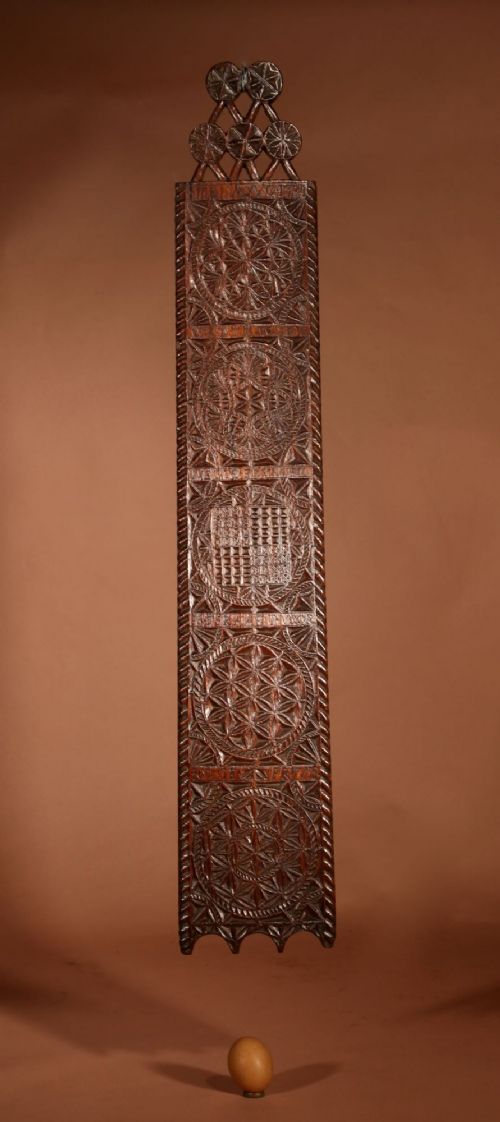
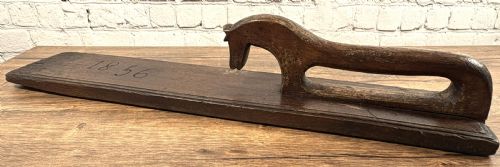
Domestic and utilitarian examples feature prominently, alongside more specialised items like Dutch Frisian and Norwegian mangle boards adorned with initials and dates. Architectural salvage, fairground carousel panels, and trade signs also fall under this broad descriptive heading.
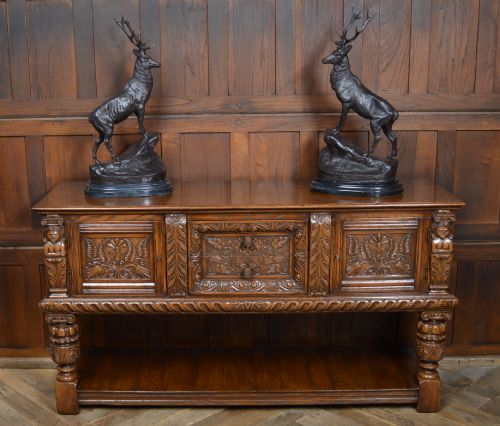
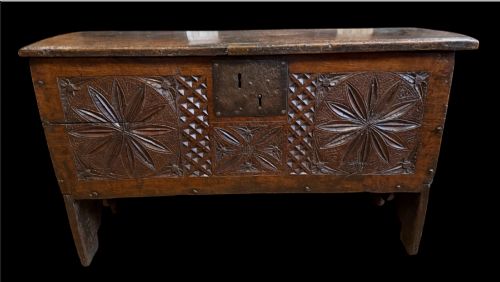
Origins stretch from 16th-century Tudor pieces to Edwardian and 1920s examples, reflecting centuries of craftsmanship across Britain, Europe, and further afield. Oak, mahogany, and walnut dominate the forms, frequently enriched by chip carving, paint, and iron work.
Materials and Construction
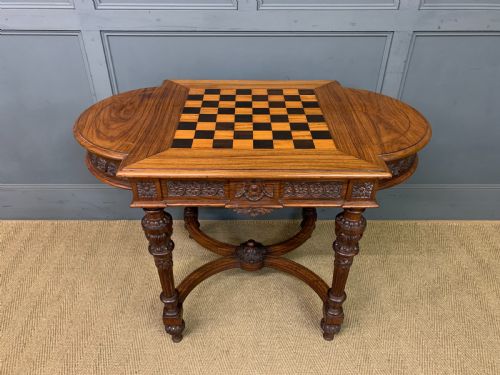
Oak and assorted hardwoods form the structural backbone of these pieces, selected for strength and longevity in functional items like coffers, tables, and boards. Mahogany and walnut appear in later domestic and gaming items, offering a smoother ground for detailed carving and finishing.
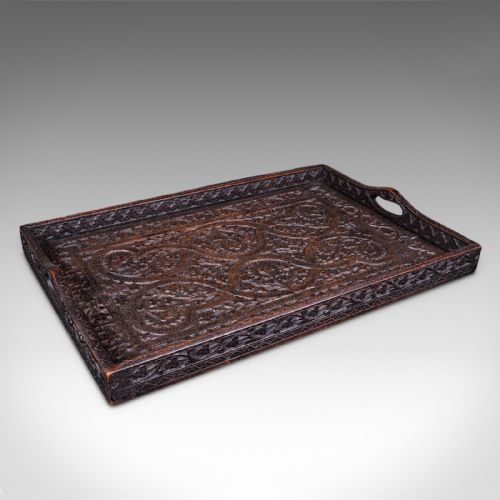
Traditional hand-working techniques define the surface texture, with chip carving, pokerwork, and incised lettering applied directly to the timber. Applied elements of brass, iron, and paint enhance both the utility and visual character of signs, game boards, and architectural panels.
Assessing Craft and Character
The depth and crispness of the hand-carved detail separate standard workshop items from exceptional examples of folk art and cabinetmaking. Crisp chip carving, well-defined lettering, and retained original surface patination elevate pieces like dated mangle boards and early trade signs.
Structural integrity and the survival of original components, such as iron hinges, handles, or painted finishes, determine the overall merit of boards and panels. Age-appropriate wear adds historical context, provided the timber retains its original form and uncompromised joinery.
The Carved Wooden Board Glossary
- Mangle board
- A traditional domestic laundry tool, typically carved from wood with a handle, used alongside a roller to smooth linen. These functional items frequently display elaborate chip carving, dates, and initials.
- Chip carving
- A technique of removing small chips from a wooden surface with knives or chisels to create geometric patterns. This method decorates many early boards and panels.
- Treen
- Small handmade wooden household objects, ranging from lace folders to coin trays and small boxes. These items developed smooth patinas through daily handling.
- Linenfold
- A style of wood carving that imitates folded linen, commonly seen on panels of cupboards and coffers from the Tudor and Edwardian revival periods.
- Pokerwork
- The art of burning designs into wood using a heated tool, creating dark, detailed imagery seen on decorative cabinets and storage units.
Carved Wooden Board: Frequently Asked Questions
How do I date a carved wooden board?
Dating relies on examining the timber species, tool marks left by hand-working, and stylistic clues inherent to the period of origin. Contemporary inscriptions, dates carved into the wood, and traditional construction methods also provide reliable chronological markers.
Secondary materials like iron hinges, brass fittings, or painted surfaces help confirm the era. Comparing the piece against documented examples from specific centuries narrows down the manufacture window.
Were mangle boards used for cooking?
Mangle boards served a domestic purpose in laundry preparation rather than food service. They worked in tandem with a cylindrical rolling pin to press and smooth woven fabrics.
Over time, many of these boards transitioned into decorative wall art due to their intricate folk carvings, dates, and distinctive horse head handles.
How should I care for antique wood?
Maintain antique wooden boards by keeping them away from direct heat sources and sudden temperature fluctuations that cause the timber to split. Apply a microcrystalline wax occasionally to nourish the surface without building up excessive residue.
Avoid using harsh chemical cleaners or excessive water. A soft, dry cloth removes dust while preserving the historic patina accumulated over centuries.
What is the difference between treen and architectural salvage?
Treen encompasses small, functional domestic items handled in daily life, such as lace folders, small trays, and gaming boards. These pieces prioritise portable utility and tactile finish.
Architectural salvage consists of larger structural elements removed from buildings, such as trade signs, fairground panels, and decorative boards originally integrated into a fixed setting.