

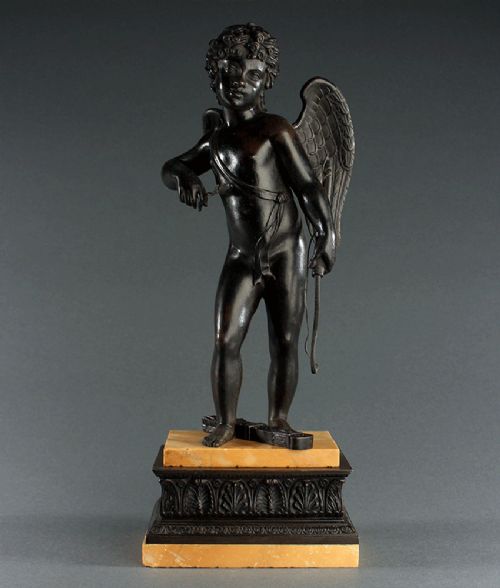
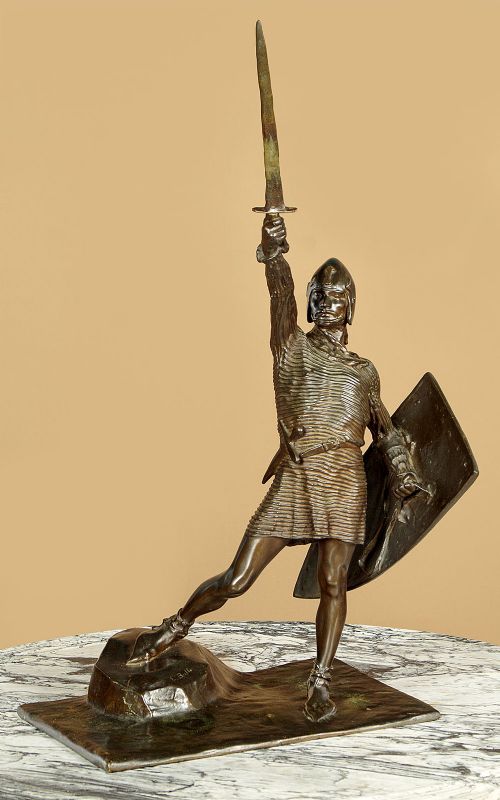

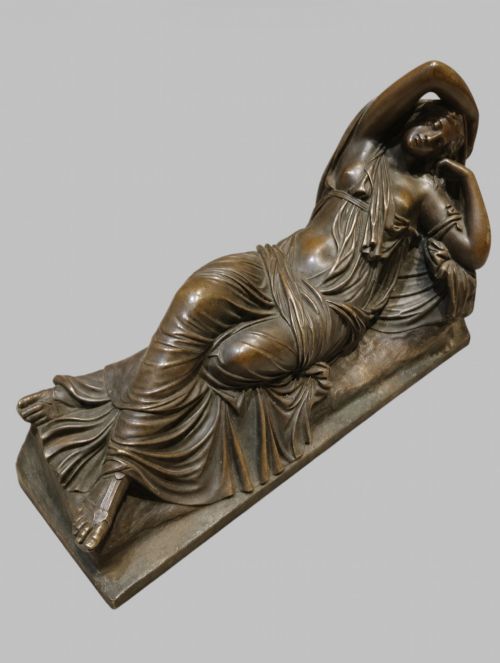
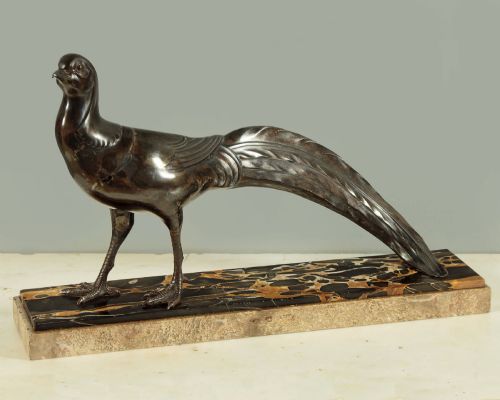
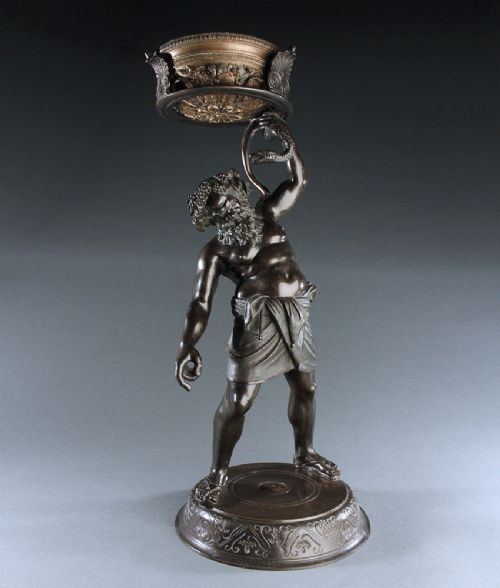

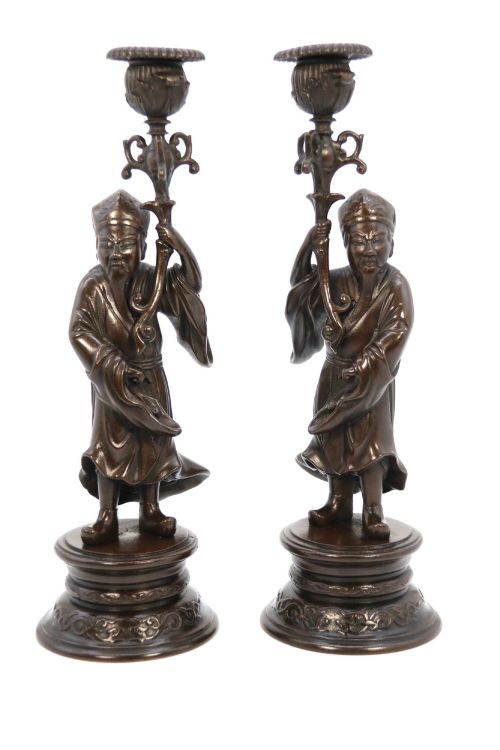
Dark Patinated Bronze Figure
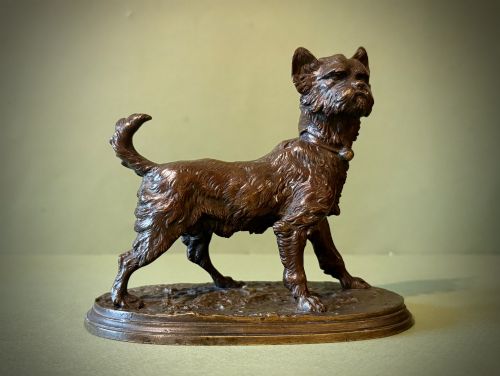
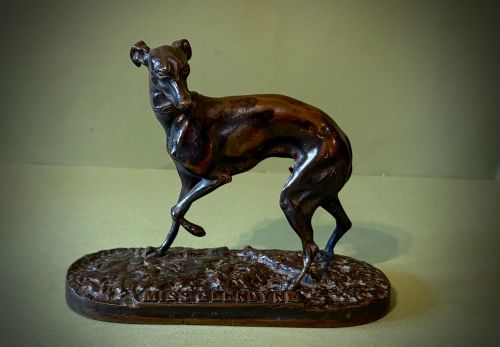
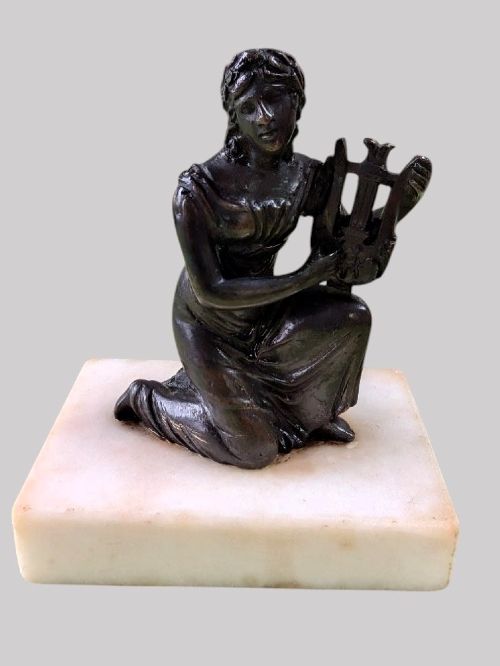
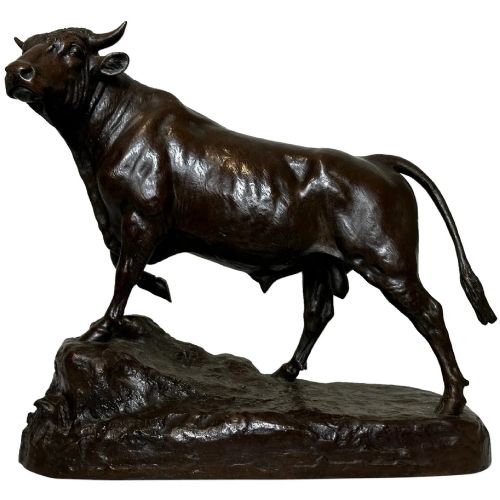
A dark patinated bronze figure brings physical weight and classical presence to a room, cast in metal and chemically treated to create deep, muted tones.
Dark Patinated Bronze Figure
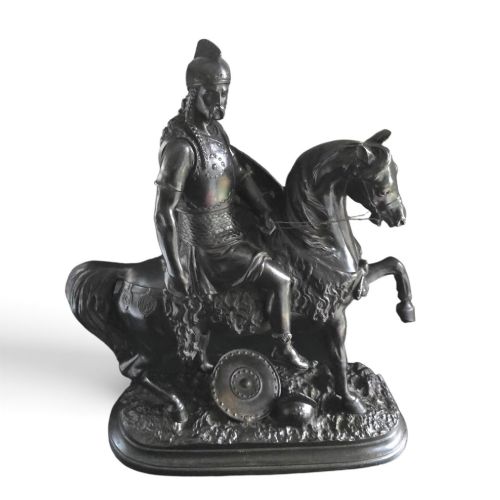
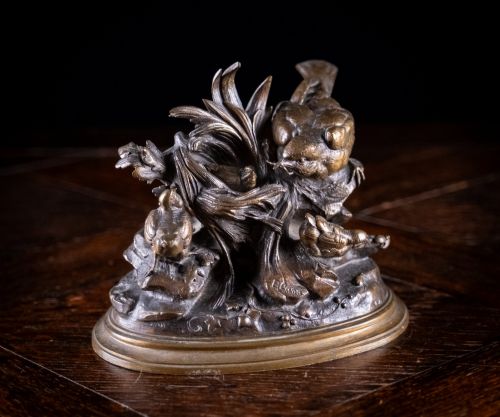
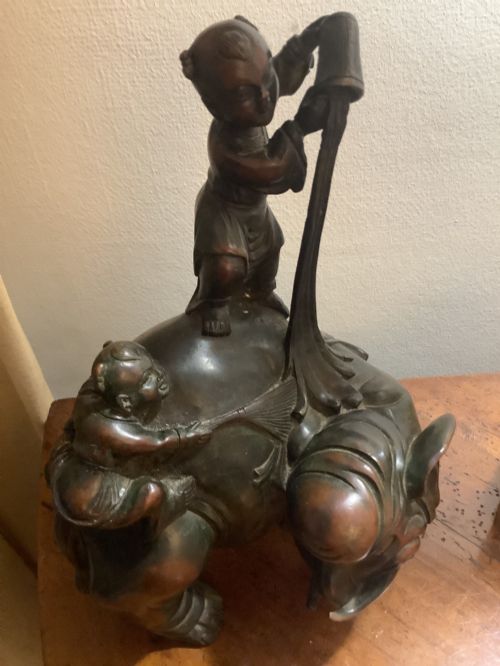
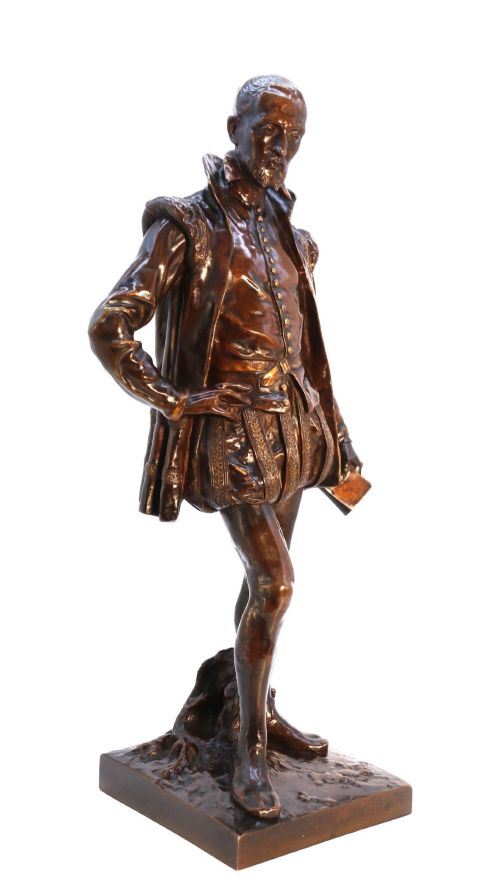
A dark patinated bronze figure is a cast metal sculpture finished with a chemical coating that deepens the surface colour to rich browns, blacks, or verdigris tones. These works range from small Grand Tour souvenirs and Japanese Meiji period okimono to large French animalier studies and neoclassical deities.
The selections span the nineteenth and early twentieth centuries, capturing mythological subjects, wildlife, and human forms. Buyers will encounter both European foundry productions and Asian craft traditions on this page, representing diverse sculptural aesthetics from the period.
Materials and Casting Techniques
Foundries primarily used copper alloy bronze, pouring molten metal into intricate moulds before refining the cooled surface by hand. Artisans then applied chemical treatments using acids and heat to accelerate oxidation, yielding the signature dark patinated surface.
Many figures integrate mixed elements such as marble plinths, black slate bases, or wooden supports to ground the heavier metal sculpture. Detail work was finished with chisels and files to sharpen feathers, drapery, and facial expressions before the final patina sealed the metal.
Dark Patinated Bronze Figure Retail Price Guide 2026
Typical asking prices for dark patinated bronze figure among the pieces listed under this phrase on Sellingantiques today, from the lower quarter to the upper quarter. They describe what is for sale here now, not the wider market.
Listings feature materials such as bronze, marble, wood, metal, gilt bronze, black slate, and brass across nineteenth-century works.
Assessing Sculptural Quality
Quality rests in the crispness of the chase work, where skilled artisans hand-tooled the cast metal to define muscles, fabric folds, and fine textures. Superior pieces retain sharp anatomical precision and subtle gradations in the dark patina rather than a flat, uniform black paint layer.
The integrity of the signature and foundry stamp also influences the standing of a piece, reflecting the reputation of makers like Barbedienne or Mêne. Heavier casting proportions and stable mounting on original marble or slate bases further distinguish finer workshop output.
Ferdinand Barbedienne·P J Mêne·Émile Louis Picault·Antoine Louis Barye·Mathurin Moreau
The Dark Patinated Bronze Figure Glossary
- Patina
- The chemical surface alteration applied to bronze over time or through artificial means. This layer protects the metal and defines the visual tone.
- Animalier
- A nineteenth-century sculptural style focused on realistic depictions of animals in motion or repose. French foundries popularised this dynamic genre.
- Grand Tour
- Souvenir sculptures and artefacts collected by wealthy travellers touring European cultural sites during the eighteenth and nineteenth centuries.
- Okimono
- Japanese decorative tabletop carvings and figures produced extensively during the Meiji period. They display meticulous attention to natural subjects.
- Lost-wax casting
- A traditional method where a wax model is melted out of a mould to create a cavity for molten bronze. This technique allows for high sculptural detail.
Dark Patinated Bronze Figure: Frequently Asked Questions
How do I clean a dark patinated bronze figure?
Dust the sculpture gently with a soft, dry brush to prevent particle buildup. Avoid using water, soap, or chemical polishes, as these will strip the historical patina.
Apply a very light coat of microcrystalline wax occasionally if the metal appears dry. Buff the surface softly with a clean cloth to maintain the protective barrier.
What is the difference between French and Japanese bronzes?
French bronzes from this era often lean towards neoclassical human forms, mythological subjects, and detailed animalier studies by named foundry artists. They frequently incorporate classical architectural bases and signature foundry stamps.
Japanese bronzes of the Meiji period typically focus on nature, folklore, and everyday domestic scenes executed as okimono. These pieces emphasise fine surface textures, such as feathers or fur, rendered with naturalistic asymmetry.
Are these figures solid bronze?
Most sculptural figures of this scale are hollow-cast to conserve metal and reduce weight, utilising the lost-wax method. The interior wall thickness provides sufficient structural integrity while keeping the piece manageable.
Smaller decorative objects and solid castings do occur, particularly among miniature Grand Tour pieces or specific animalier studies. Heavier bases made of marble or slate are often added separately to stabilize the lighter hollow body.
How can I date a nineteenth-century bronze?
Examine the quality of the chasing work, the depth and tone of the chemical patina, and any foundry marks or signatures stamped into the metal. Stylistic clues within the subject matter, such as Art Nouveau curves or neoclassical drapery, provide further chronological context.
Inspect the mounting hardware on the base, as slotted screws and hand-cut nuts often point to nineteenth-century assembly methods. Comparing the casting style to documented works by known makers helps narrow the period of production.