




Cobalt Porcelain Dish
A cobalt porcelain dish brings together deep blue mineral tones and ceramic forms spanning centuries of international kiln traditions.
Cobalt Porcelain Dish
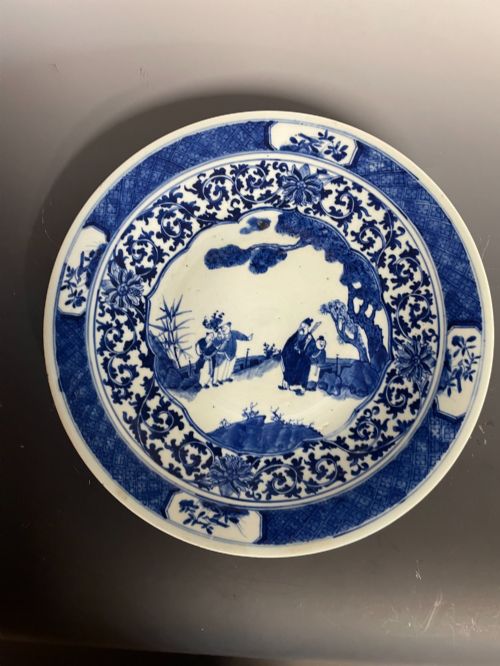
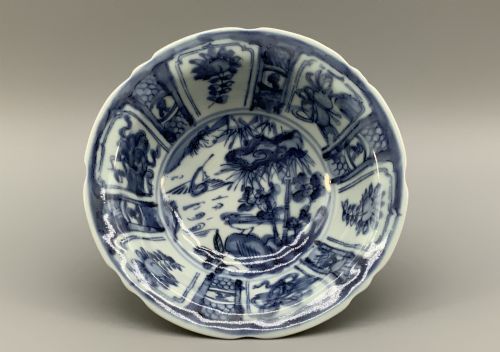
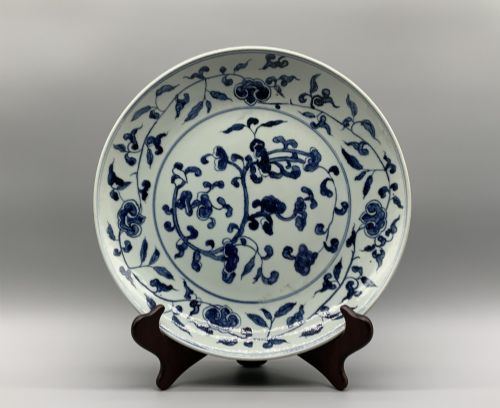
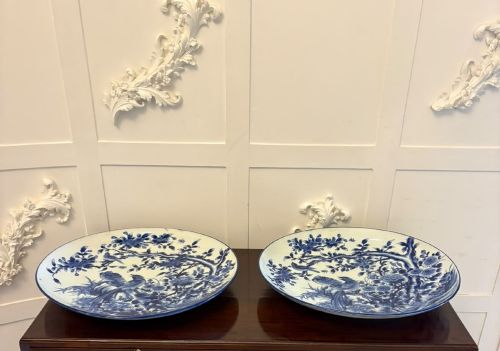
A cobalt porcelain dish encompasses utilitarian vessels and display ceramics finished in striking blue pigment, including cabinet plates, chargers, bowls, and platters. When searching for a cobalt porcelain dish, collectors encounter diverse traditions from Chinese export ware and Japanese Imari to English bone china and European factory productions.
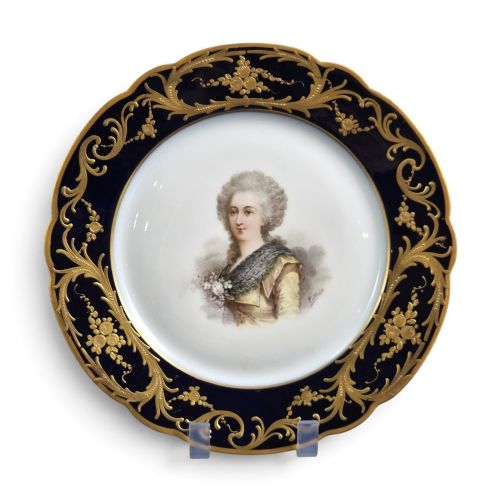
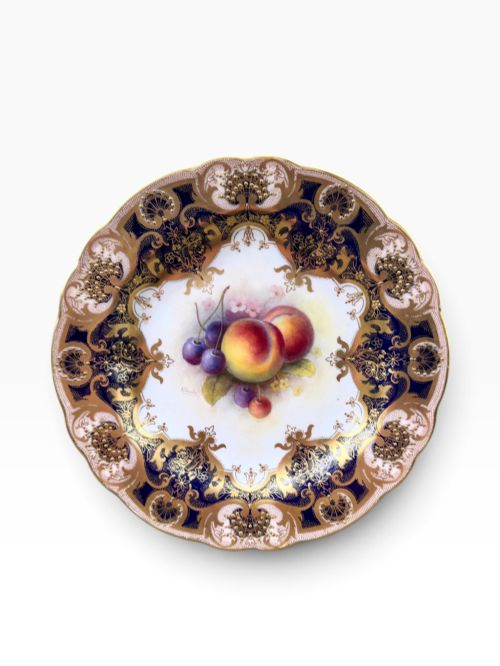
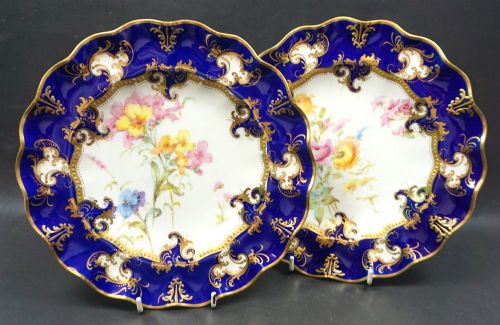
The selections span multiple eras, from 17th-century Kangxi pieces and 18th-century Delft chargers to 19th-century French portrait plates and 20th-century Royal Worcester cabinet plates. Japanese Meiji period Imari chargers and English ironstone dishes also appear frequently among the offerings.
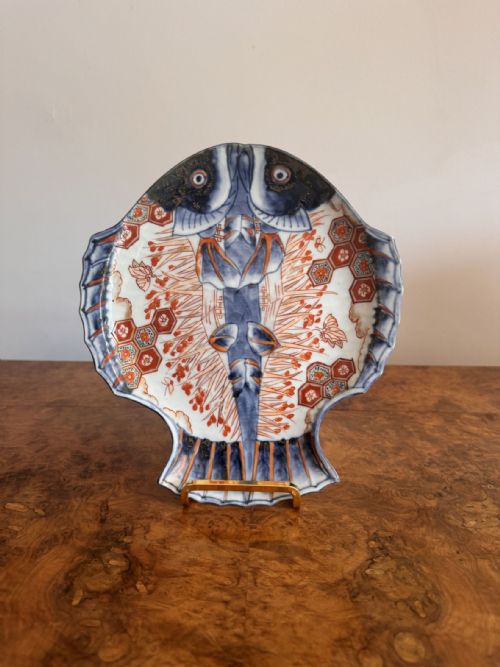
Forms range from simple round plates and scallop-edge bowls to fish-shaped dishes, shell-shaped plates, and lidded cheese containers. These items serve as decorative wall chargers, table centerpieces, and cabinet displays rather than everyday kitchenware.
How they were made
Manufacturers utilised high-fired ceramic body materials such as porcelain, bone china, and ironstone, combined with cobalt underglaze or glaze to achieve the characteristic deep blue decoration. Artisans applied the cobalt pigment either beneath a clear protective glaze or directly onto the surface before firing.
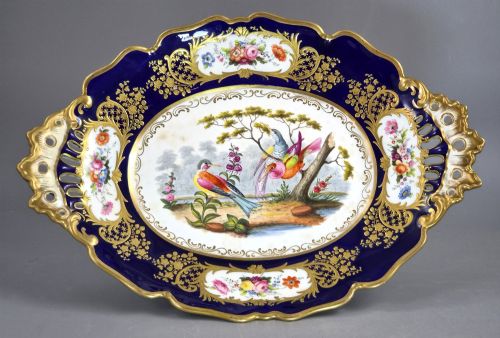
Many examples incorporate supplementary embellishments including enamel colours, gold leaf, and surface gilding to accent the cobalt designs. Hand-painted details appear across numerous English, French, and Asian pieces, reflecting specialised studio techniques and kiln mastery.
Cobalt Porcelain Dish Retail Price Guide 2026
Typical asking prices for cobalt porcelain dish among the pieces listed under this phrase on Sellingantiques today, from the lower quarter to the upper quarter. They describe what is for sale here now, not the wider market.
Several plates shaped entirely like fish and sea-shells demonstrate how potters loved turning flat dining surfaces into marine sculptures.
What varies in quality
The refinement of the cobalt pigment application creates distinct visual tiers, ranging from crisp, deeply saturated brushwork to softer, diffused designs. Precision in porcelain throwing, moulding, and the execution of scalloped or lobed edges distinguishes standard wares from exceptional examples.
The integration of secondary decorative elements, such as hand-applied enamel work, gold leaf accents, and signed artist paintings on porcelain surfaces, elevates the distinction of individual cabinet plates and chargers.
Royal Crown Derby·Royal Worcester·John Davenport of Longport·Hicks and Meigh·Coalport
The Cobalt Porcelain Dish Glossary
- Cobalt Underglaze
- Pigment applied to the ceramic body before the application of a clear glaze and subsequent high-temperature firing. This technique protects the blue coloration beneath a glassy shield.
- Imari
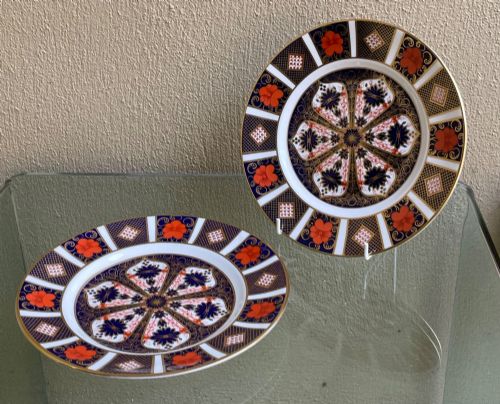
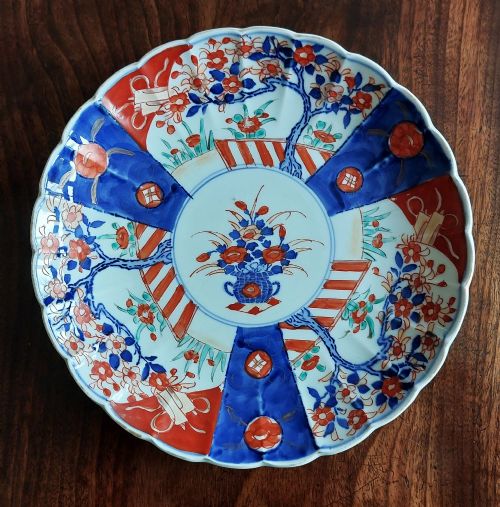
- A Japanese export style originating in Arita, characterised by a palette of cobalt blue, iron red, and gold. European factories frequently imitated these dynamic patterns on their own porcelain and ironstone.
- Charger
- A large decorative plate or platter intended for display on a sideboard or wall rather than for serving food at the table. These substantial vessels often showcase the most intricate cobalt painting.
- Cabinet Plate
- A decorative ceramic plate produced primarily for display within a glass-fronted cabinet or on a stand. These pieces often feature detailed hand-painted scenes or signed artwork.
- Bone China
- A type of soft-paste porcelain incorporating animal bone ash, developed in England to create a durable, translucent body. It provides a smooth white ground for cobalt and enamel decoration.
Cobalt Porcelain Dish: Frequently Asked Questions
How do I date a blue and white porcelain dish?
Dating relies on examining the potting style, foot rim characteristics, and any factory marks or reign periods stamped or painted on the reverse. Stylistic shifts between Kangxi period motifs and later Meiji or 19th-century European revivals provide further chronological clues.
Material composition also assists with dating, as early hard-paste porcelain differs noticeably from later bone china and ironstone bodies. Comparing glaze consistency and cobalt hue helps distinguish eighteenth-century wares from later Victorian reproductions.
Were chargers used for dining or display?
Chargers were primarily designed for ceremonial display on sideboards or walls, though some large platters served grand feasts in earlier centuries. Their substantial size and elaborate cobalt decoration made them status symbols in wealthy households.
Over time, these large dishes transitioned almost exclusively into decorative cabinet and wall pieces. Their sturdy construction allowed them to survive centuries of handling in elite dining rooms.
What is the difference between Imari and blue and white porcelain?
Traditional blue and white porcelain relies exclusively on cobalt oxide beneath a clear glaze to create monochromatic designs. Imari wares incorporate contrasting iron red enamel and gold leaf alongside the cobalt blue.
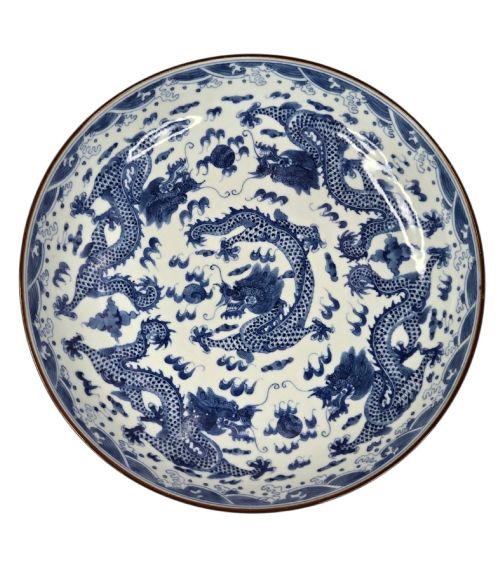
Imari patterns often feature dense floral and brocade motifs derived from Japanese decorative traditions. Blue and white pieces typically emphasise pictorial scenes, dragons, or botanical arrangements without the extra enamel palette.
How should I display a antique porcelain dish safely?
Displaying antique plates requires secure wall hangers with protective rubber tips or stable, weighted plate stands designed for heavy ceramics. Placing them away from direct sunlight prevents fading of any delicate enamel or gold leaf details.
Wall mounting should utilise structural wall anchors rather than standard picture hooks to support the weight of large chargers safely. Keeping them out of high-traffic hallways reduces the risk of accidental knocks.