
Cobalt Blue Urn
Cobalt blue urn pieces range from grand porcelain vessels to earthenware floor stands, bringing rich depth and historical character to interior spaces.
Cobalt Blue Urn
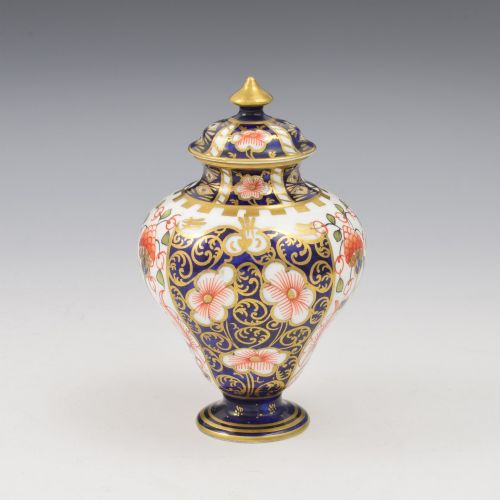
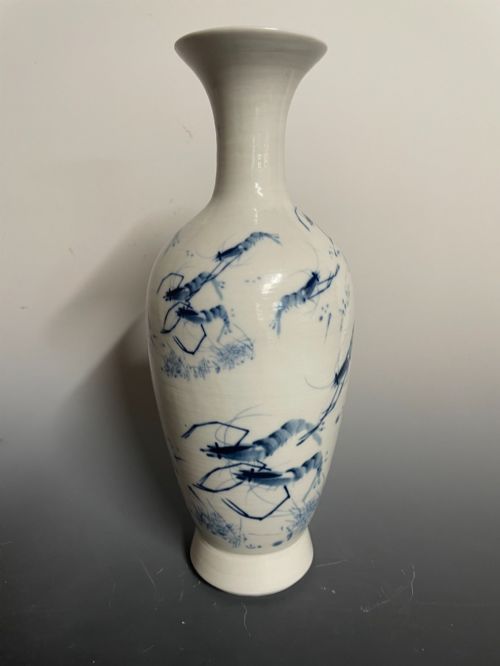
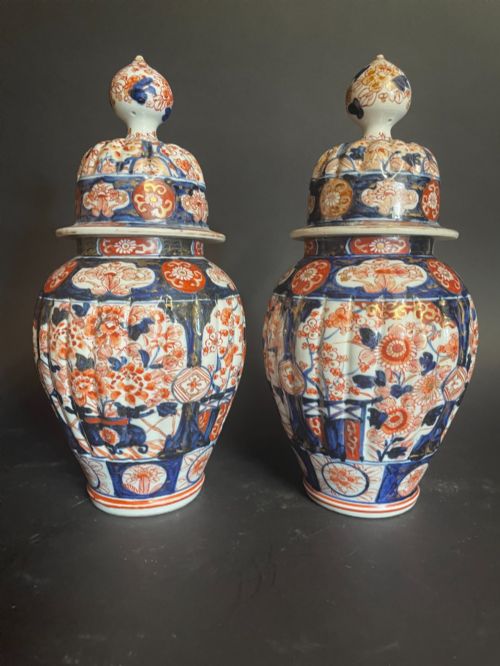
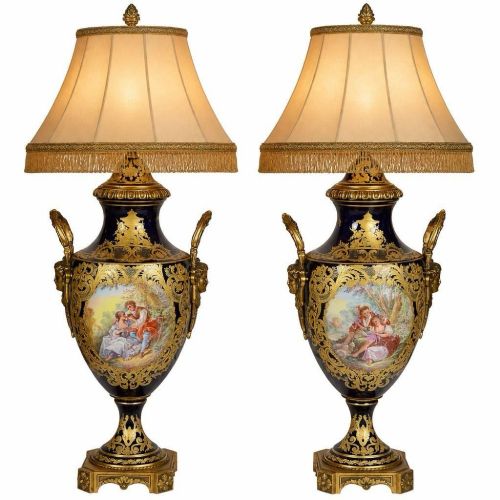
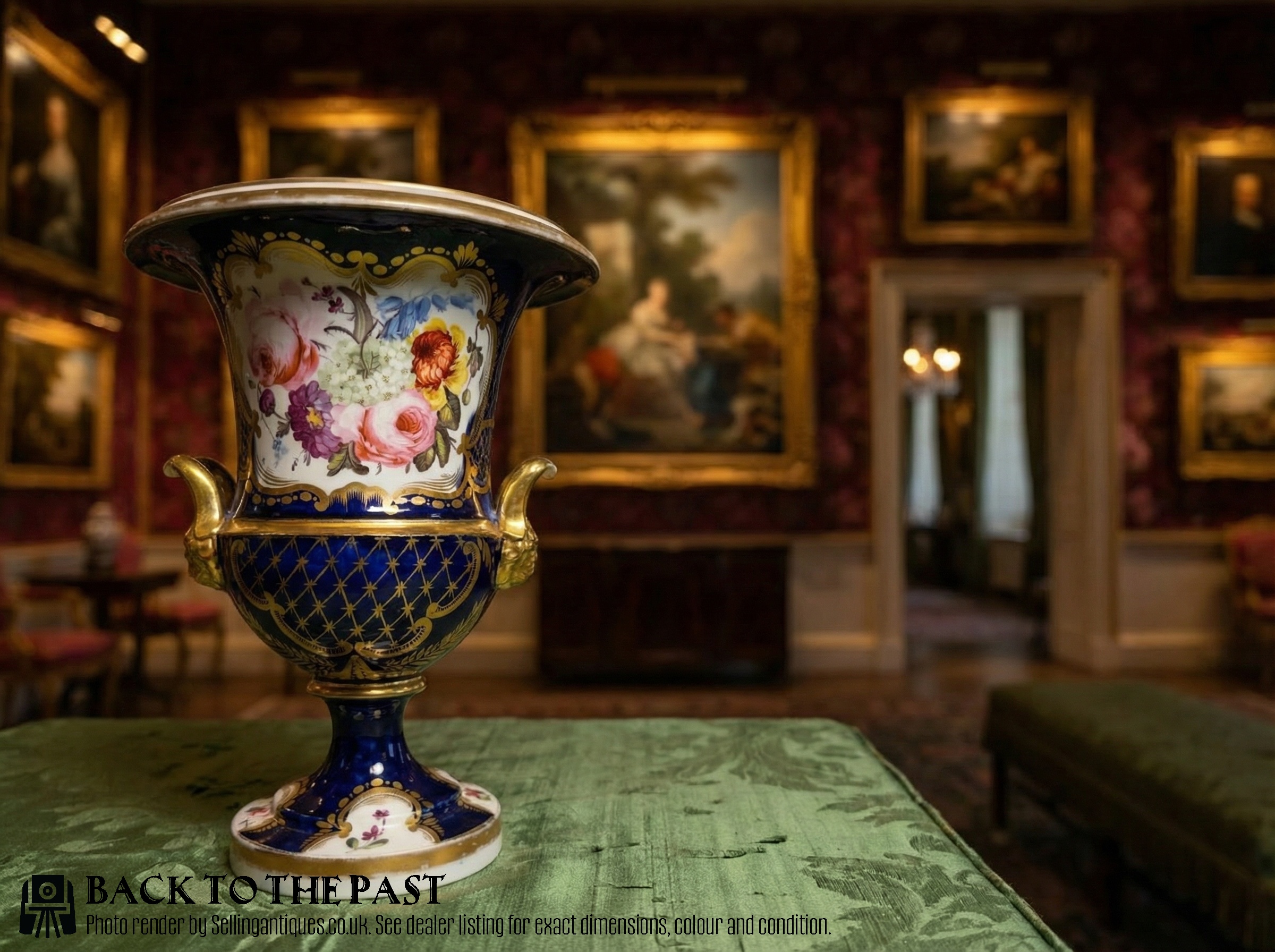
A cobalt blue urn is a decorative vessel produced in forms such as lidded jars, amphorae, campana shapes, and floor vases. These pieces appear across multiple periods, notably the 19th century, Georgian era, and Edwardian times, originating from English, French, and Japanese makers.
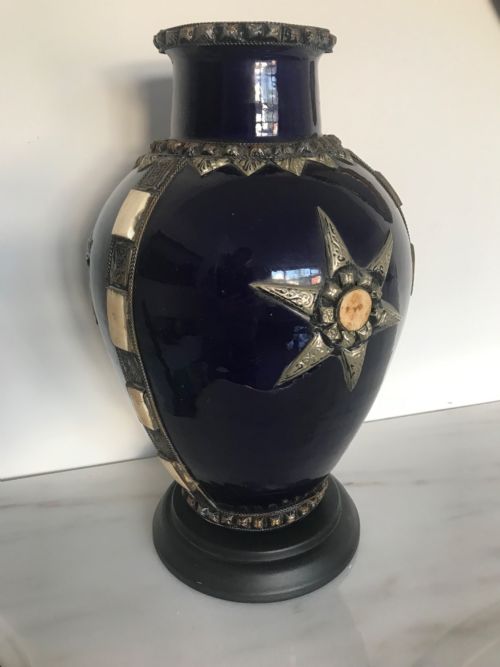
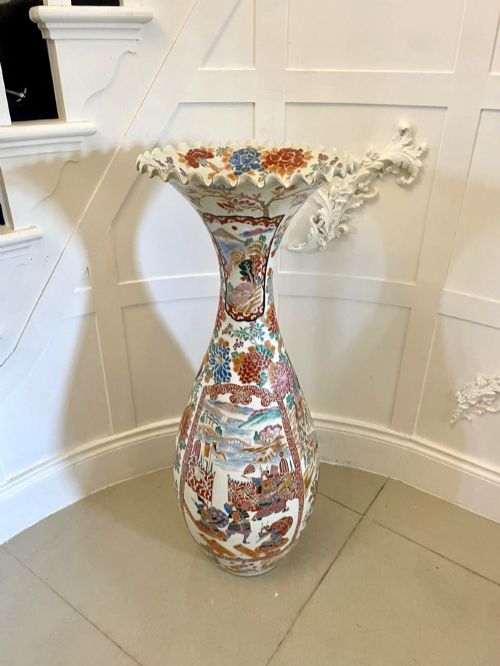
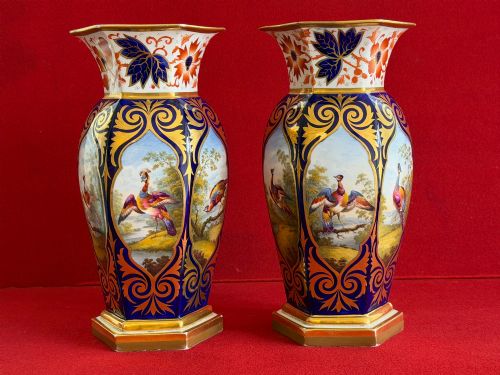
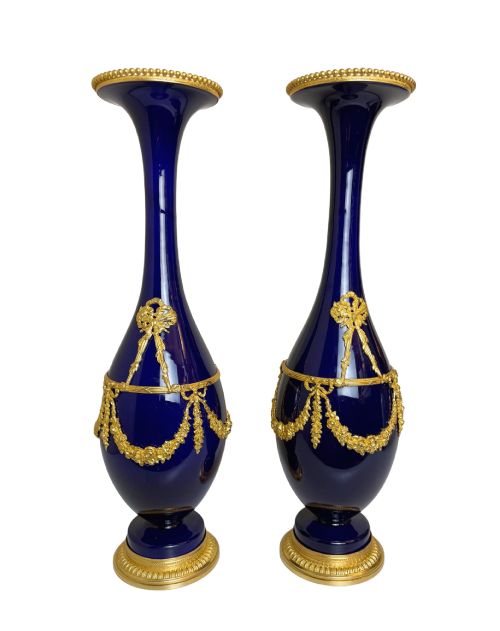
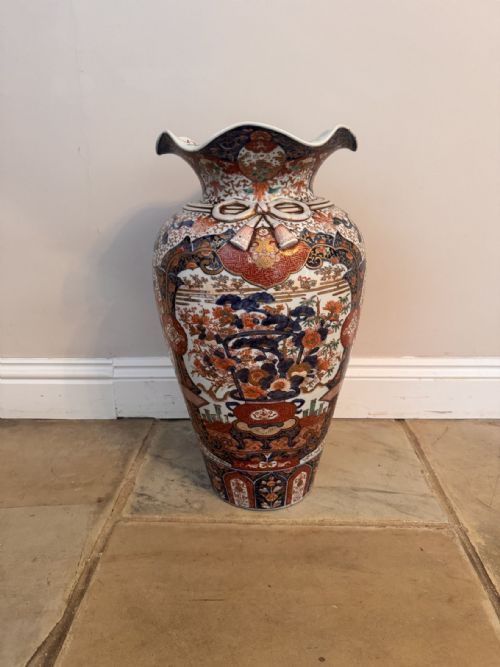
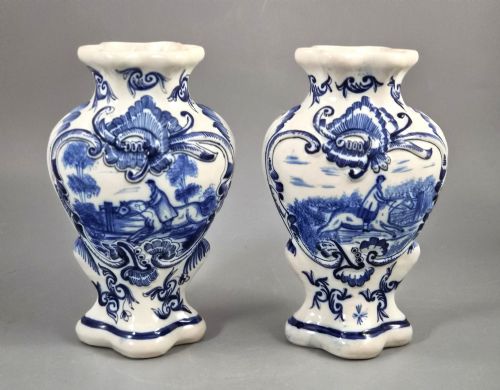
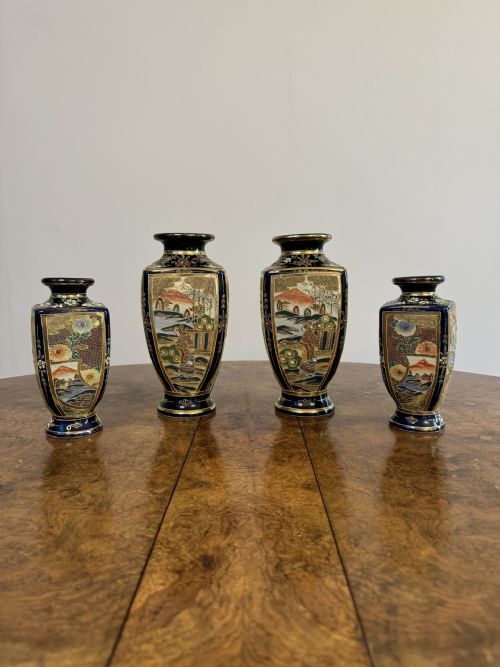
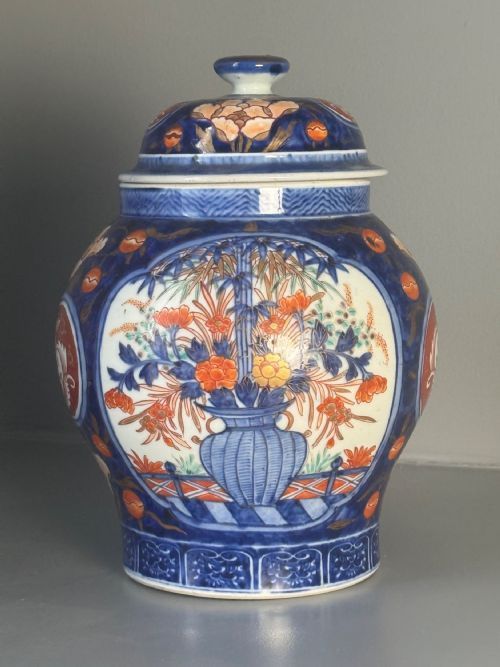
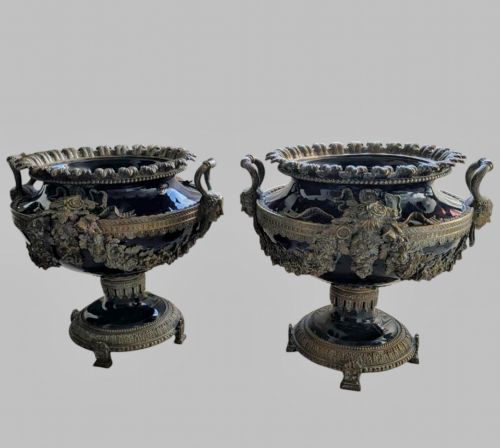
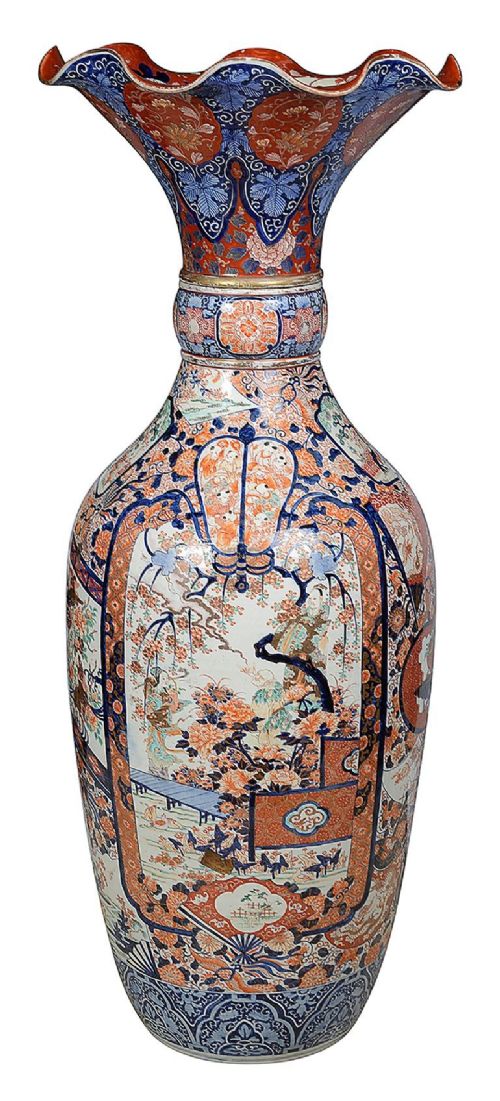
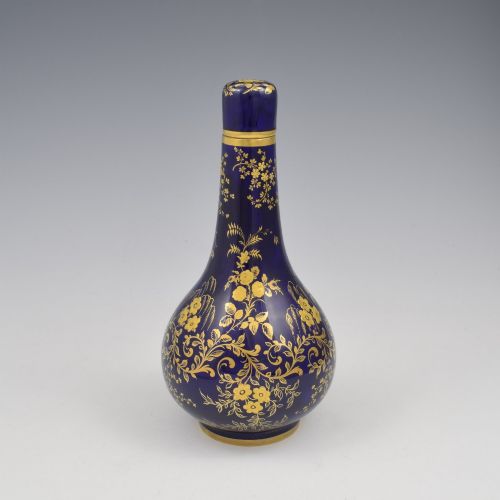
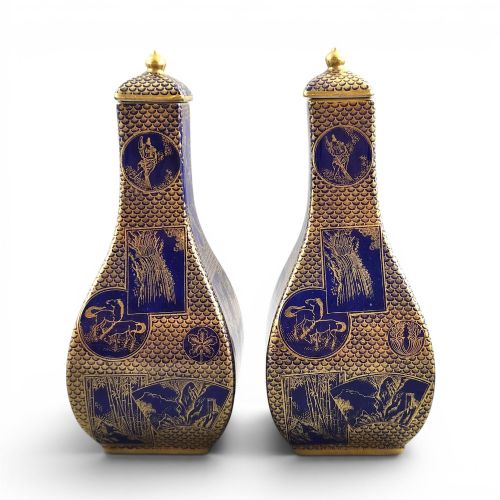
The most common examples on this page are porcelain and ceramic vases or lamps featuring deep blue glazes, often complemented by gilt, ormolu trim, or painted panels. Forms range from miniature cabinet pieces to large floor-standing Japanese Imari items.
Makers utilised various traditional techniques to shape these decorative items, producing matched pairs, garnitures, and single display pieces designed to hold flowers or stand alone as focal points.
Materials and construction
Porcelain, earthenware, and glass form the primary bodies of these vessels, shaped on wheels or cast in moulds before receiving rich blue glazes and enamels. Artisans then applied surface decoration using gold leaf, gilding, and hand-painted scenes.
Many examples incorporate metal mounts, such as ormolu and gilt bronze trim or silver cabochons, which frame the ceramic bodies and secure handles or bases. Firing processes required precise temperature control to achieve the deep, vibrant cobalt ground colours characteristic of these works.
Cobalt Blue Urn Retail Price Guide 2026
Typical asking prices for cobalt blue urn among the pieces listed under this phrase on Sellingantiques today, from the lower quarter to the upper quarter. They describe what is for sale here now, not the wider market.
Listings feature vessels spanning the 18th, 19th, and early 20th centuries, utilising porcelain, earthenware, glass, and ormolu.
Quality variations
Quality in a cobalt blue urn rests upon the crispness of the moulding, the depth and evenness of the glaze, and the precision of the hand-painted or gilt details. Superior examples exhibit finely balanced proportions and meticulously finished metal mounts.
Makers known for exceptional painting and potting standards, such as Worcester, Derby, and Sevres-style ateliers, achieved greater refinement in their porcelain bodies and decorative panels compared to standard commercial wares.
Royal Crown Derby·Flight Barr And Barr·Fourmaintraux Courquin·Chamberlain Worcester·Royal Doulton·Coalport
The Cobalt Blue Urn Glossary
- Ormolu
- Gilded bronze or brass mounts applied to the feet, rims, and handles of ceramic vessels. This decorative metalwork enhances the formal appearance of 19th-century pieces.
- Imari
- A style of Japanese export porcelain featuring underglaze cobalt blue combined with iron red, green, and gold. It gained immense popularity in European interiors.
- Campana
- A classical bell-shaped urn form with a flared rim and pedestal foot. Coalport and other English factories frequently produced this shape.
- Gilding
- The application of gold leaf or gold paint to ceramic surfaces or mounts. It accentuates borders, handles, and painted pictorial scenes.
- Garniture
- A set of three or more matching vases or jars designed to be displayed together on a mantelpiece or sideboard.
Cobalt Blue Urn: Frequently Asked Questions
What is a cobalt blue urn used for?
These vessels served primarily as decorative garnitures, mantelpiece ornaments, or focal points in grand rooms during the 18th and 19th centuries. Some were adapted later into table lamps while retaining their decorative ceramic bodies.
Today, they function as striking interior display pieces, bringing historical colour and classic silhouette to modern living spaces without necessarily holding floral arrangements.
How do I identify the period of a cobalt blue urn?
Dating relies on factory marks stamped or painted on the base, combined with the style of the hand-painted decoration and the presence of specific metal mounts. Georgian and Regency pieces often feature classic campana shapes, while later Victorian and Edwardian items embrace eclectic French revival or Japanese Imari designs.
Examining the paste of the porcelain, the composition of the glaze, and any signatures on painted panels helps narrow down the decade of production.
Are these pieces fragile?
Most items are constructed from glazed ceramic, porcelain, or glass, which require careful handling to avoid chips, cracks, or surface abrasion. Ormolu and metal mounts may also loosen over time if subjected to rough movement.
Placing them on stable, level surfaces away from heavy traffic areas ensures safe daily enjoyment of fragile porcelain and delicate gilding.
How should I clean a cobalt blue urn?
Dusting gently with a soft, dry microfibre cloth removes everyday particle buildup without risking the painted surfaces or metallic leaf. Avoid chemical cleaners, abrasive sponges, or submerging pieces with metallic mounts or painted enamel in water.
For stubborn grime on glazed ceramic areas, a lightly dampened cloth followed immediately by thorough drying preserves the integrity of the glaze and gilding.