
Hand Painted Urn Vase
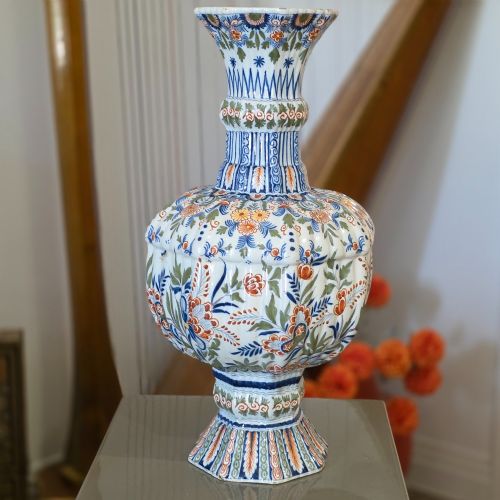
When you search for hand painted urn vase, you enter a world of porcelain, earthenware and ceramic vessels shaped for display and painted by hand across several centuries.
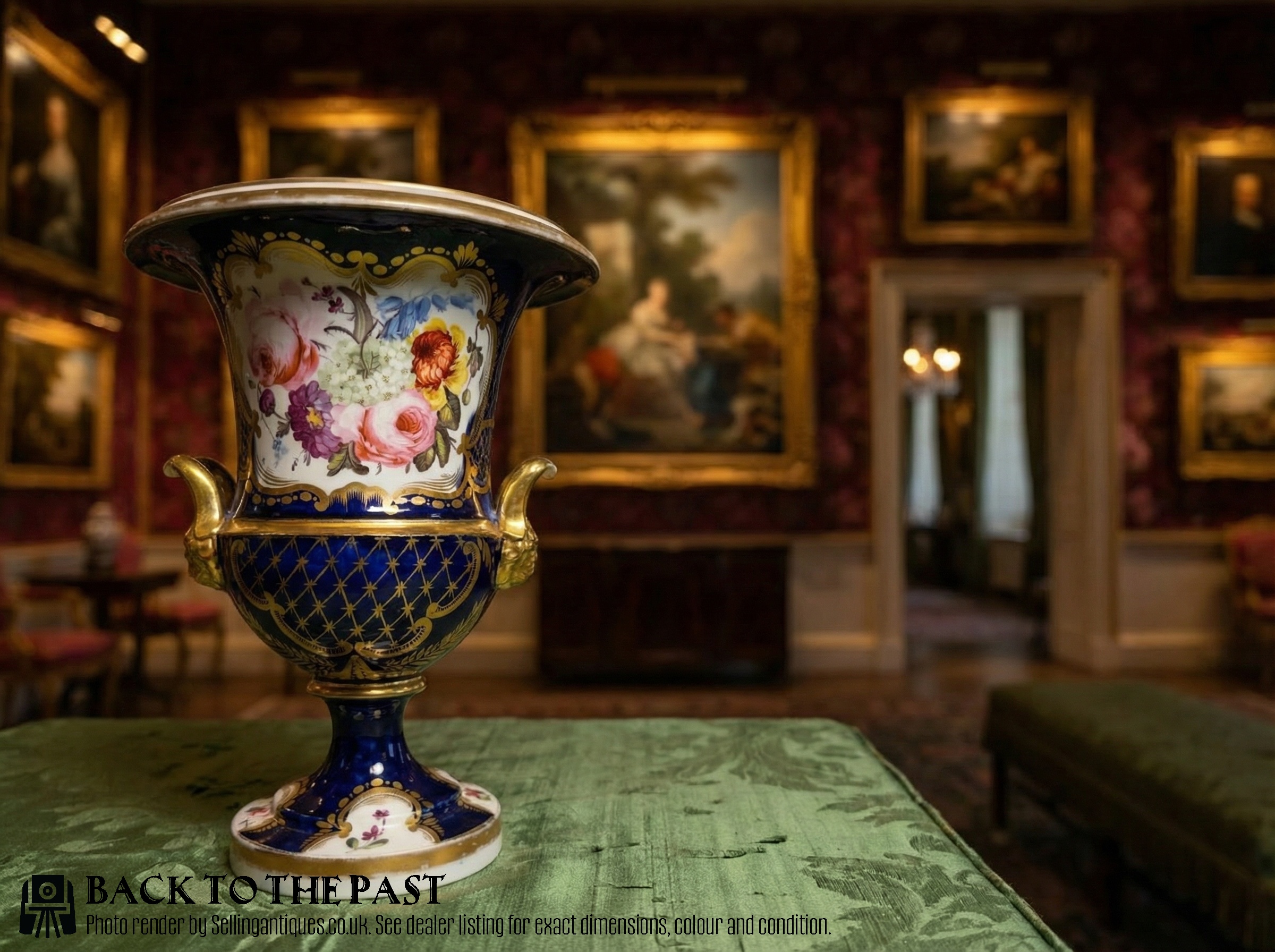
Hand Painted Urn Vase
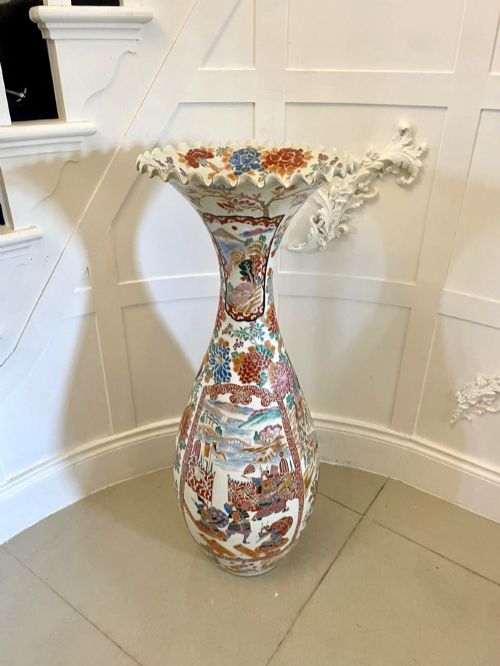
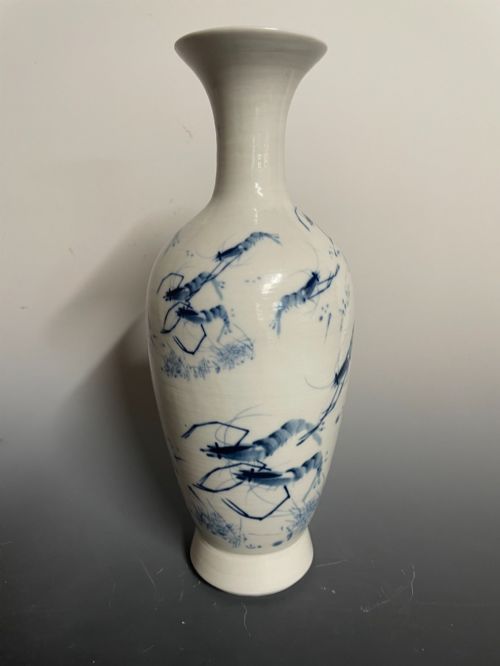
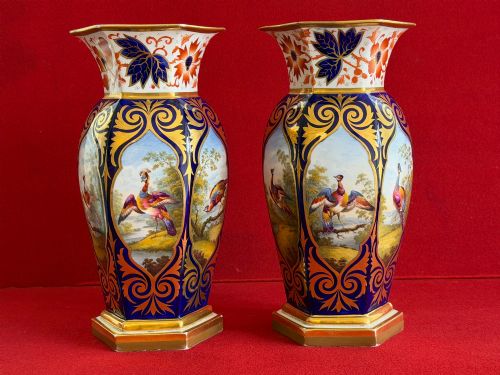
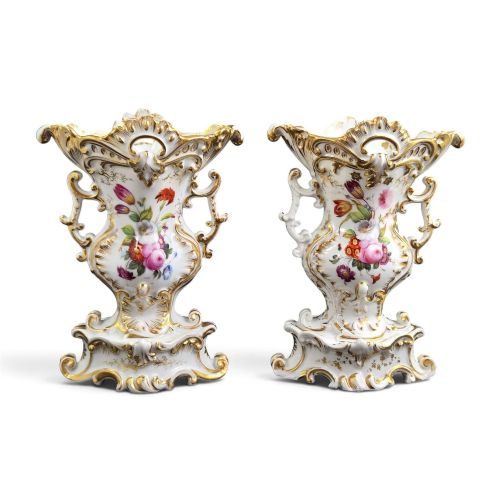
A hand painted urn vase is a decorative vessel intended for interior display, combining sculptural form with detailed painted ornament. The pieces gathered under this phrase range from compact cabinet vases to towering floor jars, each designed to catch the eye.
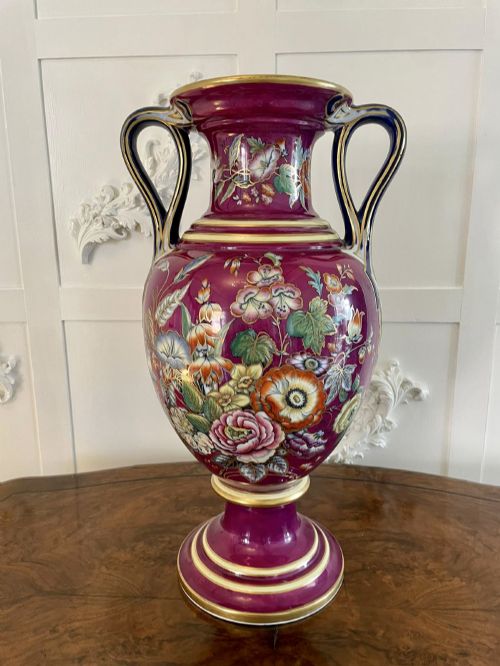
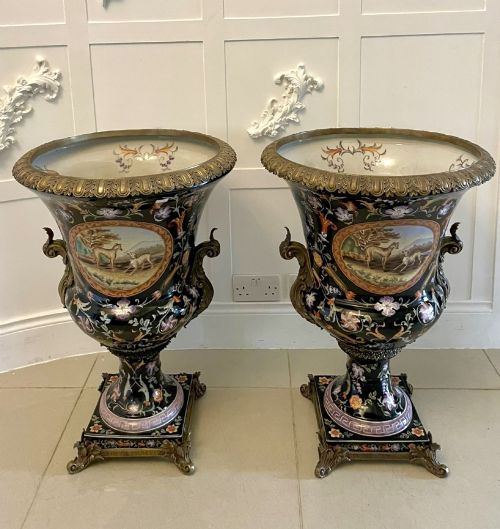
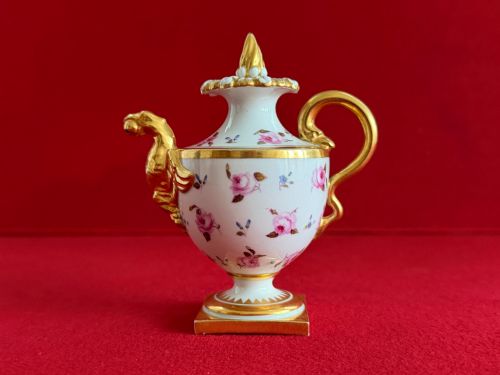
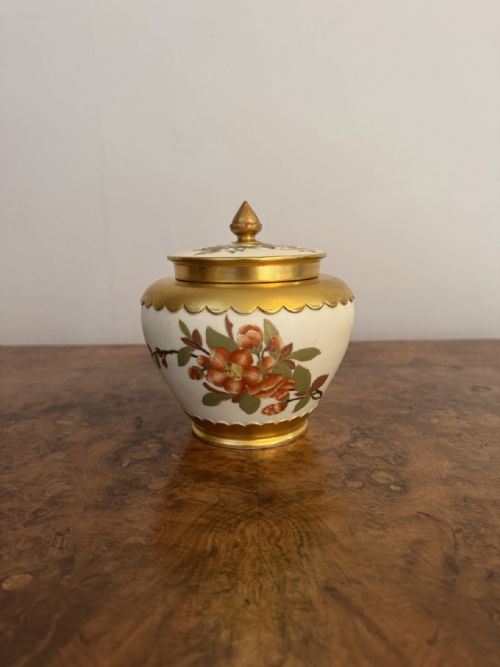
Most examples originate from the nineteenth century, though eighteenth-century and early twentieth-century pieces appear regularly. Forms span classical amphorae, bulbous ginger jars, lidded potpourri pots and twin-handled urns, drawing on English, French, Japanese and Chinese traditions.
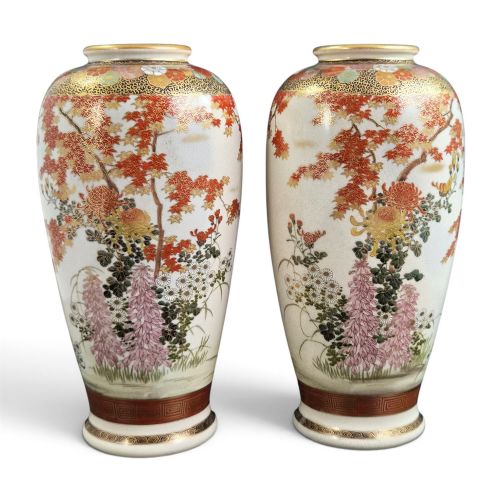
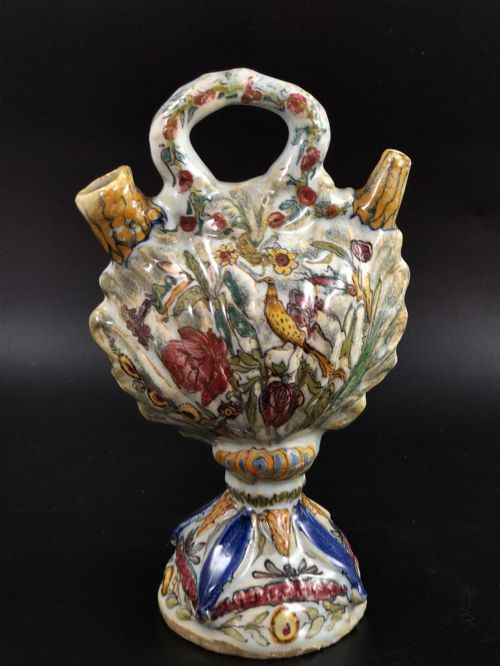
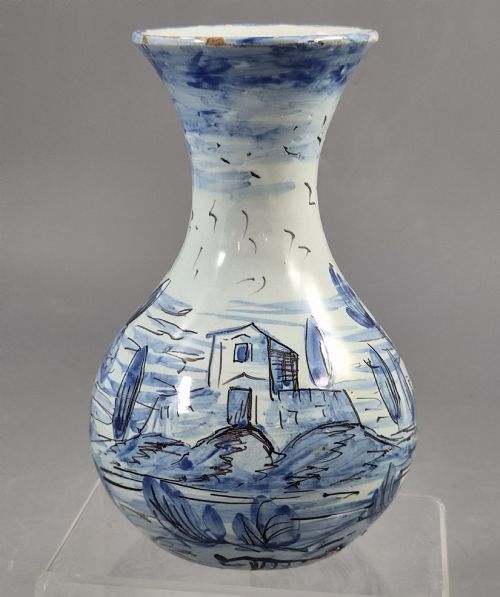
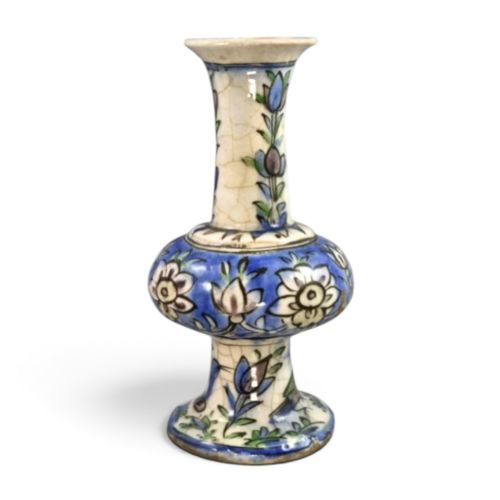
Makers and potteries across Europe and Asia utilised porcelain, earthenware and ceramic bodies as canvases for botanical, figurative and landscape scenes. Buyers encounter everything from delicate English porcelain to robust Japanese Satsuma and Imari wares.

How they were made
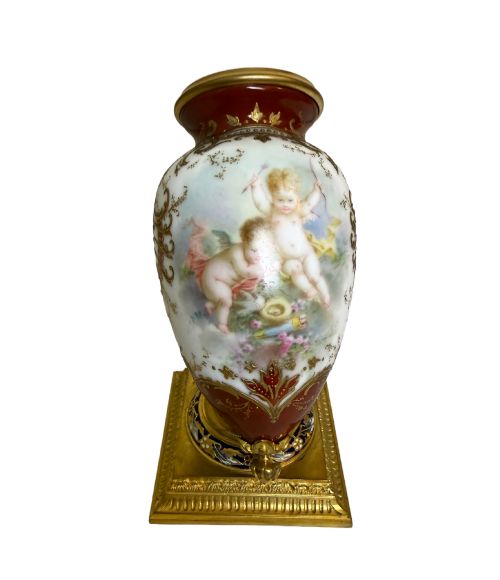
Makers shaped porcelain, earthenware and ceramic bodies either by throwing on a wheel or moulding in sections before firing. Many vessels received mounts in brass or bronze, adding structural weight and decorative handles.
Decoration relied on hand painting combined with enamel pigments, glaze and gold leaf or gilding. Artisans applied pigments directly to the fired or raw body, sometimes returning the piece to the kiln multiple times to fix complex polychrome designs and metallic details.
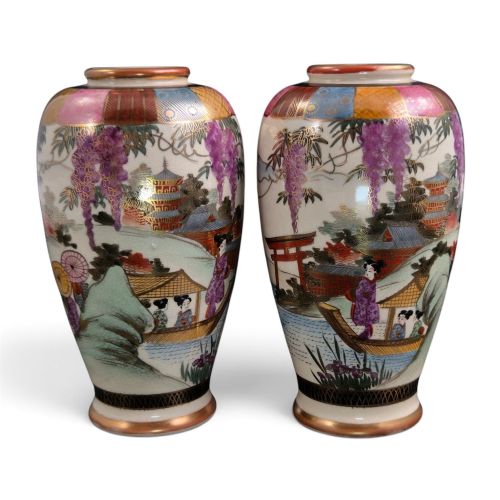
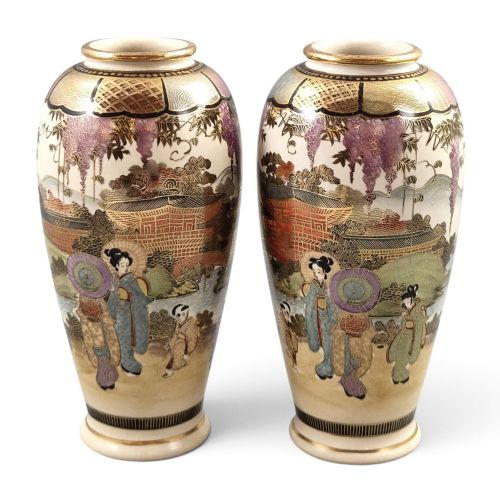
Several Satsuma vases on offer choose to depict groups of women and children sharing quiet moments rather than grand battles.
What varies in quality
The distinction between ordinary and exceptional work rests on the confidence and precision of the brushwork. Skilled painters achieved delicate shading in floral motifs and expressive detail in human figures, whereas lesser pieces show mechanical repetition or stiff lines.
Material preparation and firing success also set pieces apart. Superior vessels display smooth glazes free of cloudiness, evenly applied gold leaf and well-balanced proportions that give the form a sense of architectural harmony.
Flight, Barr and Barr·Royal Worcester·Jacob Petit·Vienna Porcelain·Sitzendorf
The Hand Painted Urn Vase Glossary
- Amphora
- A two-handled jar with a narrow neck used in antiquity and revived in later decorative ceramic designs. These vessels often feature classical shapes and painted figural scenes.
- Gilding
- The application of gold leaf or powdered gold to the surface of ceramic or porcelain. This technique highlights rims, handles and decorative borders.
- Imari
- A style of Japanese export porcelain characterised by a palette of underglaze blue, iron red and gold. Pieces often display intricate floral and geometric panels.
- Majolica
- Tin-glazed earthenware decorated with brightly coloured metal oxides on an opaque white glaze. Italian workshops produced notable historical examples.
- Satsuma
- A type of earthenware from Japan featuring a crackled ivory glaze and dense polychrome enamel painting often enriched with gold. These wares frequently depict figures and landscapes.
Hand Painted Urn Vase: Frequently Asked Questions
How do I identify a nineteenth-century piece?
Nineteenth-century vessels often combine revival styles, such as Rococo or Empire, with industrial ceramic techniques like slip casting and advanced kiln controls. Examining the foot ring, glaze consistency and any impressed or painted factory marks helps narrow the date.
European factories frequently used blue underglaze ciphers, while Asian export pieces relied on period-specific signatures and reign marks. Comparing the palette and weight to documented examples confirms the era.
Where were these ceramic urns made?
Production centres spanned major European ceramic capitals, including English porcelain hubs like Worcester, French studios in Paris and Sevres, and Austrian factories in Vienna. Each region developed distinct paste recipes and painting styles.
At the same time, Japanese kilns in Satsuma and Imari along with Chinese imperial and export potteries produced vast quantities of decorated vessels for international markets. These diverse origins created the varied aesthetic seen today.
How should I care for antique porcelain?
Keep delicate ceramic and porcelain vessels out of direct sunlight to prevent fading in painted enamel colours and gold leaf details. Dust them gently with a soft, dry brush rather than using wet cloths or chemical cleaners.
Ensure that large floor vases or heavy urns sit on stable, level surfaces away from heavy foot traffic to prevent accidental tipping. If a vessel has metal mounts, check that the brass or bronze parts remain dry and clean.