







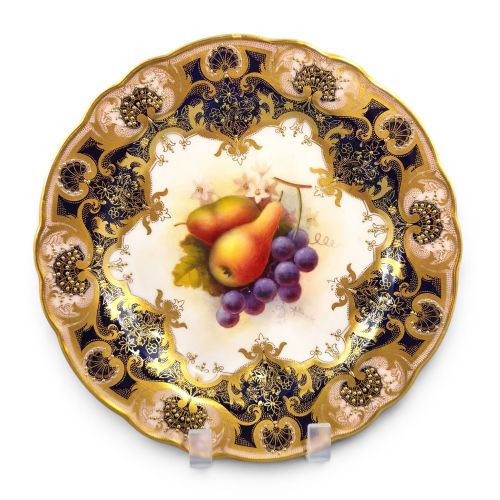
Cobalt Blue Porcelain Charger
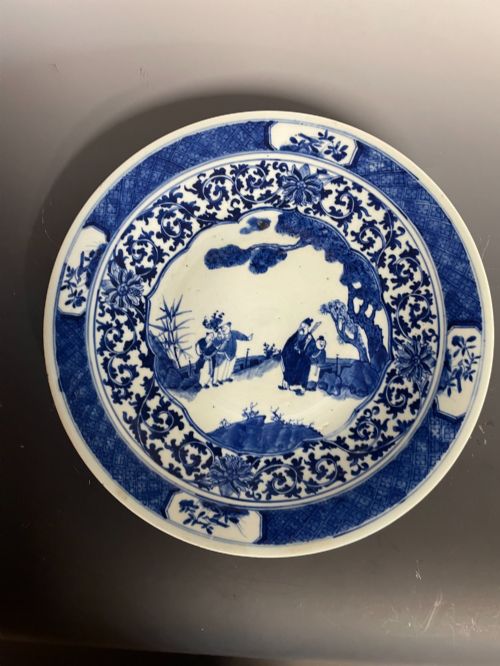
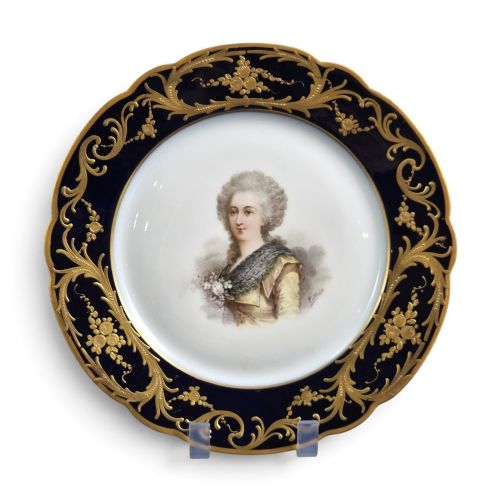
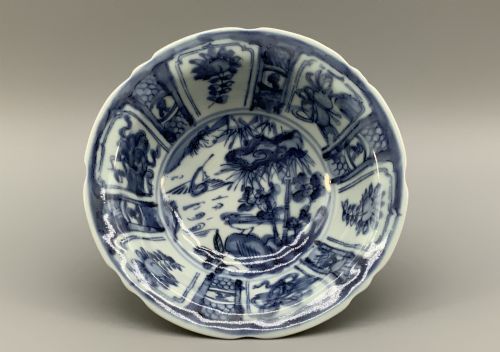
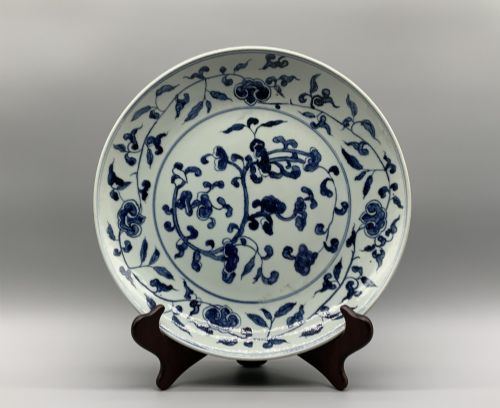
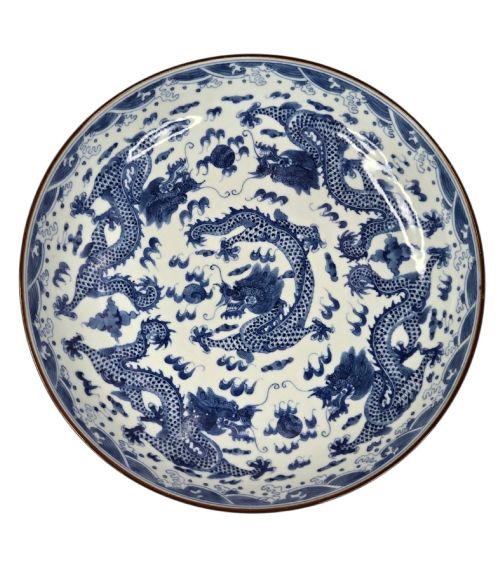
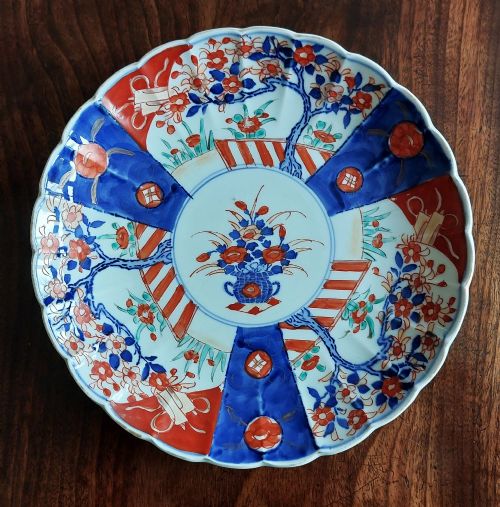
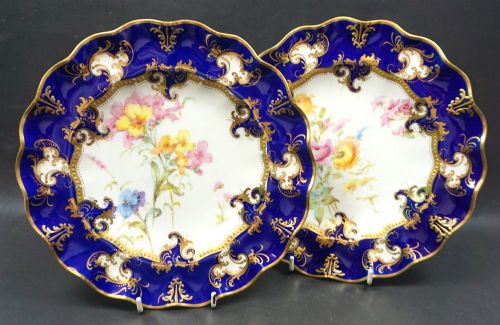
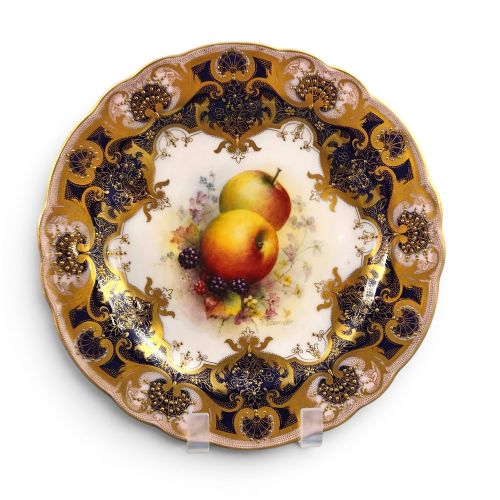
These cobalt blue porcelain charger pieces are striking Imari palette plates that bring rich decoration and historical depth to any room.

What They Are
A cobalt blue porcelain charger is a broad decorative plate designed for display rather than dining. The pieces available span periods from the late seventeenth century through to the early twentieth century.
These items primarily follow Japanese Imari styles, originating from Edo, Meiji, and later periods. The forms include large chargers and decorative plates that showcase traditional patterns.
How They Were Made
The construction relies on hard-paste porcelain fired at high temperatures to achieve a durable ceramic base. Artisans applied cobalt underglaze beneath the transparent glassy coating before subsequent firings.
Detailing involves enamel pigments and gold leaf or gilding added over the glaze. This layered technique creates the characteristic rich palette seen on these plates.
Retail Price Guide 2026
Typical UK retail prices for cobalt blue porcelain charger, calculated from the Sellingantiques database of over a million retail prices indexed since 2003. This retail price guide relies exclusively on Sellingantiques data; no external sources or auction records are used, so the figures do not describe the wider market.
What Varies in Quality
Quality rests in the precision of the cobalt underglaze painting and the crispness of the enamel application. Earlier pieces demonstrate finer brushwork and deeper control of the blue tones.
The integration of gilding and gold leaf separates standard decorative items from superior examples. Better pieces maintain intact metallic detail and harmonious colour saturation across the surface.

The Cobalt Blue Porcelain Charger Glossary
- Imari palette
- A traditional decorative scheme utilising cobalt blue, iron red, and gold on a white porcelain ground. This style originated in Japan and heavily influenced European ceramic production.
- Hard-paste porcelain
- A dense, vitrified ceramic composition fired at high temperatures. It resists scratching and provides a smooth surface for detailed painting.
- Cobalt underglaze
- Pigment applied directly to the unglazed ceramic body before firing. This method ensures the blue colour remains permanent beneath the glassy finish.
- Gilding
- The application of gold leaf or gold powder to the surface of the porcelain. It highlights specific design elements and adds reflective contrast.
Frequently Asked Questions
How were chargers used?
Historically, large chargers served as centrepieces on dining tables to present food or fruit. Over time, their primary function shifted to wall display or sideboard decoration.
In modern interiors, people use stands or wall mounts to exhibit the intricate patterns.
How do I date these plates?
Dating relies on stylistic shifts in the Imari palette, ceramic body density, and brushwork execution. Edo period pieces show different painting characteristics compared to later Meiji or twentieth-century examples.
Examining the foot ring and glaze pooling provides further clues to the manufacturing era.
How do I clean them?
Maintenance requires only gentle dusting with a soft, dry cloth to protect the delicate enamel and gold leaf. Moisture and chemical cleaners can damage historical pigments over time.
Display them away from direct sunlight to preserve the vibrancy of the cobalt blue.
What defines the Imari style?
The Imari style combines deep cobalt blue underglaze with iron red overglaze, frequently enhanced by gilt details. The motifs often feature floral arrangements, landscapes, and brocade patterns.
This aesthetic developed in Japan during the Edo period and became highly sought after across global markets.