



Victorian Imari Porcelain
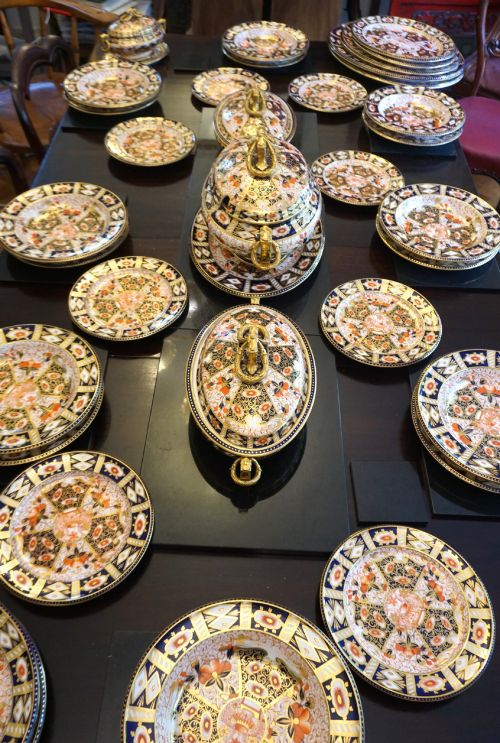
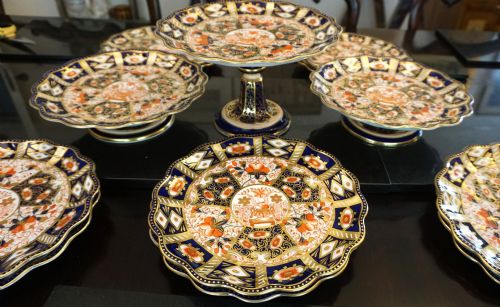
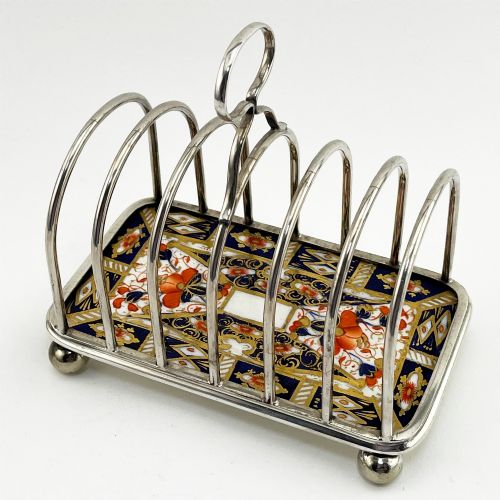
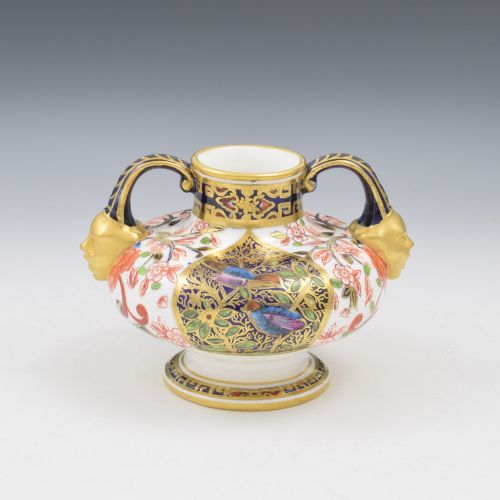
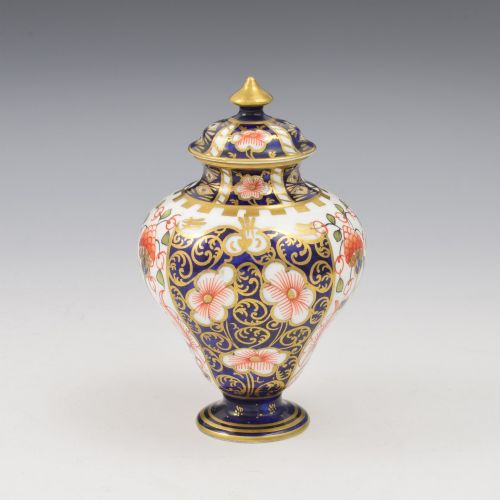
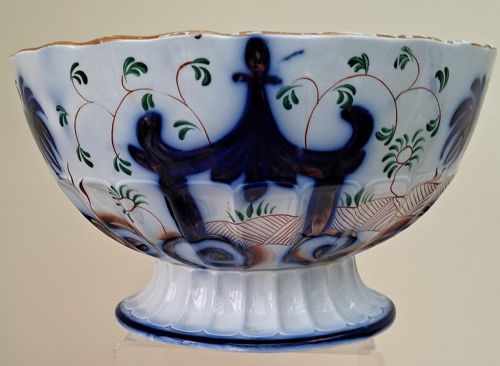
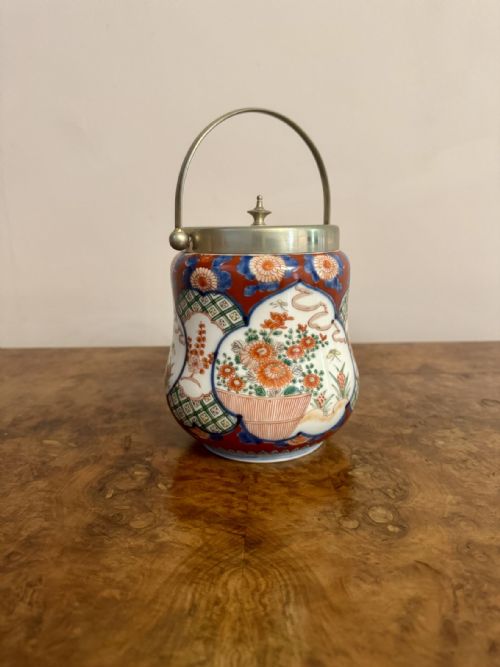
Victorian imari porcelain brings together rich eastern motifs and nineteenth century British ceramic production, offering a striking display for the table or mantelpiece.
Victorian Imari Porcelain
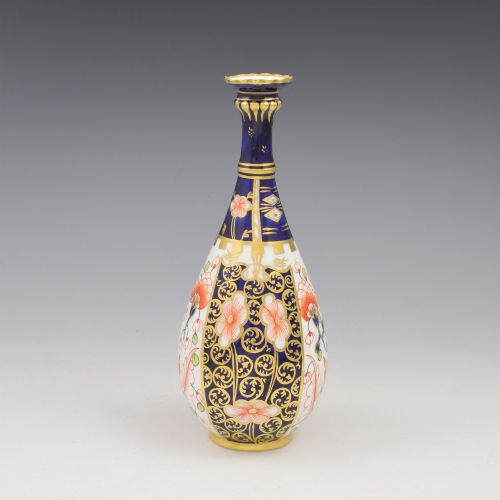
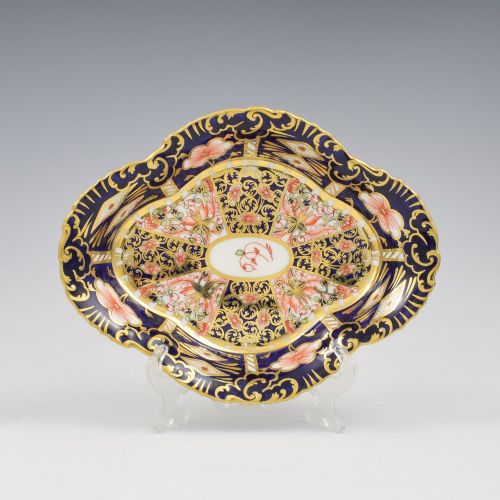
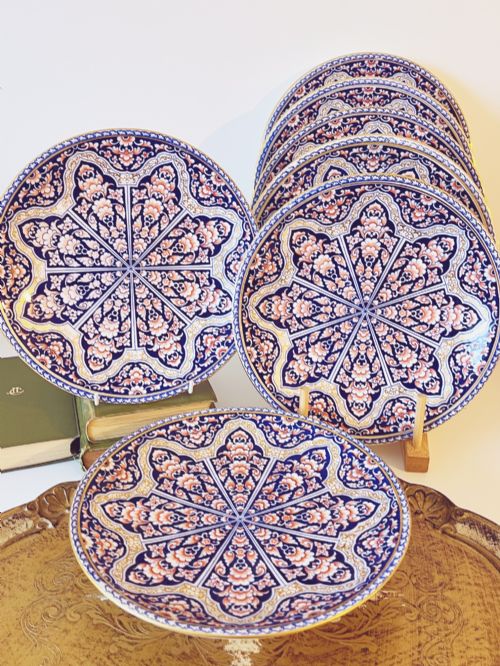
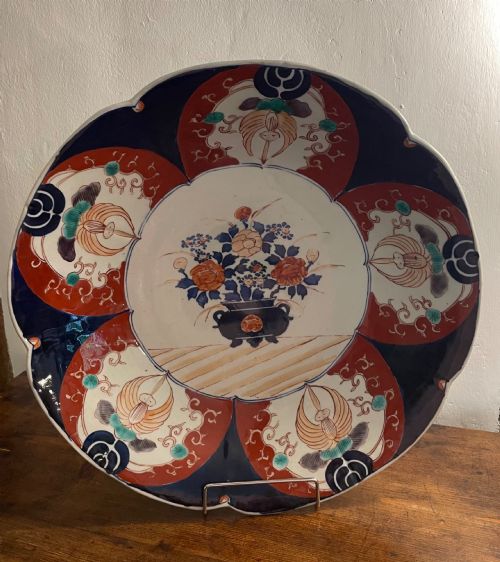
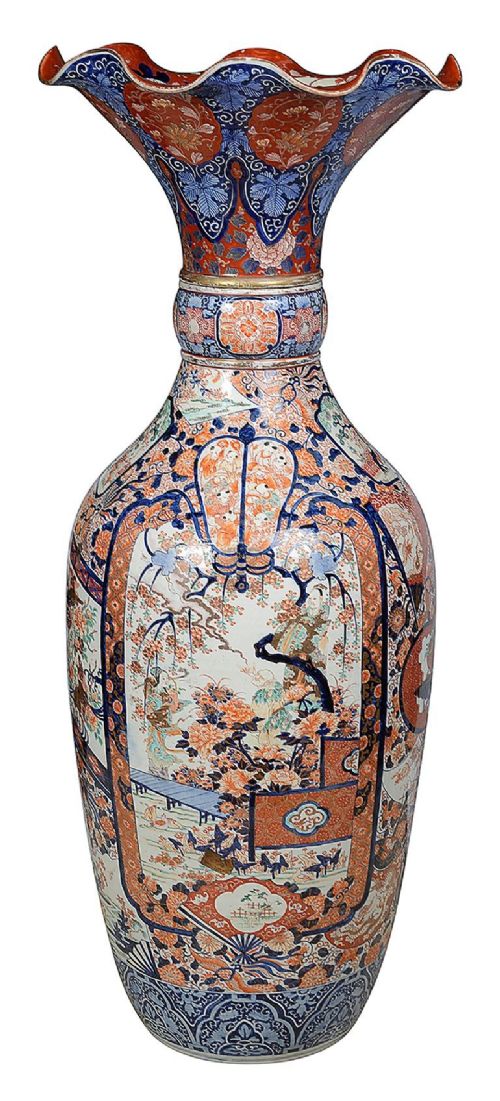
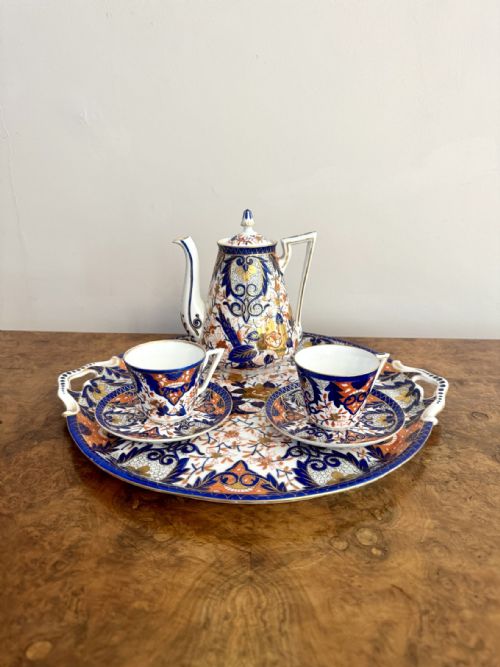
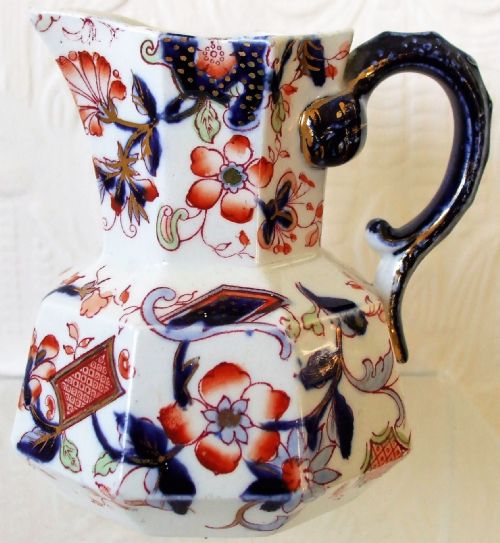
When you search for victorian imari porcelain, you encounter a fascinating cross-cultural dialogue between traditional Japanese aesthetic traditions and nineteenth century British manufacturing. These pieces range from decorative chargers and fruit display plates to intimate tea sets and miniature vases, uniting robust local forms with borrowed decorative schemes.
The objects on this page largely comprise British interpretations by makers such as Royal Crown Derby alongside direct imports from the Meiji period. Domestic production from the nineteenth century often adapts the characteristic palette to bone china, ironstone, and ceramic bodies, producing service wares and decorative ornaments that dominate the selection.
Materials and Technique
The making of these ceramics relies upon durable porcelain, bone china, and heavy ironstone bodies shaped into vessels, plates, and chargers. Artisans applied cobalt blue underglaze followed by overglaze enamels in red and rust, often completed with additions of gold leaf and gilt highlights.
Firing techniques required multiple stages to fix the dense underglaze blue before applying the vibrant red enamel and metallic gold details. This meticulous process created the signature glossy finish and deep colour saturation seen across the surviving nineteenth century output.
Victorian Imari Porcelain Retail Price Guide 2026
Typical asking prices for victorian imari porcelain among the pieces listed under this phrase on Sellingantiques today, from the lower quarter to the upper quarter. They describe what is for sale here now, not the wider market.
A flat iron complete with a stand demonstrates the Victorian impulse to apply complex oriental patterns to domestic laundry tools.
Distinctions in Quality
Quality rests upon the precision of the hand painting and the crispness of the gilt detailing applied over the glaze. Superior examples display tightly controlled brushwork in the red and cobalt pigments, whereas lesser pieces show hurried execution and blurred enamel boundaries.
The complexity of the ceramic body and the depth of the glaze also set superior pieces apart. Weight, potting uniformity, and the clarity of the underlying porcelain or ironstone dictate the overall refinement of the finished object.
Royal Crown Derby·Stevenson and Hancock·Keeling and Company·Royal Davenport·Ridgways China·Mintons·Samson Hancock
The Victorian Imari Porcelain Glossary
- Imari
- A style of ceramic decoration originating in Japan, characterised by a palette of cobalt blue, iron red, and gilt. British potteries adopted this aesthetic heavily during the nineteenth century.
- Gilt
- Gold leaf or gold paint applied to the surface of ceramics to provide metallic highlights. It reflects light and enhances the richness of the primary palette.
- Ironstone
- A durable type of heavy earthenware patented in the nineteenth century. It offered a resilient alternative to porcelain for domestic service wares.
- Charger
- A large decorative plate intended for display rather than dining. These pieces often feature complex patterns designed to be hung on walls or shown on sideboards.
Victorian Imari Porcelain: Frequently Asked Questions
Can I use these plates for dining?
Many plates and service components were built for actual domestic use from the nineteenth century onward. However, the presence of delicate gold leaf and overglaze enamel decoration means frequent dining use can cause gradual surface wear.
For most collectors, displaying chargers or utilising service sets for special occasions preserves the integrity of the painted patterns. Assess the surface wear on individual pieces before deciding on daily use.
How do I identify Japanese imports from British pieces?
British interpretations typically employ local ceramic bodies like bone china or ironstone and often bear factory backstamps or registration marks. Japanese Meiji period examples generally utilise distinct native potting techniques and lightweight porcelain bodies without British registry marks.
Examining the foot ring and the underside of the vessel usually reveals clues regarding the country of origin. Comparing the specific shade of iron red and the thickness of the glaze helps separate imported wares from domestic copies.
Where should I display large chargers?
Large chargers and display plates look best mounted securely on sturdy wall brackets or supported on dedicated plate stands within cabinets. Their heavy composition requires stable platforms to prevent tipping or sliding off flat surfaces.
Keep display locations away from direct sunlight to protect the vibrancy of the red and blue enamels over time. Ambient indoor lighting highlights the gilt details without risking heat damage.