
Cobalt Blue Ceramic Vases
Cobalt blue ceramic vases bring deep mineral richness to a room, offering striking forms across centuries of global pottery.

Cobalt blue ceramic vases
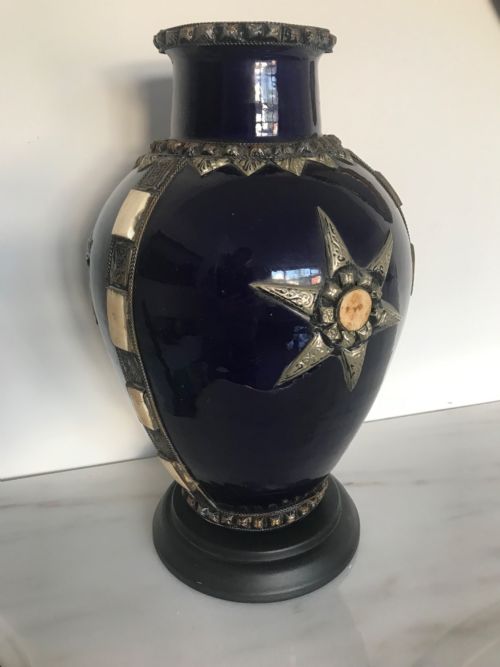
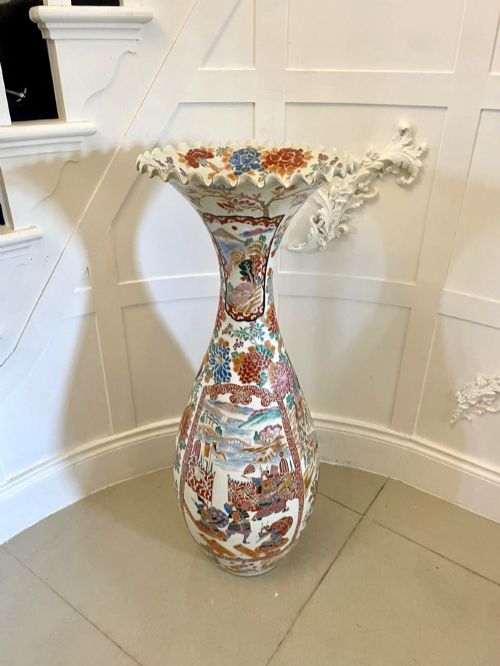
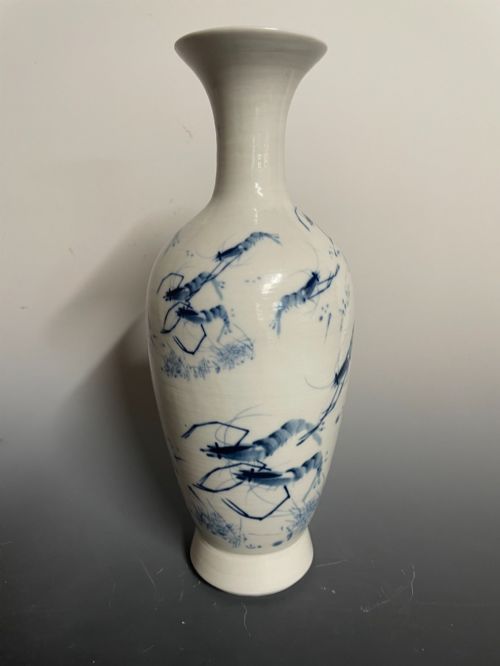
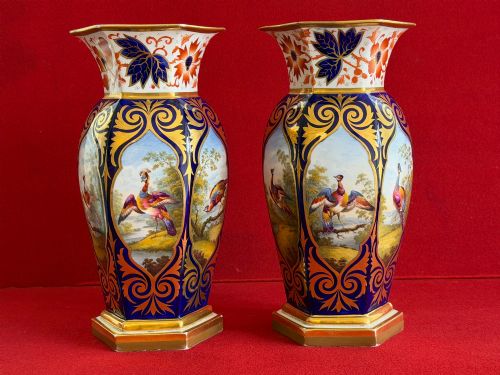
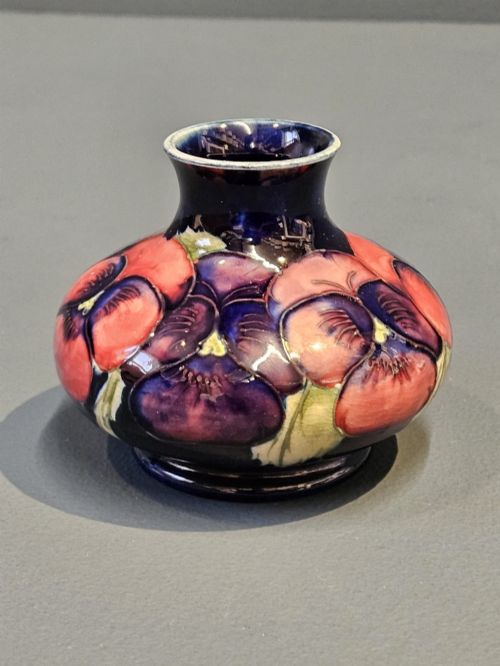
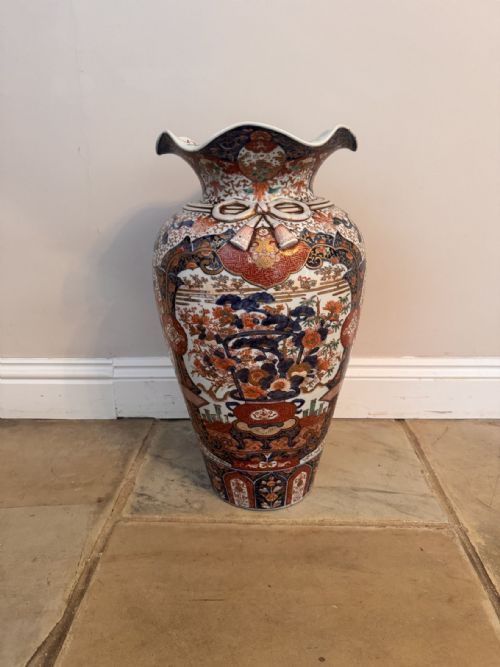
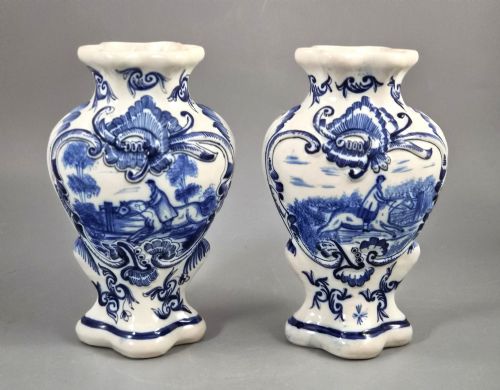
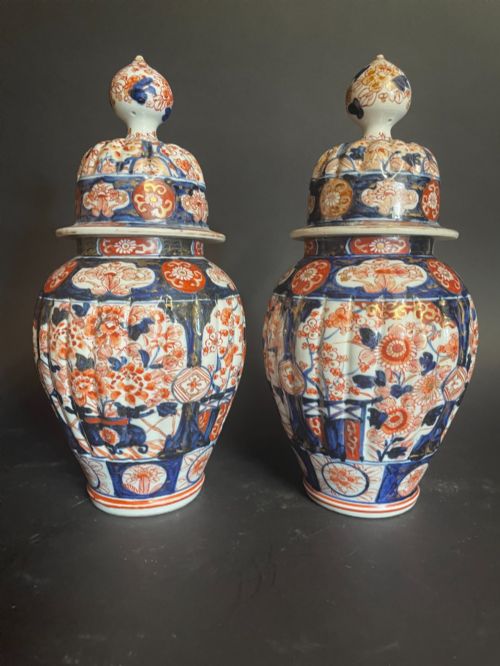
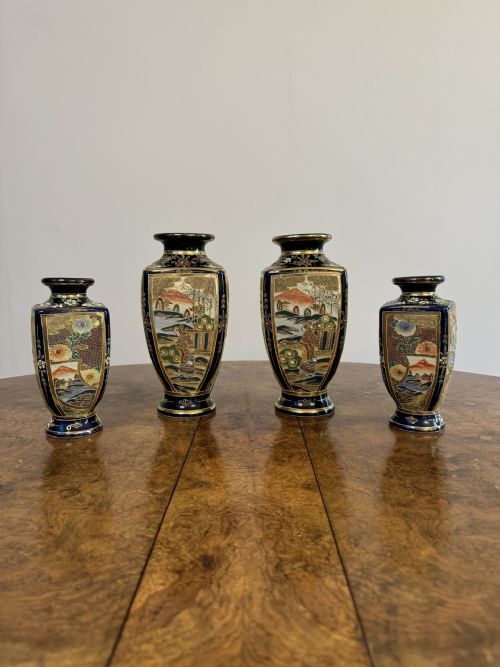
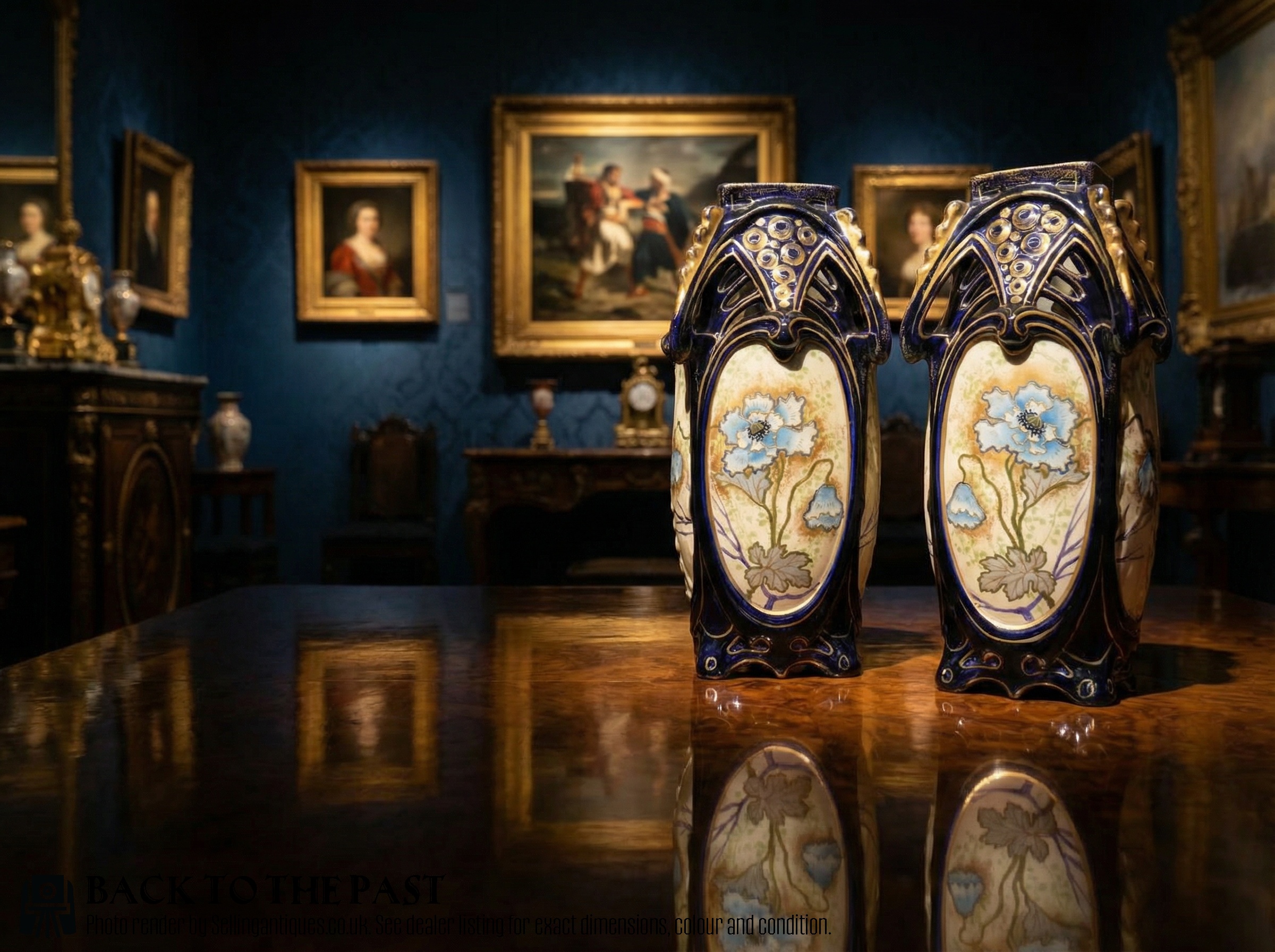
Cobalt blue ceramic vases span global traditions, from nineteenth-century English earthenware to Japanese Edo and Meiji period porcelain. You encounter pairs and garnitures of varied scale, including Chinese export styles and European manufactory pieces.
The selection here encompasses specific historical expressions like nineteenth-century Victorian Royal Doulton alongside Art Nouveau Vienna ceramics. Each piece reflects distinct regional tastes and period aesthetics, whether through Chinese Qing style influences or English ironstone production.

Materials and construction
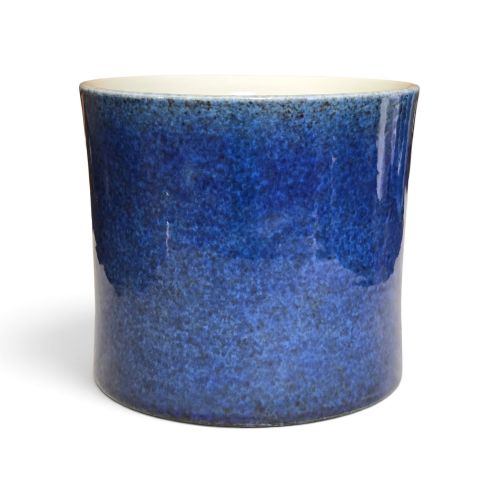
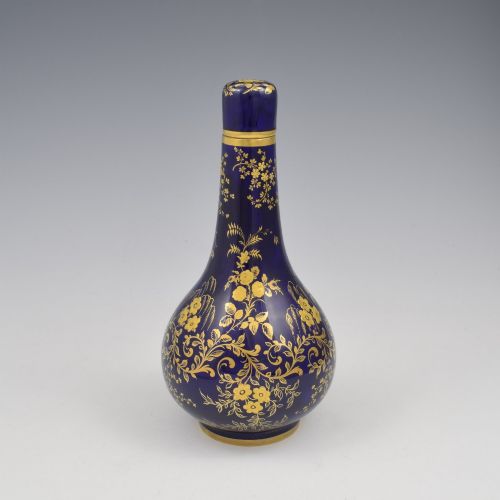
Potters shape these vessels from earthenware, porcelain, and ironstone, applying rich cobalt glaze directly to the ceramic body. Many examples integrate surface enrichment through enamel, gold leaf, and gilt details.
Firing techniques fix the intense blue under the glaze or bind supplementary enamel colours and gilding above it. Artisans combine throwing, moulding, and meticulous hand-painting to achieve the final decorated surface.
Retail Price Guide 2026
Typical UK retail prices for cobalt blue ceramic vases, calculated from the Sellingantiques database of over a million retail prices indexed since 2003. This retail price guide relies exclusively on Sellingantiques data; no external sources or auction records are used, so the figures do not describe the wider market.
Listings feature ceramics from the eighteenth century up to nineteen-twenty, incorporating porcelain, earthenware, and ironstone.
Judging quality
Superior examples demonstrate precision in the brushwork of the cobalt decoration and harmony in the applied gilding or enamel. The crispness of the ceramic form and the depth of the glaze separate standard production from finer manufactory output.
Maker attribution and the integrity of paired sets or garnitures significantly influence the standing of a piece. The refinement of the underlying porcelain or earthenware body dictates the overall tactile success of the vessel.
Kinkozan·Royal Doulton·Moorcroft Macintyre·Ernst Wahliss·Mason
The Cobalt Blue Ceramic Vases Glossary
- Garniture
- A matching set of three or more vases designed for symmetrical display on a mantelpiece or cabinet. These sets usually comprise a central vessel flanked by smaller matching companions.
- Imari palette
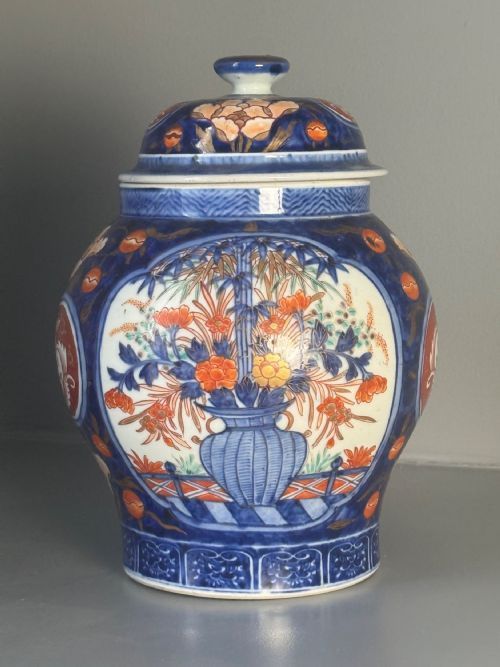
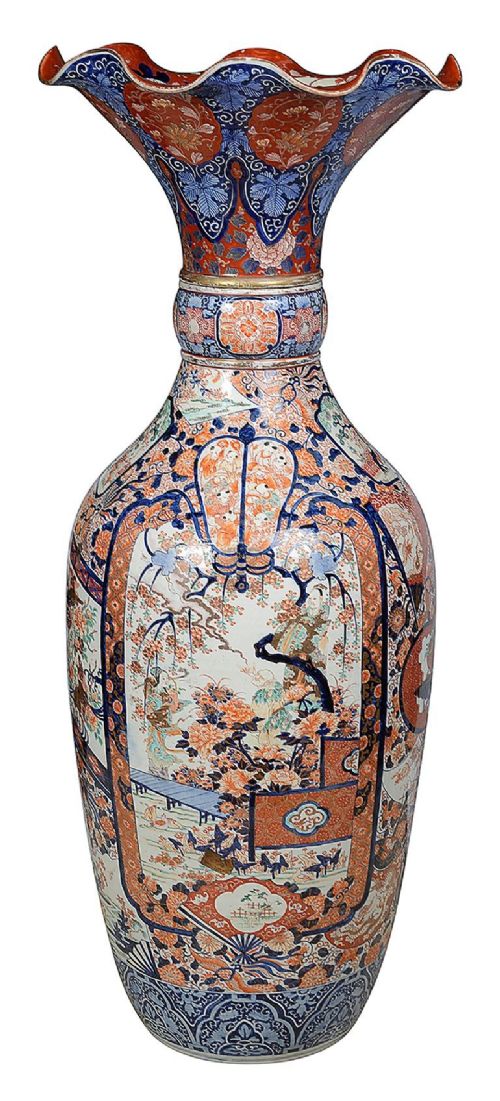
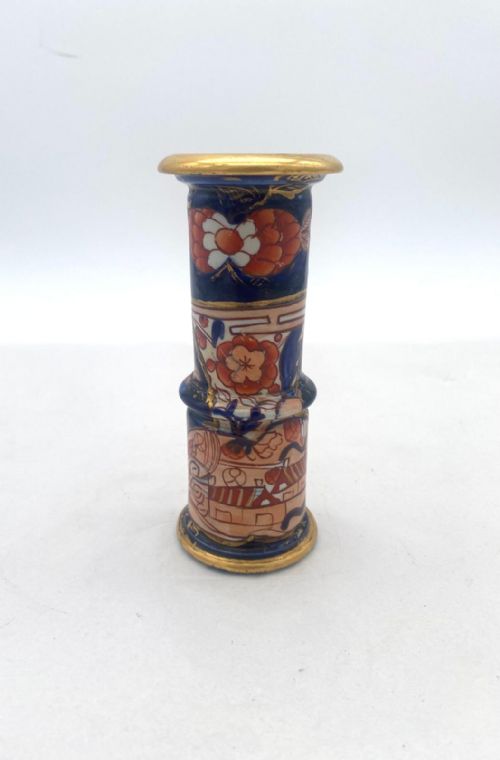
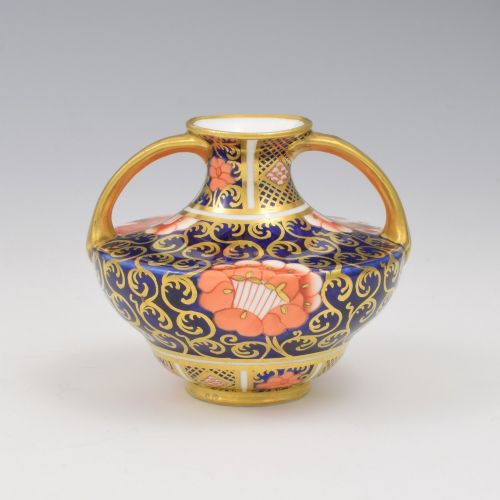
- A traditional decorative scheme utilising cobalt blue, iron red, and gold, originating in Japan. This style became widely imitated across European ceramics.
- Earthenware
- A porous ceramic body fired at lower temperatures, requiring a glaze to achieve impermeability. It forms the foundation for many traditional decorative wares.
- Ironstone
- A heavy, durable type of earthenware patented in the nineteenth century to imitate porcelain. It provides a robust surface for rich cobalt and gilt decoration.
Frequently Asked Questions
What periods do these cobalt blue ceramic vases cover?
The pieces span from the late seventeenth and early eighteenth centuries through the nineteenth century and into nineteen-twenty.
This broad chronological range includes Edo, Meiji, and Victorian eras alongside Art Nouveau productions.
How should I display a garniture set?
A garniture of three vases is traditionally arranged with the largest vessel in the centre and the matching pair flanking it.
This symmetrical placement creates a balanced focal point on a mantel or sideboard.
What is the Imari palette?
The Imari palette is a distinctive decorative style characterised by the combination of underglaze cobalt blue, iron red, and gilt highlights.
Originating in Japan, this vibrant aesthetic was later adopted by European potteries.
Are these vases usually found in pairs?
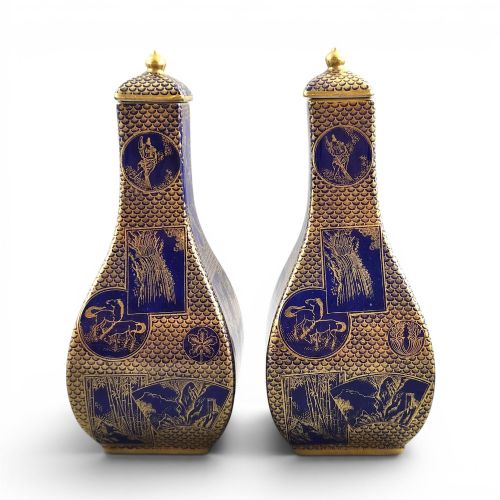
Many listings feature matched pairs designed for symmetrical interior placement.
Single vessels and larger sets of three, known as garnitures, also appear within the selection.