



Chinese Figure Vase
These Chinese figure vase examples combine traditional ceramic forms with detailed figurative scenes, offering a tangible link to historical dynasties.
Chinese Figure Vase
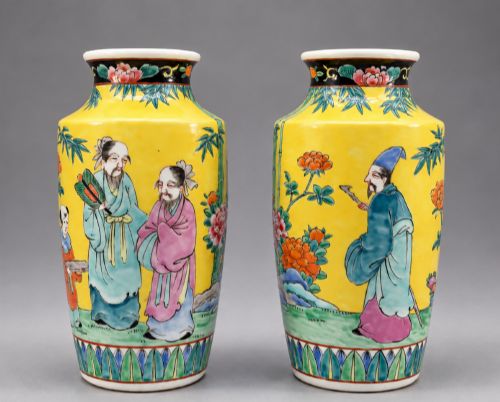
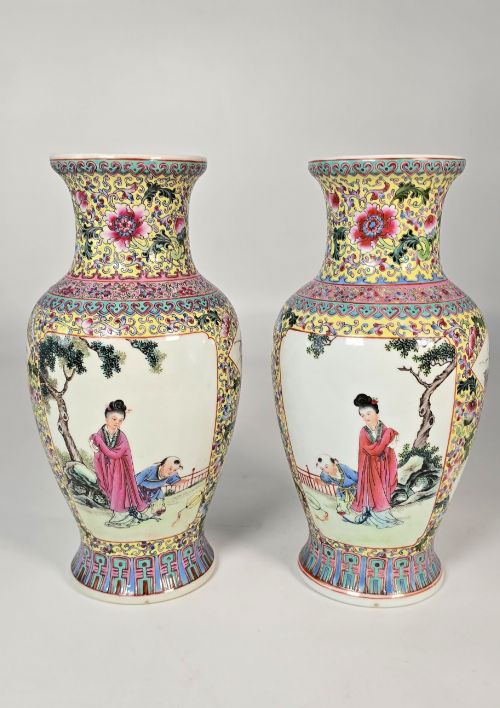
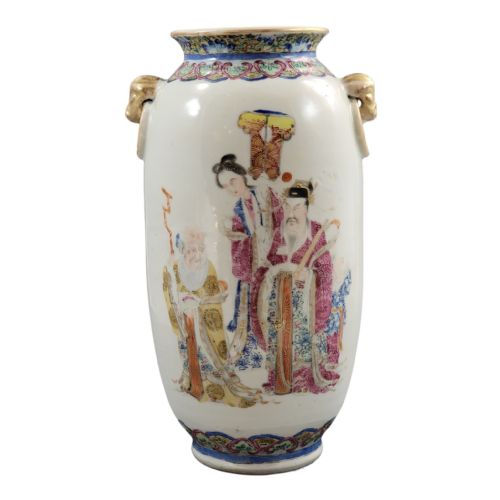
A Chinese figure vase displays painted or moulded scenes featuring scholars, immortals, and officials set across porcelain and pottery bodies. When searching for a Chinese figure vase, buyers typically encounter pieces originating from the Qing Dynasty through to the Republic Period. The selection includes baluster shapes, bottle vases, and brush pots adapted into vessels, often decorated in the famille rose or famille verte style.
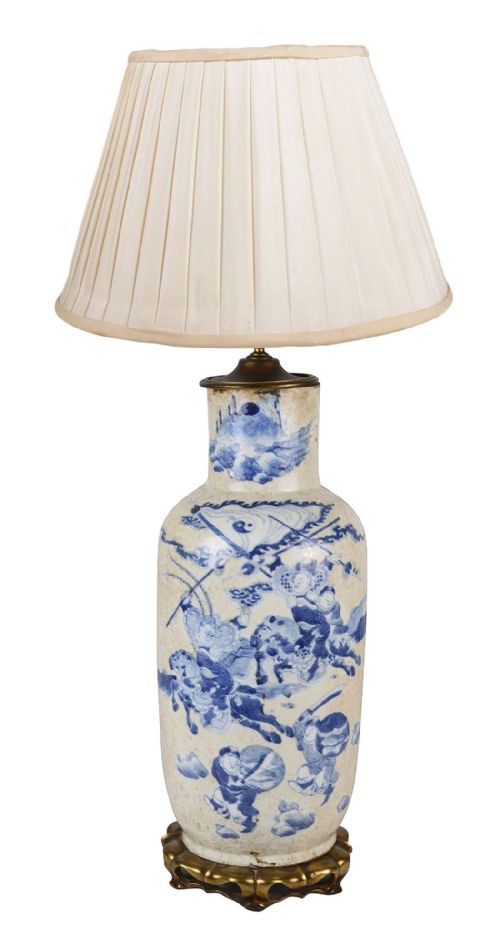
Most items you meet on the market date from the 19th century and the early 20th century, particularly around the 1930s Republic period. These vessels frequently depict narrative groupings, such as Magu and Shoulao, alongside figures in garden or architectural settings. Forms range from standard display vases to converted table lamps retaining their original ceramic bodies.
How they were made
Makers shaped these pieces from porcelain, bronze, and copper, applying glazes and enamel decoration by hand. Overglaze enamels in famille rose and famille verte palettes provide the characteristic polychrome surface detail seen on the porcelain bodies.
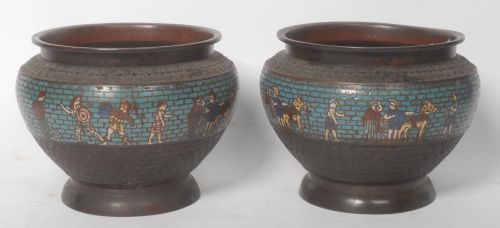
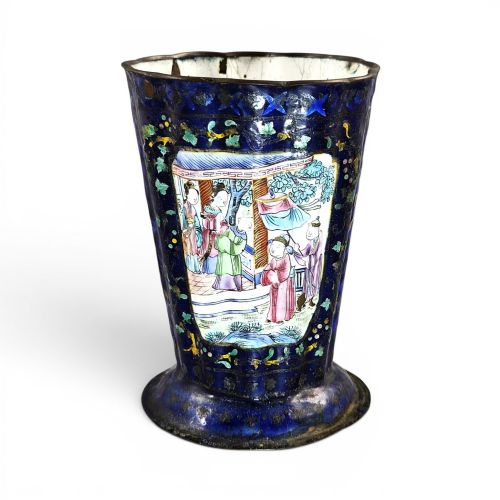
Bronze and copper vessels often utilise champlevé or vitreous enamel techniques to embed coloured glass pastes into recessed metal channels. Silk frequently appears as an associated material on lamp shades paired with these vases.
Scholars occasionally find themselves immortalised in porcelain alongside deities on these miniature ceramic stages.
What varies in quality
The precision and detail of the figurative painting separate standard decorative items from finer scholarly works. Painted scenes that display careful facial expressions, subtle drapery folds, and balanced composition indicate a higher standard of workshop production.
The choice of body material and the complexity of the enamel work also determine the grade of the piece. Crisp cobalt blue underglaze work or expertly handled overglaze enamels reflect greater technical skill during the manufacturing process.
Gao Hengsheng
The Chinese Figure Vase Glossary
- Famille Rose
- A prominent palette of opaque overglaze enamels dominated by pink or rose colours, introduced during the Qing dynasty. It allowed artists to achieve delicate tonal gradations in figurative scenes.
- Republic Period
- The era in Chinese history following the end of the Qing dynasty in 1912, lasting until 1949. Ceramics from this time often show innovative artistic signatures and refined enamel painting.
- Brush Pot
- A cylindrical vessel, known as a bitong, used by scholars to hold writing brushes. Many examples share the decorative figurative vocabulary found on standard vases.
- Champlevé
- An enamelling technique where artists gouge troughs into a bronze or copper base to hold coloured glass paste before firing. This creates raised metal outlines between the enamelled areas.
- Qing Dynasty
- The final imperial dynasty of China, ruling from 1644 to 1912. Much of the porcelain traded globally dates from its later decades.
Chinese Figure Vase: Frequently Asked Questions
What do the figures on these vases represent?
The painted figures usually depict Daoist immortals, historical officials, and scholars engaged in leisurely pursuits. Common subjects include figures like Shoulao and Magu, who symbolise longevity and good fortune in traditional narratives.
Artists drew these scenes from folklore and classical literature to convey auspicious wishes to the owner. Recognising these traditional groupings helps date the vessel and understand its original cultural context.
How do I identify a Republic Period piece?
Republic Period vases often feature refined overglaze enamel painting and occasional artist signatures or studio marks. The palette can appear slightly different from earlier Qing imperial wares, reflecting new artistic movements of the 1920s and 1930s.
Examining the base and the style of the figurative drawing reveals these later manufacturing traits. These pieces bridge traditional imperial craftsmanship and modern workshop production.
Can I use these vases as table lamps?
Several pieces on the market are sold as lamps, having been converted from original porcelain or bronze vases. This adaptation was a common practice in the 19th and early 20th centuries to suit Western domestic interiors.
When living with these converted pieces, ensure the electrical fittings meet modern safety standards without damaging the ceramic body. Many retain their original proportions and decorative schemes despite the wiring.
What is the difference between famille rose and famille verte?
Famille rose relies on an opaque pink or purple enamel introduced in the 18th century, allowing for softer blended shades. Famille verte uses a translucent green enamel palette that dominated earlier Qing periods.
Both styles employ detailed overglaze techniques to depict figures, but the primary colour dominance separates the two groups. This distinction is useful for establishing the general period of the decoration.