


Chinese Scholar Vase
A Chinese scholar vase brings refined Qing Dynasty artistry and deep literary tradition straight to your desk.
Chinese Scholar Vase
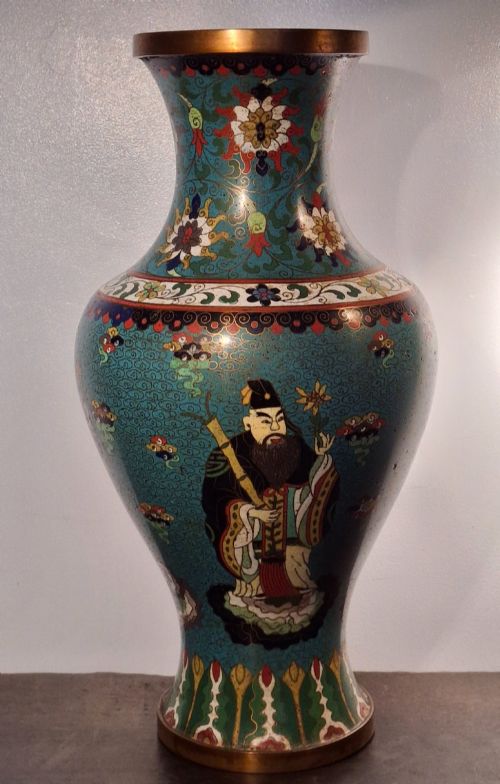
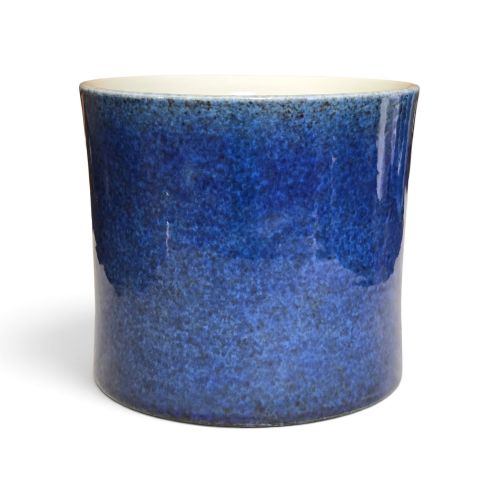
When you search for a Chinese scholar vase, you are looking at items created for the traditional desk and study of the literati during the Qing Dynasty. These objects range from tall baluster vessels and bottle vases to cylindrical brush pots, known as bitong, designed for men of letters.
The periods represented stretch from the late 17th century through the 19th century and up to the early 20th century. These utility pieces served both practical functions in the scholar's studio and decorative roles within elite Chinese interiors.
How they were made
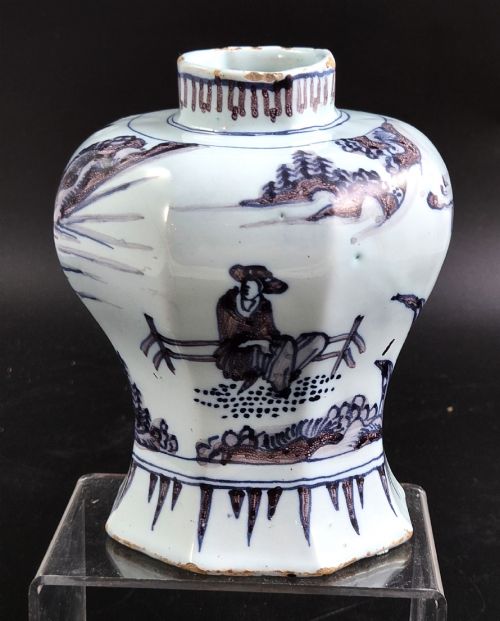
Potters and artisans shaped these objects using porcelain, ceramic, bamboo, and soapstone. Porcelain pieces received cobalt underglaze, powder-blue glazes, or overglaze enamels before firing.
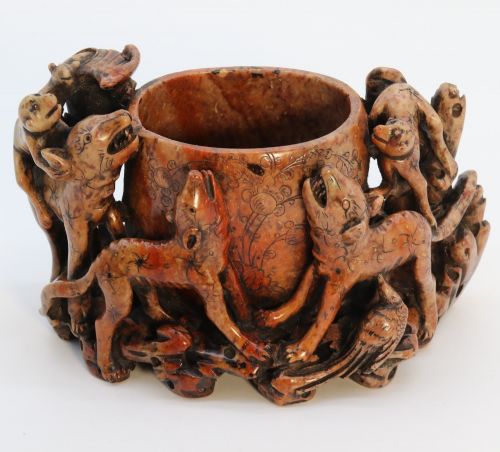
Carved pieces utilised natural materials like bamboo and soapstone, where craftsmen worked the surface deeply to reveal figurative scenes and scholar's retreats in relief.
Current listings feature porcelain, bamboo, and soapstone pieces spanning the 17th to the 20th century.
What varies in quality
Depth of carving and clarity of painted detail separate standard workshop output from masterful studio pieces. The precision in rendering figures like the Seven Worthies or historical scenes dictates the aesthetic standard.
Material selection and glaze control also drive variation. Smooth cobalt underglaze work and finely finished soapstone or bamboo show the hand of a skilled maker.
The Chinese Scholar Vase Glossary
- Bitong
- A cylindrical brush pot used on a scholar's desk for holding writing brushes. This form is among the most common items found in the category.
- Famille Rose
- A palette of opaque overglaze enamels introduced in the Qing Dynasty, dominated by pink or rose colours mixed from gold. It allowed for delicate rendering of robes and botanical scenes.
- Kangxi Period
- A significant era of the Qing Dynasty spanning the late 17th and early 18th centuries. Pieces from this time often exhibit high technical skill in cobalt glaze work.
- Soapstone
- A relative soft, talc-schist mineral that carves easily. Artisans used it for desk accessories and miniature vessels requiring intricate sculptural detail.
- Underglaze Blue
- A decoration technique where cobalt pigment is applied to the raw clay body before transparent glazing and high-temperature firing. The result is a durable blue design beneath the glassy surface.
Chinese Scholar Vase: Frequently Asked Questions
What is a bitong?
A bitong is a cylindrical brush pot used by scholars and officials to store writing brushes on a desk.
These vessels formed an essential part of the scholar's studio furnishings in traditional China.
How old are these vases?
The pieces available range from the late 17th century through the 19th century and into the early 20th century.
Most examples date to the Qing Dynasty, particularly the 19th century.
What materials were used?
Artisans worked primarily in porcelain, ceramic, carved bamboo, and soapstone.
Glazes include cobalt blue, powder-blue, and famille rose enamels.
How do I display them?
These items suit tabletops, shelves, and desks where their carved details or painted scenes can be viewed closely.
They pair well with other decorative arts and study objects.