



Chinese Enamel Vase
When you search for a chinese enamel vase, you are looking at centuries of decorative artistry rendered in porcelain, bronze, and copper.
Chinese Enamel Vase
A chinese enamel vase brings together vibrant palettes and intricate metallic or ceramic forms spanning the Qing dynasty through the Republican period and into the twentieth century. Buyers encounter vessels ranging from small cabinet pieces and ginger jars to monumental floor vases and table lamps.
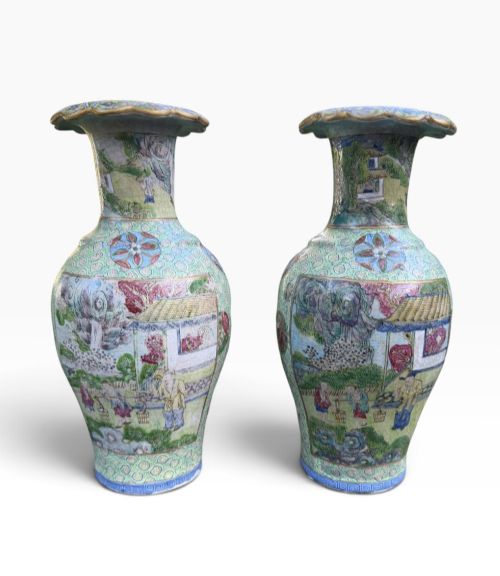
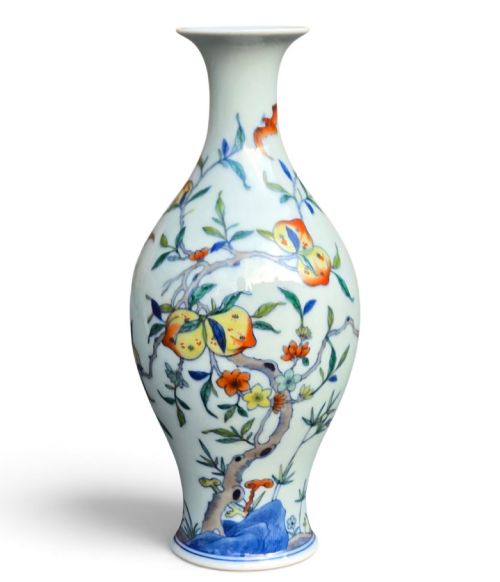
The selections on this page demonstrate the enduring appeal of traditional techniques, showing how workshops adapted classic motifs across different eras. Whether rendered in porcelain with famille rose pigments or formed from metal with cloisonné wirework, each vessel serves as a distinct record of its period of manufacture.
How they were made
Craftsmen utilised ceramic bases like porcelain alongside metal foundations of copper, brass, and bronze to create these vessels. Artisans applied coloured enamels by hand, often combining iron-red pigments, gold leaf, and gilt bronze mounts to enrich the surface texture.
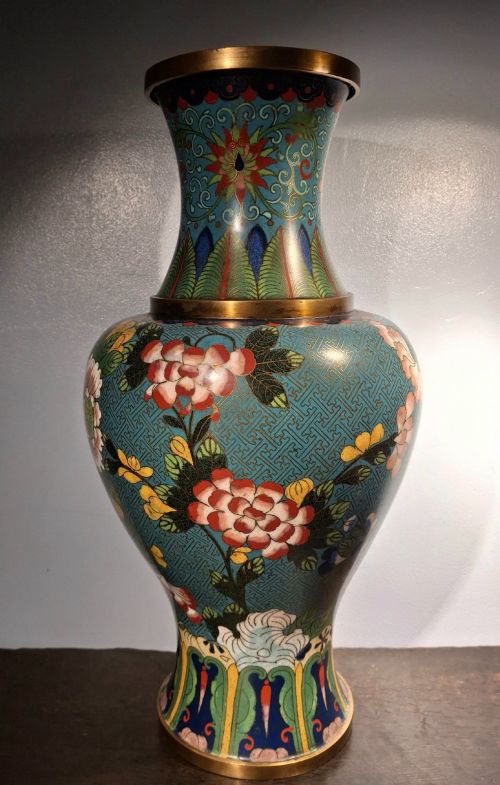
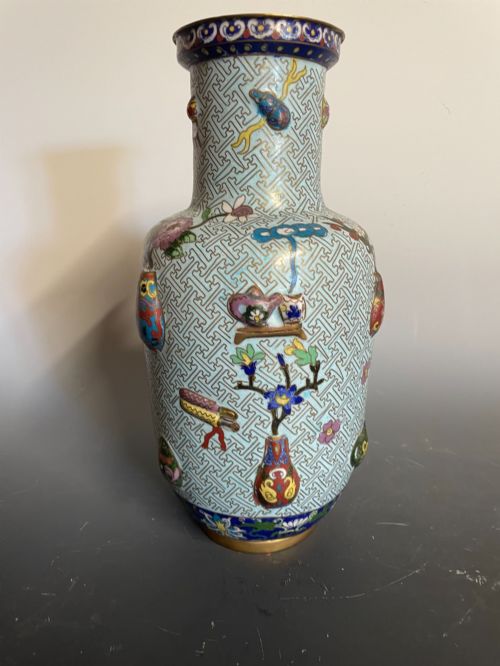
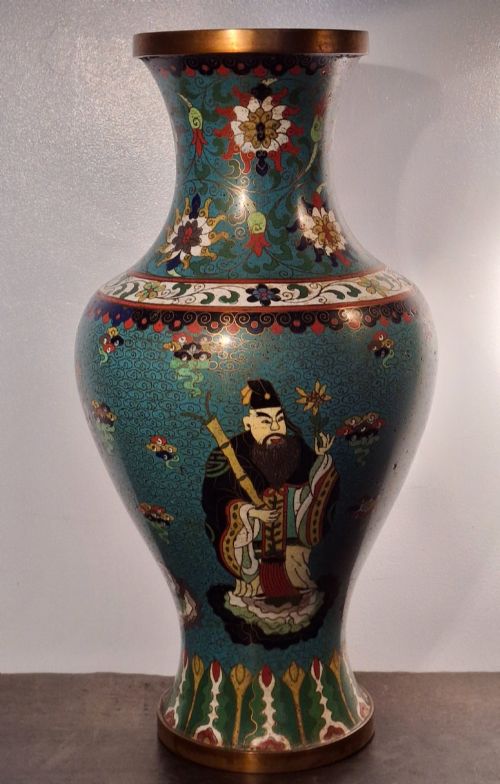
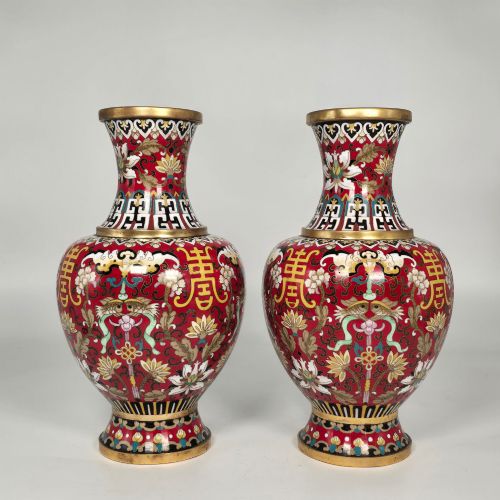
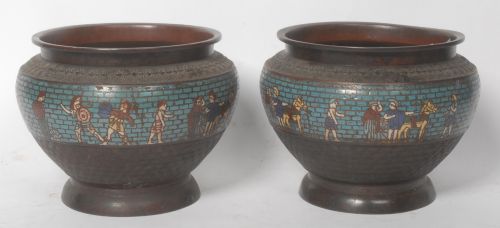
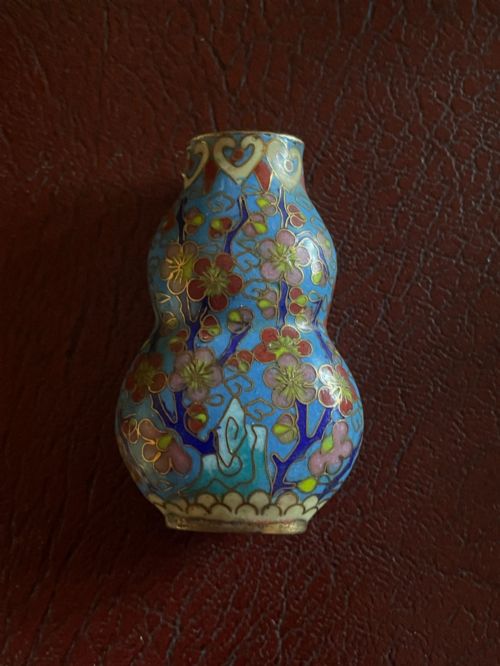
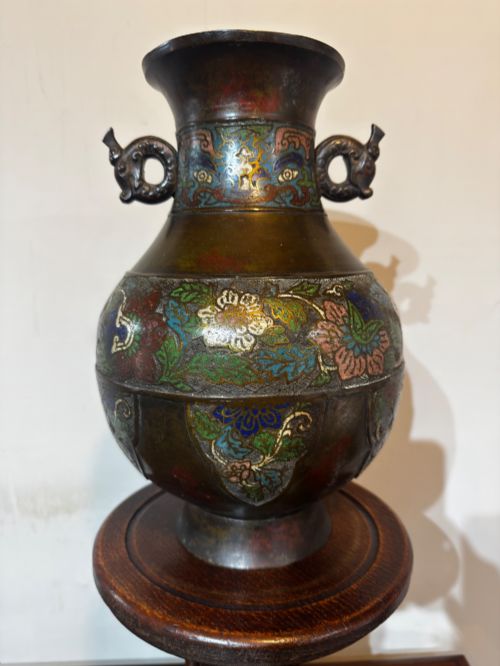
Techniques such as cloisonné involved soldering delicate metal wires to a metal body to form cells for enamel pastes, while champleve required carving troughs into the bronze to hold the coloured pigments before firing.
Chinese Enamel Vase Retail Price Guide 2026
Typical asking prices for chinese enamel vase among the pieces listed under this phrase on Sellingantiques today, from the lower quarter to the upper quarter. They describe what is for sale here now, not the wider market.
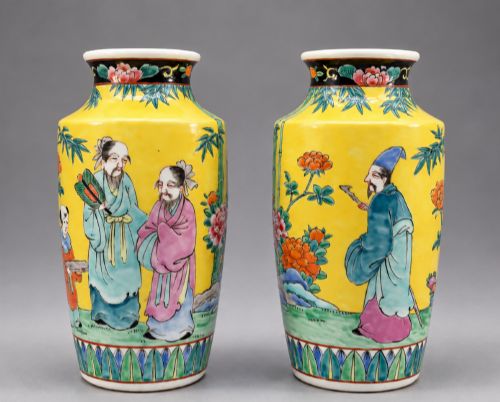
Magu and Shoulao frequently appear sharing a quiet moment on nineteenth-century porcelain, bringing immortal birthday greetings right to the mantelpiece.
What varies in quality
The distinction between standard production and exceptional examples lies in the precision of the hand-painted details and the crispness of the enamel work. Superior pieces display finely delineated botanical and figural scenes with harmonious colour blending across the entire ceramic or metal surface.
The weight of the bronze or copper foundation and the complexity of the wirework in cloisonne items also indicate higher execution standards. Additionally, the presence of original hardwood stands or matching pairs elevates the significance of the pieces within any collection.
The Chinese Enamel Vase Glossary
- Cloisonne
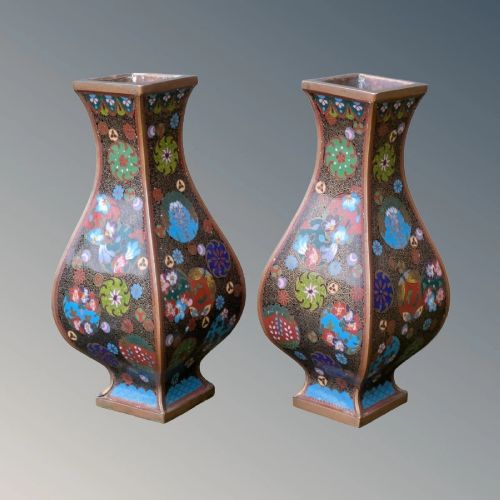
- A decorative metalwork technique where thin wires are soldered to a bronze or copper base to form enclosed cells that are filled with enamel paste and fired. This method creates a distinct cellular pattern across the surface of the vessel.
- Famille Rose
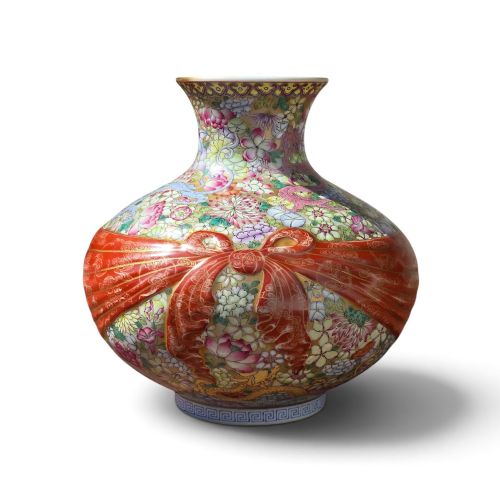
- A palette of opaque enamels introduced in the eighteenth century, dominated by pink and rose shades derived from colloidal gold. The style allows for subtle tonal gradations in floral and figural compositions.
- Champleve
- A method of enamelling where troughs or cells are hollowed out directly into the bronze or copper body and filled with coloured paste. The exposed metal areas are often gilded to contrast with the vibrant enamel.
- Canton
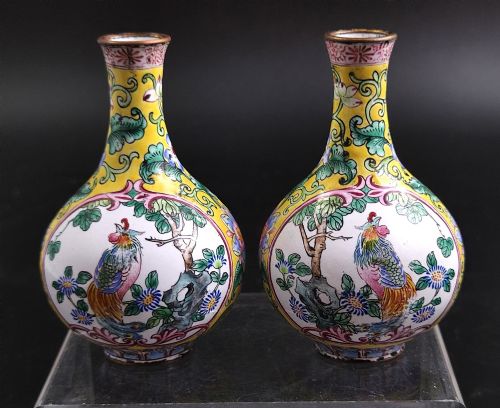
- A term referring to porcelain and enamel goods decorated in the port city of Canton, typically featuring crowded panels of birds, flowers, and figures in bright palettes. These export wares gained immense popularity during the nineteenth century.
- Garniture
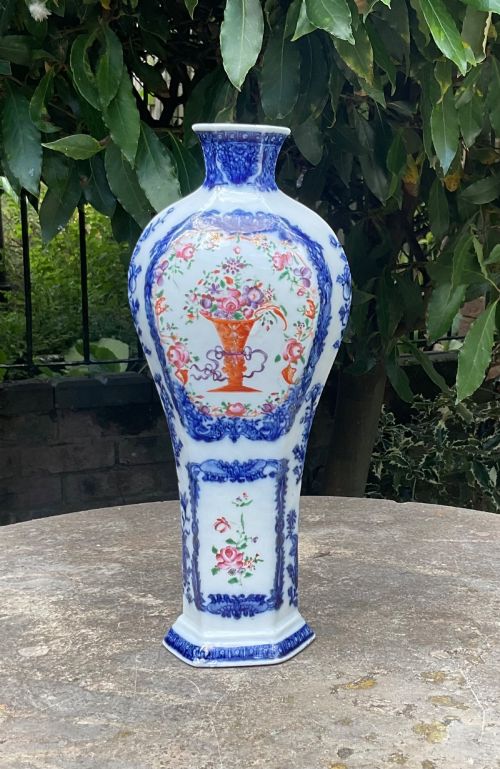
- A set of matching vases and jars designed to be displayed together on a mantelpiece or cabinet top. Such sets often comprise contrasting shapes like baluster vases and beaker-form vessels.
Chinese Enamel Vase: Frequently Asked Questions
How do I date a chinese enamel vase?
Dating relies on observing the stylistic characteristics, baseline materials, and palette choices associated with specific eras like the Qing dynasty or the Republican period. Reign marks provide a helpful indicator, though many later pieces also bear earlier marks in homage to past emperors.
Examining the base and the composition of the enamel helps confirm whether a piece belongs to the eighteenth century or later nineteenth-century revival periods. Comparing the wiring style in cloisonne or the softness of porcelain glazes narrows down the timeline further.
Were these vessels made for export?
Many items produced during the late Qing dynasty and the nineteenth century were specifically created for the Western export market through trade ports like Canton. These pieces often featured elaborate narrative scenes and vibrant floral motifs designed to appeal to European tastes.
At the same time, imperial workshops and domestic kilns produced similar forms for local patronage and court use. The distinction often rests on the specific iconography and the scale of the production.
Can I convert these vases into lamps?
Numerous historical pieces appear mounted as table lamps, incorporating ormolu and brass fittings while retaining their original ceramic or cloisonne bodies. This conversion practice has a long history among collectors who sought to integrate antique vessels into domestic interiors.
Careful wiring allows modern homes to utilise these decorative objects as functional lighting without altering the primary enamel body. Many examples on the market retain these period lamp conversions from earlier decades.
What is the difference between famille rose and famille verte?
Famille rose relies primarily on opaque pink and purple enamels introduced during the Qing dynasty, allowing for soft shading and naturalistic floral depictions. The palette achieves its distinct rosy tones through the use of gold-based pigments.
Famille verte, by contrast, is dominated by translucent green tones alongside iron red, yellow, and blue, creating a more vibrant and contrasting visual effect. Both styles appear across various vessel forms, including ginger jars and baluster vases.