



Yellow Glazed Porcelain
Yellow glazed porcelain pieces bring vibrant citrus and golden tones into a room, offering striking decorative presence across multiple historical periods.
Yellow Glazed Porcelain
Yellow glazed porcelain items encompass a diverse range of decorative and functional objects, from vases and chargers to powder boxes and teacups. When searching for yellow glazed porcelain, buyers encounter everything from Georgian teacups to Art Deco French powder bowls.
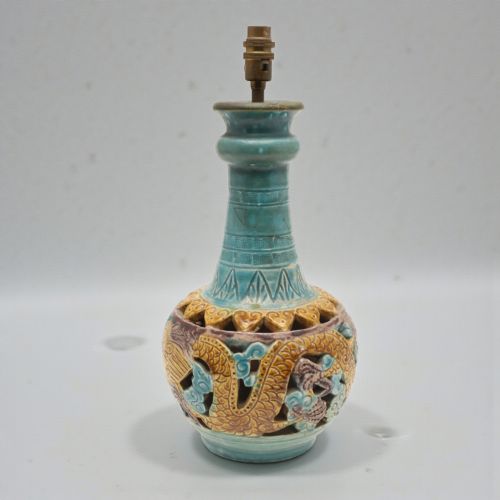
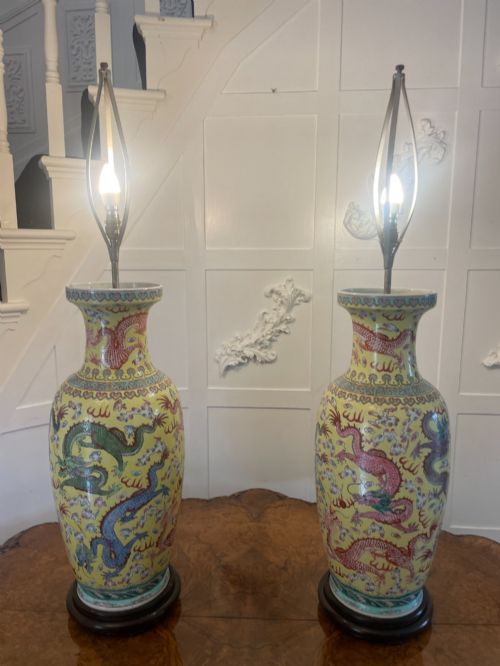
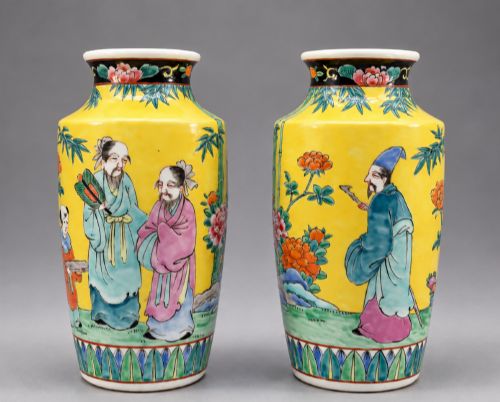
The selections span distinct stylistic traditions, including Chinese Ming and Qing dynasty revivals alongside European Art Deco and Chinoiserie designs. Vases and decorative figures dominate the offerings, frequently incorporating contrasting green, pink, or gold leaf accents upon the yellow ground.
Origins stretch across British, French, and Chinese workshops, uniting varied manufacturing traditions under a shared vibrant colour palette. Buyers meet both grand decorative lamps and intimate trinket boxes within this lively category.
How they were made
Maker workshops utilised fine porcelain and ironstone bodies, shaping them into figures, vessels, and lidded powder boxes before application of the signature glaze. Firing techniques fused the bright surface colours to the ceramic substrate, creating durable decorative surfaces.
Many items incorporate hand-painted enamel details over the yellow ground, depicting exotic birds, figures, or floral motifs. Selected pieces add richness through applied gold leaf accents or multi-coloured sancai glazes.
Yellow Glazed Porcelain Retail Price Guide 2026
Typical asking prices for yellow glazed porcelain among the pieces listed under this phrase on Sellingantiques today, from the lower quarter to the upper quarter. They describe what is for sale here now, not the wider market.
Among the feathered residents, ceramic cockatoos and ducks share shelf space with a theatrical Pierrot powder bowl.
What varies in quality
The crispness of hand-painted enamel details and the evenness of the yellow glaze separate standard production pieces from finer studio and factory outputs. Precision in moulding figural subjects, such as cockatoos or human figures, dictates the refinement of the object.
The integrity of applied gold leaf and the subtlety of colour blending across complex surfaces reflect the skill invested during manufacture. Depth of tone in the glaze provides a visual richness that distinguishes superior examples.
Chamberlain Worcester·T.J Jones·Limoges
The Yellow Glazed Porcelain Glossary
- Porcelain
- A hard, fine-grained ceramic material fired at high temperatures until vitrified. This dense body forms the white base beneath translucent glazes.
- Sancai
- A traditional multi-coloured lead glaze technique producing rich amber, green, and cream effects. Potters often applied these overlapping colours on figures and vessels.
- Ironstone
- A heavy, durable type of British pottery patented to resist chipping and wear. It serves as a robust alternative to porcelain for chargers and tableware.
- Charger
- A large decorative plate displayed on walls or sideboards rather than used for dining. These substantial pieces provide a wide canvas for painted motifs.
- Bonbonniere
- A small ornamental box traditionally made to hold sweets or bonbons. These lidded vessels appear frequently in French Art Deco ceramic production.
Yellow Glazed Porcelain: Frequently Asked Questions
Are these yellow pieces genuinely antique?
The selections span from the Georgian era through Edwardian and Art Deco periods up to the mid-twentieth century.
Each listing identifies its specific historical period based on style, materials, and manufacture.
How do I display a charger plate?
Large charger plates suit display on specialist wall brackets or sturdy stands on sideboards.
Their broad surfaces allow the painted yellow ground and bird motifs to function as wall art.
What is an Art Deco powder box?
French powder boxes from the 1930s served boudoir dressing tables for holding cosmetic powder.
These lidded ceramic bowls frequently feature figural tops, including Pierrots and ladies, finished in bright glazes.
How do Chinese styles influence these items?
Several pieces adopt Ming and Qing dynasty aesthetics, featuring yellow ground colourways paired with green enamels or figural subjects.
European makers frequently reinterpreted these classical Asian forms during the early twentieth century.