


Chinese Export Dishes
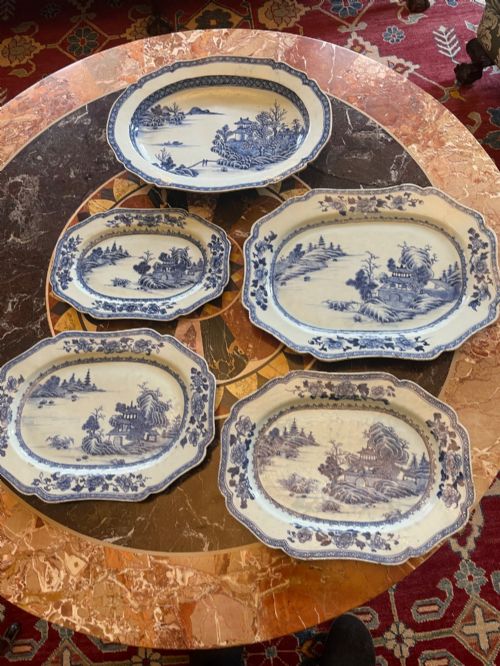
Chinese export dishes range from seventeenth-century Kraak chargers to eighteenth-century famille rose plates, offering the collector centuries of kiln-fired artistry.
Chinese Export Dishes
Chinese export dishes encompass plates, platters, chargers, and bowls produced in the East for Western markets across the seventeenth, eighteenth, and nineteenth centuries.
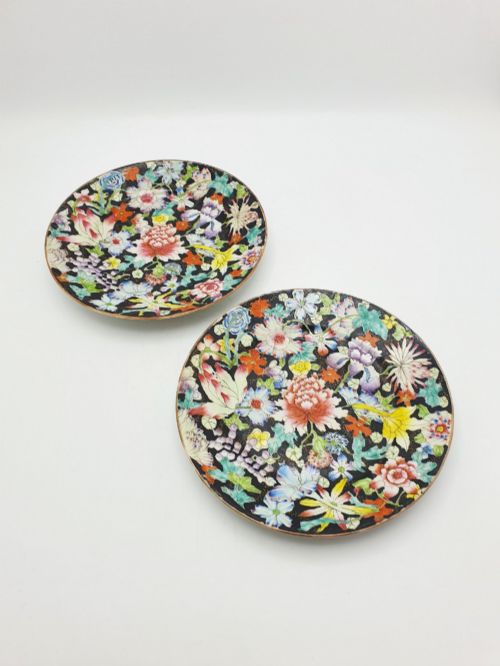
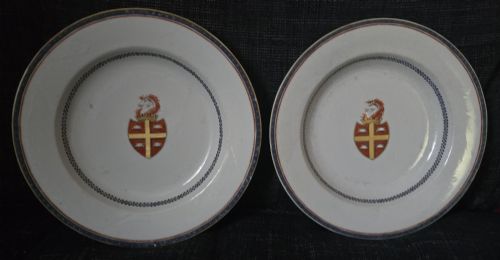
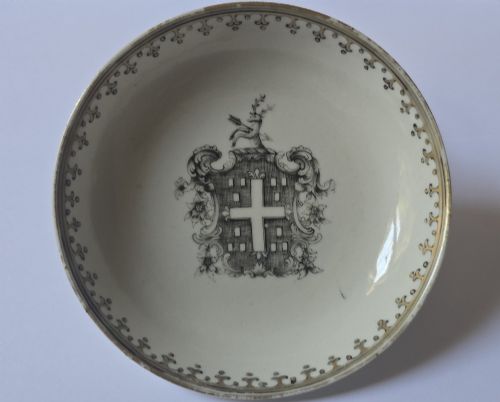
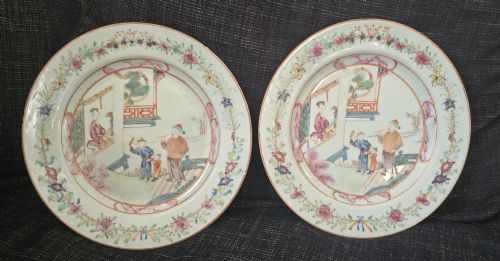
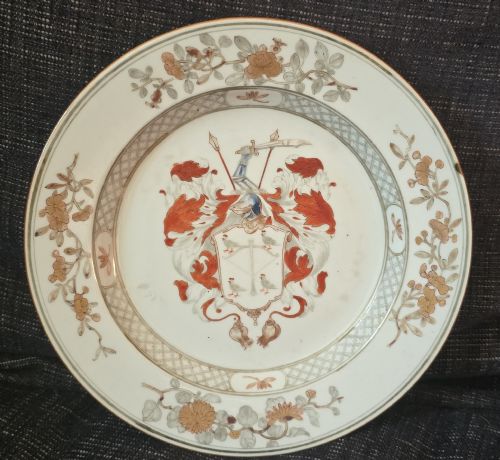
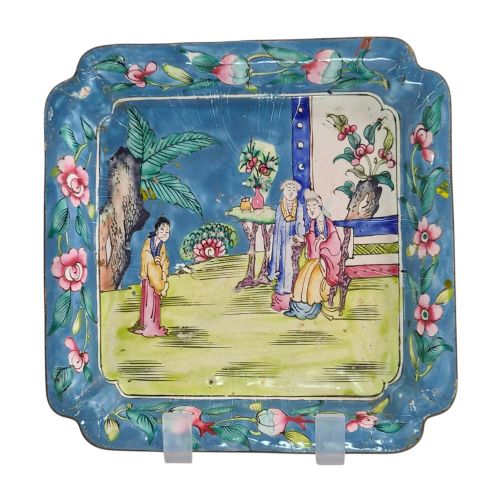
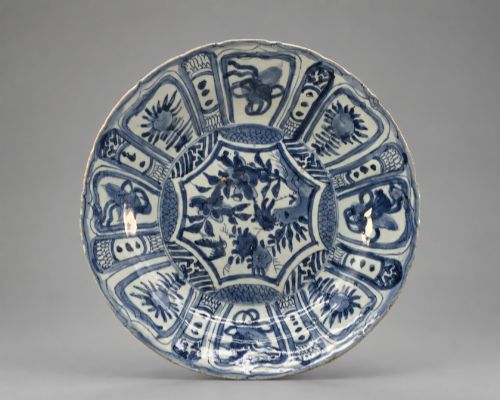
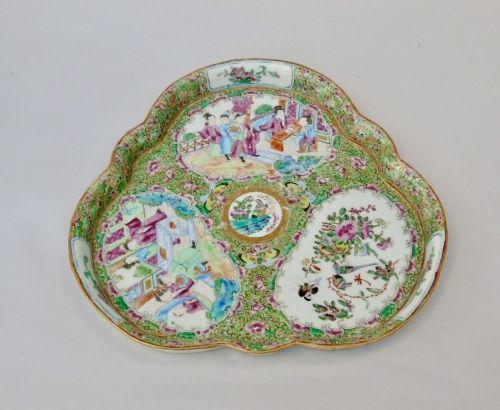
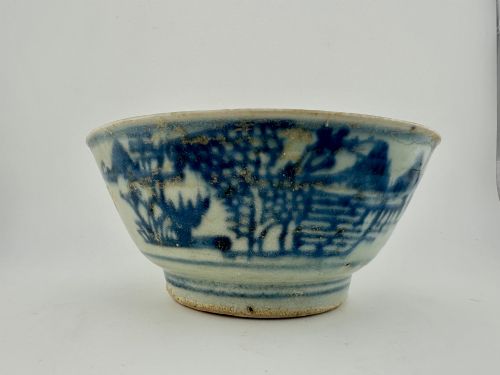
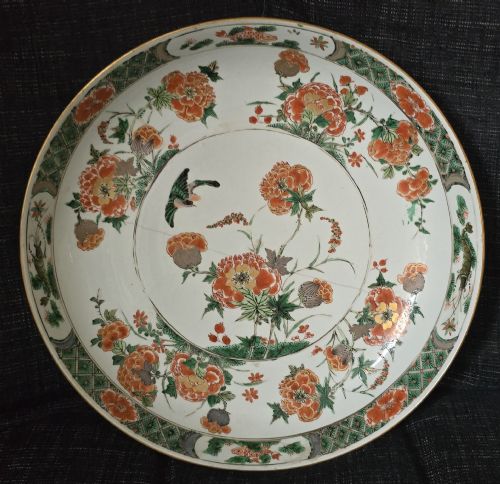
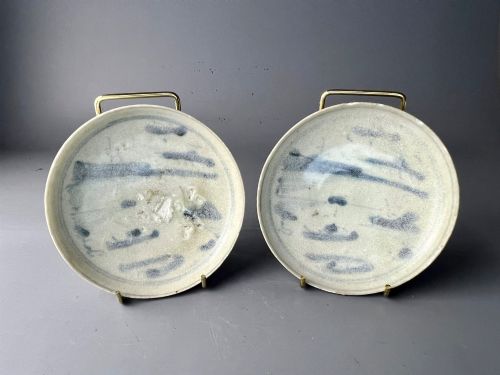
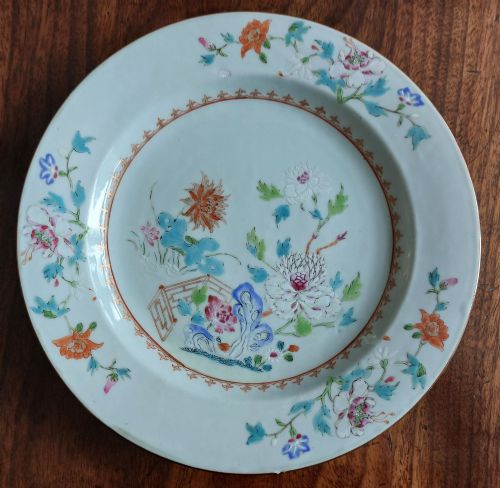
The buyer meets many variations on this page, including blue and white Kraak porcelain, armorial plates bearing European family crests, and vibrant famille rose or Canton enamel wares.
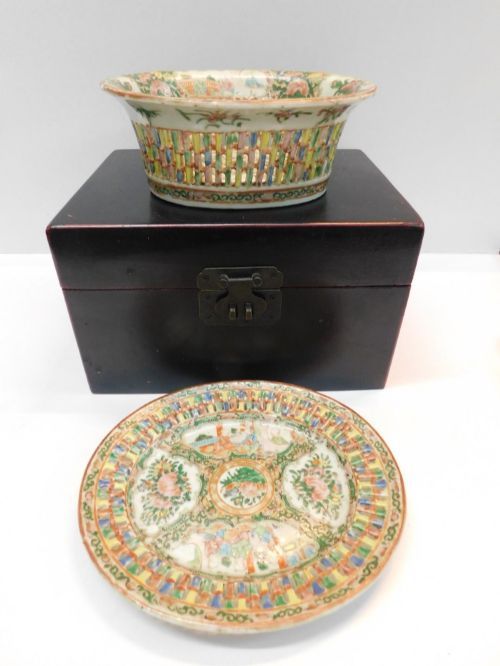
Forms extend from simple lobed bowls and trefoil dishes to large serving platters and reticulated chestnut baskets with stands.
Materials and Techniques
Potters relied primarily on hard-paste porcelain shaped into plates and bowls, decorated using cobalt underglaze or overglaze enamel pigments.
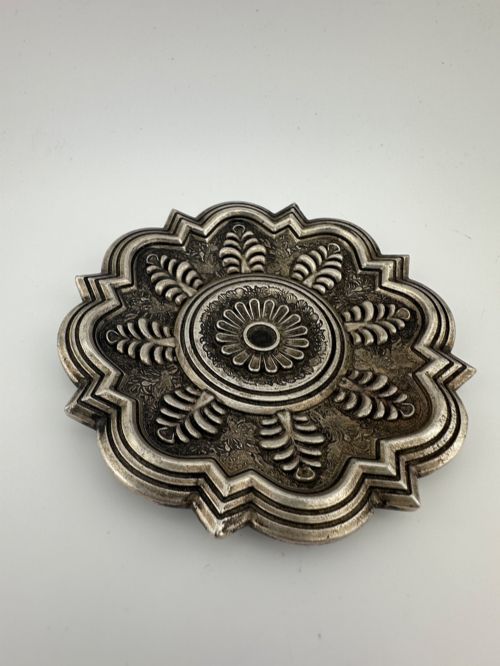
Advanced ornamentation frequently incorporated gold leaf, gilding, and copper or white metal mounts to suit European tastes.
Chinese Export Dishes Retail Price Guide 2026
Typical asking prices for chinese export dishes among the pieces listed under this phrase on Sellingantiques today, from the lower quarter to the upper quarter. They describe what is for sale here now, not the wider market.
Listings feature hard-paste porcelain, white metal, and enamel materials spanning the Ming dynasty to the twentieth century.
Artistic Merit and Execution
Quality rests in the crispness of the cobalt painting, the precision of the overglaze enamelling, and the complexity of the form, such as scalloped edges or reticulated basketwork.
Armorial pieces with documented heraldry or items associated with known shipwreck cargoes command attention through historical provenance alongside artistic execution.
Lee Yee Hing
The Chinese Export Dishes Glossary
- Kraak porcelain
- Early Chinese export porcelain characterised by panelled blue and white decoration, typically produced during the Ming and transitional periods. It is frequently recovered from maritime shipwrecks.
- Famille rose
- A polychrome ceramic palette introduced in the eighteenth century, dominated by opaque pink enamel derived from colloidal gold. This palette allowed for subtle tonal gradations in floral and figural scenes.
- Armorial porcelain
- Custom-ordered dinner services painted with European family coats of arms. These pieces were commissioned by foreign merchants and aristocracy.
- Imari
- A style of ceramic decoration combining underglaze blue with overglaze iron red and gold, originating in Japan but widely imitated in Chinese export kilns. The resulting aesthetic is dense and colourful.
- Reticulated
- Pierced or openwork ceramic design forming a lattice or basket pattern. This technique required high skill during the drying and firing stages to prevent warping.
Chinese Export Dishes: Frequently Asked Questions
How do I date Chinese export porcelain?
Dating relies on stylistic shifts in the painting, the composition of the porcelain body, and reign marks when present. Comparing palette details against established periods from the seventeenth to nineteenth centuries helps narrow the era.
Changes in shipping cargo documentation and European trade patterns also provide reliable temporal markers for specific dishes and platters.
What is the difference between Kraak and Canton wares?
Kraak porcelain dates primarily to the sixteenth and seventeenth centuries, featuring distinct panelled borders and cobalt blue designs. Canton ware typically emerges in the nineteenth century with dense, colourful famille rose enamels.
Both serve different aesthetic roles in a collection, representing distinct eras of trade between China and the West.
How were these dishes used historically?
Many of these pieces functioned as high-status tableware for dining tables across Europe, displaying wealth through imported porcelain. Armorial services specifically served to signal elite status during formal meals.
Other forms, such as trinket dishes and small bowls, sat on side tables or cabinets purely for decorative display.
How do I care for antique porcelain dishes?
Antique porcelain requires gentle hand washing in lukewarm water with mild soap, avoiding abrasive sponges or modern dishwashers. Metal mounts and gilt surfaces need particular care to prevent tarnishing or loss of leaf.
Display them securely on stable surfaces away from high-traffic areas to protect fragile edges and reticulated rims.