
Chinese Export Blue White
Chinese export blue white comprises porcelain vessels made for Western markets, prized for cobalt decoration.
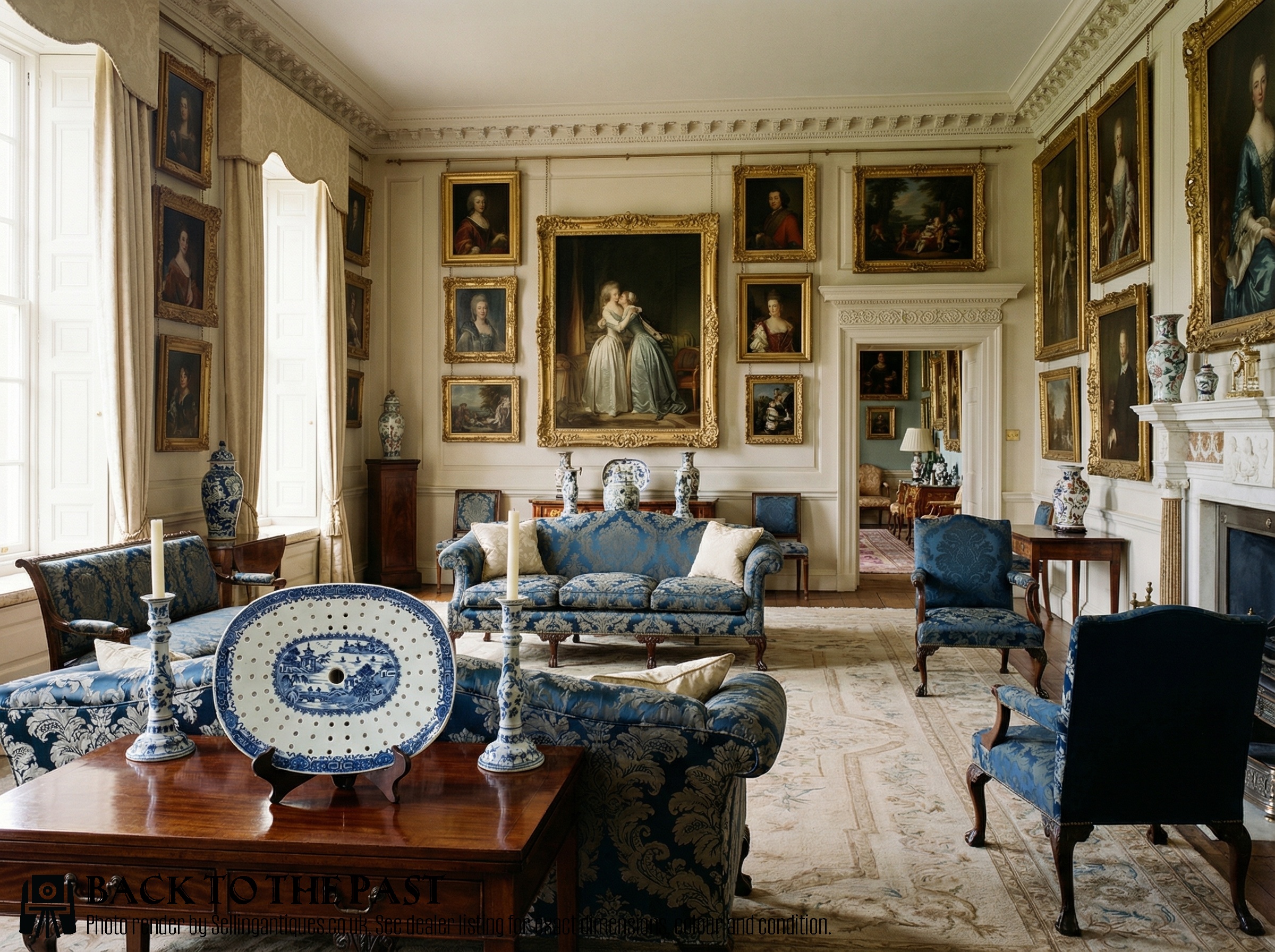
Chinese Export Blue White
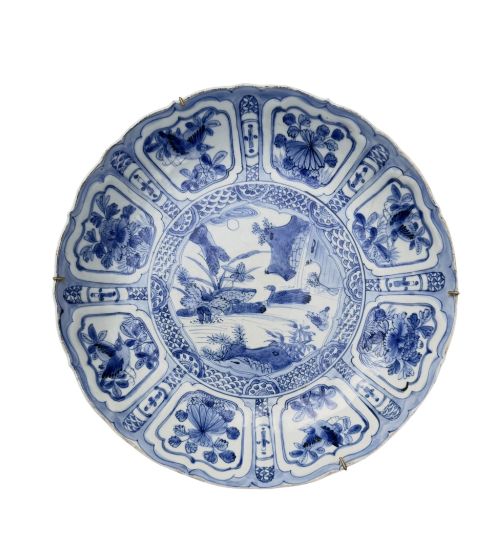
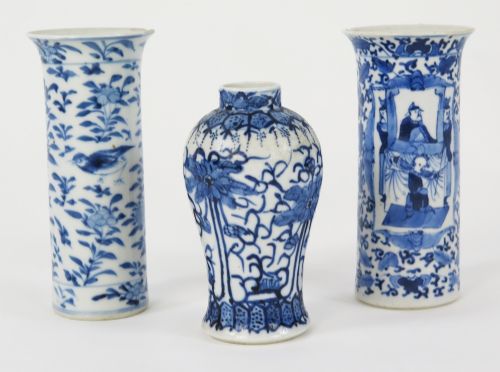
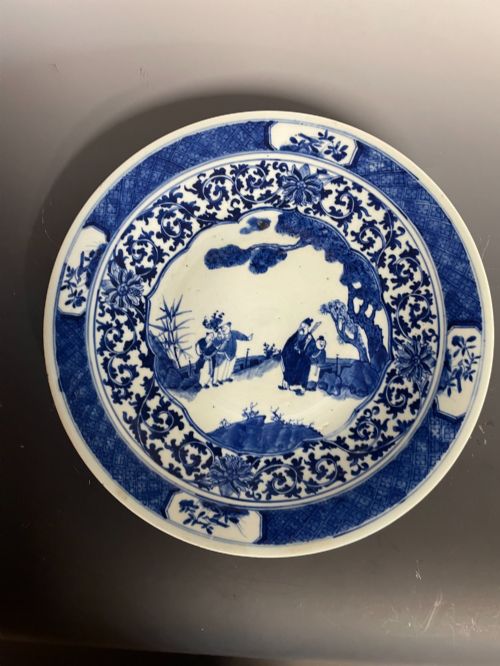
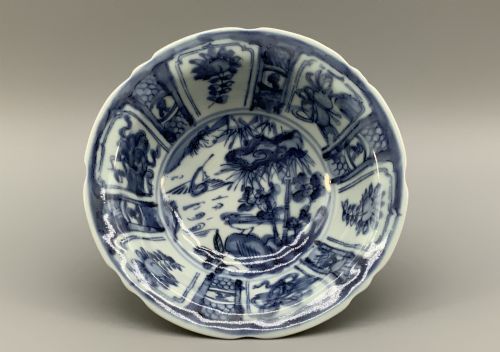
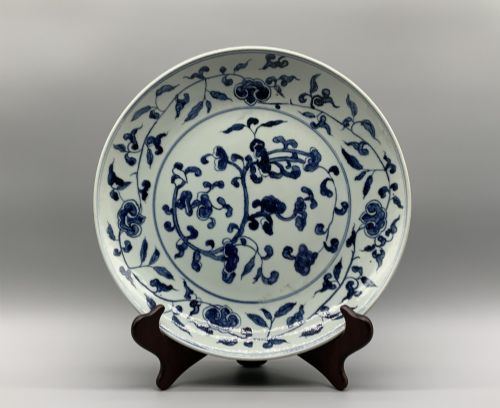
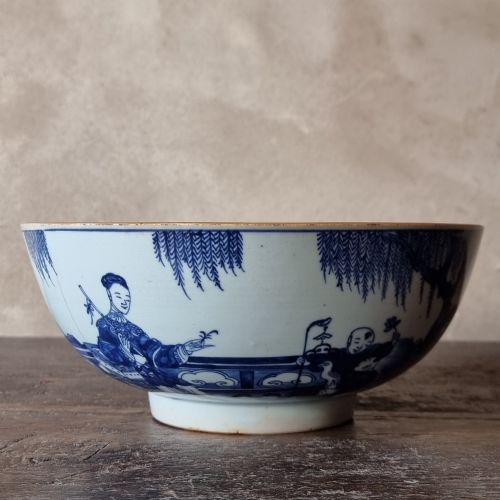
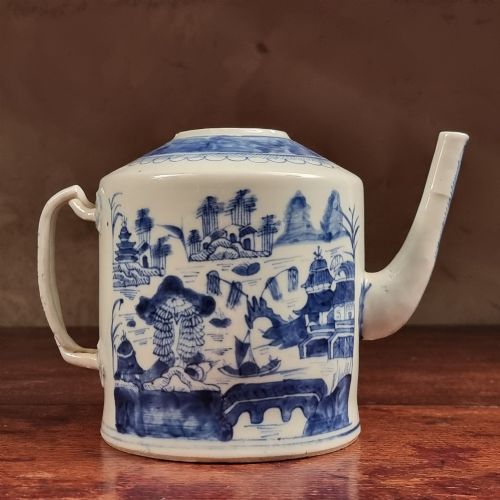
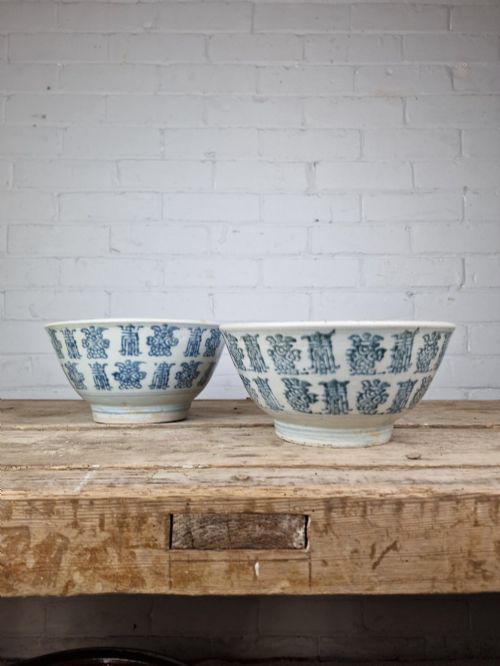
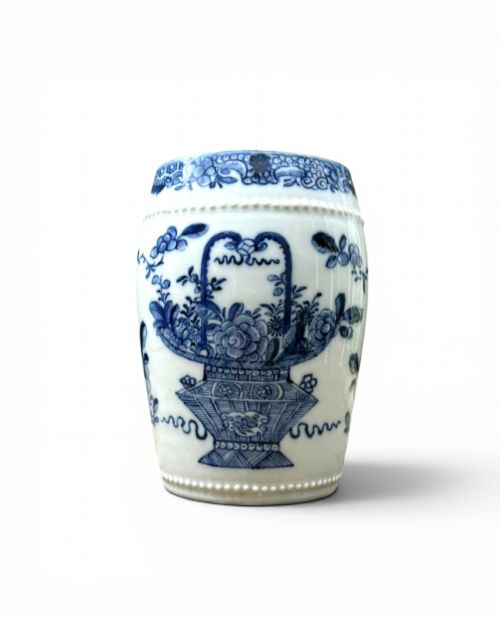
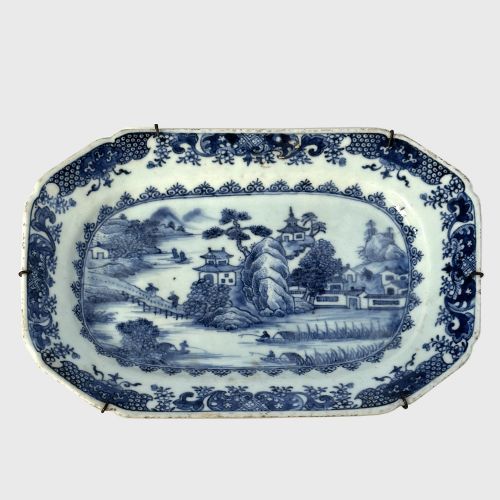
Chinese export blue white items span centuries of production, featuring forms ranging from large chargers and punch bowls to delicate teapots and serving platters. Buyers frequently encounter pieces originating from the Ming, Qing, and Kangxi periods alongside later 19th-century interpretations.
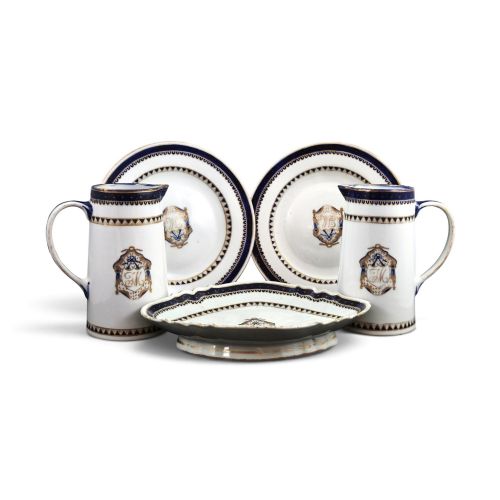
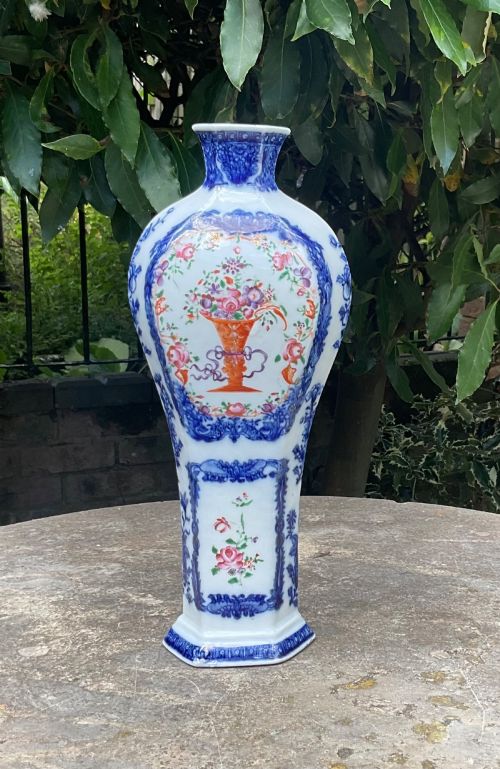
The selection includes utilitarian vessels and decorative objects such as vases, tureens, and baskets. Provincial pieces and finely monogrammed services represent the diverse output created specifically for international trade.
Materials and technique
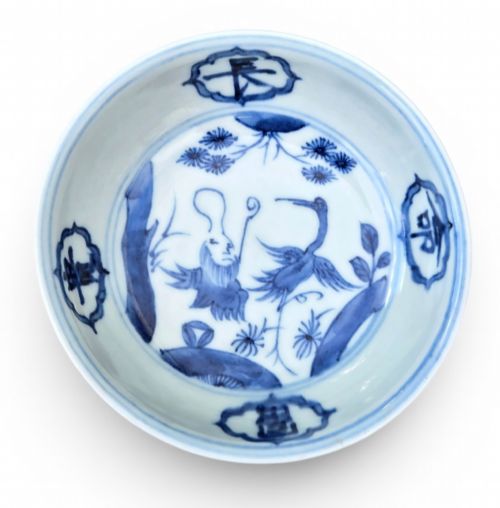
Potters shaped ceramic and porcelain bodies before applying cobalt pigment beneath a clear glaze. Firing at high temperatures fused the cobalt underglaze to produce the characteristic deep blue decoration.
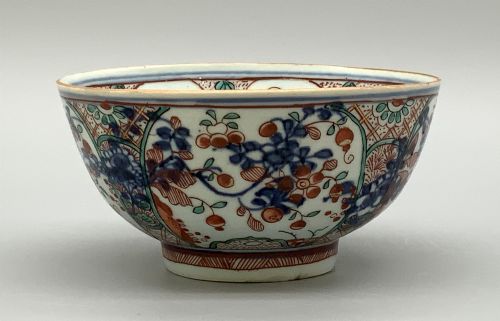
Selected works incorporate additional details through enamel and gold leaf applied over the glaze. Cobalt glaze and pigment define the primary aesthetic across the majority of surviving vessels.
American eagles and private monograms rub shoulders with traditional Chinese dragons on vessels built for global travel.
Quality and execution
The precision of the cobalt underglaze painting dictates visual depth, separating rapid commercial output from controlled brushwork on fine chargers and dishes. Superior potting exhibits balanced proportions and refined throwing lines across bowls, vases, and tureens.
Early periods command attention through the vibrancy of the pigment and the purity of the porcelain body. Condition and historical marks further distinguish standard export wares from exceptional surviving examples.
The Chinese Export Blue White Glossary
- Cobalt Underglaze
- A blue pigment applied to the unglazed ceramic body before firing and glazing. This technique protects the pigment beneath a glossy layer.
- Kangxi Period
- An era spanning the late 17th and early 18th centuries known for vibrant cobalt tones. Pieces from this time often display complex pictorial scenes.
- Swatow Ware
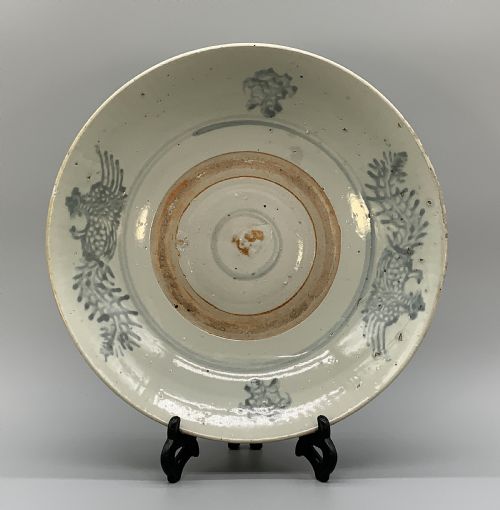
- A category of coarse 16th and 17th-century Chinese provincial porcelain. These wares typically feature spontaneous brushwork and sandy bases.
- Charger
- A large ceremonial or decorative plate used for serving food. They frequently form the centerpiece of antique dinner services.
- Tureen
- A deep covered vessel designed for serving soups or stews at the table. Matching stands often accompany these functional forms.
Chinese Export Blue White: Frequently Asked Questions
What is Chinese export blue white?
Chinese export blue white refers to porcelain made in China specifically for Western export markets from the Ming dynasty onwards. These items combine traditional Chinese forms and motifs with shapes tailored for European dining and display.
Craftsmen utilised cobalt pigment under a clear glaze to create durable vessels ranging from punch bowls to platters. This trade connected Eastern kilns with international households over several centuries.
How were these porcelain pieces used?
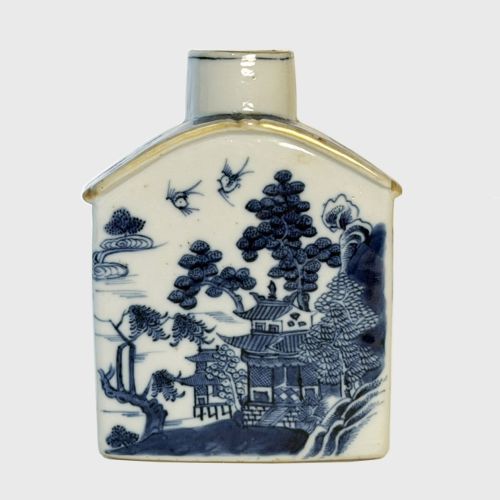
Many of these vessels served practical functions in elite European dining rooms, including tureens for soup, platters for meat, and bowls for punch. Smaller items like tea caddies and teapots facilitated the growing consumption of imported tea.
Other objects remained purely decorative, such as large chargers displayed on walls or bottle vases placed on mantelpieces. The combination of utility and artistry made them staples of upper-class interiors.
How do I care for antique porcelain?
Antique porcelain requires gentle handling and should be washed by hand in lukewarm water using mild soap. Avoid abrupt temperature changes to protect the historic glaze and body.
Display items away from direct sunlight and heavy foot traffic to prevent accidental knocks. Stable shelving ensures these fragile ceramic pieces survive safely.
How can I tell the period of a piece?
Dating relies on examining the characteristics of the porcelain body, the tone of the cobalt blue, and the painting style. Certain motifs and base marks correspond directly to specific imperial reigns like the Kangxi or Qianlong periods.
Form and potting techniques also provide clues, as earlier Ming and Qing items differ noticeably from 19th-century revivals. Comparing pieces against documented examples helps confirm their era of production.