


Blue White Ming Bowl
A blue white ming bowl brings centuries of imperial kiln mastery into your home through vibrant cobalt painting beneath a clear glaze.
Blue White Ming Bowl
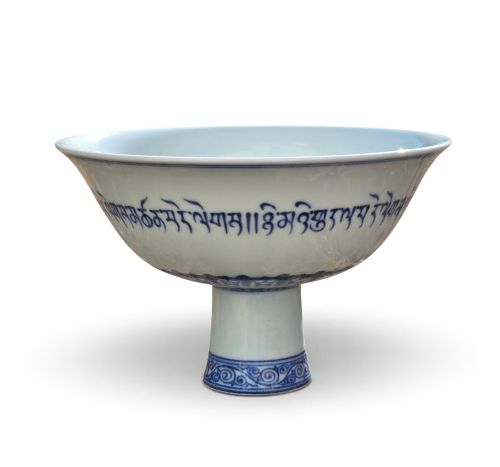
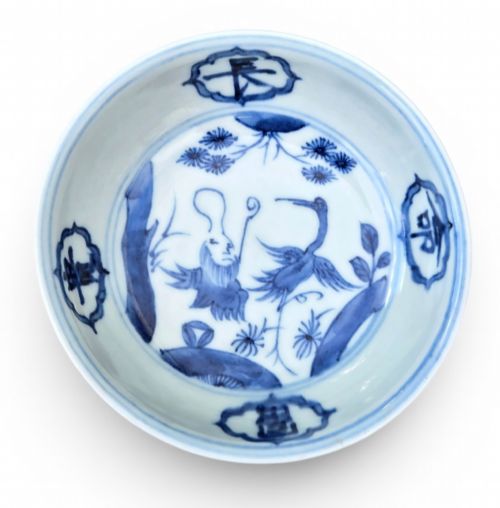
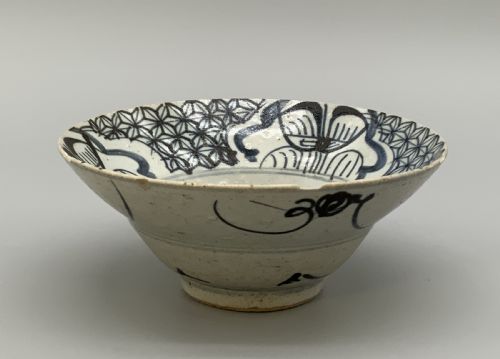
When you examine a blue white ming bowl, you encounter vessels shaped from ceramic and porcelain that range across the sixteenth, seventeenth, and nineteenth centuries. These pieces appear as decorative bowls, punch bowls, deep saucer-dishes, and stem cups carrying deep historical significance.
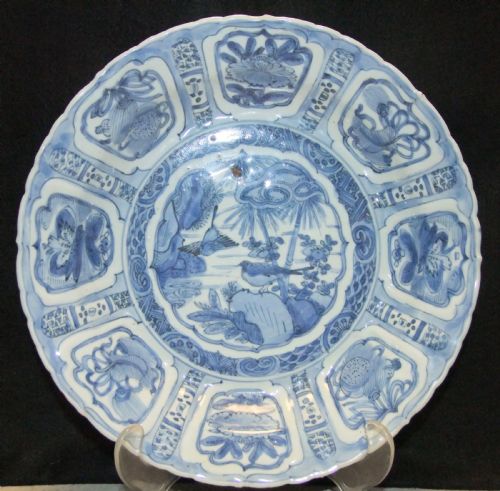
The objects frequently display stylistic roots in the Ming dynasty and Chinese imperial traditions, often identified by specific forms like Kraak klapmuts bowls and Swatow chargers. You will find that these items encompass utilitarian serving vessels as well as scholar's items such as brush washers.
Most examples hail from distinct historical windows, including the Wanli period and the wider sixteenth and seventeenth centuries, though nineteenth-century interpretations also surface. Each specimen links the collector directly to historic Asian ceramic centres through traditional motifs like phoenixes, peonies, and figures.
How They Were Made
Potters built these vessels using ceramic and porcelain bodies, applying cobalt pigment and cobalt blue glaze directly to the raw clay before firing. This cobalt underglaze technique required immense precision from the artisans to prevent the vibrant blue pigment from bleeding during the high-temperature kiln process.
A protective layer of transparent glaze then sealed the cobalt decoration, producing a smooth surface finish that protected the painted motifs for centuries. Artisans working in Chinese imperial kilns and regional production centres mastered this combination of mineral pigments and vitreous coatings to achieve their characteristic appearance.
Current site listings feature porcelain and ceramic pieces utilising cobalt glaze across the sixteenth, seventeenth, and nineteenth centuries.
What Varies in Quality
Quality rests primarily on the clarity and depth of the cobalt underglaze painting, where finer pieces display crisp brushwork rather than hazy pigment spread. The control over the cobalt pigment reveals the skill of the original workshop and the discipline of the kiln master.
The sophistication of the ceramic body and the uniformity of the glaze also separate ordinary vessels from superior examples. Superior potting reveals itself in balanced proportions, refined throwing rings, and the harmonious integration of form and ornament.
The Blue White Ming Bowl Glossary
- Cobalt Underglaze
- Pigment applied to the ceramic body before the application of glaze and subsequent firing. This technique protects the blue decoration beneath a glassy surface for centuries.
- Kraak Porcelain
- Chinese export porcelain characterised by panelled borders and central landscape or animal motifs. It emerged strongly during the Wanli period.
- Swatow
- A term for southern Chinese coastal wares shipped across Asia, known for robust bodies and freely painted cobalt decoration. These pieces often exhibit firing scars from stacking in the kiln.
- Stem Cup
- A drinking vessel elevated on a tall, hollow foot rather than a flat base. This archaic form dates back centuries in Chinese ceramic history.
- Klapmuts
- A specific Dutch-influenced term for bowl forms with wide, everted rims produced during the Wanli period. They were frequently exported to European markets.
Blue White Ming Bowl: Frequently Asked Questions
How are these bowls dated?
Dating relies on stylistic markers, potting characteristics, and historical context rather than single indicators. Experts examine the handling of the cobalt pigment, the foot ring formation, and traditional motifs.
Changes in kiln technology and imperial tastes across the sixteenth and seventeenth centuries left distinct fingerprints on each generation of ceramics. Comparing pieces to dated excavations and museum archives helps establish their precise era.
Can I use these bowls daily?
These antique ceramic vessels require careful handling due to their age and historical importance. Most collectors prefer to display them securely rather than subject them to modern dining use.
Gentle maintenance involves simple dusting and avoiding harsh cleaning agents that might compromise the historic glaze. Proper placement away from high-traffic edges ensures these fragile objects remain protected.
What is Kraak porcelain?
Kraak porcelain refers to a specific type of Chinese export ware featuring characteristic panelled decorations around the rim. These pieces typically display central motifs of flowers, birds, or auspicious symbols.
Traded globally during the late Ming dynasty, these vessels earned renown for their vibrant cobalt blue painting and resonant ceramic body. They represent a major milestone in maritime trade and cross-cultural exchange.
Why is the blue sometimes blurry?
A blurred cobalt effect usually stems from the chemical interaction between the pigment and the heat of the kiln. High temperatures caused the cobalt to diffuse slightly into the surrounding glaze.
This characteristic varies depending on the purity of the cobalt pigment and the specific firing conditions of the kiln. Rather than a flaw, many collectors view this diffusion as evidence of authentic historical production methods.