




Ming Dynasty Porcelain Bowl
These ming dynasty porcelain bowl examples span centuries of kilnwork, bringing imperial craft and maritime trade directly to your table.
Ming Dynasty Porcelain Bowl
A ming dynasty porcelain bowl represents centuries of historical ceramic production, encompassing robust export wares and delicate imperial items. Buyers searching this phrase encounter functional vessels and decorative dishes that reflect the aesthetic priorities of their respective periods.
Swatow bowls and Kraak klapmuts variants appear regularly amongst these listings, demonstrating the breadth of forms exported during the period. Collectors will also find charger plates and stem cups alongside standard decorative bowls.
Assessing Quality
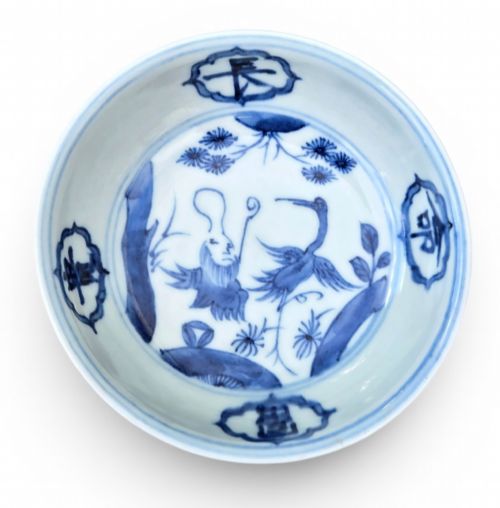
Quality in these ceramics rests upon the clarity of the cobalt pigment and the precision of the brushwork applied to the porcelain body. Superior examples exhibit deep, controlled blue tones without blurring, whereas lesser pieces display muddy or bleeding underglaze lines.
The refinement of the porcelain paste and the consistency of the glaze application further distinguish individual pieces. Expert potting produces balanced walls and stable forms, while surface imperfections and kiln anomalies separate standard commercial cargo output from higher-status production.
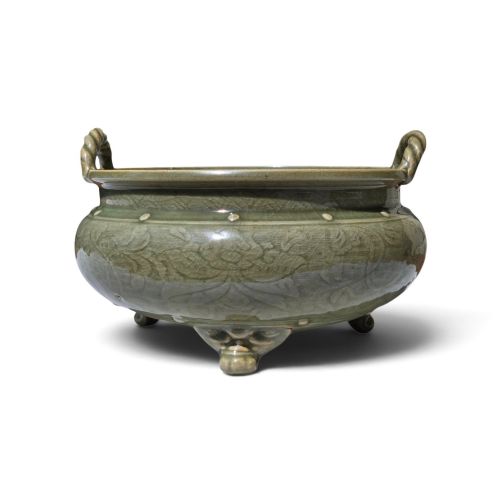
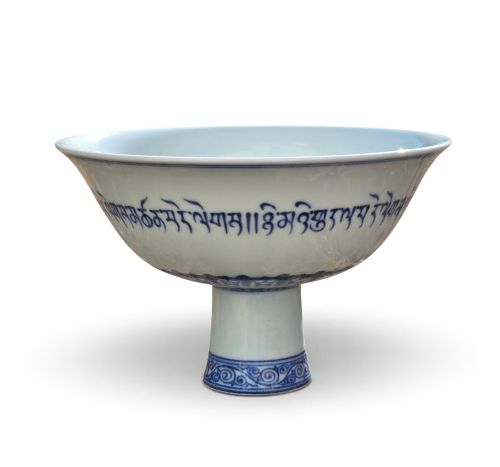
Object types include incense burners, stem cups, brush washers, punch bowls, and deep saucer-dishes spanning multiple dynasties and revival styles.
The Ming Dynasty Porcelain Bowl Glossary
- Kraak porcelain
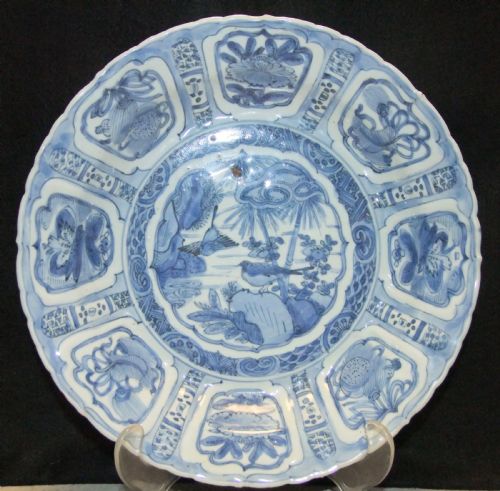
- A type of Chinese export porcelain characterised by panelled decoration and produced mainly during the Wanli period. These wares frequently display floral and aquatic motifs arranged in distinct segments around the interior well.
- Swatow
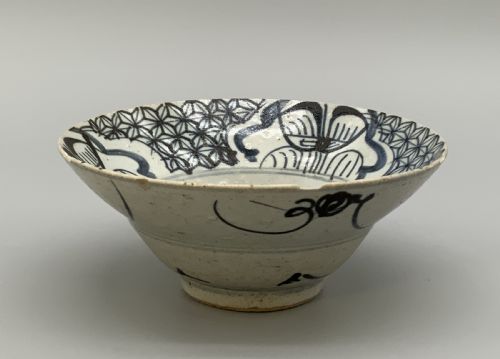
- A classification of Chinese export ceramics made in southern kilns for overseas markets during the late sixteenth and seventeenth centuries. They typically feature bold, spontaneous painted designs under a heavy glaze.
- Celadon
- A term for ceramics featuring a pale green or grey-green jade-like glaze applied over a stoneware body. The colour results from iron oxide in the glaze reacting during a reduction firing.
- Blanc de chine
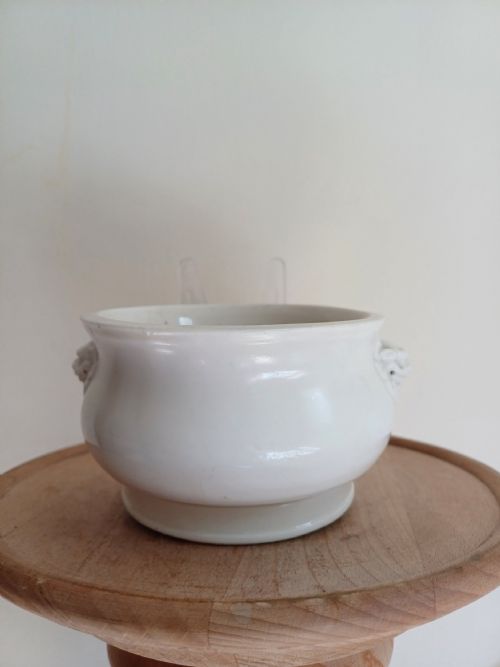
- A white porcelain produced at Dehua in Fujian province, known for its creamy ivory glaze and smooth body. This ware was often utilised for religious figures and censers.
- Doucai
- A decorative technique combining underglaze blue outlines with overglaze enamel infill. The pieces are fired twice to set both the cobalt and the subsequent coloured enamels.
- Stem cup
- A drinking vessel raised on a tall, hollow foot rather than a flat base. This form has a long history in Chinese ceramics, originating in metalwork prototypes.
Ming Dynasty Porcelain Bowl: Frequently Asked Questions
How do I date a Ming bowl?
Dating relies on stylistic markers, potting characteristics, and historical context rather than a single definitive feature. Comparing the cobalt shade and decorative motifs against dated excavated examples helps establish the period.
Export wares often display specific characteristics like thickened rims or grit adhering to the base from kiln sands. These physical traits align with the maritime trade routes and production methods of the sixteenth and seventeenth centuries.
What is a Kraak klapmuts bowl?
A Kraak klapmuts is a specific type of shallow export bowl featuring an everted, flanged rim. The term derives from Dutch descriptions of European brimmed hats that shared a similar profile.
These pieces were manufactured in large quantities during the Wanli period for export to European markets via Dutch trading companies. Their distinctive panelled walls made them popular tablewares among wealthy merchants.
Were these bowls used for dining?
Many surviving pieces served functional roles in households, ranging from communal punch bowls to everyday serving vessels. Export cargo bowls were packed tightly into merchant ships for long-distance transport to buyers across Asia and Europe.
Larger charger plates and deep dishes were designed for food presentation at formal banquets. Over time, many transitioned from utilitarian items to decorative cabinet pieces collected for their historical value.
What is the difference between Swatow and Kraak?
Swatow ceramics generally feature looser, more expressive brushwork painted in a thicker cobalt pigment under an often crackled glaze. They were produced in provincial southern kilns primarily for Southeast Asian and Japanese markets.
Kraak wares display a more disciplined, compartmentalised design layout with meticulous panel borders. They were mass-produced for maritime export to Europe, displaying finer potting and more controlled cobalt painting.