
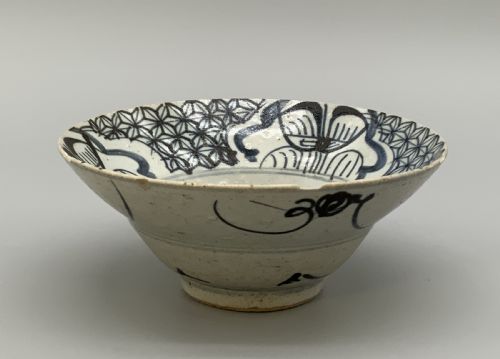


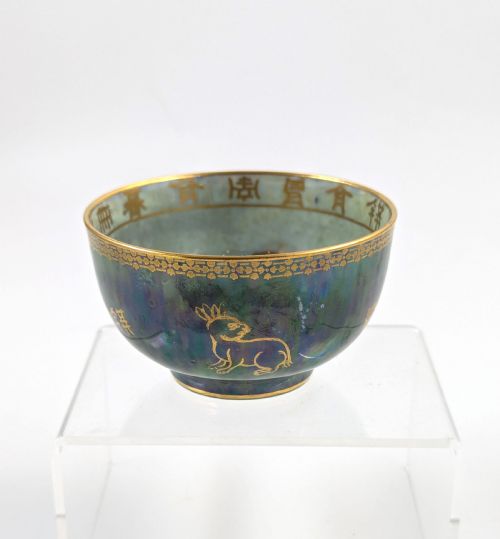


Antique Chinese Pottery Bowl
An antique chinese pottery bowl carries centuries of kiln history, from early terracotta to Ming celadon.
Antique Chinese Pottery Bowl
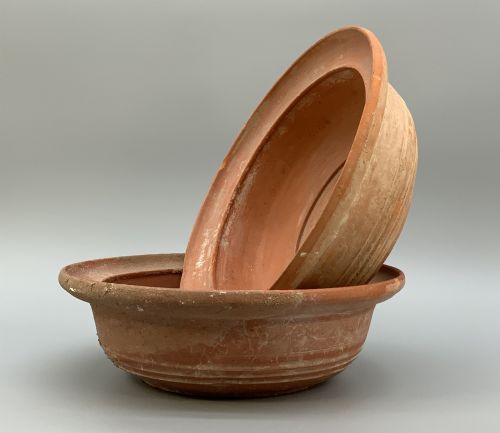
When you search for an antique chinese pottery bowl, you encounter objects spanning centuries of Asian ceramic tradition, from Han dynasty red pottery to Qing porcelain. The examples on this page cover domestic wares and export pieces, crossing eras from the Song and Ming dynasties through to later periods.
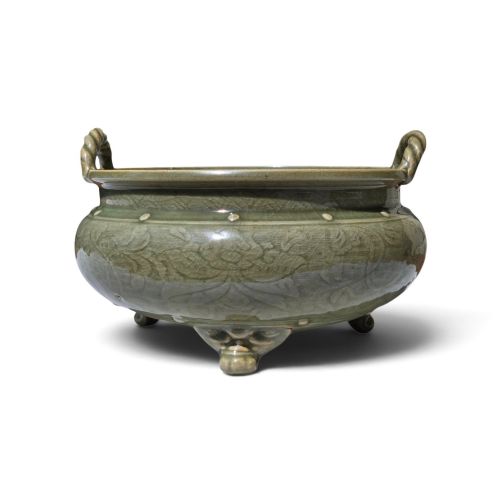
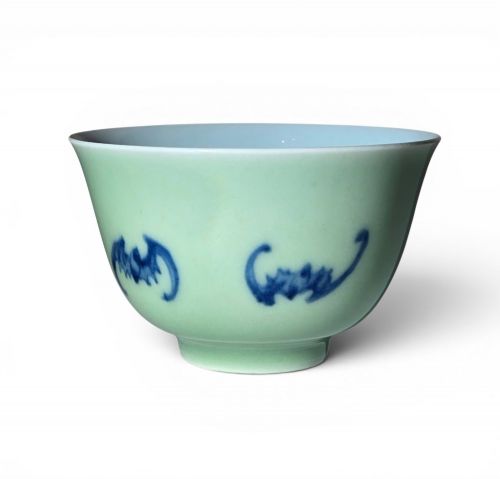
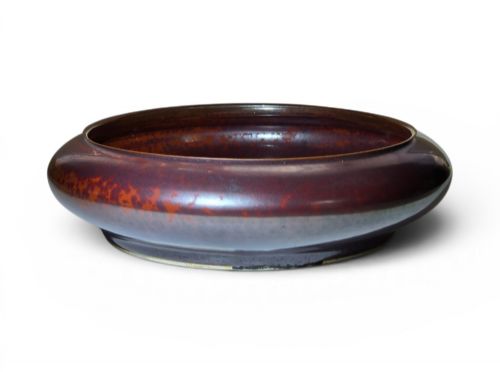
Most entries are utilitarian vessels scaled for the table or scholar's desk, taking the form of open bowls, deep basins, or lidded jars. Glazes define the surface, running from celadon and cobalt blue to iron rust and crackle effects.
Early periods like the Han and Song offer earthenware and celadon glazed stoneware, while later centuries bring cobalt decorated porcelain and enamel work. Each piece reflects the aesthetic and material standards of its specific dynasty or era of production.
Materials and technique
Potters shaped these vessels from local clays, terracotta, and high-fired porcelain, applying mineral glazes before placing the pieces in wood-burning kilns. Celadon and cobalt glazes required precise temperature control to achieve the characteristic green tones or deep blue underglaze decoration.
Incised motifs appear beneath translucent glazes on stoneware bodies, while other pieces rely on surface enamels applied over the fired white paste. Crackle finishes and iron rust effects emerged from deliberate kiln atmospheres and specialised chemical compositions in the glaze mixtures.
The listings span from pre-sixteenth-century Han pottery and Song celadon through Ming and Qing dynasties to Edwardian revival works.
Variations in quality
Quality rests in the precision of the throw, the purity of the clay body, and the depth of the glaze. Superior examples show confident potting with balanced proportions and controlled glaze application free from accidental kiln flaws.
Artistic execution on the surface distinguishes standard utility wares from pieces made for court use or export markets. Fine incising, crisp underglaze cobalt painting, and well-preserved enamel pigments indicate a higher tier of ceramic production.
Daisy Makeig-Jones·Wedgwood
The Antique Chinese Pottery Bowl Glossary
- Celadon
- A transparent green glaze over a pale grey or white stoneware body, often crackled or carved with floral motifs.
- Kraak
- A type of Chinese export porcelain produced mainly in the Wanli period, typically decorated in underglaze blue with segmented panel borders.
- Swatow
- A classification of late Ming dynasty export porcelain and coarse stoneware made in Fujian province, often featuring freely painted cobalt designs.
- Qingbai
- A bluish-white glaze applied to fine porcelain bodies, originating in the Song dynasty and showing translucent qualities.
- Censer
- A vessel designed for burning incense, frequently supported on three feet and produced in bronze, porcelain, or celadon-glazed stoneware.
Antique Chinese Pottery Bowl: Frequently Asked Questions
How do I date an antique chinese pottery bowl?
Dating relies on the combination of clay body, glaze type, and decorative motifs characteristic of specific dynasties or reigns. Comparing the potting style and foot rim formation to documented pieces provides further chronological guidance.
Changes in cobalt pigments and kiln technology also help narrow down the period of manufacture. Marked pieces often reference imperial reign periods, though these require careful verification against stylistic evidence.
What is the difference between pottery and porcelain?
Pottery generally refers to porous earthenware and stoneware bodies fired at lower or moderate temperatures. Porcelain uses refined kaolin clay fired at extremely high temperatures to produce a vitreous, non-porous material.
Porcelain rings when struck and appears translucent under strong light, whereas pottery remains opaque and heavier in the hand. Both categories appear across different dynasties in Chinese ceramic history.
How were these bowls used historically?
Many bowls served practical daily functions for dining, drinking tea, or storing liquids in domestic settings. Larger basins and jars held water or dry goods, while specialised forms like censers stood on scholar's desks for burning incense.
Export wares travelled across maritime trade routes to European and Asian markets for display or table service. Scholar's pieces played a contemplative role in traditional Chinese studies alongside ink stones and brushes.
How should I care for an antique bowl?
Keep ceramic and porcelain vessels away from rapid temperature changes and direct sunlight to protect fragile glazes. Dust them gently with a soft, dry cloth rather than using chemical cleaning agents.
Display them on stable, padded surfaces where they will not be knocked or vibrated. Hand washing in lukewarm water with mild soap is only suitable for durable pieces without active glaze flaking.