


Underglaze Blue Chinese Bowl
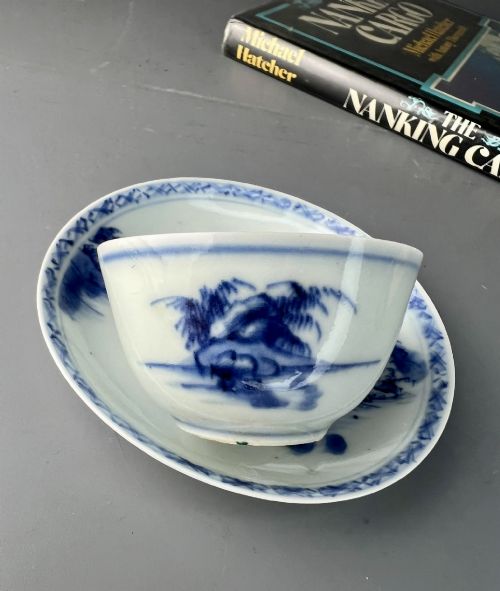
An underglaze blue chinese bowl brings cobalt painting beneath a clear glaze, offering centuries of ceramic history for daily display.
Underglaze Blue Chinese Bowl
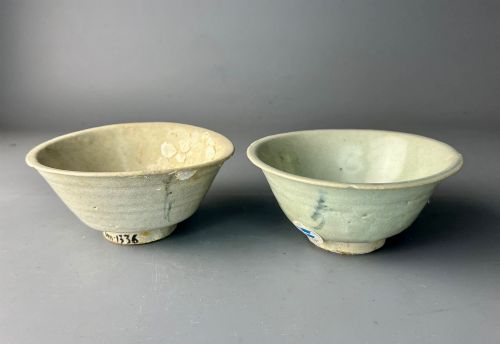
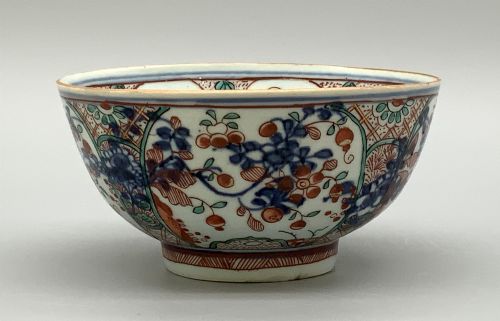
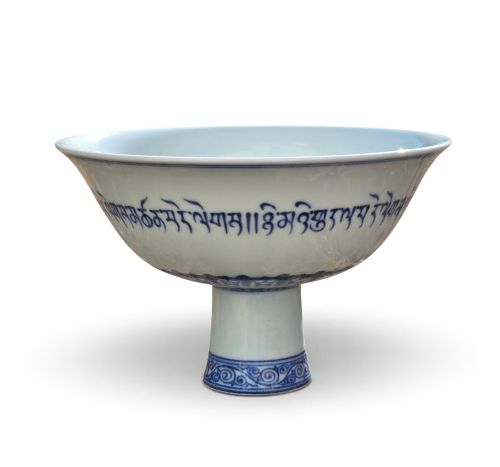
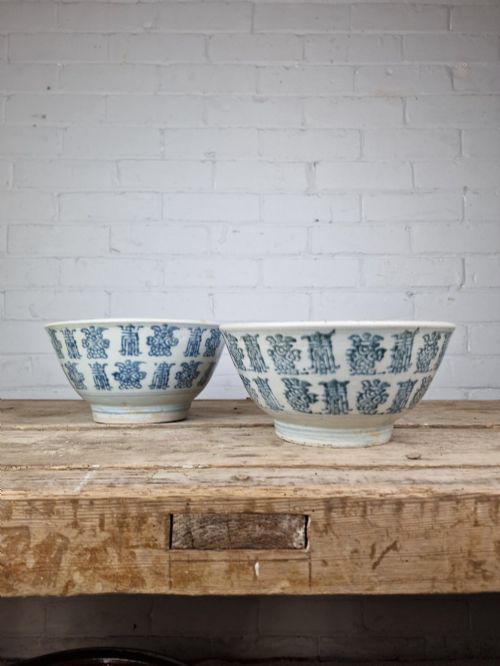
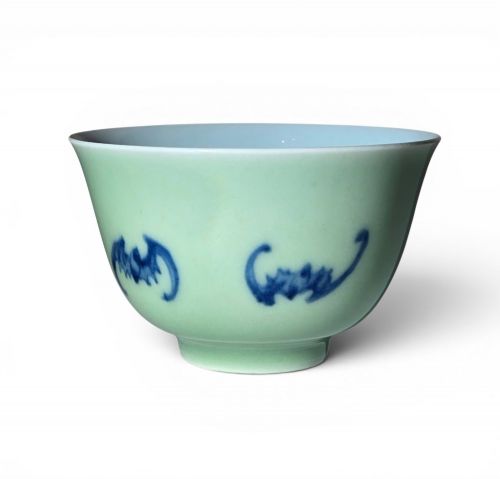
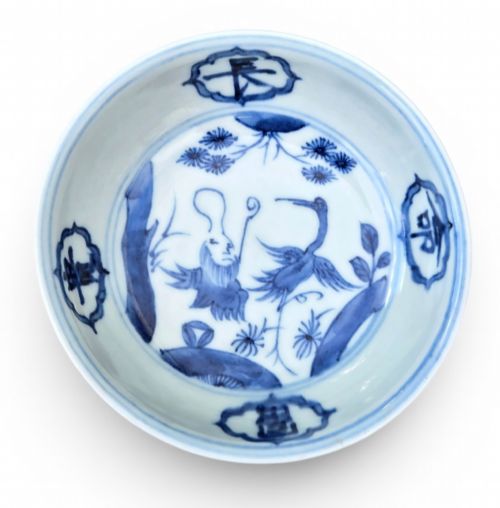
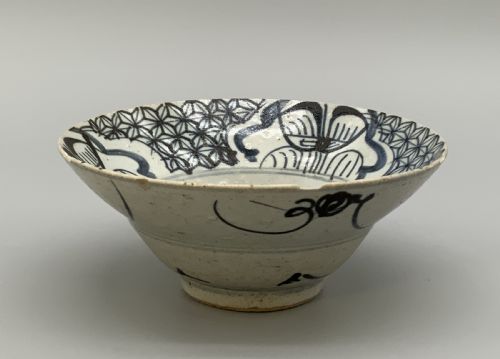
An underglaze blue chinese bowl encompasses forms from deep saucer-dishes and stem cups to provincial vessels and large punch bowls. Collectors encounter examples spanning the Ming and Qing Dynasties, alongside later pieces from the nineteenth century.
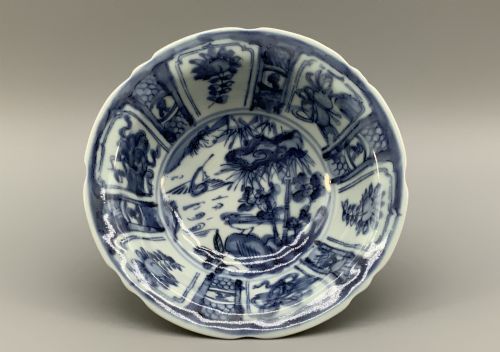
The objects serve various historic functions, including brush washers, teaware, and decorative display items. Pieces emerge from distinct periods such as the Kangxi era, revealing traditional shapes fashioned for domestic use and export markets.
Materials and Technique
Potters shape fine ceramic and porcelain bodies before applying cobalt pigment directly to the surface. Artisans then cover the painted design with a clear glaze before firing the piece at high temperatures.
Certain vessels incorporate additional decoration such as enamel or celadon-ground glazing alongside the cobalt underglaze. This chemical interaction during the kiln firing locks the blue pigment permanently beneath the glossy finish.
Current listings feature porcelain and ceramic materials decorated with cobalt underglaze, spanning the sixteenth century through the nineteenth century.
Assessing Quality and Execution
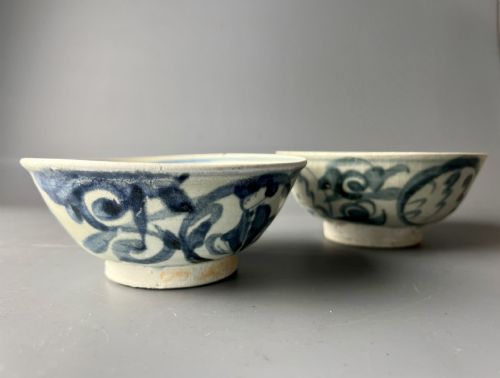
The sharpness and depth of the cobalt pigment dictate visual success, ranging from blurred provincial strokes to finely controlled imperial painting. Body weight, potting symmetry, and the purity of the porcelain paste further distinguish standard utility wares from finer vessels.
Intricacy of the motif and the stability of the glaze finish reveal the skill of the workshop. Superior examples maintain crisp interaction between the painted cobalt and the surrounding glaze without running or cloudiness.
The Underglaze Blue Chinese Bowl Glossary
- Underglaze blue
- A decorative technique where cobalt pigment is applied to the raw ceramic body before glazing and firing. This method protects the blue design beneath a durable glassy layer.
- Cobalt
- The mineral oxide used to create deep blue tones on ceramic wares under high heat. It remains stable at the extreme temperatures required for porcelain production.
- Stem cup
- A drinking vessel elevated on a tall, hollow foot rather than a flat base. These forms appear in various historical dynasties for ritual and scholarly use.
- Doucai
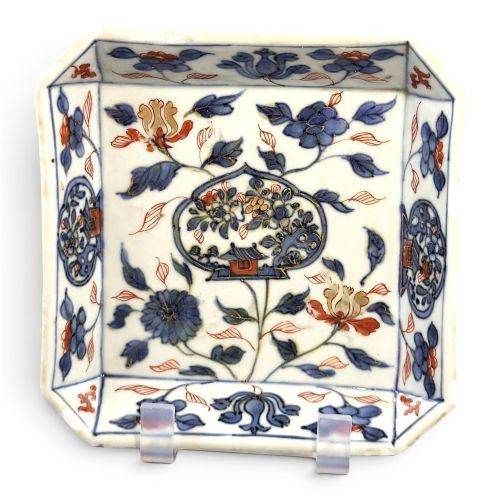
- A decorative style combining underglaze blue outlines with overglaze enamel infills. Artisans apply the contrasting colours across multiple kiln firings.
- Swatow
- A classification of trade ceramics produced in southern China during the late Ming period. These vessels typically feature vigorous, freehand brushwork under thick glazes.
Underglaze Blue Chinese Bowl: Frequently Asked Questions
How do I date a blue and white bowl?
Dating relies on examining the potting style, the tone of the cobalt pigment, and any reign marks present on the base. Stylistic shifts between Ming and Qing periods offer clear visual markers.
Comparison with documented examples from specific centuries helps confirm the era of manufacture. Examining the characteristics of the footrim and glaze provides further chronological evidence.
What is underglaze decoration?
Underglaze decoration involves painting pigments directly onto the unfired ceramic body before applying a transparent glaze. The piece is then fired once at a high temperature.
This technique ensures the design is sealed permanently beneath the glossy surface. Consequently, the decoration resists wear during everyday handling and washing.
How were antique Chinese bowls used?
These vessels served diverse roles ranging from scholarly desk accessories, such as brush washers, to vessels for food, tea, and punch. Imperial and provincial pieces fulfilled both domestic utility and ceremonial functions.
Export wares also travelled globally to European markets for display and dining. Each specific form reflects the social habits of its period of origin.
Can I display these bowls safely?
Displaying antique porcelain requires stable surfaces away from high traffic areas or vibration risks. Using secure, non-abrasive stands protects the footrim and body from accidental knocks.
Keeping pieces out of direct sunlight preserves any delicate overglaze enamels. Regular dusting with a soft, dry cloth maintains the surface without moisture exposure.