


Antique Asian Footed Bowl
These antique asian footed bowl pieces are raised vessels spanning various centuries and materials, offering distinctive craftsmanship that collectors prize for display.
Antique Asian Footed Bowl
An antique asian footed bowl sits upon a raised base or pedestal, ranging from delicate stem cups to substantial metal and porcelain vessels. When buyers search this phrase, they encounter pieces originating from China, Thailand, Burma, and France under a japonisme influence.
Materials and construction
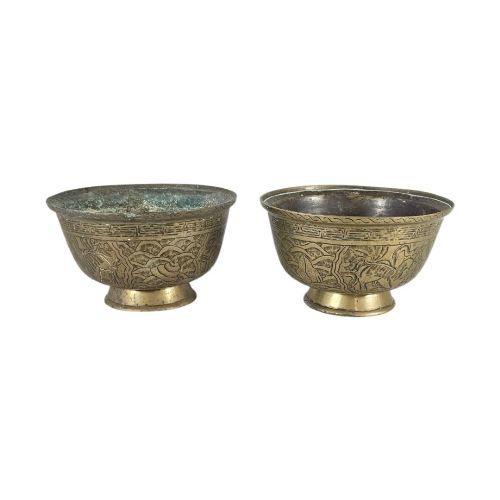
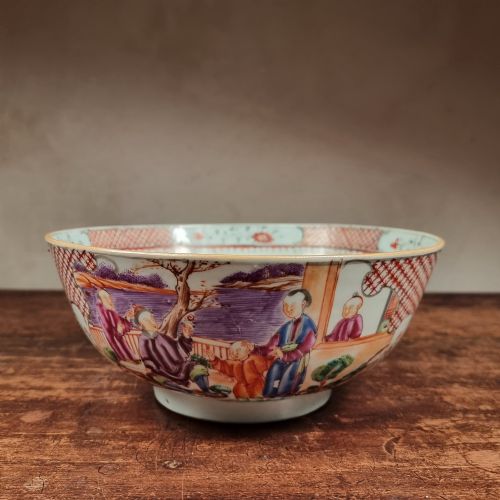
Potters and metalsmiths utilised materials such as porcelain, solid silver, bronze, brass, and gilt bronze. Surface decoration often incorporates cobalt underglaze, cloisonne enamel, and repousse work.
Techniques range from intricate handcrafting on solid silver vessels to precise underglaze painting on porcelain bowls and stem cups. Metal pieces demonstrate specialised casting and repousse hammering to achieve ornate relief designs.
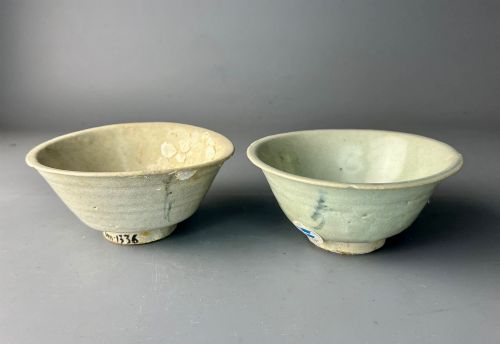
Cargo pottery recovered from historic shipping wrecks brings actual ocean journey stories straight to the modern mantelpiece.
Judging quality and execution
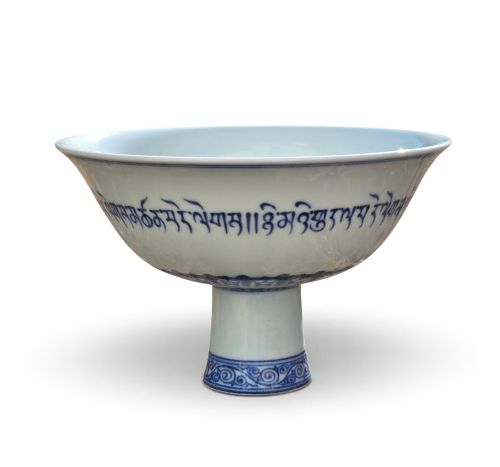
The distinction between standard examples and finer pieces lies in the precision of the handcrafting, particularly in repousse metalwork and hand-painted cobalt decoration. Crispness of detail in motifs like birds, lotus patterns, or Tibetan script separates ordinary output from superior work.
Material weight and finish integrity also dictate the calibre of the vessel, whether observing the depth of a cloisonne enamel surface or the purity of solid silver and bronze casting.
The Antique Asian Footed Bowl Glossary
- Stem cup
- A drinking vessel or small bowl elevated on a tall, narrow foot. This form appears in nineteenth century porcelain and doucai-style pieces.
- Repousse
- A metalworking technique where the artisan hammers the metal from the reverse side to form a raised design on the front. This method appears on nineteenth century Burmese silver bowls.
- Cloisonne
- Enamelwork created by soldering wire compartments onto a metal base and filling them with coloured paste before firing. Early nineteenth century examples demonstrate this colourful technique.
- Cobalt underglaze
- A blue pigment applied to ceramic pottery beneath a transparent glaze before high-temperature firing. This decoration appears frequently on seventeenth century cargo bowls.
- Japonisme
- A nineteenth century Western artistic movement influenced by Japanese and Asian art styles. European makers utilised this aesthetic on porcelain dishes.
Antique Asian Footed Bowl: Frequently Asked Questions
How do I identify the period?
Dating relies on stylistic clues, material composition, and recorded historical markers such as dynasty references or specific nineteenth century manufacturing techniques. Pieces range from seventeenth century cargo porcelain to twentieth century solid silver.
Comparing decorative motifs like lotus designs or Tibetan script against established period styles helps clarify the age of each vessel.
Were these bowls used for food?
While many forms originated for utilitarian or ritual dining purposes, including stem cups and standard bowls, others served purely decorative functions. Tazzas and elaborate footed metal dishes were frequently created for display rather than daily service.
The presence of delicate enamel or precious metals often indicates a decorative or ceremonial role within historical settings.
How should I display them?
Displaying these elevated vessels involves placing them on stable surfaces where their raised bases and detailed profiles remain visible. Adequate lighting highlights the intricacies of repousse work, cloisonne enamel, and cobalt underglaze patterns.
Keeping them away from direct sunlight preserves the integrity of glazes and metal finishes over time.